
The Vitamin D Resistance Mystery
Updated May 2026
Standard Vitamin D supplementation often fails due to receptor resistance, a biological nuance ignored by NHS guidelines. We analyze the VDR gene and the co-factors necessary for vitamin utilization.
Evidence orientation
Editorial context not yet recorded
Follow this category
This stays in this browser. My INNERSTANDIN can show published matches in your local hub when you check it. It does not send email, push, or alert notifications.
Local learning review
A private browser aid for revisiting ideas. It is not an alert or a health recommendation.
Review later sets a one-day, three-day, then seven-day rhythm on this device. Choose it only when you want to revisit this article.
Overview
In the hallowed halls of the British National Health Service (NHS), Vitamin D is often treated as a peripheral nutrient—a "bone vitamin" whose deficiency is easily remedied by a generic 400 IU capsule. However, a silent epidemic is unfolding across the United Kingdom and the Western world: Vitamin D Resistance. For a significant portion of the population, even "adequate" serum levels of 25-hydroxyvitamin D [25(OH)D] fail to translate into biological efficacy. This is the "Vitamin D Resistance Mystery," a biological nuance that mainstream clinical guidelines continue to ignore at the expense of millions suffering from chronic inflammatory and autoimmune conditions.
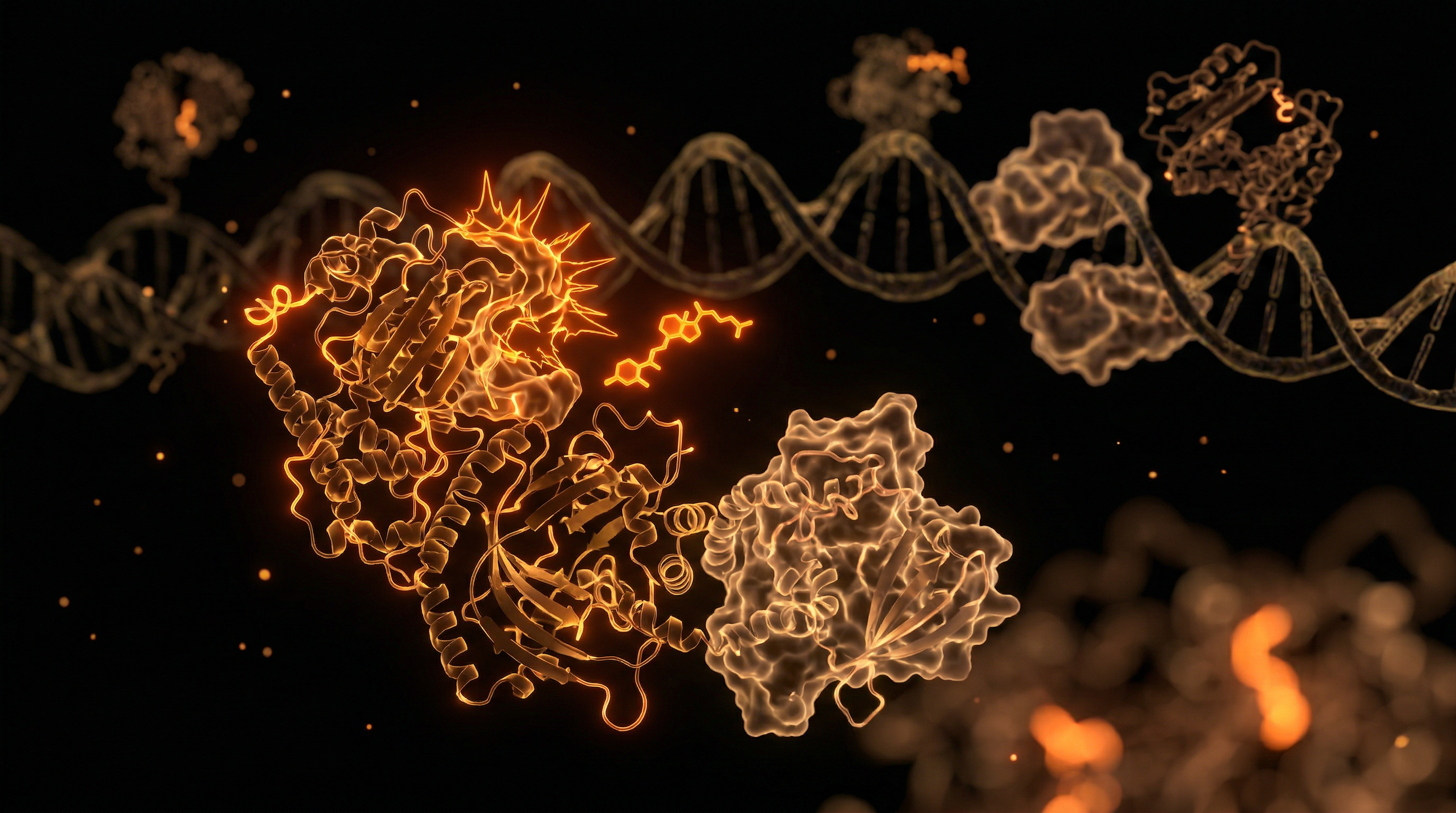
The reality is that Vitamin D is not a vitamin; it is a secosteroid hormone that acts as a master regulator of the human genome. Its primary function is to bind to the Vitamin D Receptor (VDR), a nuclear transcription factor that controls the expression of over 200 genes, ranging from immune modulation to neurotransmitter synthesis. When the VDR is compromised—either through genetic polymorphisms, environmental toxins, or mineral deficiencies—the "key" (Vitamin D) can no longer turn the "lock" (the receptor).
Current NHS guidelines suggest a blood level of 25 nmol/L is "sufficient" to prevent bone disease, yet modern immunology suggests that levels below 100-125 nmol/L leave the immune system in a state of perpetual vulnerability.
This article serves as a comprehensive investigation into the molecular failure of the Vitamin D pathway. We will expose how the mainstream medical narrative fails to account for VDR polymorphism, the critical role of magnesium, and the impact of environmental disruptors that render standard supplementation protocols virtually useless for the modern, toxic-burdened individual.
The Biology — How It Works
To understand resistance, one must first master the intricate pathway of Vitamin D metabolism. The journey begins with 7-dehydrocholesterol in the skin, which, upon exposure to UVB radiation, converts to pre-vitamin D3 and then to Vitamin D3 (cholecalciferol). However, this molecule is biologically inert.
The Two-Step Activation
Vitamin D must undergo two hydroxylations to become active:
- The Liver Phase: The enzyme CYP2R1 converts D3 into 25-hydroxyvitamin D [25(OH)D], which is the standard marker measured in blood tests.
- The Kidney and Cellular Phase: The enzyme CYP27B1 converts 25(OH)D into 1,25-dihydroxyvitamin D [1,25(OH)2D], also known as Calcitriol. This is the potent hormone that actually performs the biological work.
The Gatekeeper: The Vitamin D Receptor (VDR)
Once Calcitriol is produced, it must find a Vitamin D Receptor (VDR). These receptors are found in almost every tissue in the body, including the gut, bones, brain, and immune cells (T-cells, B-cells, and Macrophages). The VDR does not act alone; it must form a partnership—a heterodimer—with the Retinoid X Receptor (RXR), which is activated by Vitamin A (Retinol).
Genetic Nuance: VDR Polymorphisms
The "mystery" of resistance often begins with genetics. The VDR gene is prone to several Single Nucleotide Polymorphisms (SNPs). The most studied are FokI, BsmI, ApaI, and TaqI.
- A person with the FokI polymorphism may have a receptor that is structurally less efficient at binding Calcitriol.
- Someone with the TaqI polymorphism may experience a "downregulation" of the receptor, meaning they have fewer receptors available on their cell surfaces.
In these individuals, a "normal" blood level of Vitamin D is a physiological lie. They may require 5 to 10 times the standard dose just to achieve the same genomic signaling as someone without these genetic variations. The NHS model of "one size fits all" fails to account for this genomic diversity.
Mechanisms at the Cellular Level
Vitamin D resistance is not merely a genetic sentence; it is a dynamic cellular failure. Several mechanisms can block the Vitamin D signal even if the hormone is present in the blood.
The Competition for the Receptor
Various substances can compete for the VDR or block its activation. Pathogenic bacteria and viruses have evolved sophisticated ways to survive by "silencing" the VDR. For example, Borrelia burgdorferi (Lyme disease) and certain mycobacteria can downregulate VDR expression, effectively disarming the host's immune system. This creates a feedback loop: the infection causes VDR resistance, and VDR resistance prevents the immune system from clearing the infection.
Epigenetic Silencing
Environmental stressors can lead to DNA methylation of the VDR gene promoter. This "epigenetic silencing" means that even if the gene is healthy, it is "switched off" or muted. This explains why individuals living in highly polluted or high-stress environments often show symptoms of Vitamin D deficiency (such as chronic fatigue and frequent infections) despite taking supplements.
The Role of Intracellular Magnesium
This is perhaps the most overlooked mechanism in clinical medicine. Magnesium is the essential co-factor for every single step of Vitamin D metabolism.
- The transport protein (Vitamin D Binding Protein) requires magnesium.
- The conversion enzymes (CYP2R1 and CYP27B1) are magnesium-dependent.
- The binding of Calcitriol to the VDR requires magnesium.
Statistics suggest that up to 70% of the Western population is subclinically deficient in magnesium. Taking high doses of Vitamin D in a magnesium-deficient state will not only fail to raise Vitamin D levels effectively but can also deplete remaining magnesium stores, leading to heart palpitations, anxiety, and insomnia.
The Retinol Synergy
Because the VDR must pair with the RXR (Retinoid X Receptor), a deficiency in Vitamin A (specifically the active form, retinol) can manifest as Vitamin D resistance. Without sufficient Vitamin A, the VDR-Calcitriol complex cannot bind to the DNA to initiate gene transcription. This is the Retinoid-Vitamin D Balance, a delicate equilibrium frequently disrupted by modern diets high in synthetic beta-carotene but low in preformed animal retinol.
Environmental Threats and Biological Disruptors
The modern environment is a minefield for the Vitamin D system. We are no longer living in the biological context in which our Vitamin D pathways evolved.
Glyphosate and the Cytochrome P450 System
Glyphosate, the active ingredient in many herbicides, has been shown to inhibit the Cytochrome P450 (CYP) enzymes. Since the activation of Vitamin D relies entirely on these CYP enzymes (CYP2R1 and CYP27B1), glyphosate exposure represents a direct chemical blockade of Vitamin D synthesis. The pervasive use of this chemical in UK agriculture means that even "organic-leaning" consumers are facing an uphill battle in activating their Secosteroids.
Endocrine Disrupting Chemicals (EDCs)
Phthalates, bisphenols (BPA), and parabens are known to interfere with nuclear receptors. Research indicates that these EDCs can bind to the VDR with low affinity or alter the shape of the receptor, preventing Calcitriol from docking. This "molecular masking" is a primary driver of resistance in urban populations.
The Blue Light and Melatonin Connection
Vitamin D and Melatonin act as the "Sun" and "Moon" of cellular regulation. Modern "light pollution"—excessive exposure to artificial blue light at night—suppresses mitochondrial melatonin. Emerging research suggests that melatonin plays a role in sensitising the VDR. By disrupting our circadian rhythms, we are indirectly inducing a state of Vitamin D resistance at the mitochondrial level.
Heavy Metal Interference
Heavy metals like Cadmium and Lead can displace essential minerals like Zinc and Magnesium from the enzymes involved in Vitamin D metabolism. Furthermore, Cadmium has been shown to accumulate in the proximal tubules of the kidneys, the very site where the final activation of Vitamin D (into Calcitriol) occurs.
The Cascade: From Exposure to Disease
When the Vitamin D receptor fails, a catastrophic cascade of biological events is triggered. This is not merely about "weak bones"; it is about the collapse of immune tolerance.
The Autoimmune Explosion
The VDR is the primary controller of T-regulatory (Treg) cells. These cells are the "peacekeepers" of the immune system; they prevent the body from attacking its own tissues. In a state of Vitamin D resistance, Treg cell production plummets, and pro-inflammatory Th17 cells run rampant. This is the foundational mechanism behind the surge in:
- Multiple Sclerosis (MS)
- Rheumatoid Arthritis
- Hashimoto’s Thyroiditis
- Inflammatory Bowel Disease (IBD)
The Coimbra Protocol, developed by Dr. Cícero Coimbra, has demonstrated that massive doses of Vitamin D (sometimes exceeding 100,000 IU daily) can overcome VDR resistance and force these autoimmune conditions into remission by re-establishing the Treg/Th17 balance. Yet, this protocol remains "fringe" according to NHS standards.
The Cytokine Storm and Infectious Disease
Vitamin D is responsible for the production of Cathelicidin and Defensins, the body’s "natural antibiotics." When VDR signaling is weak, the innate immune system cannot mount an effective first-line defence against viruses, including influenza and SARS-CoV-2. This leads to an over-reliance on the adaptive immune system, which can result in the infamous "cytokine storm" where the inflammatory response becomes more deadly than the pathogen itself.
The Neuro-Psychiatric Link
The VDR is heavily expressed in the Hippocampus and the Substantia Nigra. Vitamin D resistance is increasingly linked to:
- Major Depressive Disorder: Due to its role in converting Tryptophan to Serotonin via the enzyme TPH2.
- Neurodegeneration: The failure to clear amyloid-beta plaques in the brain, a hallmark of Alzheimer’s, is partly mediated by VDR-directed macrophage activity.
What the Mainstream Narrative Omits
The mainstream medical narrative, particularly within the UK's centralised healthcare system, operates on a deficiency model rather than an optimisation model. This oversight is not merely accidental; it is a structural failure of modern pharmacology.
The Fallacy of 25(OH)D Testing
The standard NHS blood test measures 25(OH)D (Calcifediol). While this reflects the "storage" of Vitamin D, it tells us absolutely nothing about the "active" hormone (1,25(OH)2D) or whether the receptors are actually responding.
It is entirely possible to have high levels of storage Vitamin D while the body is starving for the active hormone because the conversion enzymes are blocked or the receptors are resistant.
The Neglect of Co-factors
You will rarely hear an NHS GP discuss the necessity of Vitamin K2 (MK-7). While Vitamin D increases calcium absorption from the gut, Vitamin K2 is the "traffic cop" that directs that calcium into the bones and teeth and away from the arteries and soft tissues. Supplementing with high-dose D3 without K2 is a recipe for vascular calcification, a fact largely ignored in standard dietary advice.
The Boron Secret
Boron is a trace mineral that has been shown to extend the half-life of Vitamin D and sensitise the VDR. In regions where soil is boron-depleted, Vitamin D resistance is significantly more prevalent. However, boron is not even on the radar of most clinical nutritionists in the mainstream sector.
The Economic Bias
Vitamin D is off-patent, inexpensive, and cannot be branded as a blockbuster drug. There is no financial incentive for the pharmaceutical industry to fund large-scale trials on overcoming VDR resistance. It is far more profitable to treat the consequences of resistance (biologics for autoimmunity, SSRIs for depression, statins for heart disease) than to address the root molecular failure of the Secosteroid system.
The UK Context
The United Kingdom presents a unique and challenging environment for Vitamin D health, exacerbated by geography and institutional inertia.
The Latitude Problem
The UK is situated between 50°N and 60°N latitude. From October to April, the "Vitamin D Winter" occurs, where the sun’s angle is too low for the atmosphere to allow UVB rays through. During these months, synthesis is impossible. The NHS recommends supplementation only for "at-risk" groups or during winter, but this fails to account for the fact that modern indoor lifestyles prevent sufficient "charging" of Vitamin D levels even in summer.
The NHS Reference Range Scandal
The NHS defines Vitamin D "deficiency" as below 25 nmol/L. This is an archaic threshold designed only to prevent Rickets. It has no basis in modern immunology.
- 25 nmol/L: Prevents Rickets.
- 50 nmol/L: Basic bone health.
- 75-100 nmol/L: Required for cancer prevention.
- 100-150 nmol/L: Optimal for immune modulation and autoimmune prevention.
By keeping the reference range low, the NHS avoids the "burden" of treating millions of people, but this creates a massive long-term financial burden as these individuals develop chronic, expensive-to-treat diseases.
Genetic Diversity in Britain
The UK is home to a diverse population. Individuals with darker skin (higher melanin) require significantly more UV exposure to produce the same amount of Vitamin D as those with lighter skin. The NHS "one-size-fits-all" dose of 400 IU is particularly negligent for the BAME community, who are at a much higher risk of VDR-related complications due to systemic deficiency exacerbated by the British climate.
Protective Measures and Recovery Protocols
If you suspect Vitamin D resistance, a standard supplement is not the answer. A comprehensive biological "reset" is required.
Advanced Testing
Do not settle for a simple 25(OH)D test. Request or privately source a Vitamin D Panel that includes:
- 25-hydroxyvitamin D [25(OH)D] (Storage)
- 1,25-dihydroxyvitamin D [1,25(OH)2D] (Active)
- Parathyroid Hormone (PTH) (A functional marker of Vitamin D status; if PTH is high, Vitamin D is likely failing).
- VDR Genetic Testing (Through services like 23andMe or specialized genomic labs).
The Co-factor Stack
To overcome resistance, the following co-factors must be present:
- Magnesium: 400–600 mg daily (Glycinate or Malate forms are preferred for absorption).
- Vitamin K2 (MK-7): 100–200 mcg daily to prevent calcification.
- Vitamin A (Retinol): Real cod liver oil or liver consumption is essential to provide the RXR partner for the VDR.
- Zinc and Boron: 15 mg of Zinc and 3–6 mg of Boron daily to sensitise the receptor.
Overcoming Resistance via High-Dose Titration
For those with confirmed VDR polymorphisms or autoimmune conditions, higher doses are often necessary. This should be done under the guidance of a functional medicine practitioner, following the principles of the Coimbra Protocol. This involves "flooding" the system with D3 to ensure that even the "weak" or "resistant" receptors receive enough signal to activate the target genes.
Light Hygiene and UVB Exposure
No supplement can perfectly mimic the "Solar Call" of the sun.
- UVB Lamps: Specifically designed narrow-band UVB lamps can stimulate natural synthesis and other photo-products (like Lumisterol) that supplements cannot provide.
- Infrared Exposure: Morning sunlight (rich in Near-Infrared) prepares the mitochondria for Vitamin D utilization.
Environmental Detoxification
Reduce the toxic load on your CYP enzymes:
- Eat organic to avoid glyphosate.
- Filter your water to remove heavy metals and fluoride (which can interfere with mineral balance).
- Replace plastic food containers with glass to reduce EDC exposure.
Summary: Key Takeaways
The Vitamin D Resistance Mystery is a testament to the complexity of human biology and the inadequacy of "broad-brush" medical guidelines. To move beyond the NHS's simplistic narrative, we must embrace a new paradigm of Bio-Individualism.
- Vitamin D is a Secosteroid Hormone, not a simple nutrient; its function depends entirely on the Vitamin D Receptor (VDR).
- Resistance is widespread, driven by genetic SNPs (FokI, TaqI), magnesium deficiency, and environmental toxins like glyphosate.
- Standard blood tests are deceptive; they measure storage, not cellular activity or receptor sensitivity.
- Co-factors are non-negotiable; Magnesium, Vitamin K2, Vitamin A, and Boron are the keys that allow Vitamin D to function.
- The NHS guidelines are sub-therapeutic, focusing on the bare minimum for bone health while ignoring the genomic requirements for immune and neurological health.
The path to biological sovereignty requires an "innerstanding" of these nuances. We must stop asking "How much Vitamin D am I taking?" and start asking "How much Vitamin D is my body actually using?" Only then can we solve the mystery and reclaim our systemic health.
This article is provided for informational and educational purposes only. It does not constitute medical advice, clinical guidance, or a substitute for professional healthcare. Information reflects cited research at time of publication. Always consult a qualified healthcare professional before acting on any health information.
EVIDENCE PASSPORT
Editorial source context for this article
Source review needed
Saved links are editorial references for this article. They may support specific claims rather than every sentence. Open and assess each source in context. This passport does not independently verify them.
Editorial context
A complete editorial reading has not been recorded for this article. Source links remain available for you to open and assess directly.
Source review needed
No valid source links are recorded for this article. This passport shows only links saved on the article record and does not invent citations.
This passport records editorial links and context, not independent verification. Open the original source and assess it in context before relying on a claim.
Medical Disclaimer
The information in this article is for educational purposes only and does not constitute medical advice, diagnosis, or treatment. Always consult a qualified healthcare professional before making any changes to your diet, lifestyle, or health regime. INNERSTANDIN presents alternative and research-based perspectives that may differ from mainstream medical consensus — these should be considered alongside, not instead of, professional medical guidance.
Read Full DisclaimerContinue the thread
Keep this question moving.
Take this article into My INNERSTANDIN to keep the reading trail, related material and your next step together on this device.
Explore this in the Body Map
See where this hits your biology. Interactive anatomy, threats, and protective protocols.
Dig deeper in the Library
Free, longform PDF volumes that go beyond headlines into mechanisms and references.