
Transmembrane Potential Gradients: The Master Regulator of Epithelial Stem Cell Differentiation
Discuss this resourceUpdated August 2026
An exploration into how bioelectric signals and transmembrane potential gradients act as the primary biological switchboards directing epithelial stem cell fate and tissue regeneration.
Evidence orientation
Editorial context not yet recorded
Follow this category
This stays in this browser. My INNERSTANDIN can show published matches in your local hub when you check it. It does not send email, push, or alert notifications.
Local learning review
A private browser aid for revisiting ideas. It is not an alert or a health recommendation.
Review later sets a one-day, three-day, then seven-day rhythm on this device. Choose it only when you want to revisit this article.
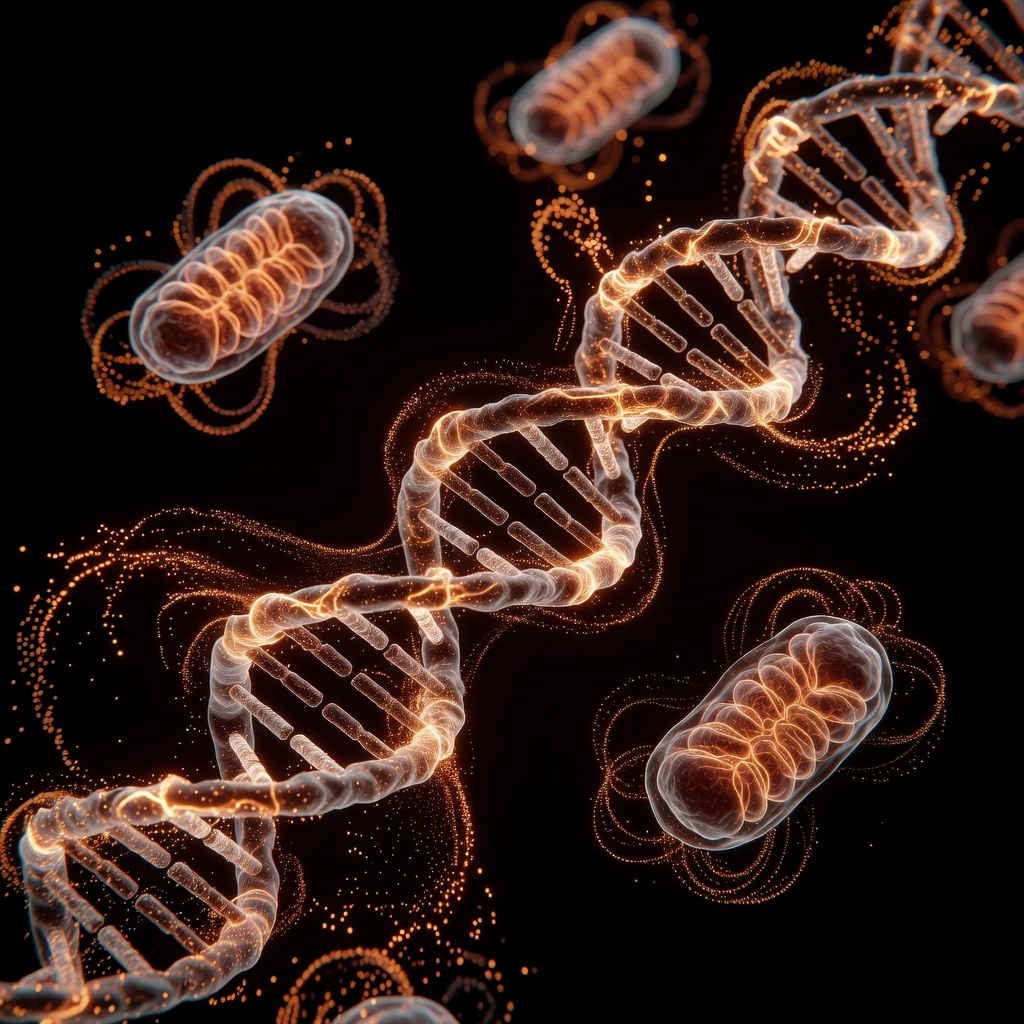
Introduction to Bioelectric Signaling Within the epithelial tissues—the body's protective interface—constant renewal is a necessity. While genetic pathways have long been cited as the sole architects of cellular identity, modern regenerative medicine is uncovering a deeper layer of control: the bioelectric language of the cell. At the heart of this communication lies the Transmembrane Potential (Vmem), a measurable voltage difference across the plasma membrane. This article explores how these electrical gradients function as a master regulator of stem cell differentiation, moving beyond chemical signaling to the foundational physics of life. ## The Mechanics of Vmem and Cellular Fate Every cell maintains an electrical potential created by the differential concentration of ions like Potassium, Sodium, and Chloride. In epithelial stem cells, this potential is not merely a byproduct of metabolism; it is a signal.
Research indicates that pluripotent and multipotent stem cells often exhibit a unique Vmem signature, typically characterized by hyperpolarization or depolarization in response to environmental cues. When these potential gradients shift, they act as an instruction manual for the cell, triggering the opening of voltage-gated ion channels and signaling the modulation of gene expression profiles. Essentially, the electrical state of the cell determines which genetic programs are 'unlocked' or 'silenced'. ## Bioelectricity as a Root Cause of Differentiation In standard molecular biology, we focus on growth factors and cytokines. However, these biochemical signals are often downstream of bioelectric events. Ion flux directly influences the intracellular pH and the movement of second messengers, which ultimately dictates whether a stem cell undergoes symmetric division or commits to a lineage-specific path.
When we view the epithelial layer as an interconnected syncytium, we see that cells are electrically coupled via gap junctions. This coupling creates a bioelectric field across entire tissue segments, allowing for coordinated differentiation patterns that ensure the skin, gut, and mucosal linings maintain structural integrity throughout our lives. ## Clinical Implications for Regenerative Medicine Understanding this mechanism shifts our therapeutic approach from purely chemical supplementation to electroceutical intervention. By modulating the local electrical environment of wounded or aged epithelial tissue, clinicians may one day be able to 'reprogram' stem cells in situ. Whether it is accelerating wound healing or reversing the loss of regenerative capacity in chronic disease, harnessing transmembrane potential gradients offers a profound, root-cause approach to medicine that treats the electrical blueprint of the tissue rather than just its symptomatic output. ## Conclusion The future of regenerative medicine lies at the intersection of biophysics and cell biology. By mastering the bioelectric gradients that govern epithelial stem cell differentiation, we move closer to the era of precise, biological self-repair.
The mastery of Vmem is not just a scientific novelty; it is the key to unlocking the body's innate regenerative potential.
This article is provided for informational and educational purposes only. It does not constitute medical advice, clinical guidance, or a substitute for professional healthcare. Information reflects cited research at time of publication. Always consult a qualified healthcare professional before acting on any health information.
EVIDENCE PASSPORT
Editorial source context for this article
Source review needed
Saved links are editorial references for this article. They may support specific claims rather than every sentence. Open and assess each source in context. This passport does not independently verify them.
Editorial context
A complete editorial reading has not been recorded for this article, and no source links are saved on its record.
Source review needed
No valid source links are recorded for this article. Supplementary research, where available, is listed separately below.
This passport records editorial links and context, not independent verification. Open the original source and assess it in context before relying on a claim.
Medical Disclaimer
The information in this article is for educational purposes only and does not constitute medical advice, diagnosis, or treatment. Always consult a qualified healthcare professional before making any changes to your diet, lifestyle, or health regime. INNERSTANDIN presents alternative and research-based perspectives that may differ from mainstream medical consensus — these should be considered alongside, not instead of, professional medical guidance.
Read Full DisclaimerContinue the thread
Keep this question moving.
Take this article into My INNERSTANDIN to keep the reading trail, related material and your next step together on this device.
Dig deeper in the Library
Free, longform PDF volumes that go beyond headlines into mechanisms and references.