
Vagal Control of Gastric Acid: The Mechanics of Digestion and the Prevention of GORD
Updated April 2026
Evidence orientation
Editorial context not yet recorded
Follow this category
This stays in this browser. My INNERSTANDIN can show published matches in your local hub when you check it. It does not send email, push, or alert notifications.
Local learning review
A private browser aid for revisiting ideas. It is not an alert or a health recommendation.
Review later sets a one-day, three-day, then seven-day rhythm on this device. Choose it only when you want to revisit this article.
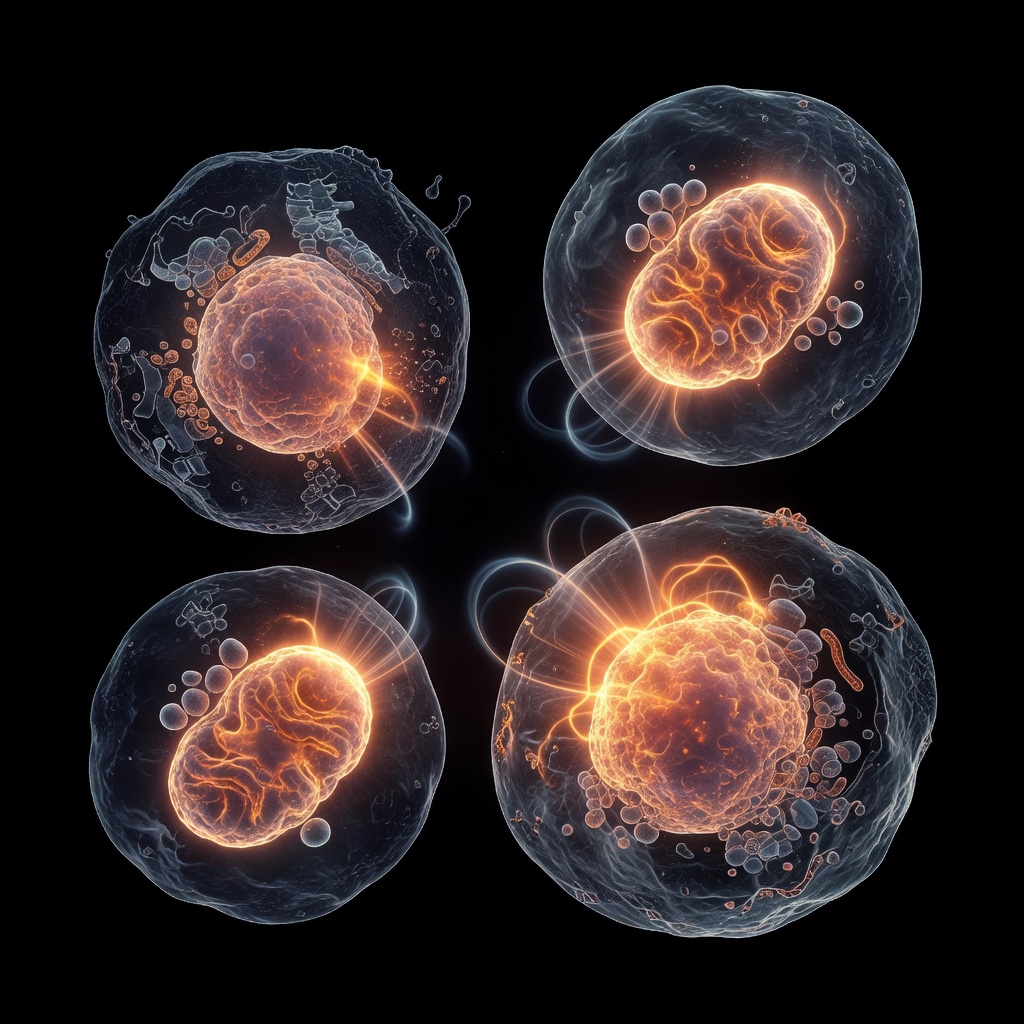
The human body is an intricate web of electrical signals and chemical responses, orchestrated by a single, wandering nerve that bridges the gap between the brainstem and the deepest reaches of our viscera. This is the Vagus Nerve (Cranial Nerve X), the commander-in-chief of the parasympathetic nervous system. While modern medicine often treats digestive issues as isolated mechanical failures or "excesses" of chemistry, the truth is far more profound. At the heart of healthy digestion and the prevention of Gastro-oesophageal Reflux Disease (GORD) lies the vagal tone—the subtle, rhythmic influence of the Vagus nerve over the stomach’s acidic environment.
To understand GORD is to understand the failure of communication between the mind and the gut. This article exposes the mechanics of vagal control, the dangers of suppressing gastric acid, and how we can reclaim our digestive health by mastering the master nerve.
Overview: The Master Conductor of the Gut
For decades, the mainstream approach to heartburn and acid reflux has been one of suppression. We are told that our stomachs are producing "too much acid," and the solution is a lifetime of Proton Pump Inhibitors (PPIs) or antacids. However, this perspective ignores the fundamental biological reality: acid is not the enemy. Hydrochloric acid (HCl) is essential for protein denaturation, mineral absorption, and the destruction of pathogenic bacteria.
The real culprit in most cases of GORD is not the presence of acid, but its mismanagement. This management is the sole responsibility of the Vagus nerve. The Vagus regulates both the secretion of acid and the mechanical integrity of the Lower Oesophageal Sphincter (LOS)—the muscular valve that prevents stomach contents from rising into the sensitive tissues of the oesophagus. When vagal communication is disrupted—due to stress, poor posture, or environmental toxins—the digestive process descends into chaos.
Biological Mechanisms: How the Vagus Rules the Stomach
The process of digestion begins long before food touches your tongue. It begins in the brain, transmitted via the Vagus nerve through what is known as the Cephalic Phase of digestion.
1. The Cephalic Phase and Acetylcholine
When you smell, see, or even think about a meal, the brain sends signals down the Vagus nerve. The nerve endings release a neurotransmitter called acetylcholine. This chemical messenger binds to receptors on the parietal cells within the stomach lining, instructing them to begin pumping hydrogen ions—the precursors to gastric acid.
Key Fact: Up to 30% of total gastric acid secretion occurs during the Cephalic Phase. If you eat while stressed, distracted, or in a "fight or flight" state, this vagal signal is inhibited, leading to insufficient acid for the coming meal.
2. The Gastric Phase and Distension
As food enters the stomach, the Vagus nerve senses the physical stretching (distension) of the stomach walls. It sends "afferent" signals to the brain and receives "efferent" signals back, further stimulating acid production and triggering the release of Gastrin. This ensures the stomach environment reaches a pH of approximately 1.5 to 3.0—roughly equivalent to battery acid—which is necessary for optimal digestion.
3. The Gatekeeper: The Lower Oesophageal Sphincter (LOS)
Perhaps the most critical role of the Vagus nerve in preventing GORD is its control over the LOS. In a healthy state, the Vagus ensures that the LOS remains tightly closed while the stomach churns. Interestingly, the LOS requires a highly acidic environment to signal it to stay shut. When vagal tone is low, or when stomach acid is artificially suppressed, the LOS becomes "floppy," allowing even small amounts of acid to leak upwards, causing the burning sensation of reflux.
UK Context & Relevance: A Crisis of Suppression
In the United Kingdom, GORD is one of the most common reasons for primary care consultations. According to NHS data, millions of prescriptions for PPIs (such as Omeprazole and Lansoprazole) are issued annually. While these drugs provide temporary relief, the "truth-exposing" reality is that they often create a cycle of dependency.
The British lifestyle—characterised by high-stress work environments, the "stiff upper lip" culture of internalising emotional distress, and a diet high in processed ultra-palatable foods—is a recipe for vagal dysfunction. When we live in a state of chronic sympathetic dominance (stress), the Vagus nerve is effectively "muted."
Furthermore, the UK’s ageing population is particularly at risk. As we age, natural stomach acid production tends to decrease (a condition called Hypochlorhydria). Paradoxically, low acid presents with the same symptoms as high acid because the LOS fails to close. By prescribing acid-suppressants to someone who already has low acid, we further cripple their ability to absorb B12, Magnesium, and Calcium, leading to broader systemic health issues like osteoporosis and anaemia.
Environmental Factors: The Enemies of Vagal Tone
The Vagus nerve does not operate in a vacuum. It is highly sensitive to our external and internal environments. Several factors in the modern world actively degrade vagal control:
- Chronic Psychosocial Stress: The Vagus nerve is the physical embodiment of the "rest and digest" system. Constant cortisol elevation inhibits vagal outflow, halting gastric secretions and weakening the LOS.
- Poor Posture and the "Tech Neck": The Vagus nerve travels through the neck, behind the carotid artery. Prolonged Forward Head Posture (common in office workers) can cause physical impingement or irritation of the nerve, disrupting its signals.
- Processed Diets and Emulsifiers: Modern UK diets are rife with emulsifiers and artificial sweeteners that damage the gut microbiome. Since 80% of Vagus nerve fibres are sensory (carrying information from the gut to the brain), an inflamed gut sends "danger" signals that keep the body in a state of stress, further impairing digestion.
- Circadian Mismatch: Eating late at night, under artificial blue light, confuses the Vagus nerve. The body is biologically programmed to reduce acid production as it prepares for sleep; forcing it to digest heavy meals at 9 PM leads to inevitable reflux.
Protective Strategies: Restoring Vagal Control
To prevent GORD and optimise digestion, we must move beyond the "pill for an ill" mentality and focus on Vagal Nerve Stimulation (VNS) and lifestyle alignment.
1. Mindful Eating (The 20-Minute Rule)
To activate the Cephalic Phase, one must be present. Sitting down, breathing deeply, and thoroughly chewing food allows the Vagus nerve to signal the parietal cells effectively.
- Action: Avoid screens while eating. Take three deep "belly breaths" before the first bite to shift from Sympathetic to Parasympathetic mode.
2. Vagal Toning Exercises
The Vagus nerve can be "exercised" much like a muscle.
- Cold Exposure: Splashing the face with ice-cold water or taking a cold shower stimulates the "diving reflex," which is mediated by the Vagus nerve.
- Gargling and Humming: The Vagus nerve innervates the vocal cords. Vigorous gargling with water or loud humming/chanting creates vibrations that stimulate the nerve fibres.
3. Postural Alignment
Correcting the "slouch" can have immediate effects on digestive comfort.
- Action: Ensure your chest is open and your chin is tucked during and after meals. This prevents compression of the Vagus nerve and the stomach, reducing the risk of a Hiatus Hernia—a common physical cause of GORD where the stomach pushes through the diaphragm.
4. Bitters and Acid Support
Rather than suppressing acid, we often need to support it to ensure the LOS stays closed.
- Digestive Bitters: Herbs like dandelion or rocket, eaten before a meal, trigger a vagal reflex that increases digestive juices.
- Apple Cider Vinegar (ACV): A tablespoon of ACV in water before meals can provide the acidity required to signal the LOS to close, provided there is no active ulceration.
The Truth About Long-Term Suppression
We must address the elephant in the room: the long-term use of PPIs. While they are necessary for short-term healing of oesophageal erosions, their chronic use is linked to:
- SIBO (Small Intestinal Bacterial Overgrowth): Without enough acid, bacteria from the colon can migrate to the small intestine.
- Neurological Decline: Lack of B12 absorption due to low acid can lead to cognitive impairment and fatigue.
- Increased Infection Risk: Gastric acid is our first line of defence against food-borne pathogens like Salmonella and C. difficile.
The Innerstanding Perspective: True health is not found in the absence of symptoms, but in the presence of functional harmony. Suppressing the stomach's fire is a temporary fix for a systemic communication failure.
Key Takeaways: Reclaiming the Gut-Brain Connection
- The Vagus Nerve is the Key: It controls the "pump" (acid secretion) and the "valve" (LOS). Without strong vagal tone, digestion will always be compromised.
- Low Acid is Common: GORD is frequently caused by insufficient acid failing to trigger the closure of the LOS, not "too much" acid.
- Stress is a Digestive Toxin: You cannot digest food properly in a state of "fight or flight." The Vagus nerve is silenced by the sympathetic nervous system.
- UK Context: The prevalence of GORD in Britain is a reflection of a high-stress, sedentary lifestyle and a medical system focused on symptom suppression rather than root-cause resolution.
- Actionable Healing: Focus on "Rest and Digest" behaviours, cold exposure, postural correction, and supporting natural acid production to restore the body’s innate digestive wisdom.
By fostering an innerstanding of the Vagus nerve, we move away from the fragility of lifelong medication and toward the resilience of a balanced autonomic nervous system. Your stomach is not a vat of chemicals to be neutralized; it is a sophisticated organ waiting for the right signals from the master conductor. Listen to the Vagus, and your gut will follow.
This article is provided for informational and educational purposes only. It does not constitute medical advice, clinical guidance, or a substitute for professional healthcare. Information reflects cited research at time of publication. Always consult a qualified healthcare professional before acting on any health information.
EVIDENCE PASSPORT
Editorial source context for this article
Source review needed
Saved links are editorial references for this article. They may support specific claims rather than every sentence. Open and assess each source in context. This passport does not independently verify them.
Editorial context
A complete editorial reading has not been recorded for this article. Source links remain available for you to open and assess directly.
Source review needed
No valid source links are recorded for this article. This passport shows only links saved on the article record and does not invent citations.
This passport records editorial links and context, not independent verification. Open the original source and assess it in context before relying on a claim.
Medical Disclaimer
The information in this article is for educational purposes only and does not constitute medical advice, diagnosis, or treatment. Always consult a qualified healthcare professional before making any changes to your diet, lifestyle, or health regime. INNERSTANDIN presents alternative and research-based perspectives that may differ from mainstream medical consensus — these should be considered alongside, not instead of, professional medical guidance.
Read Full DisclaimerContinue the thread
Keep this question moving.
Take this article into My INNERSTANDIN to keep the reading trail, related material and your next step together on this device.