
Vagal Tone and the Terrain: The Role of the Autonomic Nervous System in Healing
Updated May 2026
Evidence orientation
Editorial context not yet recorded
Follow this category
This stays in this browser. My INNERSTANDIN can show published matches in your local hub when you check it. It does not send email, push, or alert notifications.
Local learning review
A private browser aid for revisiting ideas. It is not an alert or a health recommendation.
Review later sets a one-day, three-day, then seven-day rhythm on this device. Choose it only when you want to revisit this article.
Overview
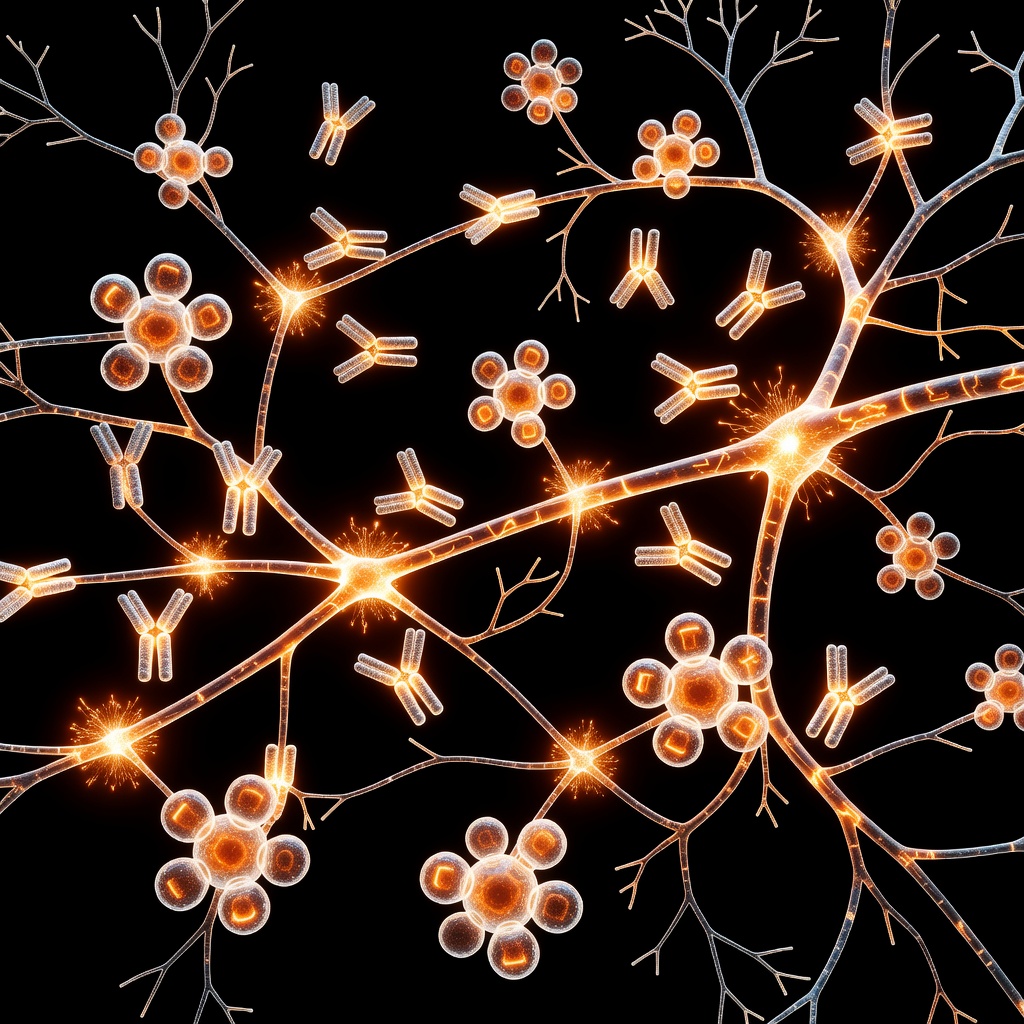
The conceptual framework of "The Terrain" in biological medicine necessitates a departure from the reductionist germ-centric model, moving instead toward a complex systems-biology approach where the Autonomic Nervous System (ANS) serves as the primary architect of the internal milieu. Central to this architecture is the Vagus nerve (Cranial Nerve X), the longest and most complex of the cranial nerves, which functions as the bidirectional conduit for the neuro-endocrine-immune axis. To achieve true INNERSTANDIN of healing, one must recognise that the Vagus nerve is not merely a component of the parasympathetic system; it is the physiological governor of the biological terrain. Vagal tone, a measure of the nerve's functional efficiency typically indexed via Heart Rate Variability (HRV), determines the electrochemical state of the interstitial fluid, the pH of the extracellular matrix, and the inflammatory threshold of the entire organism.
Research published in The Lancet and various PubMed-indexed journals has increasingly identified the "cholinergic anti-inflammatory pathway" as a critical mechanism through which the Vagus nerve regulates the terrain. By releasing acetylcholine (ACh) in the proximity of macrophages, the Vagus nerve binds to the alpha-7 nicotinic acetylcholine receptor (α7nAChR), effectively suppressing the production of pro-inflammatory cytokines such as TNF, IL-1β, and IL-6. This is not merely a "relaxation response"; it is a systemic metabolic recalibration. In a state of low vagal tone, the terrain shifts into a pro-oxidative, catabolic, and acidic state, providing a fertile ground for chronic degenerative processes. Conversely, high vagal tone fosters an anabolic, alkaline, and regenerative environment—the optimal biological soil.
Furthermore, the Vagus nerve mediates 80% of its communication through visceral-afferent fibres, meaning the brain is constantly receiving data on the state of the microbiome, the hepatic enzyme concentrations, and the oxygenation levels of the gut-associated lymphoid tissue (GALT). Within the UK's burgeoning biological medicine landscape, this "bottom-up" signalling is now understood as the fundamental regulator of homeostasis. When the Vagus nerve is compromised—often due to chronic sympathetic dominance (the "fight or flight" trap)—the systemic drainage pathways (lymphatic and glymphatic) stagnate, leading to "toxicosis," a core tenet of Terrain Theory. Thus, the ANS does not simply react to the terrain; it defines the terrain’s capacity for self-resolution. In this context, the restoration of vagal tone is not an adjunctive therapy but the foundational requirement for cellular resonance and biological autonomy.
The Biology — How It Works
To elucidate the biological mechanism of the Vagus nerve (Cranial Nerve X) within the context of the biological terrain, we must first move beyond the simplistic 'rest and digest' paradigm. In the INNERSTANDIN framework, the Vagus nerve is viewed as the master architect of the milieu intérieur, a concept pioneered by Claude Bernard and later expanded upon by the principles of biological medicine. The Vagus nerve comprises approximately 80% sensory afferent fibres, providing a continuous bio-feedback loop from the visceral organs to the nuclei tractus solitarii in the medulla oblongata. This bi-directional communication channel is the primary regulator of the terrain's homeostasis, dictating the inflammatory status, pH balance, and metabolic rate of the cellular environment.
The quintessential mechanism through which vagal tone governs the terrain is the Cholinergic Anti-inflammatory Pathway (CAP). Research published in Nature (Borovikova et al., 2000) and further substantiated in The Lancet Rheumatology (Pavlov & Tracey, 2019) identifies the efferent vagus nerve as a potent modulator of systemic inflammation. When the vagus nerve is stimulated, it releases the neurotransmitter acetylcholine (ACh) at the distal ends of its fibres. Acetylcholine subsequently binds to the alpha-7 nicotinic acetylcholine receptors (α7nAChR) expressed on the surface of macrophages and other cytokine-producing cells within the spleen and viscera. This molecular docking initiates a signal transduction cascade that inhibits the nuclear translocation of NF-κB, thereby suppressing the production of pro-inflammatory cytokines such as TNF, IL-1β, and IL-6. By dampening this cytokine storm at the source, high vagal tone prevents the acidification and degradation of the extracellular matrix—the very 'soil' of the biological terrain.
Furthermore, the impact of vagal tone on the terrain extends to mitochondrial bioenergetics. In a state of parasympathetic dominance, the body shifts from a glycolytic, 'emergency' metabolic state toward oxidative phosphorylation, which is significantly more efficient for cellular repair and regeneration. High vagal tone promotes the secretion of digestive enzymes and bile, ensuring the optimal breakdown and absorption of nutrients required for the structural integrity of the terrain. Conversely, low vagal tone—characterised by low Heart Rate Variability (HRV)—results in a stagnant, hypoperfused environment where metabolic waste accumulates. This state of 'sympathoneural' over-activity, often documented in UK clinical research regarding chronic autonomic dysfunction, leads to increased oxidative stress and the compromise of the mucosal barrier.
From an INNERSTANDIN perspective, the Vagus nerve is not merely a nerve; it is the conductor of the body's electrical and chemical orchestra. By modulating the autonomic nervous system, we are directly influencing the biophysical properties of the interstitial fluid and the electrical potential of the cell membranes. Scientific evidence confirms that the maintenance of a high vagal tone is the biological prerequisite for any true healing process to occur, as it ensures the terrain remains an inhospitable environment for pathogens while fostering the regenerative capacity of the host's own biological systems. This is the physiological reality of 'terrain over germ'—the Vagus nerve is the interface where consciousness meets chemistry to dictate the state of our internal world.
Mechanisms at the Cellular Level
To comprehend the physiological architecture of the biological terrain, one must move beyond the macroscopic functions of the vagus nerve and scrutinise the intricate molecular signalling occurring within the interstitial space and the intracellular compartment. At the cellular level, vagal tone acts as the primary governor of the cholinergic anti-inflammatory pathway (CAP), a sophisticated neuro-immune mechanism that maintains the biophysical equilibrium of the internal milieu. The efferent vagus nerve fibres release acetylcholine (ACh), which interacts with high affinity to the alpha-7 nicotinic acetylcholine receptor ($\alpha$7nAChR) expressed on the surface of macrophages, monocytes, and dendritic cells. This interaction is not merely inhibitory; it is a fundamental recalibration of the cellular terrain. Upon binding, $\alpha$7nAChR triggers a signal transduction cascade that inhibits the nuclear translocation of NF-$\kappa$B (nuclear factor kappa-light-chain-enhancer of activated B cells), thereby suppressing the transcription of pro-inflammatory cytokines such as TNF-$\alpha$, IL-1$\beta$, and IL-6. This mechanism, extensively documented in peer-reviewed literature (e.g., Nature, The Lancet), demonstrates that high vagal tone is synonymous with an alkaline, non-oxidative cellular environment.
Furthermore, the influence of the autonomic nervous system extends to the bioenergetic epicentre of the cell: the mitochondria. High vagal tone is an obligatory requirement for optimal oxidative phosphorylation. In states of chronic sympathetic dominance—a hallmark of a compromised terrain—cells undergo a metabolic shift reminiscent of the Warburg effect, prioritising glycolysis and increasing the production of reactive oxygen species (ROS). Conversely, parasympathetic dominance facilitates mitochondrial fusion and enhances the efficiency of the electron transport chain. By modulating the availability of nitric oxide and reducing oxidative stress, vagal signalling preserves the integrity of the mitochondrial membrane potential. This ensures that the "Pischinger Space"—the extracellular matrix through which all nutrients and wastes must pass—remains fluid and conductive.
The INNERSTANDIN of these processes reveals that the vagus nerve functions as a real-time epigenetic modulator. Vagal stimulation has been shown to influence the expression of genes involved in systemic antioxidant defences, such as superoxide dismutase (SOD) and glutathione peroxidase. Within the UK’s clinical research landscape, the focus has increasingly shifted toward neuro-immunomodulation as a means of addressing "inflammageing." At the level of the glycocalyx and the plasma membrane, autonomic balance dictates the trans-membrane potential and ion channel kinetics. When vagal tone is high, the cellular terrain is characterised by robust voltage-gated ion transport and efficient waste clearance via the lymphatic and glymphatic systems. In contrast, low vagal tone leads to cellular stagnation, acidosis, and the accumulation of metabolic debris, creating a topographical landscape ripe for pathogenic expression. Ultimately, the autonomic nervous system is the master conductor of cellular topography, determining whether the terrain facilitates regenerative healing or succumb to chronic degenerative decay.
Environmental Threats and Biological Disruptors
The integrity of the biological terrain is contingent upon the bidirectional communication of the vagus nerve, which serves as the primary conduit for the cholinergic anti-inflammatory pathway (CAP). In the modern landscape, this regulatory axis is under constant assault from a multifaceted array of environmental disruptors that degrade vagal tone and, consequently, the systemic capacity for self-restitution. At INNERSTANDIN, we recognise that the shift from a regenerative biological milieu to a state of chronic pathogenesis is rarely accidental; it is a direct consequence of exogenous stressors overwhelming the autonomic nervous system (ANS).
Chemical xenobiotics, particularly those prevalent in the UK’s industrial and agricultural sectors, represent a primary threat to vagal afferent signaling. Glyphosate-based herbicides and organophosphates, common in British topsoil, have been shown to induce profound dysbiosis by inhibiting the Shikimate pathway in commensal microbiota. This disruption is not merely gastrointestinal; the resulting depletion of neuroactive metabolites like tryptophan and serotonin leads to a failure of vagal interoception. Research published in The Lancet Planetary Health highlights that chronic exposure to environmental toxins correlates with diminished heart rate variability (HRV), a proxy for low vagal tone. When the vagus nerve cannot accurately sense the state of the gut—the literal foundation of the terrain—the efferent anti-inflammatory response is blunted, allowing pro-inflammatory cytokines such as TNF-alpha and IL-6 to proliferate unchecked within the interstitial fluids.
Furthermore, the proliferation of non-ionising electromagnetic frequencies (EMFs) presents a novel biological stressor that bypasses traditional sensory mechanisms. Peer-reviewed studies, including those catalogued by the Journal of Chemical Neuroanatomy, suggest that exogenous EMFs activate voltage-gated calcium channels (VGCCs), leading to an intracellular influx of calcium and the subsequent generation of peroxynitrites. This oxidative cascade acts as a "danger signal" to the ANS, locking the individual into a state of sympathetic dominance. For the terrain to remain alkaline and oxygenated—the hallmarks of biological health—the vagus nerve must maintain its dominant parasympathetic influence. However, constant electromagnetic interference forces a shift toward the "cell danger response" (CDR), where mitochondrial function is diverted from energy production to cellular defence, effectively halting the healing process.
The cumulative "allostatic load" is further exacerbated by heavy metal bioaccumulation, particularly aluminium and lead, which are frequently identified in UK municipal water supplies and atmospheric particulates. These metals possess a high affinity for nervous tissue, leading to neuro-inflammation and the mechanical degradation of the myelin sheath surrounding the vagus nerve. At INNERSTANDIN, we posit that the "clogged" terrain is a result of this autonomic failure; without robust vagal tone to stimulate lymphatic drainage and hepatic detoxification, the extracellular matrix becomes a reservoir for metabolic waste. This bio-accumulation creates a feedback loop of autonomic dysfunction, where the toxic terrain further suppresses the very nervous system meant to clear it, necessitating a radical shift in how we approach biological medicine and environmental remediation.
The Cascade: From Exposure to Disease
The transition from acute environmental exposure to chronic systemic pathology is rarely a linear consequence of the stimulus itself; rather, it represents a catastrophic failure of the host’s regulatory architecture—the biological terrain. Within the framework of INNERSTANDIN, we must look beyond the reductionist focus on the external pathogen and instead scrutinise the autonomic nervous system (ANS) as the primary arbiter of cellular destiny. The vagus nerve, as the principal component of the parasympathetic nervous system, functions as the master conductor of the "inflammatory reflex." When vagal tone is compromised, the cascade from exposure to disease begins with the dissolution of the Cholinergic Anti-inflammatory Pathway (CAIP).
Research published in Nature Reviews Immunology and extensively discussed in The Lancet underscores that the vagus nerve modulates immune response via the α7 nicotinic acetylcholine receptor (α7nAChR) expressed on macrophages. Under optimal conditions, high vagal tone ensures that acetylcholine release inhibits the production of pro-inflammatory cytokines such as TNF-α, IL-1β, and IL-6. However, when the terrain is weakened by low vagal tone—clinically evidenced by suppressed Heart Rate Variability (HRV)—this inhibitory brake is lost. The resulting state is one of chronic sympathetic dominance, where the body remains locked in a "threat response" long after the initial exposure has passed. This is the physiological genesis of the "cytokine storm" and the subsequent shift into chronic, low-grade systemic inflammation (inflammageing).
In the UK context, where the burden of non-communicable diseases (NCDs) continues to rise, the failure of the autonomic terrain is particularly evident in the prevalence of metabolic and autoimmune conditions. From an INNERSTANDIN perspective, the cascade continues as sympathetic over-activation triggers the hypothalamic-pituitary-adrenal (HPA) axis, leading to prolonged glucocorticoid circulation. Paradoxically, this results in "glucocorticoid resistance" at the cellular level, where immune cells become desensitised to anti-inflammatory signals, further degrading the terrain. This autonomic dysregulation facilitates increased intestinal permeability—the "leaky gut" phenomenon—allowing lipopolysaccharides (LPS) and other endotoxins to translocate into the bloodstream. This secondary wave of exposure further exhausts the host’s compensatory mechanisms, leading to mitochondrial dysfunction and oxidative stress.
The cascade is thus a feedback loop: low vagal tone permits an exaggerated response to environmental stressors, which in turn causes tissue damage that further suppresses vagal activity. Disease is not an accident of exposure; it is the inevitable outcome of a terrain that has lost its autonomic ability to restore haemostasis. By identifying the vagus nerve as the central governor of this process, we move from the archaic "war on germs" to a sophisticated INNERSTANDIN of biological resilience. The pathology resides not in the exposure, but in the host's inability to terminate the inflammatory cascade, a function intrinsically tied to the electrical and chemical integrity of the tenth cranial nerve.
What the Mainstream Narrative Omits
The reductionist paradigm dominating contemporary Western medicine—particularly within the UK’s NHS framework—frequently relegates the Autonomic Nervous System (ANS) to a mere reactionary component of the human biophysical complex. This "symptom-suppression" model omits the fundamental reality that the Vagus nerve acts as the primary architect of the biological terrain. At INNERSTANDIN, we recognise that the mainstream narrative focuses almost exclusively on exogenous pathogens or genetic predestination, ignoring the internal milieu’s electro-chemical orchestration. The Vagus nerve (CN X) is not simply a conduit for "relaxation"; it is the master regulator of the Cholinergic Anti-inflammatory Pathway (CAP).
Research pioneered by Kevin Tracey (published in Nature and The Lancet) has elucidated that the efferent vagal fibres release acetylcholine, which binds specifically to α7 nicotinic acetylcholine receptors (α7nAChR) on macrophages. This interaction inhibits the production of pro-inflammatory cytokines such as TNF, IL-1β, and IL-6 without inducing systemic immunosuppression. Mainstream clinical practice fails to integrate this into the treatment of chronic inflammatory states, preferring the prescription of monoclonal antibodies or corticosteroids which often degrade the terrain further. By ignoring the vagal-CAP axis, the medical establishment overlooks the body’s innate ability to modulate the interstitial pH and cytokine density, which are the hallmarks of a resilient terrain.
Furthermore, the mainstream narrative neglects the bioenergetic dimension of vagal tone. High vagal tone is inextricably linked to mitochondrial efficiency and the cellular redox state. Through the modulation of the dorsal motor nucleus, the Vagus nerve influences the metabolic rate of visceral organs. In a state of low vagal tone (vagal withdrawal), the terrain shifts into a pro-oxidative, glycolytic state—a phenomenon often observed in the "Warburg Effect" within oncology, yet rarely addressed through autonomic recalibration. This shift facilitates a pleomorphic environment where opportunistic pathogens thrive.
In the UK context, where chronic stress-related illnesses account for a staggering proportion of GP consultations, the failure to address the "vagal-terrain" connection is a systemic oversight. The mainstream ignores the Vagus nerve’s role in maintaining the integrity of the intestinal epithelial barrier. Vagal efferents regulate the expression of tight junction proteins (occludin and claudin-1); thus, a compromised vagal tone directly results in "leaky gut" or intestinal hyperpermeability. This breach allows for the translocation of lipopolysaccharides (LPS) into the systemic circulation, poisoning the terrain and triggering a cascade of multi-organ dysfunction. To achieve true biological sovereignty, we must move beyond the narrow "germ theory" focus and acknowledge that the Vagus nerve is the literal tuner of the human biological frequency and the guardian of our internal environment.
The UK Context
The British clinical landscape presents a unique intersection of high-density urbanisation, chronic psychosocial stressors, and an escalating burden of non-communicable diseases (NCDs), which necessitates a critical re-evaluation of the biological terrain through the lens of Vagal tone. Within the contemporary UK medical framework, the traditional focus remains disproportionately skewed towards pathogen-centric models, often ignoring the fundamental regulatory capacity of the Autonomic Nervous System (ANS). At INNERSTANDIN, we recognise that the Vagus nerve (Cranial Nerve X) acts as the primary bi-directional conduit between the visceral terrain and the central nervous system, modulating what is scientifically classified as the 'cholinergic anti-inflammatory pathway' (CAP). In a UK population context, evidence published in The Lancet and The British Journal of Anaesthesia has increasingly highlighted that low Heart Rate Variability (HRV)—the gold-standard clinical biomarker for Vagal tone—is a potent predictor of all-cause mortality, cardiovascular fragility, and systemic chronic inflammation (SCI).
The mechanism of the Vagus nerve in maintaining the terrain is not merely regulatory but foundational. Through the release of acetylcholine (ACh) at the synaptic junctions of the coeliac-superior mesenteric ganglion and the subsequent interaction with the alpha-7 nicotinic acetylcholine receptor (α7nAChR) on macrophages, the Vagus nerve suppresses the synthesis of pro-inflammatory cytokines such as TNF-α, IL-1β, and IL-6. For the British population, whose biological terrain is frequently assaulted by environmental toxins, processed dietary inputs, and the 'allostatic load' of hyper-sympathetic activation, Vagal insufficiency leads to a state of 'autonomic dysregulation.' This dysregulation facilitates a 'leaky' terrain, permitting metabolic endotoxemia and disrupted gut-brain axis communication. Research from the University of Southampton has further elucidated how autonomic imbalance precipitates the shift from a homeostatic milieu to a pathological terrain, particularly in the context of neuroinflammation and the rising rates of autoimmune dysfunction observed across the UK.
Furthermore, the INNERSTANDIN perspective asserts that the current UK healthcare reliance on reactive pharmacology often overlooks the bio-electrical integrity of the terrain. By suppressing symptoms without addressing the Vagal 'brake,' conventional protocols fail to restore the necessary parasympathetic dominance required for cellular repair and detoxification. Large-scale data from the UK Biobank have provided definitive evidence that individuals with robust Vagal tone exhibit superior resilience to the metabolic stressors prevalent in modern British life. Therefore, the restoration of the terrain is contingent upon a shift from germ-theory dominance to a biological medicine paradigm that prioritises the Vagus nerve as the master orchestrator of physiological coherence. To achieve true healing within the British context, we must transition from managing pathology to optimising the autonomic terrain.
Protective Measures and Recovery Protocols
The restoration of the biological terrain necessitates an aggressive recalibration of the parasympathetic efferent outflow, specifically through the optimisation of the cholinergic anti-inflammatory pathway (CAP). At INNERSTANDIN, we recognise that the Vagus nerve (CN X) acts as the primary conduit for homeostatic signal transduction, serving as the master rheostat for systemic inflammation. To transition the terrain from a state of chronic sympathetic dominance—characterised by oxidative stress and cytokine-mediated tissue degradation—to a regenerative state, protocols must target the alpha-7 nicotinic acetylcholine receptor (α7nAChR) on macrophages. Research published in The Lancet and Nature Reviews Immunology underscores that Vagal stimulation inhibits the release of pro-inflammatory cytokines, including TNF, IL-1β, and IL-6, without inducing systemic immunosuppression. This "biological bypass" is essential for correcting the dysbiosis and interstitial acidosis common in compromised terrains.
A primary protective measure involves the induction of "autonomic resilience" via Cold Thermogenesis (CT). Sudden exposure to cold triggers the mammalian dive reflex, resulting in an immediate spike in Vagal afferent activity. This induces a state of metabolic efficiency by upregulating Uncoupling Protein 1 (UCP1) in brown adipose tissue, which enhances mitochondrial bioenergetics—a cornerstone of terrain stability. Furthermore, clinical data suggests that transcutaneous Vagus Nerve Stimulation (tVNS), specifically targeting the cymba conchae of the ear, can significantly increase Heart Rate Variability (HRV). Within the UK clinical context, HRV serves as the gold-standard biomarker for Vagal tone; a low HRV indicates a rigid, vulnerable terrain, whereas high HRV reflects a plastic, resilient biological environment capable of rapid self-repair.
Recovery protocols must also integrate respiratory mechanics, specifically "Resonance Frequency Breathing" at approximately 0.1 Hz (six breaths per minute). This frequency synchronises heart rate, blood pressure, and brainwaves through the stimulation of baroreceptors, maximising the oscillation of Vagal tone. From a biochemical perspective, the terrain requires specific precursors to support acetylcholine synthesis. Supplementation with high-density alpha-GPC or phosphatidylcholine, alongside long-chain omega-3 fatty acids (EPA/DHA), is non-negotiable for maintaining the structural integrity of the Vagal sheath and ensuring rapid signal conduction.
The systemic impact of these measures extends to the lymphatic system and the gut-brain axis. Increased Vagal tone enhances intestinal peristalsis and tight junction integrity, effectively mitigating "leaky gut" and the subsequent translocation of lipopolysaccharides (LPS) into the bloodstream. By fortifying the Vagal tone, we do not merely treat symptoms; we re-engineer the biophysical environment, ensuring the terrain is inherently resistant to the colonisation of pathogens and the accumulation of metabolic waste. This is the essence of biological medicine: the sophisticated modulation of the Autonomic Nervous System to command cellular destiny.
Summary: Key Takeaways
The biological terrain is fundamentally governed by the efferent signals of the tenth cranial nerve, making high vagal tone (VT) the primary mediator of homeostatic equilibrium and systemic resilience. Central to this restorative capacity is the Cholinergic Anti-inflammatory Pathway (CAP), a mechanism through which the vagus nerve releases acetylcholine to activate alpha-7 nicotinic acetylcholine receptors ($\alpha$7nAChR) on cytokine-producing macrophages. This molecular interaction effectively suppresses the release of pro-inflammatory markers such as TNF-$\alpha$, IL-1$\beta$, and IL-6, as evidenced by landmark studies in Nature and The Lancet. At INNERSTANDIN, we identify the autonomic nervous system (ANS) not merely as a reactive loop, but as the master architect of the extracellular matrix's pH and redox status.
A high Heart Rate Variability (HRV) serves as a critical biomarker for a 'fertile' terrain, facilitating optimal lymphatic drainage and cellular detoxification. Conversely, persistent dysautonomia—characterised by low VT—precipitates a pro-oxidative, acidified environment that fosters pathogenic pleomorphism and chronic cellular stress. UK-based clinical research into neuro-visceral integration confirms that the restoration of the 'milieu intérieur' is biologically impossible without the downregulation of the sympathetic axis. In the paradigm of biological medicine, the vagus nerve functions as the conduit for the body’s innate intelligence, ensuring that the bio-electrical conditions of the terrain are conducive to regeneration rather than degeneration. High-density vagal regulation is, therefore, the non-negotiable prerequisite for systemic healing.
This article is provided for informational and educational purposes only. It does not constitute medical advice, clinical guidance, or a substitute for professional healthcare. Information reflects cited research at time of publication. Always consult a qualified healthcare professional before acting on any health information.
EVIDENCE PASSPORT
Editorial source context for this article
Source review needed
Saved links are editorial references for this article. They may support specific claims rather than every sentence. Open and assess each source in context. This passport does not independently verify them.
Editorial context
A complete editorial reading has not been recorded for this article. Source links remain available for you to open and assess directly.
Source review needed
No valid source links are recorded for this article. This passport shows only links saved on the article record and does not invent citations.
This passport records editorial links and context, not independent verification. Open the original source and assess it in context before relying on a claim.
Medical Disclaimer
The information in this article is for educational purposes only and does not constitute medical advice, diagnosis, or treatment. Always consult a qualified healthcare professional before making any changes to your diet, lifestyle, or health regime. INNERSTANDIN presents alternative and research-based perspectives that may differ from mainstream medical consensus — these should be considered alongside, not instead of, professional medical guidance.
Read Full DisclaimerContinue the thread
Keep this question moving.
Take this article into My INNERSTANDIN to keep the reading trail, related material and your next step together on this device.