
Water Fluoridation and British Cognitive Health
Updated May 2026
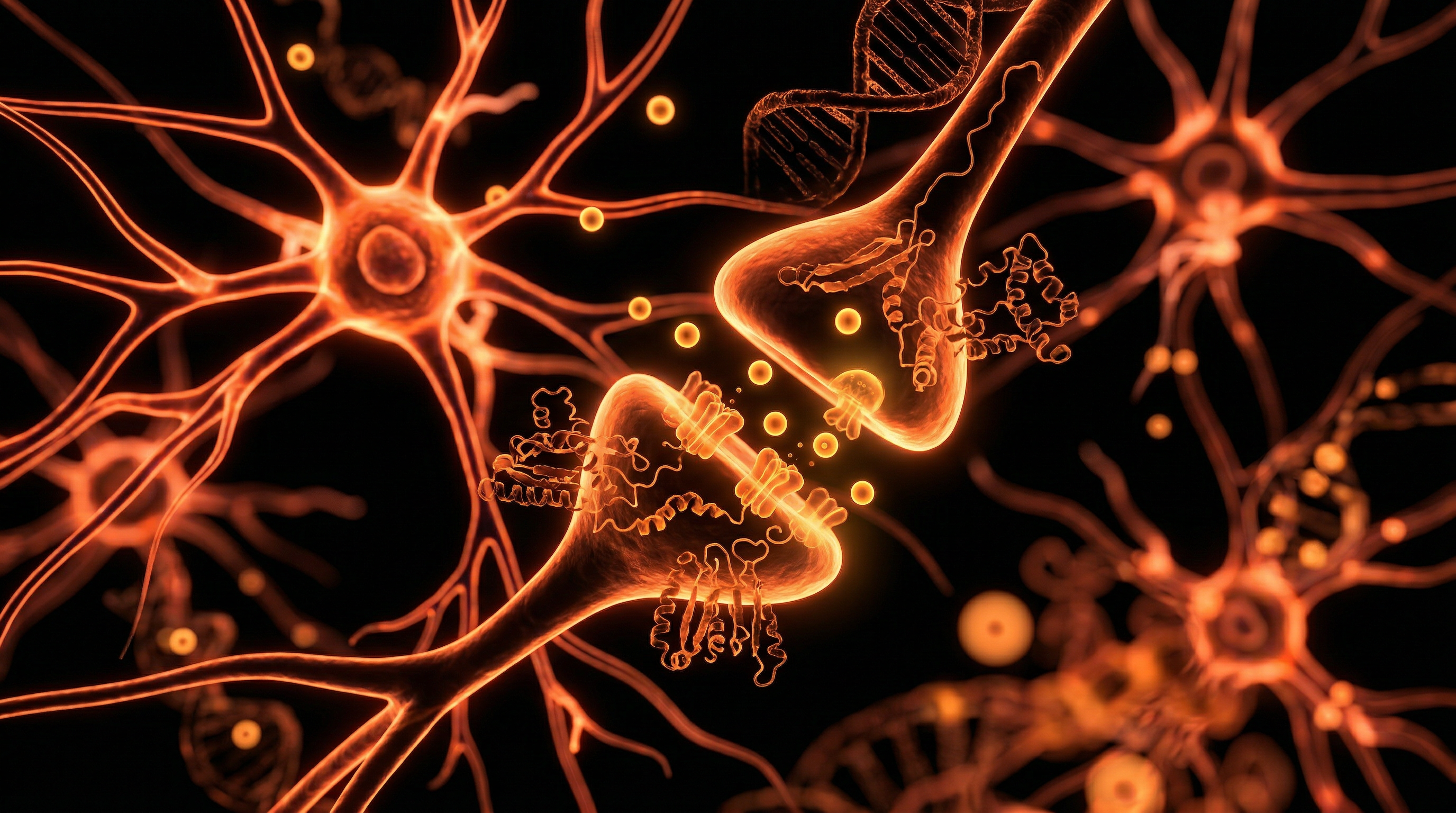
Research indicates that UK water fluoridation may interfere with hippocampal neuroplasticity and overall IQ. We examine the biological mechanisms through which fluoride impacts synaptic transmission.
Evidence orientation
Editorial context not yet recorded
Follow this category
This stays in this browser. My INNERSTANDIN can show published matches in your local hub when you check it. It does not send email, push, or alert notifications.
Local learning review
A private browser aid for revisiting ideas. It is not an alert or a health recommendation.
Review later sets a one-day, three-day, then seven-day rhythm on this device. Choose it only when you want to revisit this article.
Overview
For over seven decades, the public health apparatus in the United Kingdom has maintained a singular focus regarding the addition of hexafluorosilicic acid to the municipal water supply: the prevention of dental caries. However, as our understanding of neurobiology and molecular toxicology has advanced, a more sinister reality has emerged from the peer-reviewed literature. The long-standing consensus that fluoride acts only on the enamel of teeth is being dismantled by evidence suggesting it functions as a potent developmental neurotoxin.
In the British context, approximately 5.8 million people receive artificially fluoridated water, predominantly in the West Midlands, the North East, and parts of East Anglia. While the Department of Health and Social Care continues to champion the expansion of these programmes under the Health and Care Act 2022, a growing cohort of biological researchers is sounding the alarm. The central concern is not merely the systemic accumulation of fluoride in skeletal tissue, but its ability to traverse the blood-brain barrier (BBB) and interfere with the delicate machinery of synaptic transmission and hippocampal neuroplasticity.
This article serves as a comprehensive interrogation of the biochemical pathways through which fluoride exposure correlates with diminished cognitive performance and structural alterations in the brain. We examine the "silent pandemic" of neurodevelopmental impairment and the mechanisms by which this halogenated compound disrupts the very essence of human intelligence.
Key Fact: Recent meta-analyses, including those conducted by the National Toxicology Program (NTP), have identified a consistent association between higher fluoride exposure and lower IQ in children, with no discernible "safe" threshold for neurotoxicity.
The Biology — How It Works
To understand the impact of fluoride on the brain, we must first examine its systemic journey. Unlike many larger molecules, the fluoride ion (F-) is exceptionally small and highly electronegative. When ingested via tap water, tea, or processed foods, it is rapidly absorbed through the gastrointestinal tract.
The Blood-Brain Barrier Penetration
The blood-brain barrier is a highly selective semi-permeable border of endothelial cells that prevents solutes in the circulating blood from non-selectively crossing into the central nervous system. For decades, it was erroneously claimed that the BBB effectively shielded the adult brain from fluoride. We now know that fluoride can cross the BBB through passive diffusion and by mimicking other ions in active transport systems.
In the foetal brain, the BBB is not yet fully formed, rendering the developing foetus uniquely vulnerable to maternal fluoride intake. Studies have confirmed that fluoride crosses the placenta, leading to concentrations in the foetal brain that can disrupt the critical stages of neuronal migration and differentiation.
Accumulation in the Pineal Gland
The pineal gland, located outside the blood-brain barrier, is a highly vascularised organ responsible for the synthesis of melatonin. Because the pineal gland is a calcifying tissue, it acts as a "magnet" for fluoride. Research indicates that fluoride concentrations in the pineal gland can reach several thousand parts per million (ppm), significantly higher than in bone or muscle. This accumulation interferes with the enzymatic conversion of tryptophan to melatonin, potentially disrupting circadian rhythms and the brain's innate antioxidant defences.
The Affinity for Calcium
Fluoride’s primary biological characteristic is its affinity for calcium. In the brain, this manifests as a disruption of calcium signalling, which is the fundamental language of neurons. By interfering with calcium homeostasis, fluoride disrupts the timing of neurotransmitter release, leading to "noisy" synaptic environments where signals are lost or misinterpreted.
Mechanisms at the Cellular Level
The neurotoxicity of fluoride is not the result of a single pathway but a "perfect storm" of biochemical disruptions. At the cellular level, fluoride acts as a metabolic poison, inhibiting enzymes and promoting the production of reactive oxygen species (ROS).
Mitochondrial Dysfunction and ATP Depletion
The brain is the most metabolically active organ in the body, consuming roughly 20% of the body's total energy despite making up only 2% of its mass. This energy is produced in the mitochondria in the form of Adenosine Triphosphate (ATP).
- Enzyme Inhibition: Fluoride inhibits several key enzymes in the respiratory chain, most notably cytochrome c oxidase.
- ATP Reduction: By throttling mitochondrial efficiency, fluoride reduces the available ATP required for the maintenance of ion gradients.
- Apoptosis: When mitochondria fail, they release cytochrome c into the cytosol, triggering the caspase cascade which leads to programmed cell death (apoptosis) in neurons.
G-Protein Mimicry and Signalling Interference
One of the most profound and often overlooked mechanisms is fluoride’s ability to act as a G-protein activator. In the presence of trace amounts of aluminium, fluoride forms Aluminium Fluoride (AlFx) complexes. These complexes are structurally similar to phosphate groups.
Biological Fact: AlFx complexes can "trick" G-proteins into an active state without the presence of a natural ligand (like a hormone or neurotransmitter). This causes a perpetual "on" signal, exhausting the cell's signalling capacity and leading to a state of chronic cellular stress.
Oxidative Stress and Lipid Peroxidation
The brain is particularly susceptible to oxidative stress due to its high lipid content and relatively low levels of antioxidant enzymes. Fluoride exposure has been shown to:
- Decrease levels of Glutathione (GSH), the body’s master antioxidant.
- Inhibit Superoxide Dismutase (SOD).
- Increase Malondialdehyde (MDA), a marker of lipid peroxidation.
When the fatty acids in neuronal membranes are oxidised (lipid peroxidation), the membrane loses its fluidity and integrity. This directly impairs the function of membrane-bound receptors and ion channels, effectively "gluing" the brain's communication ports shut.
Environmental Threats and Biological Disruptors
While this article focuses on fluoride, it is essential to view it within the context of the "toxic soup" of the modern British environment. Fluoride does not act in a vacuum; its effects are synergistic with other environmental stressors.
The Aluminium Synergy
As mentioned, the formation of aluminium fluoride is a critical step in neurotoxicity. The UK has a significant history of industrial aluminium use, and aluminium remains a common additive in some water treatment processes and food packaging. When fluoride and aluminium coexist in the bloodstream, the neurotoxic potential of both is exponentially increased.
Iodine Deficiency and Thyroid Interference
Fluoride is a halogen, belonging to the same chemical family as iodine. Because fluoride is more electronegative than iodine, it can competitively inhibit the uptake of iodine by the thyroid gland.
- The Hypothyroid Link: Chronic fluoride exposure is linked to subclinical hypothyroidism.
- Cognitive Impact: Thyroid hormones are essential for brain development. Even a slight reduction in maternal thyroid function during pregnancy can lead to permanent IQ deficits in the offspring. In the UK, where iodine deficiency is re-emerging as a public health issue, fluoride enrichment of water acts as a secondary stressor on the endocrine-brain axis.
Lead Mobilisation
Research has suggested that hydrofluorosilicic acid (the specific chemical used in British water fluoridation) can increase the leaching of lead from old plumbing fixtures. Lead is a well-established neurotoxin with no safe level of exposure. The combination of lead and fluoride represents a dual-assault on the developing prefrontal cortex.
The Cascade: From Exposure to Disease
The progression from the molecular ingestion of fluoride to the manifestation of cognitive decline follows a predictable biological cascade. This is particularly evident in the Hippocampus, the brain's centre for learning, memory, and spatial navigation.
Interference with Long-Term Potentiation (LTP)
LTP is the process by which synaptic connections are strengthened through frequent activation. It is the cellular basis of memory. Fluoride interferes with LTP by:
- Inhibiting the NMDA receptor function.
- Disrupting the CaMKII signalling pathway, which is essential for "locking in" synaptic strength.
- Reducing the expression of Brain-Derived Neurotrophic Factor (BDNF).
The BDNF Suppression
BDNF is often described as "Miracle-Gro" for the brain. It supports the survival of existing neurons and encourages the growth and differentiation of new neurons and synapses.
Scientific Finding: Fluoride exposure has been shown to significantly downregulate the expression of BDNF in the hippocampus. This leads to a reduction in neurogenesis—the birth of new neurons—effectively halting the brain's ability to rewire itself (neuroplasticity).
Glial Activation and Neuroinflammation
Neurons are supported by microglia, the brain's resident immune cells. Fluoride triggers an inflammatory response in microglia, causing them to release pro-inflammatory cytokines such as TNF-alpha and Interleukin-1 beta. Chronic neuroinflammation is a hallmark of neurodegenerative diseases, including Alzheimer’s and Parkinson’s. By keeping the brain in a state of low-grade inflammation, fluoride accelerates the "biological ageing" of the central nervous system.
What the Mainstream Narrative Omits
The debate over water fluoridation in the United Kingdom is often presented as a settled scientific matter, with those raising concerns dismissed as "anti-science." However, the mainstream narrative conveniently omits several critical data points that challenge the safety profile of the practice.
The Suppression of the NTP Report
One of the most significant pieces of evidence in recent years is the National Toxicology Program (NTP) monograph on fluoride's neurotoxicity. The report, which underwent multiple rounds of rigorous peer review, concluded that fluoride is "presumed to be a cognitive neurodevelopmental hazard to humans." In the United States, internal emails revealed that high-level health officials attempted to block the release of this report. In the UK, this report is rarely mentioned in public health consultations.
The Fallacy of the "Optimal Dose"
The "optimal" level of fluoride in British water is set at 1.0 mg/L (ppm). This target was established based on the prevention of dental fluorosis, not on the prevention of neurotoxicity. Furthermore, this "dose" does not account for:
- Total Intake: People consume different amounts of water. A manual labourer or an athlete will ingest far more fluoride than a sedentary office worker.
- Individual Sensitivity: Genetic polymorphisms (such as variants in the SOD2 or COMT genes) can make certain individuals significantly more susceptible to fluoride toxicity.
- The "U-Shaped" Response Curve: Many biological agents have a non-linear effect. The assumption that "low doses are always safe" is being challenged by the concept of endocrine disruption, where even minute concentrations can trigger profound biological changes.
Dental Fluorosis as a Biomarker
Mainstream health bodies often describe dental fluorosis (mottling of the enamel) as a "cosmetic issue." Biologically, this is a dangerous oversimplification. Dental fluorosis is a visible sign that an individual was over-exposed to fluoride during the period of tooth development. If fluoride concentrations were high enough to disrupt the mineralisation of enamel, it is biologically plausible—and empirically supported—that they were high enough to disrupt the mineralisation of the skeleton and the development of the brain.
The UK Context
The United Kingdom occupies a unique position in the global fluoridation map. Unlike most of Western Europe (97% of which does not fluoridate its water), the UK government is actively seeking to expand the programme.
The Health and Care Act 2022
The passing of the Health and Care Act 2022 shifted the power to mandate water fluoridation from local authorities to the Secretary of State for Health and Social Care. This move centralises the decision-making process, making it harder for local communities to opt-out based on health concerns or a lack of informed consent.
The "Tea Factor"
A uniquely British variable in the fluoride equation is the high consumption of tea. The Camellia sinensis plant is a known hyper-accumulator of fluoride from the soil.
- Standard Tea Bags: Many inexpensive black teas contain high levels of fluoride, often exceeding 3–4 mg/L when brewed.
- Cumulative Burden: A British citizen living in a fluoridated area like Birmingham, who drinks 4-5 cups of tea a day, may be ingesting a daily dose of fluoride that rivals levels seen in areas of endemic skeletal fluorosis in India or China.
Socioeconomic Disparities
The argument for fluoridation is often framed as a "social justice" issue, intended to improve the dental health of the poorest children. However, these same children are often more vulnerable to fluoride’s neurotoxic effects due to:
- Nutritional Deficiencies: Lack of calcium, magnesium, and iodine increases fluoride absorption and toxicity.
- Co-exposure to Toxins: Poor housing may increase exposure to lead and damp-related moulds, which synergise with fluoride-induced neuroinflammation.
- Lack of Filtration: Wealthier households can afford expensive reverse osmosis systems to remove fluoride; lower-income families cannot.
Protective Measures and Recovery Protocols
For those living in fluoridated areas of the UK, the objective is two-fold: reducing further exposure and supporting the brain's innate repair mechanisms (neuroplasticity).
1. Water Filtration
Standard carbon filters (like the common jug filters) do not remove fluoride. To effectively eliminate the fluoride ion, one must use:
- Reverse Osmosis (RO): The gold standard for fluoride removal.
- Activated Alumina: Specific filters designed to bind fluoride.
- Distillation: Highly effective but energy-intensive.
2. Nutritional Antagonists
Certain nutrients can help the body sequester and excrete fluoride or mitigate its damage:
- Magnesium: Magnesium competes with fluoride for absorption. Fluoride-magnesium complexes are less likely to cross the BBB.
- Selenium: A potent antioxidant that helps maintain the glutathione system, protecting the brain from fluoride-induced oxidative stress.
- Iodine: Ensuring adequate iodine intake (through kelp or high-quality supplements) prevents fluoride from displacing iodine in the thyroid.
- Boron: Known to aid in the excretion of fluoride via the urine. Boron is found in raisins, almonds, and avocados.
3. Enhancing Neuroplasticity
To counter the "rewiring" interference caused by fluoride, one must actively stimulate BDNF and synaptic growth:
- Physical Exercise: Aerobic exercise is the most potent natural stimulus for BDNF production.
- Curcumin: The active compound in turmeric has been shown in animal studies to protect the hippocampus from fluoride-induced neurotoxicity by reducing oxidative markers.
- Intermittent Fasting: Triggers autophagy and the production of neuroprotective proteins.
4. Avoiding "Hidden" Fluoride
- Processed Foods: Often made with fluoridated water (e.g., reconstituted fruit juices, sodas, canned soups).
- Teflon Cookware: Overheated non-stick pans can release perfluorinated compounds.
- Pharmaceuticals: Many psychiatric medications (like Prozac) and antibiotics (like Ciprofloxacin) are fluorinated, adding to the systemic load.
Summary: Key Takeaways
The issue of water fluoridation in the United Kingdom is a complex intersection of public health policy, molecular biology, and ethics. As a senior biological researcher, the evidence leads to several inescapable conclusions:
- Neurotoxic Potential: Fluoride is not a "tooth-only" nutrient; it is a chemically active ion that penetrates the central nervous system, where it acts as a developmental neurotoxin.
- Synaptic Interference: By mimicking phosphate groups and disrupting calcium signalling, fluoride interferes with the basic communication between neurons, leading to reduced IQ and impaired learning.
- Hippocampal Damage: Fluoride suppresses the expression of BDNF, the primary driver of neuroplasticity, effectively limiting the brain's ability to heal and adapt.
- The UK Risk: The combination of fluoridated tap water, high tea consumption, and recent legislative changes places the British population at a unique risk for "subclinical" neurodevelopmental impairment.
- Informed Consent: The delivery of a pharmacologically active substance via the public water supply, without an individual's ability to control the dose or provide consent, remains a fundamental breach of medical ethics, especially in light of emerging neurotoxicological data.
The mainstream narrative of "safe and effective" is increasingly decoupled from the cutting-edge science of Neuroplasticity & Brain Rewiring. It is time for a transparent, evidence-based re-evaluation of British water policy to protect the cognitive capital of future generations.
Final Statistic: A 2019 study published in JAMA Pediatrics found that for every 1 mg/L increase in fluoride in a mother's urine, there was a corresponding 4.5-point decrease in the IQ scores of her male children. In the context of the UK, where millions are exposed to these levels, the cumulative impact on national intelligence is staggering.
This article is provided for informational and educational purposes only. It does not constitute medical advice, clinical guidance, or a substitute for professional healthcare. Information reflects cited research at time of publication. Always consult a qualified healthcare professional before acting on any health information.
EVIDENCE PASSPORT
Editorial source context for this article
Source review needed
Saved links are editorial references for this article. They may support specific claims rather than every sentence. Open and assess each source in context. This passport does not independently verify them.
Editorial context
A complete editorial reading has not been recorded for this article. Source links remain available for you to open and assess directly.
Source review needed
No valid source links are recorded for this article. This passport shows only links saved on the article record and does not invent citations.
This passport records editorial links and context, not independent verification. Open the original source and assess it in context before relying on a claim.
Medical Disclaimer
The information in this article is for educational purposes only and does not constitute medical advice, diagnosis, or treatment. Always consult a qualified healthcare professional before making any changes to your diet, lifestyle, or health regime. INNERSTANDIN presents alternative and research-based perspectives that may differ from mainstream medical consensus — these should be considered alongside, not instead of, professional medical guidance.
Read Full DisclaimerContinue the thread
Keep this question moving.
Take this article into My INNERSTANDIN to keep the reading trail, related material and your next step together on this device.
Explore this in the Body Map
See where this hits your biology. Interactive anatomy, threats, and protective protocols.
Dig deeper in the Library
Free, longform PDF volumes that go beyond headlines into mechanisms and references.