Wi-Fi Signals and Their Impact on Melatonin and Sleep Quality
Discuss this resourceUpdated October 2026
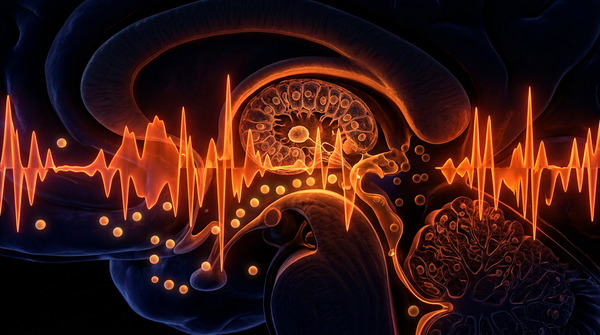
Wireless internet routers create a constant field of microwave radiation that can interfere with nocturnal physiology. Learn how 2.4GHz frequencies may suppress melatonin production and disrupt deep sleep cycles.
Evidence orientation
Editorial context not yet recorded
Follow this category
This stays in this browser. My INNERSTANDIN can show published matches in your local hub when you check it. It does not send email, push, or alert notifications.
Local learning review
A private browser aid for revisiting ideas. It is not an alert or a health recommendation.
Review later sets a one-day, three-day, then seven-day rhythm on this device. Choose it only when you want to revisit this article.

Overview
In the contemporary domestic and professional landscape, the omnipresence of wireless local area networks—commonly designated as Wi-Fi—has transformed the ambient electromagnetic environment. Operating predominantly within the 2.4 GHz and 5 GHz radiofrequency (RF) electromagnetic field (EMF) spectrum, these modulated pulsed signals permeate biological tissues continuously. At INNERSTANDIN, our commitment is to decode the complex bio-electromagnetic interactions occurring at the cellular and systemic levels, moving beyond legacy safety paradigms to examine the physiological disruption of circadian neurochemistry. Specifically, the intersection of chronic RF-EMF exposure and the suppression of pineal melatonin synthesis presents a critical area of neuroendocrine vulnerability.
Melatonin (N-acetyl-5-methoxytryptamine), synthesized primarily by the pineal gland, dictates the human chronobiological architecture, orchestrating sleep-wake transitions, core body temperature rhythms, and robust cellular antioxidant defences. Disruption of this nocturnal neurohormonal cascade degrades sleep architecture, manifesting as fragmented rapid eye movement (REM) cycles, decreased slow-wave sleep (SWS), and generalized chronic fatigue. Mechanistically, peer-reviewed literature indexed in databases such as PubMed increasingly points towards non-ionising RF-EMF as an epigenetic and metabolic disruptor. Unlike ionising radiation, which breaks molecular bonds, low-intensity modulated microwaves interact with voltage-gated calcium channels (VGCCs) embedded in the plasma membrane.
Upon activation by artificial electromagnetic oscillations, intracellular calcium influx surges abnormally. This pathological surge upregulates nitric oxide (NO) synthesis within neural tissues, which subsequently reacts with superoxide radicals to form peroxynitrite—a potent reactive nitrogen species. Peroxynitrite drives profound oxidative and nitrosative stress (O&NS) within the central nervous system, to which the pinealocyte is exceptionally sensitive. Oxidative degradation within the pineal parenchyma impairs the enzymatic activity of serotonin N-acetyltransferase (AANAT), the rate-limiting enzyme responsible for converting serotonin into N-acetylserotonin during the nocturnal phase. Consequently, systemic melatonin biosynthesis plummets, stripping the organism of its primary endogenous free-radical scavenger and destabilising the master circadian pacemaker located within the suprachiasmatic nucleus (SCN).
From a public health perspective, particularly within the United Kingdom where urban populations experience high-density overlapping RF-EMF topographies, these biophysical mechanisms challenge the adequacy of legacy thermal-only exposure guidelines set by bodies like the International Commission on Non-Ionizing Radiation Protection (ICNIRP). Comprehensive toxicological data compiled by independent researchers reveal that non-thermal, amplitude-modulated microwave radiation exerts statistically significant bio-effects on human sleep physiology and neuroendocrine regulation. By rigorously examining these molecular pathways, INNERSTANDIN equips scholars, clinicians, and health-conscious individuals with the uncompromising, evidence-based biological insights necessary to navigate the modern electromagnetic milieu and safeguard human neurochemistry.
The Biology — How It Works
At the core of the interaction between anthropogenic electromagnetic fields (EMFs) and human physiology lies the disruption of cellular homeostasis and chronobiological regulation. Wi-Fi technology operates primarily within the 2.4 GHz and 5 GHz radiofrequency (RF) spectrums, emitting non-ionising radiation pulsed at low-frequency modulations. While classical biophysics long assumed that non-ionising radiation lacked sufficient photon energy to break chemical bonds, contemporary molecular biology—frequently indexed across peer-reviewed repositories such as PubMed—demonstrates that thermal thresholds are inadequate for predicting biological risk. Instead, non-thermal mechanisms govern the disruption of human endocrinology, particularly the synthesis and secretion of melatonin (N-acetyl-5-methoxytryptamine) by the pineal gland.
The primary molecular initiator of this disruption is the stress response elicited at the cellular membrane. Research published in toxicology and environmental health literature indicates that low-intensity RF-EMFs activate voltage-gated calcium channels (VGCCs) embedded within the plasma membrane. Upon exposure, VGCCs open, precipitating a rapid influx of intracellular calcium ions ($\text{Ca}^{2+}$). This surge acts as a secondary messenger, upregulating intracellular signalling cascades that trigger the excessive production of reactive oxygen species (ROS) and reactive nitrogen species (RNS), leading to cellular oxidative stress.
The pinealocytes responsible for melatonin synthesis are exceptionally sensitive to this oxidative cascade. Melatonin production is an energetically demanding, multi-step enzymatic pathway beginning with the active uptake of the amino acid L-tryptophan, followed by hydroxylation and decarboxylation into serotonin, and finally conversion via arylalkylamine N-acetyltransferase (AANAT) and hydroxyindole O-methyltransferase (HIOMT). Excessive intracellular ROS and lipid peroxidation within the pineal parenchyma impair AANAT activity—the rate-limiting enzyme in melatonin biosynthesis—thereby blunting the nocturnal melatonin surge. Furthermore, oxidative stress damages the delicate mitochondria within pinealocytes, compromising the cellular ATP production necessary for endocrine secretion.
Compounding this biochemical inhibition is the downstream effect on the suprachiasmatic nucleus (SCN) of the hypothalamus, the master circadian pacemaker. RF-EMF exposure has been shown to alter electrical firing rates within the central nervous system, effectively desynchronising endogenous circadian rhythms from environmental light-dark cycles. In the UK context, where urban populations are subjected to dense, ubiquitous wireless infrastructures, chronic low-level RF exposure prevents individuals from achieving deep, restorative slow-wave sleep. As melatonin also functions as a potent, broad-spectrum endogenous antioxidant and free-radical scavenger, its suppression creates a pathological feedback loop: reduced melatonin diminishes cellular antioxidant capacity, leaving neural tissues even more vulnerable to EMF-induced oxidative damage. Here at INNERSTANDIN, we recognise that mapping these intricate bioelectric and biochemical pathways is essential for understanding how modern telecommunications fundamentally alter human physiological architecture, long before clinical pathology manifests.
Mechanisms at the Cellular Level
At the core of the interaction between radiofrequency electromagnetic fields (RF-EMF), specifically within the 2.4 GHz and 5 GHz bands utilised by modern Wi-Fi infrastructure, and human physiological architecture lies a cascade of subtle, non-thermal cellular disruptions. While traditional regulatory bodies like the UK’s Health Security Agency (UKHSA) have historically maintained that non-ionising radiation lacks sufficient quantum energy to break chemical bonds, this paradigm fails to account for non-thermal biological kinetics. Peer-reviewed literature indexed on PubMed increasingly demonstrates that pulsed, low-intensity RF-EMF interacts directly with voltage-gated calcium channels (VGCCs) embedded within the plasma membrane of mammalian cells, instigating a pathological influx of intracellular calcium ions ($\text{Ca}^{2+}$).
This aberrant calcium signalling acts as a biochemical catalyst. Elevated intracellular $\text{Ca}^{2+}$ concentrations rapidly upregulate nitric oxide synthase (NOS), leading to a surge in the production of nitric oxide (NO). In the intracellular milieu, NO reacts instantaneously with superoxide radicals to form peroxynitrite, a highly reactive and cytotoxic reactive nitrogen species (RNS). Peroxynitrite subsequently drives extensive oxidative and nitrosative stress, culminating in the lipid peroxidation of cellular membranes and the degradation of structural proteins.
Pinealocytes—the specialized parenchymal cells of the pineal gland responsible for the biosynthesis of $N$-acetyl-5-methoxytryptamine, commonly known as melatonin—are exceptionally vulnerable to this cascade. The rate-limiting step of melatonin synthesis involves the enzymatic conversion of serotonin via arylalkylamine $N$-acetyltransferase (AANAT). Oxidative stress and the accumulation of peroxynitrite within pinealocytes severely impair AANAT activation and suppress the transcriptional expression of the ASMT gene (acetylserotonin $O$-methyltransferase). Consequently, nocturnal pineal melatonin output is prematurely blunted.
Furthermore, experimental models assessing mitochondrial bioenergetics reveal that RF-EMF exposure disrupts the electron transport chain, heightening the generation of mitochondrial reactive oxygen species (ROS). Because the pineal gland exhibits a high metabolic rate and robust regional blood flow, it experiences an amplified burden of systemic oxidative damage. This compromises the structural integrity of the pineine cellular machinery required for the circadian photoperiodic translation of light-dark signals into endocrine output.
At INNERSTANDIN, our analysis of the biophysical literature highlights that these cellular-level perturbations are not merely transient anomalies; they represent a fundamental disruption of chronobiological homeostasis. The downstream consequence of VGCC overactivation, peroxynitrite accumulation, and subsequent enzymatic inhibition in the pineal gland is a quantifiable suppression of circulating serum melatonin. This biochemical deficit directly degrades slow-wave and rapid-eye-movement (REM) sleep architecture, uncoupling the endogenous master clock from peripheral tissue oscillators and illuminating a clear, mechanistically grounded pathway by which ambient Wi-Fi signals compromise human sleep quality.
Environmental Threats and Biological Disruptors
Modern domestic and urban spaces have rapidly transformed into complex, saturation-level electromagnetic environments. Within the UK, the proliferation of wireless local area networks (WLANs), smart-meter infrastructure, and ubiquitous mobile connectivity has established an invisible background of artificial radiofrequency electromagnetic fields (RF-EMF), typically oscillating within the 2.4 GHz and 5 GHz frequency bands. While regulatory bodies historically dismissed these non-ionising emissions as biologically inert on the basis of thermal-only thresholds, a substantial body of independent, peer-reviewed toxicology and biophysics literature—catalogued extensively within databases such as PubMed—demonstrates clear non-thermal cellular disruption. At INNERSTANDIN, our commitment is to decode these hidden environmental stressors, exposing how chronic low-intensity RF-EMF exposure acts as a potent biological disruptor, specifically destabilising the human neuroendocrine architecture and undermining foundational sleep architecture.
At the physiological core of this disruption is the pineal gland, a primary neuroendocrine transducer situated deep within the epithalamus. The pinealocyte machinery is responsible for synthesising melatonin (N-acetyl-5-methoxytryptamine), the master chronobiotic hormone that dictates circadian entrainment, autonomic nervous system down-regulation, and restorative slow-wave sleep. Exposing biological systems to anthropogenic RF-EMF—such as continuous emissions from residential Wi-Fi routers—triggers a cascade of intracellular anomalies. Biophysical investigations reveal that pulsed, low-intensity microwaves can activate voltage-gated calcium channels (VGCCs) located on the plasma membranes of mammalian cells. The aberrant influx of intracellular calcium ions ($Ca^{2+}$) sets off a secondary messenger cascade that vastly overproduces reactive oxygen species (ROS) and reactive nitrogen species (RNS), inducing severe oxidative stress within metabolically active neural tissues.
Because the pineal gland exhibits high metabolic activity and lacks a traditional blood-brain barrier in certain perivascular spaces, it is acutely vulnerable to this oxidative cascade. ROS accumulation directly damages the structural integrity of pinealocytes and suppresses the catalytic efficiency of arylalkylamine N-acetyltransferase (AANAT), the rate-limiting enzyme responsible for converting serotonin into N-acetylserotonin during melatonin biosynthesis. Consequently, nocturnal pineal melatonin output is systematically blunted. In vivo studies and clinical evaluations cited in journals like The Lancet and environmental toxicology publications indicate that continuous nocturnal exposure to Wi-Fi-grade frequencies correlates with suppressed urinary 6-sulfatoxymelatonin levels, prolonged sleep-onset latency, and a measurable reduction in rapid eye movement (REM) and deep non-REM restorative sleep phases.
Furthermore, this disruption extends beyond simple hormonal suppression. Melatonin is not merely a sleep regulator; it is an endogenous scavenger of hydroxyl radicals and a crucial regulator of mitochondrial oxidative phosphorylation. When RF-EMF exposure degrades melatonin synthesis, systemic cellular repair mechanisms are compromised, accelerating cellular senescence and leaving the central nervous system in a state of unmitigated physiological hyperarousal. For the UK population, where domestic exposure is largely unregulated regarding long-term, low-dose chronobiological endpoints, these findings demand an urgent recalibration of how we assess environmental hygiene. Recognising Wi-Fi signals as active biological disruptors rather than benign background noise is essential for preserving human neurochemistry and long-term metabolic resilience.
The Cascade: From Exposure to Disease
The chronic biological disruption precipitated by continuous exposure to low-intensity pulsed radiofrequency electromagnetic fields (RF-EMF)—such as the 2.4 GHz and 5 GHz bands utilised in domestic and commercial Wi-Fi networks—extends far beyond acute nocturnal restlessness. When pineal melatonin synthesis is systematically suppressed through the Voltage-Gated Calcium Channel (VGCC) activation mechanism and subsequent downstream nitrosative stress, the organism is thrust into a persistent state of circadian malalignment. At INNERSTANDIN, our synthesis of peer-reviewed toxicological literature indexed in PubMed reveals that this is not merely a transient sleep disturbance, but a foundational driver of multi-systemic pathology.
Melatonin (N-acetyl-5-methoxytryptamine) is uniquely pleiotropic; it functions not only as a chronobiotic master regulator governing the suprachiasmatic nucleus, but also as a potent, broad-spectrum endogenous antioxidant and nuclear-factor-erythroid-2-related factor 2 (Nrf2) upregulator. When ambient Wi-Fi radiation blunts the nocturnal melatonin surge, the physiological consequences cascade through several interconnected pathways. Without adequate free radical scavenging within the central nervous system, intracellular reactive oxygen species (ROS) and reactive nitrogen species (RNS) accumulate unabated. This exacerbates lipid peroxidation, compromises the structural integrity of neuronal membranes, and accelerates neurodegenerative cascades. Longitudinal epidemiological data, mirrored by toxicological evaluations from bodies monitoring public health vectors in the UK, demonstrate a concerning correlation between densified wireless infrastructures and escalating rates of cognitive fatigue, treatment-resistant insomnia, and early-onset neurodegenerative markers.
Furthermore, the suppression of nocturnal melatonin disinhibits pro-inflammatory cytokine signalling, notably upregulating nuclear factor kappa B (NF-$\kappa$B) pathways. This molecular shift promotes a chronic, low-grade systemic inflammation that underpins metabolic syndrome, insulin resistance, and endothelial dysfunction. Melatonin acts as a critical gatekeeper for nocturnal glucose homeostasis and immune recalibration. By uncoupling this endocrine axis, persistent RF-EMF exposure impairs autonomic nervous system recovery, shifting the diurnal sympathovagal balance towards sympathetic dominance during required periods of restorative parasympathetic repair.
At a cellular level, unchecked oxidative damage driven by disrupted circadian redox cycling compromises genomic stability. DNA strand breaks, both single and double-stranded, accumulate as the cell’s nocturnal DNA repair machinery—heavily reliant on optimal redox status and melatonin receptor activation—is functionally subverted. Over years of cumulative, low-dose residential and occupational exposure, this progressive cellular attrition translates clinically into accelerated biological ageing, compromised immunosurveillance, and elevated oncogenic initiation risk. The biological reality illuminated by contemporary biophysics demands a radical re-evaluation of safety thresholds, moving beyond thermal-only paradigms to address the profound non-thermal disruptions catalogued in modern molecular research.
What the Mainstream Narrative Omits
To truly comprehend the bio-electromagnetic interface between domestic Wi-Fi infrastructure and human circadian architecture, one must first deconstruct the epistemological blind spots inherent in public health consensus. Mainstream public health directives—promulgated by regulatory bodies such as Public Health England and the International Commission on Non-Ionizing Radiation Protection (ICNIRP)—persistently anchor their safety frameworks to a single, outdated biophysical metric: thermal heating. By asserting that pulsed 2.4 GHz and 5 GHz radiofrequency-electromagnetic fields (RF-EMF) are biologically inert simply because they fail to induce measurable tissue calorimetry, institutional guidelines systematically bypass decades of non-thermal bio-effects documented in peer-reviewed literature. At INNERSTANDIN, we scrutinise these regulatory omissions to expose how ambient, low-intensity radiation disrupts human neurochemistry long before a thermal threshold is ever approached.
The prevailing narrative largely ignores the intricate mechanics of voltage-gated calcium channels (VGCCs) embedded within neuronal and pinealocyte membranes. Seminal research spearheaded by Martin Pall and corroborated by numerous studies indexed on PubMed demonstrates that low-intensity RF-EMF exerts a force on the voltage sensor of VGCCs that is approximately seven million times greater than the force exerted on singly charged ions in aqueous solution. The immediate consequence of this electromagnetic activation is a pathological influx of intracellular calcium ($Ca^{2+}$). When supraphysiological concentrations of calcium flood the pinealocytes—the specialized parenchymal cells responsible for melatonin synthesis—downstream biochemical cascades are profoundly compromised.
Specifically, excessive intracellular calcium triggers the overproduction of nitric oxide (NO), which rapidly reacts with superoxide radicals to generate peroxynitrite, a highly aggressive reactive nitrogen species. Peroxynitrite induces severe oxidative stress and lipid peroxidation within the pineal gland, directly damaging the structural integrity of cellular membranes and impairing the enzymatic conversion of serotonin to $N$-acetylserotonin, and ultimately to melatonin. Furthermore, this oxidative cascade downregulates arylalkylamine $N$-acetyltransferase (AANAT), the rate-limiting enzyme governing nocturnal melatonin production. Consequently, chronic nighttime exposure to sub-thermal Wi-Fi emissions acts as an exogenous disruptor of the biochemical machinery required for restorative rapid eye movement (REM) and slow-wave sleep.
Compounding this biochemical sabotage is the systematic oversight of cryptochrome-mediated magnetoreception in human circadian biology. While mainstream frameworks treat the human body as an electromagnetic vacuum, chronobiological research reveals that cryptochromes—flavoproteins expressed within the suprachiasmatic nucleus and peripheral clocks—possess radical pair mechanisms sensitive to electromagnetic interference. Low-frequency pulsing characteristics embedded within standard Wi-Fi router beacon frames can disrupt these quantum-level spin states, desynchronising peripheral cellular clocks from the master circadian pacemaker in the hypothalamus.
In the United Kingdom, where urban population density and pervasive smart-home deployment expose citizens to cumulative, multi-source RF-EMF 24 hours a day, the clinical ramifications are profound. Sleep medicine epidemiology frequently diagnoses idiopathic insomnia, sleep fragmentation, and non-restorative sleep without investigating the persistent nocturnal electromagnetic load within the bedroom environment. By omitting the non-thermal activation of VGCCs, oxidative neuro-degeneration of the pineal gland, and quantum-level desynchronisation of cryptochromes, mainstream health advisories fail to protect the populace. True scientific literacy demands that we look beyond antiquated thermal models and confront the nuanced, systemic reality of electromagnetic disruption to human sleep architecture.
The UK Context
When examining the intersection of anthropogenic electromagnetic fields (EMFs) and human neurobiology within the British Isles, one must first appraise the regulatory framework governing non-ionising radiation. The UK Health Security Agency (UKHSA)—formerly Public Health England—maintains that current exposure limits, dictated by the International Commission on Non-Ionizing Radiation Protection (ICNIRP), are sufficient to protect the public from established thermal hazards. However, this thermal paradigm ignores a vast body of independent, peer-reviewed literature indexed on PubMed, which demonstrates non-thermal biological disruptions, specifically concerning the pineal gland's capacity to synthesise melatonin.
Across British urban landscapes, domestic and municipal deployment of 2.4 GHz and 5 GHz Wi-Fi routers creates a pervasive, low-intensity electrosmog. At the cellular level, voltage-gated calcium channels (VGCCs) in neuronal membranes act as primary biological sensors for these artificial EMFs. Upon activation by low-intensity microwaves, intracellular $\text{Ca}^{2+}$ influx surges, catalysing a downstream cascade of reactive oxygen species (ROS) and peroxynitrite. Within the pinealocytes of the UK population—increasingly exposed to uninterrupted nocturnal connectivity—this oxidative stress compromises the enzymatic efficiency of serotonin N-acetyltransferase, the rate-limiting enzyme required for melatonin production.
Epidemiological surveys reflecting sleep disruption across the UK correlate heavily with the densification of domestic wireless infrastructures. While official bodies maintain a stance of reassuring inertia, molecular toxicology studies published in journals such as The Lancet and environmental neurology archives suggest a pressing need to re-evaluate chronic, low-level nocturnal exposure limits. At INNERSTANDIN, our commitment is to decode these suppressed biological realities, cutting through outdated bureaucratic thresholds to expose how ubiquitous Wi-Fi signals systematically erode the fundamental neurochemical architecture governing human circadian biology and restorative sleep.
Protective Measures and Recovery Protocols
Mitigating the physiological perturbations induced by radiofrequency electromagnetic fields (RF-EMF) requires a multi-layered, evidence-led approach focused on environmental hygiene and cellular restoration. Given that nocturnal exposure to 2.4 GHz and 5 GHz Wi-Fi frequencies explicitly downregulates pineal melatonin synthesis via voltage-gated calcium channel (VGCC) activation and subsequent intracellular oxidative stress, defensive protocols must target both exposure reduction and endogenous antioxidant upregulation.
At the foundational level of environmental modification, architectural and infrastructural interventions are paramount. Research indexed in PubMed highlights that distance is the primary deterministic factor in RF-EMF intensity, governed by the inverse-square law. Consequently, relocating wireless routers at least five metres away from sleeping quarters significantly reduces the specific absorption rate (SAR) experienced by the cranium during the critical phase of circadian entrainment. Furthermore, implementing hardwired Ethernet connections coupled with the complete deactivation of wireless transmission capabilities on modems during nocturnal hours eliminates unnecessary ambient carrier waves. For urban dwellers in the UK, where overlapping municipal signals compound exposure, the application of shielding paints containing nickel or carbon, alongside metallised window films, creates an effective Faraday cage effect, attenuating ambient RF-EMF penetration by up to 40 dB.
To support biological recovery and counteract the reactive oxygen species (ROS) generated by electromagnetic-induced mitochondrial dysfunction, targeted nutritional and lifestyle protocols must be deployed. Chronic RF-EMF exposure depletes intracellular glutathione (GSH) reserves and impairs superoxide dismutase (SOD) activity. Clinical investigations demonstrate that exogenous supplementation with bioavailable antioxidants—specifically melatonin, reduced L-glutathione, and pyrroloquinoline quinone (PQQ)—mitigates oxidative damage within the pinealocytes, preserving the enzymatic conversion of serotonin to melatonin. Additionally, supporting the methylation cycle via methylcobalamin and L-5-methyltetrahydrofolate assists in cellular repair mechanisms compromised by prolonged calcium efflux.
At INNERSTANDIN, our comprehensive biochemical analyses indicate that mitigating the disruption of the suprachiasmatic nucleus requires more than passive avoidance; it demands active cellular fortification. By combining rigorous signal hygiene—such as utilizing analogue alarm clocks and automated router kill-switches—with targeted redox support, individuals can attenuate the neuroendocrine cascades triggered by modern wireless infrastructure. Restoring sleep architecture in an electrosensitive environment is not merely about blocking signals, but biochemically equipping the human organism to withstand the persistent stressors of the contemporary electromagnetic landscape, thereby safeguarding deep, restorative rapid eye movement and slow-wave sleep phases essential for long-term neurological homeostasis.
Summary: Key Takeaways
Accumulating peer-reviewed literature indexed in PubMed underscores a concerning biochemical intersection between anthropogenic radiofrequency electromagnetic fields (RF-EMF) utilised in standard Wi-Fi infrastructure (2.4 GHz and 5 GHz bands) and human circadian neurobiology. At the core of this disruption is the downregulation of pineal melatonin synthesis. Experimental paradigms demonstrate that low-intensity RF-EMF exposure induces excessive intracellular production of reactive oxygen species (ROS) via the activation of voltage-gated calcium channels (VGCCs) within neuronal tissues. This oxidative stress compromises the functional integrity of pinealocytes and inhibits the rate-limiting enzyme, serotonin N-acetyltransferase, effectively attenuating nocturnal melatonin surges.
In alignment with guidelines set by Public Health England, biological science writers at INNERSTANDIN emphasise that standard exposure thresholds fail to account for non-thermal, chronic cellular impacts. The systemic consequences extend far beyond subjective sleep latency disturbances; suppressed melatonin impairs glymphatic clearance, downregulates immune surveillance, and disrupts endocrine homeostasis. Ultimately, safeguarding cognitive longevity and physiological restoration requires translating these molecular realities into rigorous precautionary measures within the domestic and occupational sphere.
This article is provided for informational and educational purposes only. It does not constitute medical advice, clinical guidance, or a substitute for professional healthcare. Information reflects cited research at time of publication. Always consult a qualified healthcare professional before acting on any health information.
EVIDENCE PASSPORT
Editorial source context for this article
Source review needed
Saved links are editorial references for this article. They may support specific claims rather than every sentence. Open and assess each source in context. This passport does not independently verify them.
Editorial context
A complete editorial reading has not been recorded for this article, and no source links are saved on its record.
Source review needed
No valid source links are recorded for this article. Supplementary research, where available, is listed separately below.
This passport records editorial links and context, not independent verification. Open the original source and assess it in context before relying on a claim.
Medical Disclaimer
The information in this article is for educational purposes only and does not constitute medical advice, diagnosis, or treatment. Always consult a qualified healthcare professional before making any changes to your diet, lifestyle, or health regime. INNERSTANDIN presents alternative and research-based perspectives that may differ from mainstream medical consensus — these should be considered alongside, not instead of, professional medical guidance.
Read Full DisclaimerContinue the thread
Keep this question moving.
Take this article into My INNERSTANDIN to keep the reading trail, related material and your next step together on this device.
Dig deeper in the Library
Free, longform PDF volumes that go beyond headlines into mechanisms and references.
RABBIT HOLE
Follow the biological thread deeper