
Wnt/Beta-Catenin Dysregulation: A Cellular Blueprint of Palmar Cord Formation
Discuss this resourceUpdated August 2026
An in-depth exploration of the molecular mechanisms driving Dupuytren's disease, focusing on the aberrant Wnt/beta-catenin signaling pathway and its role in myofibroblast transformation.
Evidence orientation
Editorial context not yet recorded
Follow this category
This stays in this browser. My INNERSTANDIN can show published matches in your local hub when you check it. It does not send email, push, or alert notifications.
Local learning review
A private browser aid for revisiting ideas. It is not an alert or a health recommendation.
Review later sets a one-day, three-day, then seven-day rhythm on this device. Choose it only when you want to revisit this article.
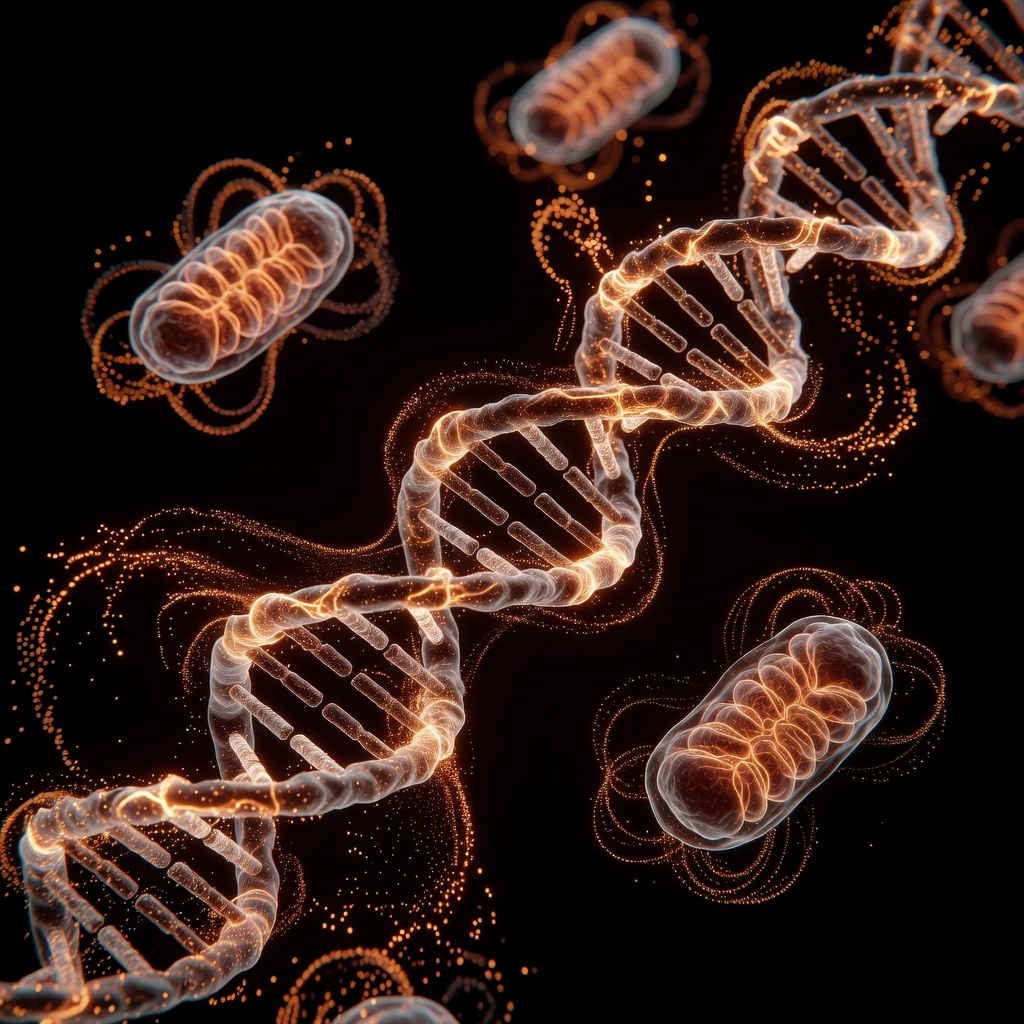
Dupuytren's Contracture is not merely a manifestation of aging or 'thickened skin'; it is a complex fibroproliferative disorder rooted in the dysregulation of cellular signaling. At the heart of this condition lies the Wnt/beta-catenin pathway—a fundamental evolutionarily conserved mechanism that governs cell fate, proliferation, and tissue regeneration.
The Role of Wnt Signaling
The Wnt pathway acts as a chemical messenger system. In healthy palmar fascia, Wnt signaling is strictly regulated to maintain homeostasis. However, in individuals predisposed to Dupuytren's, this pathway becomes hyperactivated. When Wnt ligands bind to their receptors, they stabilize beta-catenin, preventing its degradation. This protein then translocates to the cell nucleus, where it activates genes responsible for aggressive cell growth and the transition of fibroblasts into myofibroblasts.
Myofibroblasts: The Architects of the Cord
Myofibroblasts are the primary culprits in palmar cord formation. These cells express alpha-smooth muscle actin, allowing them to contract. Driven by persistent beta-catenin activation, these cells begin depositing excessive amounts of type III collagen. Unlike the organized type I collagen found in healthy fascia, this disordered matrix creates the pathological 'cords' that restrict finger movement.
The Root Cause: Epigenetics and Mechanical Stress
Why does this pathway turn on? Evidence suggests a synergy between genetic predisposition and mechanical tension. Micro-trauma to the palm triggers a wound-healing response that, in susceptible individuals, fails to terminate. The ongoing activation of Wnt/beta-catenin effectively keeps the tissue in a state of permanent 'emergency repair,' leading to the permanent contracture characteristic of the condition.
Conclusion
Understanding the Wnt/beta-catenin pathway offers a blueprint for future therapeutic interventions. By targeting the molecular inhibitors of this pathway, we may move beyond surgical release toward true disease modification.
This article is provided for informational and educational purposes only. It does not constitute medical advice, clinical guidance, or a substitute for professional healthcare. Information reflects cited research at time of publication. Always consult a qualified healthcare professional before acting on any health information.
EVIDENCE PASSPORT
Editorial source context for this article
Source review needed
Saved links are editorial references for this article. They may support specific claims rather than every sentence. Open and assess each source in context. This passport does not independently verify them.
Editorial context
A complete editorial reading has not been recorded for this article, and no source links are saved on its record.
Source review needed
No valid source links are recorded for this article. Supplementary research, where available, is listed separately below.
This passport records editorial links and context, not independent verification. Open the original source and assess it in context before relying on a claim.
Medical Disclaimer
The information in this article is for educational purposes only and does not constitute medical advice, diagnosis, or treatment. Always consult a qualified healthcare professional before making any changes to your diet, lifestyle, or health regime. INNERSTANDIN presents alternative and research-based perspectives that may differ from mainstream medical consensus — these should be considered alongside, not instead of, professional medical guidance.
Read Full DisclaimerContinue the thread
Keep this question moving.
Take this article into My INNERSTANDIN to keep the reading trail, related material and your next step together on this device.