
THE INNERSTANDIN
BODY MAP
An Educational Biology Atlas.
Built for Questions.
The Body Map brings organs, body systems, functions, signals described in the reference material, environmental context and further reading into one navigable atlas. Browse the relationships described in the records, inspect available sources and keep uncertainty in view as you decide what to explore next.
WHAT IS THE BODY MAP?
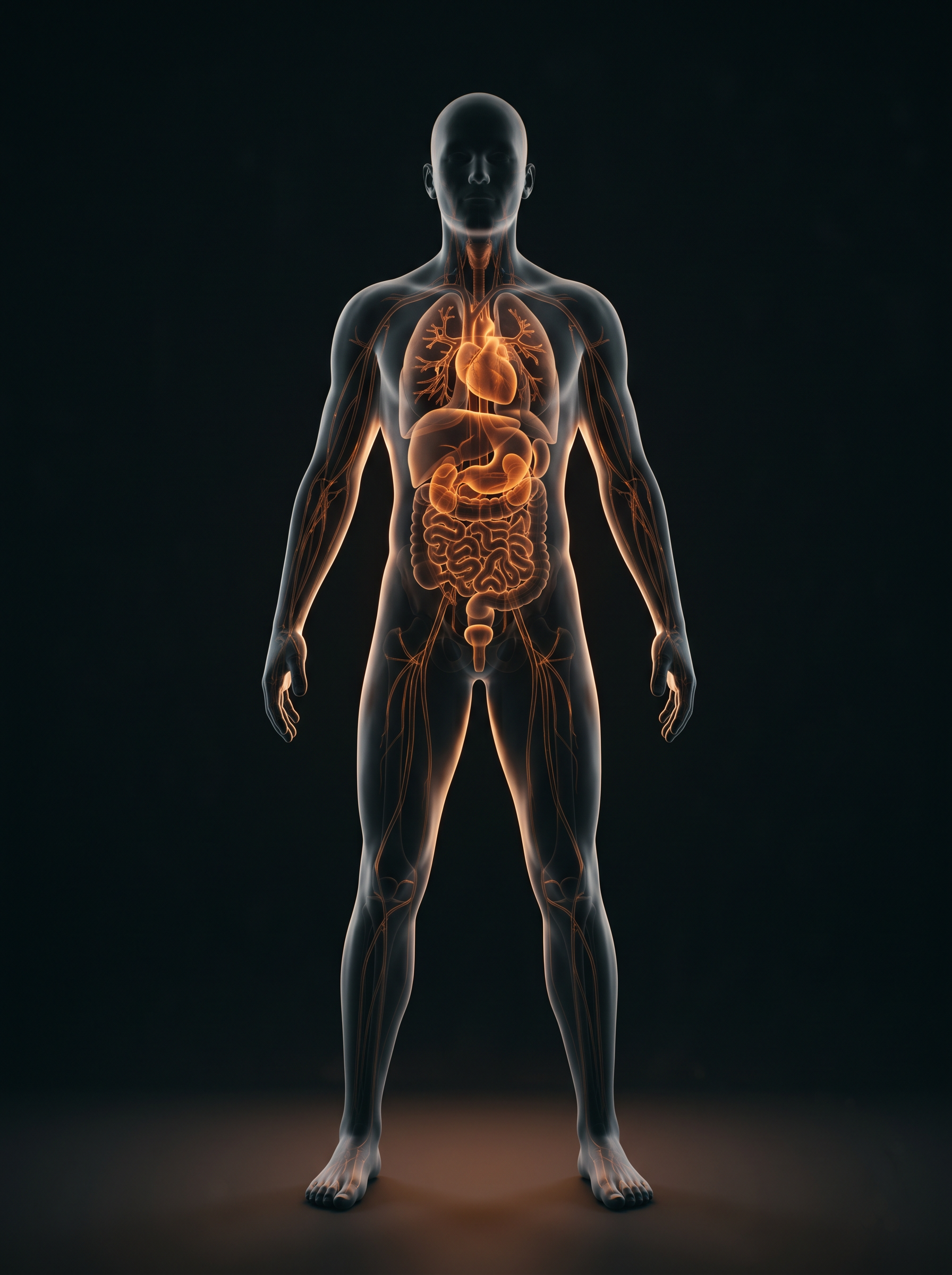
The INNERSTANDIN Body Map is an interactive educational atlas. It brings organs, body systems, functions, signals described in the reference material, environmental context and further reading into one place for browsing, source inspection and question-forming.
Choose a system, open an organ and follow the relationships described in the current records. Where source links are available, inspect them before drawing conclusions. The atlas helps you navigate public education without diagnosing, inferring an individual cause or prescribing what to do.
What an Organ Profile Can Show
Biological Function
Understand what each organ does and how it communicates with the rest of the body.
Environmental Context
Review environmental topics and public-source context attached to the organ material, with coverage limits kept in view.
Related Topics
Follow the conditions, systems and subjects that the current reference material places alongside an organ.
Signals in the Reference Material
See the symptoms or signals described in the relevant records, as a starting point for further reading.
Questions to Explore
Use the profile to shape questions for your own learning or a conversation with a qualified professional.
Further Reading
Follow available article and source links when they have been saved to the relevant record.
The 12 Body Systems Covered
Nervous
Brain, spinal cord, and the complex neural network.
Cardiovascular
The heart, blood vessels, and circulatory flow.
Endocrine
Hormone-producing glands and chemical signalling.
Digestive
Nutrient processing from the mouth to the colon.
Lymphatic
Immune defence and cellular fluid movement.
Musculoskeletal
Structure, support, and biological movement.
Reproductive
Organs and processes involved in reproduction.
Respiratory
Oxygen exchange and atmospheric filtering.
Urinary
Fluid balance and metabolic waste filtration.
Integumentary
Skin, hair, and the outer biological barrier.
Immune
The multi-organ defence system.
Sensory
Eyes, ears, and the organs of perception.
The 6 Exploration Modes
Switch between these views to browse the atlas, trace relationships in the current records, organise a question or keep a local learning note. Source links and boundaries remain part of the route.
ORGAN EXPLORER
Browse 53 organs across 12 body systems. Filter by system, search by name, condition or environmental topic, then open an organ profile.
Read the functions, signals described in the reference material, related topics and available further reading. Use it as your main route into the atlas.
HEALTH PATHWAY
A six-step educational route. Select areas you want to explore, describe symptoms in your own words, note environmental or lifestyle context and set learning priorities.
The route helps organise your inputs into a learning trail and conversation questions. It does not diagnose, establish personal cause or risk, prescribe a plan or recommend biomarkers.
SYMPTOM HUB
Record a symptom locally and browse organ or system records whose reference material mentions related signals.
The results are a starting point for reading. They are not a list of conditions and do not provide a personal explanation for what you are experiencing.
HEALTH REFERENCE
Open the reference layer organised by organ and body system. Browse the condition entries, nutrition profiles, environmental summaries and topic links currently available.
It is an index into the atlas material, not a treatment plan or a clinical recommendation.
SYSTEMS VIEWER
View relationships between the 12 body systems and select organs within the atlas.
Use the map to follow connections described in the reference material. A relationship shown in the atlas is an educational link, not evidence of an individual cause or risk.
JOURNAL & REPORT
Record local observations over time and generate a structured PDF summary of your own entries.
Use the summary as a private learning record or conversation brief. It does not turn your notes into clinical data or interpret them for you.
Who is the Body Map For?
For readers who want to question the story, follow the biology and keep their learning organised.
People with Ongoing Questions
Readers who want a clearer route into biology when a question crosses more than one organ or system.
People Navigating Mixed Information
Those comparing articles, appointments and public guidance who want to organise their reading without treating one source as the whole picture.
People Exploring Multiple Systems
Anyone learning how organs, systems and environmental context are described alongside one another in the atlas.
Conversation Preparation
People preparing for an appointment who want to gather their own observations and arrive with clearer questions.
Curious Readers
Readers who want to understand how biology is described in relation to everyday life, without turning general information into a personal conclusion.
Practitioners and Educators
Health professionals and teachers looking for a structured reference to support reading, discussion or learning.
People Building Health Literacy
Anyone who wants more confidence with biological language, sources and the limits of what a public resource can say.
The Educational Purpose
AND ITS BOUNDARY
The Body Map is an educational reference for browsing and question-forming. It does not diagnose, treat or prescribe.
It provides structured reading about organs, systems, signals described in the reference material and related topics. Source links appear where they have been saved, and the atlas should be used as a starting point for learning rather than a personal interpretation.
Preparing for a Conversation
Your own notes and the Pathway summary can help you prepare for a conversation with a qualified professional. They do not create clinical data, establish personal risk or decide which care is right for you.
Browse the Practitioners DirectoryEducational information only. INNERSTANDIN does not provide medical advice, diagnosis or treatment, establish an individual cause or risk, or replace qualified clinical care.
How to Use the Body Map
A source-aware route through the atlas
Choose a Starting View
Start with Organ Explorer to browse the atlas by system and organ. If you have a question to organise, open Health Pathway. Use Symptom Hub when a local record of a related signal helps you choose your next reading.
Select a System and Organ
Filter by one of the 12 body systems and open an organ profile. Read the functions, signals described in the reference material and related topics, then follow available reading links.
Use Topic Filters
Use the condition and environmental filters to see which organ records mention a term. This is a navigation aid across the current atlas material, not evidence of a personal link, cause or risk.
Use Health Pathway to Organise a Question
Work through the six steps at your own pace. Describe symptoms in your own words, note context and choose the areas you want to learn about. The route helps organise your questions and does not diagnose or prescribe.
Create a Conversation Brief
Save a structured PDF summary of your own journal entries or Pathway notes when that option is available. Share it if useful in a conversation with a qualified professional, remembering that it is a personal learning record rather than clinical data.
New to the Body Map? Start Here
Click Organ Explorer in the left sidebar, select the Nervous System, and open the Brain to see how an organ profile connects function, signals, related topics and further reading.
Questions & Answers
Understand the atlas, its local features and its educational boundary before you begin.
Still have a question?
Start with one organ or system, then follow the available context and source links at your own pace.
OPEN THE BODY MAPSTART WITH ONE QUESTION.
FOLLOW THE BIOLOGY.
Browse the map. Inspect the sources.
Keep the next question yours.
Browse without an account. Notes created in the current hub stay in this browser.
"Question the story. Follow the biology. INNERSTANDIN makes UK biology education easier to navigate, with sources and uncertainty kept in view."
INNERSTANDIN
Educational information only. INNERSTANDIN does not provide medical advice, diagnosis or treatment, establish an individual cause or risk, or replace qualified clinical care.