
Adrenal Glands
The adrenal glands are two pyramid-shaped organs sitting atop the kidneys that serve as the body's primary responders to stress.
This article is provided for informational and educational purposes only. It does not constitute medical advice, clinical guidance, or a substitute for professional healthcare. Information reflects cited research at time of publication. Always consult a qualified healthcare professional before acting on any health information.
The Biological Intelligence
The adrenal glands are two pyramid-shaped organs sitting atop the kidneys that serve as the body's primary responders to stress. They are composed of two distinct parts: the cortex, which produces cortisol and aldosterone, and the medulla, which produces adrenaline and noradrenaline. The HPA (Hypothalamic-Pituitary-Adrenal) axis governs the stress response; in modern environments of constant psychological and chemical stress, this axis becomes dysregulated, leading to the systemic state of exhaustion commonly called 'adrenal fatigue'.
“They are composed of two distinct parts: the cortex, which produces cortisol and aldosterone, and the medulla, which produces adrenaline and noradrenaline.
”
Vital Statistics
Environmental Threats
Chronic Psychological Stress
THREAT LEVEL: HIGHPersistent 'fight or flight' signals from the brain cause hypothalamic resistance, eventually leading to low cortisol and systemic exhaustion.
Caffeine Overuse
THREAT LEVEL: HIGHCaffeine is a direct adrenal stimulant; chronic high intake forces the glands to produce adrenaline and cortisol, eventually depleting their reserves.
Heavy Metals (Lead)
THREAT LEVEL: HIGHLead accumulates in the adrenal cortex and has been shown to disrupt steroidogenesis, the process of making hormones from cholesterol.
Sleep Deprivation
THREAT LEVEL: HIGHPoor sleep is a significant biological stressor that forces high cortisol production at night, disrupting the natural circadian rhythm of the HPA axis.
Pesticides
THREAT LEVEL: HIGHCertain agricultural chemicals act as adrenal toxins, damaging the mitochondrial enzymes required for hormone synthesis.
Pathological Connections — Linked Conditions
Warning Signals
Craving salt intensely (aldosterone insufficiency signal)
Profound fatigue that is worst between 2-4pm but improves in the evening
Dizziness on standing from a sitting position (orthostatic hypotension)
Poor stress resilience — responses disproportionate to the stressor
Difficulty waking in the morning despite adequate sleep duration
Protective Protocol
Vitamin C (adrenal cortex contains the highest concentration in the body — depleted by stress)
Pantothenic acid B5 (essential cofactor for cortisol synthesis via the mevalonate pathway)
Ashwagandha (adaptogen clinically proven to reduce cortisol and rebuild HPA axis resilience)
Licorice root (inhibits cortisol breakdown, supporting adrenal recovery)
Elimination of caffeine during recovery (caffeine stimulates adrenal catecholamine release)
Intelligence Briefing
THE ARSENAL
Based on Adrenal Glands content — products curated by our research team for educational relevance and biological support.
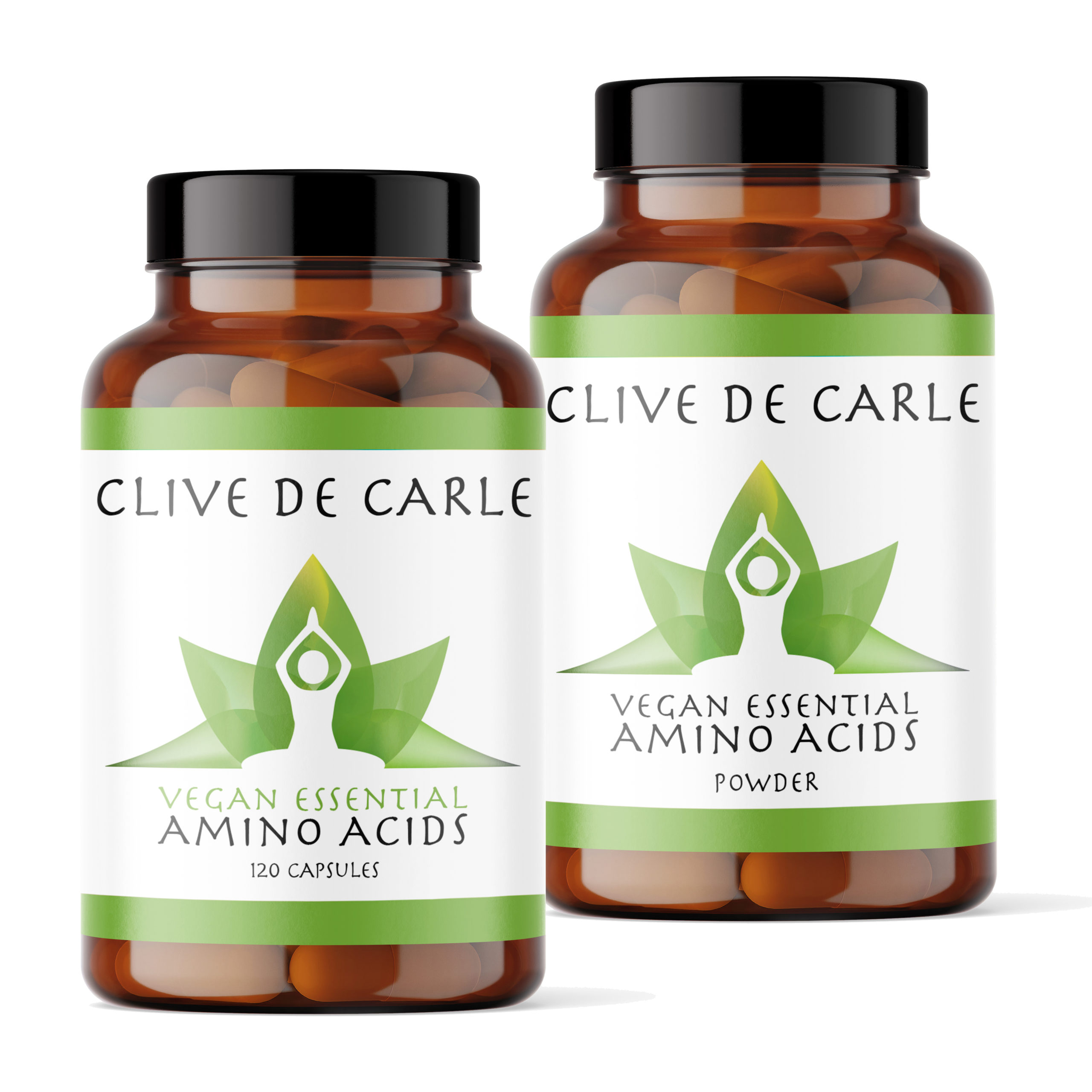
Vegan Essential Amino Acids – Plant-Powered Protein Building
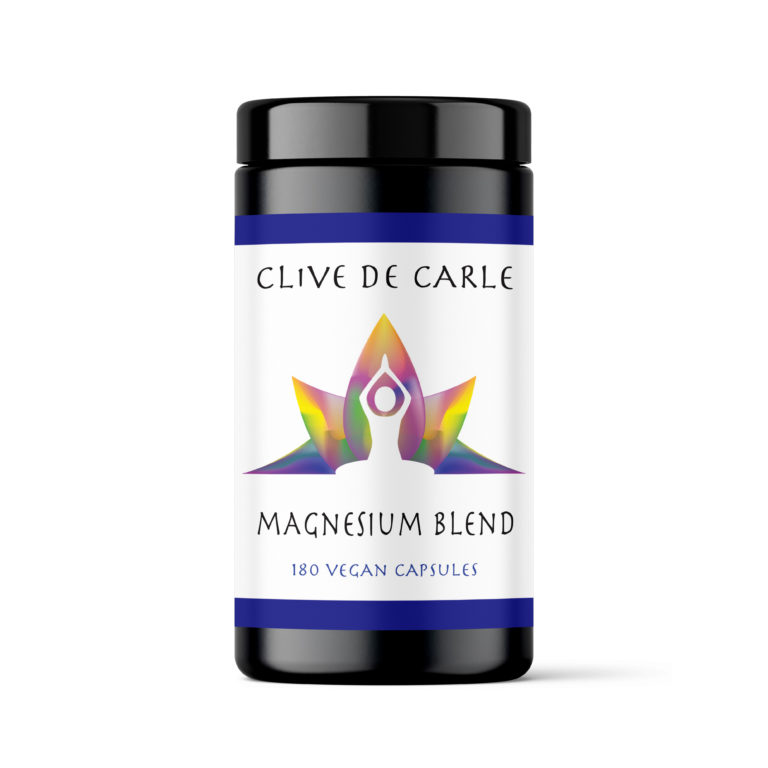
Magnesium Blend – The Most Important Mineral
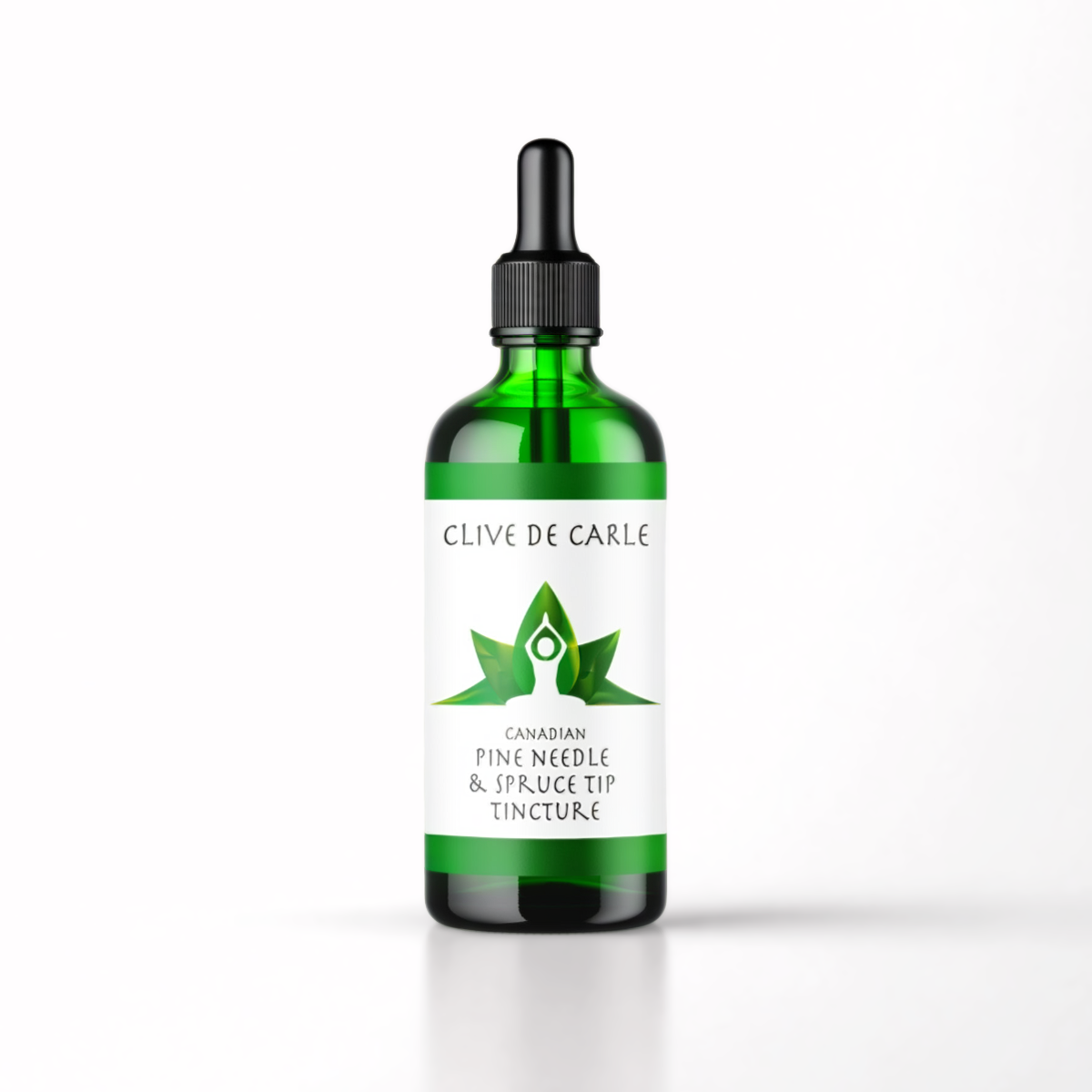
Canadian Pine Needle and Spruce Tip Tincture – Wild Harvested
INNERSTANDING may earn a commission on purchases made through these links. All products are selected based on rigorous educational relevance to our biological research.
Related Research
View All Archives →Where this organ takes you next
Every organ on the Body Map is a doorway. From adrenal glands we curate the exact science, tools, and protocols that matter — no generic links, just the biology that connects.
Read the Science
Explore Tools
Selected for adrenal glands based on 5 environmental threats, 5 warning signals, and 9 linked conditions.
Body Map
Explore this organ in the interactive anatomy atlas
Why for adrenal glands →
Health Pathway
Build a guided health pathway around this organ
Why for adrenal glands →
Curated pathway
These three tools were chosen because adrenal glands shows elevated vulnerability to chronic psychological stress and shares mechanisms with HPA Axis Dysfunction. Start with the highest, then follow the biology.
From the Arsenal
FROM THE ARSENAL
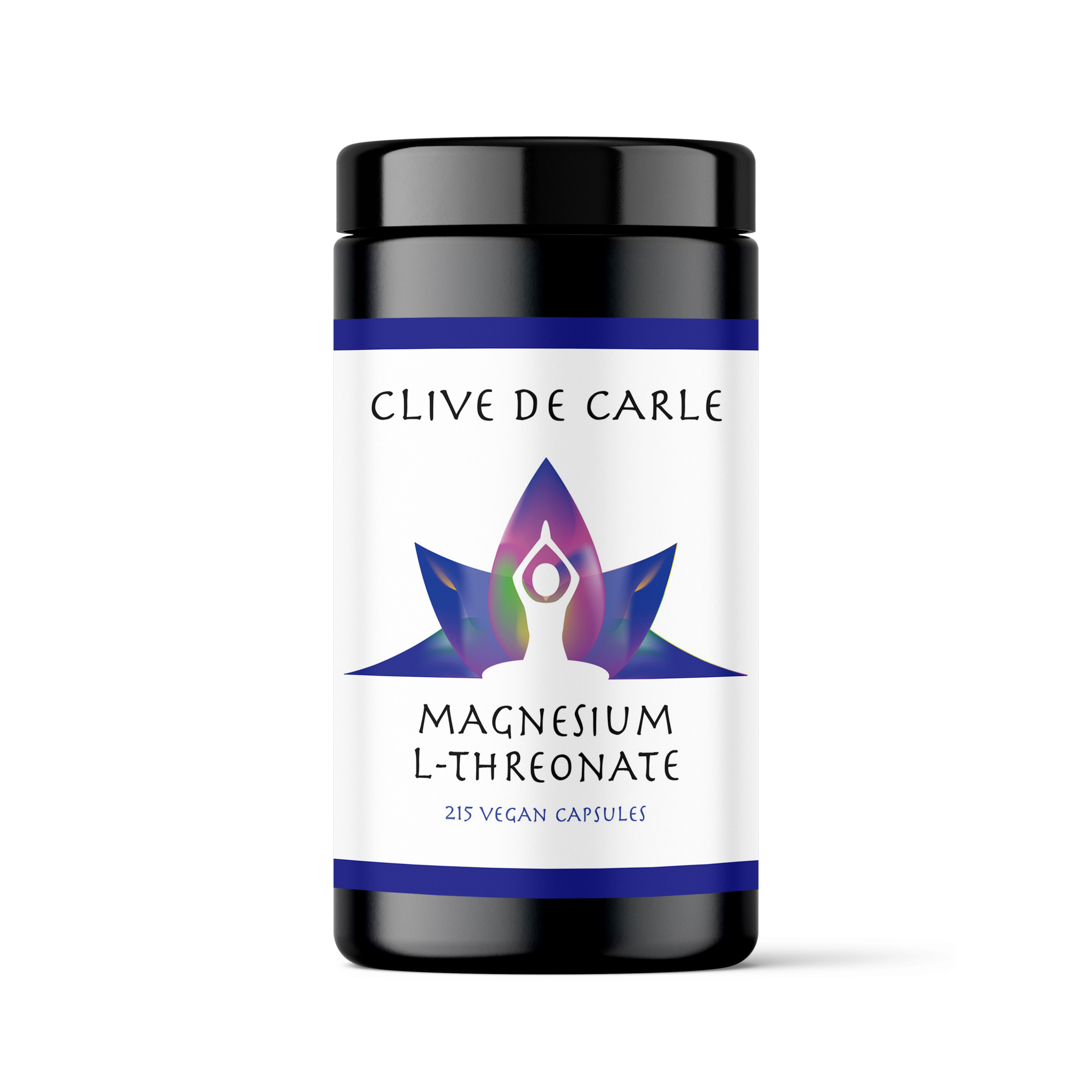
Magnesium L-Threonate
CLIVE DE CARLE
Magnesium L-Threonate is a specialized form of magnesium designed to cross the blood-brain barrier for superior cognitive and nervous system support. It helps reduce mental fatigue while promoting healthy psychological function and consistent energy levels throughout the day.
Magnesium Blend – The Most Important Mineral
CLIVE DE CARLE
A high-bioavailability mineral blend designed to support over 300 essential biochemical reactions, from energy production to muscle relaxation. This formula helps combat daily fatigue while providing the foundational support your nervous system and bones require.

Clean Slate – Detoxes thousands of chemicals,heavy metals, pesticides, allergens, mold spores and fungus
CLIVE DE CARLE
Clean Slate is a cellular-level detoxifier that targets heavy metals, pesticides, and environmental toxins to unblock your body's natural defense pathways. It helps reduce systemic inflammation and restores the nutrient absorption sites often compromised by modern toxicity.
Explore Related Organs — Endocrine System
Thyroid
The thyroid gland is a butterfly-shaped endocrine organ sitting in the neck, yet its hormonal output governs the metabolic rate of virtually every cell in the body. It synthesises T4 and T3 — iodine-containing hormones that regulate gene expression, mitochondrial function, and body temperature. The thyroid is critically dependent on adequate dietary iodine, yet iodine availability in the UK soil has declined significantly whilst fluoride — which competes directly with iodine — has been introduced into the environment.
View Deep Dive →Parathyroid Glands
The parathyroid glands are four rice-grain-sized glands embedded in the posterior thyroid that function as the body's master regulators of calcium and phosphorus. They produce parathyroid hormone (PTH), which increases blood calcium levels by stimulating bone resorption, enhancing kidney reabsorption, and activating Vitamin D to increase intestinal absorption. In the UK's low-sunlight environment, chronic Vitamin D deficiency is epidemic, which forces the parathyroid glands into a state of chronic overactivity (secondary hyperparathyroidism) to maintain blood calcium levels.
View Deep Dive →Ovaries
The ovaries are the primary female reproductive organs, responsible for the monthly release of an oocyte (egg) and the production of the steroid hormones oestrogen and progesterone. Unlike males, who produce sperm throughout life, a female is born with all the eggs she will ever have, making them uniquely vulnerable to cumulative environmental toxic exposure. In the modern environment, the ovaries are under constant assault from xenoestrogens (plastics/pesticides) that mimic oestrogen, leading to the epidemic of PCOS, endometriosis, and premature ovarian insufficiency.
View Deep Dive →Biological Integrity
is not optional
Equip yourself with the knowledge and tools required to navigate the modern environmental landscape.