
Fascia & Connective Tissue
Fascia is a continuous, three-dimensional web of collagen and elastin that envelops and connects every muscle, organ, nerve, and vessel in the body.
This article is provided for informational and educational purposes only. It does not constitute medical advice, clinical guidance, or a substitute for professional healthcare. Information reflects cited research at time of publication. Always consult a qualified healthcare professional before acting on any health information.
The Biological Intelligence
Fascia is a continuous, three-dimensional web of collagen and elastin that envelops and connects every muscle, organ, nerve, and vessel in the body. Long dismissed as 'packing material', it is now understood as a highly sophisticated sensory organ with its own nervous system and the ability to store and transmit mechanical and biophotonic signals. Fascia is 70% water and relies on 'glide' for health; chronic stress, dehydration, and sedentary postures cause it to become 'sticky' and restricted, leading to chronic pain and restricted movement.
“Long dismissed as 'packing material', it is now understood as a highly sophisticated sensory organ with its own nervous system and the ability to store and transmit mechanical and biophotonic signals.
”
Vital Statistics
Environmental Threats
Chronic Dehydration
THREAT LEVEL: HIGHFascia requires water to maintain its gel-like 'ground substance'; dehydration causes it to dry out and form painful 'adhesions'.
Sedentary Posture
THREAT LEVEL: HIGHHolding the same position for hours (like sitting at a desk) causes the fascia to 'set' in that position, leading to permanent structural imbalances.
Psychological Trauma
THREAT LEVEL: HIGHFascia can store the physical patterns of emotional stress, leading to chronic areas of tension and 'somatic' pain.
Magnesium Deficiency
THREAT LEVEL: HIGHMagnesium is required for the relaxation of the contractile cells (myofibroblasts) within the fascia; deficiency leads to chronic stiffness.
Inflammatory Diet
THREAT LEVEL: HIGHHigh sugar and seed oil intake lead to 'glycation' of the collagen fibres, making the fascia less flexible and more prone to injury.
Pathological Connections — Linked Conditions
Warning Signals
Persistent pain that moves around the body and does not fit a dermatomal pattern
Feeling of restriction or tightness that does not resolve with stretching
Muscle tension that returns immediately after massage or manual therapy
History of physical or emotional trauma preceding the onset of chronic pain
Multiple tender points — especially consistent with fibromyalgia diagnostic criteria
Protective Protocol
Vitamin C (essential cofactor for prolyl hydroxylase in collagen synthesis)
Glycine (structural amino acid making up 35% of collagen triple helix
Movement diversity (fascia requires multi-directional loading to maintain hydration and glide)
Magnesium (relaxes fascial tension via calcium-magnesium antagonism in smooth muscle)
Hyaluronic acid supplementation (maintains the water-binding capacity of the ground substance)
Intelligence Briefing
THE ARSENAL
Based on Fascia & Connective Tissue content — products curated by our research team for educational relevance and biological support.
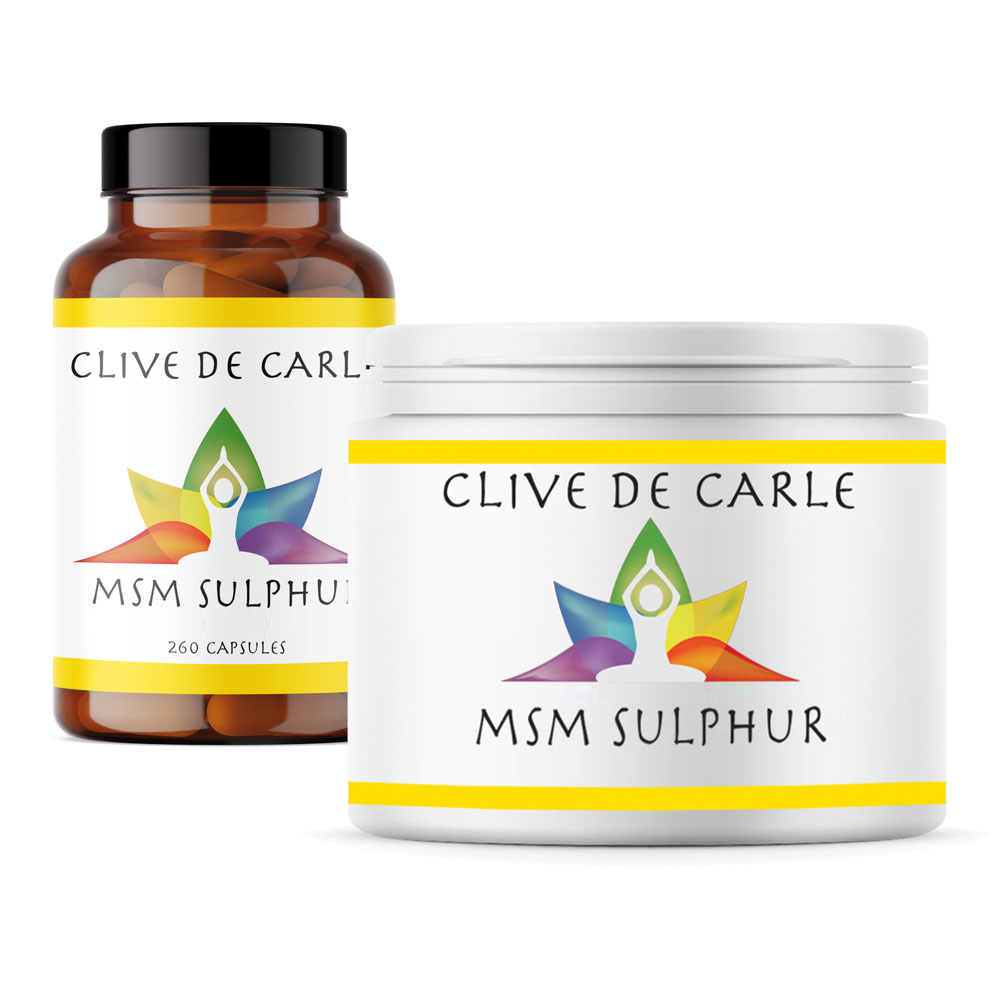
MSM Sulphur – Nature’s Forgotten Mineral
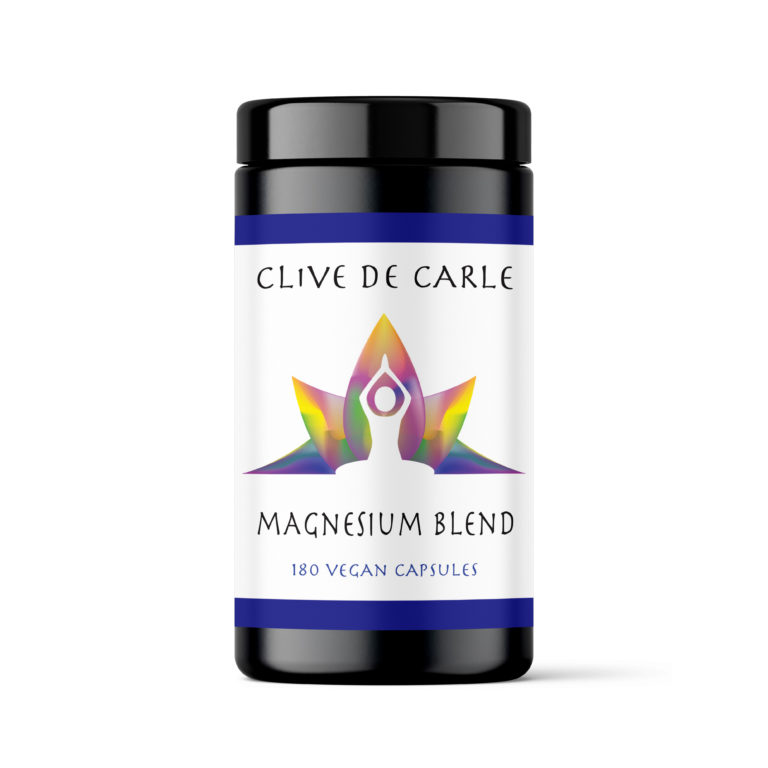
Magnesium Blend – The Most Important Mineral
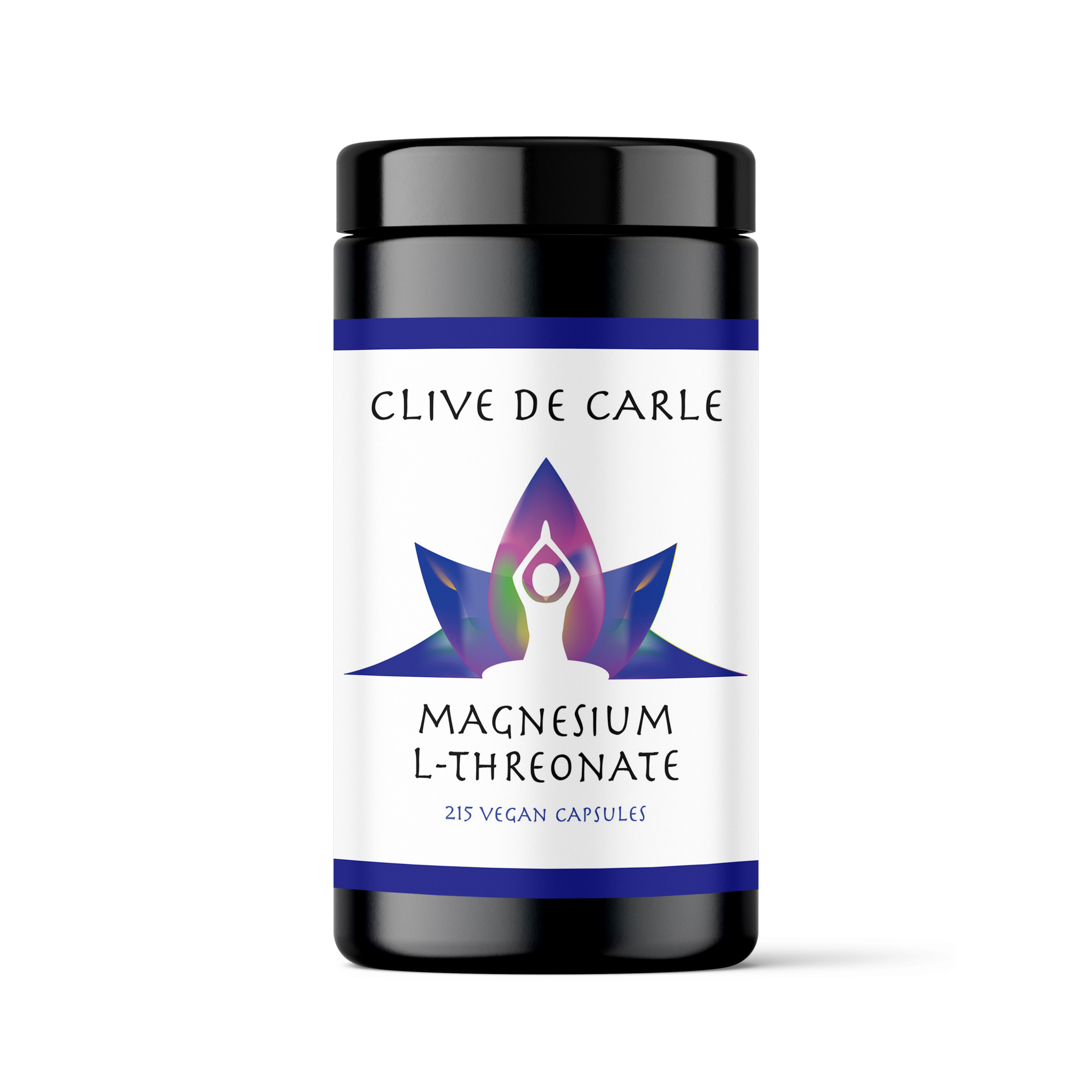
Magnesium L-Threonate
INNERSTANDING may earn a commission on purchases made through these links. All products are selected based on rigorous educational relevance to our biological research.
Related Research
View All Archives →Where this organ takes you next
Every organ on the Body Map is a doorway. From fascia & connective tissue we curate the exact science, tools, and protocols that matter — no generic links, just the biology that connects.
Explore Tools
Selected for fascia & connective tissue based on 5 environmental threats, 5 warning signals, and 8 linked conditions.
Body Map
Explore this organ in the interactive anatomy atlas
Why for fascia & connective tissue →
Health Pathway
Build a guided health pathway around this organ
Why for fascia & connective tissue →
Curated pathway
These three tools were chosen because fascia & connective tissue shows elevated vulnerability to chronic dehydration and shares mechanisms with Chronic Pain. Start with the highest, then follow the biology.
From the Arsenal
FROM THE ARSENAL
MSM Sulphur – Nature’s Forgotten Mineral
Clive De Carle
MSM Sulphur provides a high-purity, bioavailable source of a mineral that has largely vanished from modern diets due to industrial farming. It supports essential biological processes and structural health, restoring a vital nutrient your body needs to function optimally.
Magnesium Blend – The Most Important Mineral
CLIVE DE CARLE
A high-bioavailability mineral blend designed to support over 300 essential biochemical reactions, from energy production to muscle relaxation. This formula helps combat daily fatigue while providing the foundational support your nervous system and bones require.
Explore Related Organs — Musculoskeletal System
Skeleton & Bones
The human skeleton is far more than a structural scaffold; it is a living, dynamic mineral reservoir and the body's primary storage site for 99% of its calcium. Bone tissue is in a constant state of 'remodelling', where old bone is resorbed by osteoclasts and new bone is laid down by osteoblasts. Critically, bones also act as a long-term 'sink' for environmental toxins like lead and fluoride; these toxins can remain trapped in the bone matrix for decades, only to be released back into the bloodstream during periods of bone loss like pregnancy, lactation, or menopause.
View Deep Dive →Skeletal Muscle
Skeletal muscle is the body's largest organ by mass, making up 36-40% of total body weight and serving as the primary site of glucose disposal. It is a highly metabolic tissue, rich in mitochondria, and is the primary driver of systemic insulin sensitivity and thermogenesis. In the modern environment, skeletal muscle is the primary victim of sedentary lifestyles and 'myotoxic' pharmaceutical drugs like statins, which directly damage muscle mitochondria and lead to the progressive loss of strength and metabolic health.
View Deep Dive →Joints & Cartilage
Joints are the 360 points of articulation where bones meet, cushioned by the avascular and extraordinary resilient tissue of cartilage. Because cartilage lacks its own blood supply, it relies entirely on the 'sponge effect' of movement to pull in nutrients and expel waste from the surrounding synovial fluid. In the UK, osteoarthritis now affects 1 in 5 adults, driven by a combination of mechanical wear, chronic systemic inflammation from seed oils, and the accumulation of environmental toxins like fluoride that stiffen joint tissues.
View Deep Dive →Biological Integrity
is not optional
Equip yourself with the knowledge and tools required to navigate the modern environmental landscape.