
Lungs
The lungs are extraordinary organs of gas exchange, with a combined surface area of approximately 70 to 100 square metres — providing an immense interface between the external environment and the internal bloodstream.
This article is provided for informational and educational purposes only. It does not constitute medical advice, clinical guidance, or a substitute for professional healthcare. Information reflects cited research at time of publication. Always consult a qualified healthcare professional before acting on any health information.
The Biological Intelligence
The lungs are extraordinary organs of gas exchange, with a combined surface area of approximately 70 to 100 square metres — providing an immense interface between the external environment and the internal bloodstream. This vast surface area makes the lungs the primary point of entry for inhaled environmental toxins, particularly PM2.5 particulate matter which is small enough to penetrate deep into alveolar sacs. Beyond standard air pollution, the lungs are under constant assault from volatile organic compounds (VOCs) and mycotoxins from indoor mould, which trigger chronic inflammatory cascades and oxidative stress.
“This vast surface area makes the lungs the primary point of entry for inhaled environmental toxins, particularly PM2.
”
Vital Statistics
Environmental Threats
Air Pollution (PM2.5)
THREAT LEVEL: HIGHFine particulate matter from industrial and vehicular sources penetrates deep into alveolar tissue, causing chronic inflammation and DNA damage.
Mould & Mycotoxins
THREAT LEVEL: HIGHFungal spores and their toxic byproducts colonise the moist lung environment, triggering chronic inflammatory responses and suppressing pulmonary immunity.
Volatile Organic Compounds
THREAT LEVEL: HIGHOff-gassing from synthetic carpets, paints, and cleaning products causes constant chemical irritation of the delicate respiratory mucosa.
Radon Gas
THREAT LEVEL: HIGHA naturally occurring radioactive gas that accumulates in UK homes and is the second leading cause of lung cancer.
Chemtrails / Aerosols
THREAT LEVEL: HIGHMicroscopic heavy metal particles like aluminium and barium are inhaled directly into lung tissue, bypassing natural filters and entering systemic circulation.
Pathological Connections — Linked Conditions
Warning Signals
Persistent morning cough that has lasted more than 3 weeks
Breathlessness on minimal exertion that was previously tolerated
Reduced breath-holding capacity over time
Recurrent chest infections (2+ per year)
Chronic post-nasal drip and throat clearing
Protective Protocol
N-acetyl cysteine (NAC) — precursor to glutathione, the primary lung antioxidant
Vitamin D3 (deficiency dramatically increases respiratory infection susceptibility)
Quercetin (mast cell stabiliser reducing airway hypersensitivity)
Air purification (HEPA + activated carbon reduces indoor PM2.5 and VOC load)
Breathing through the nose (nasal cavity filters, humidifies and warms air before lung entry)
Intelligence Briefing
THE ARSENAL
Based on Lungs content — products curated by our research team for educational relevance and biological support.
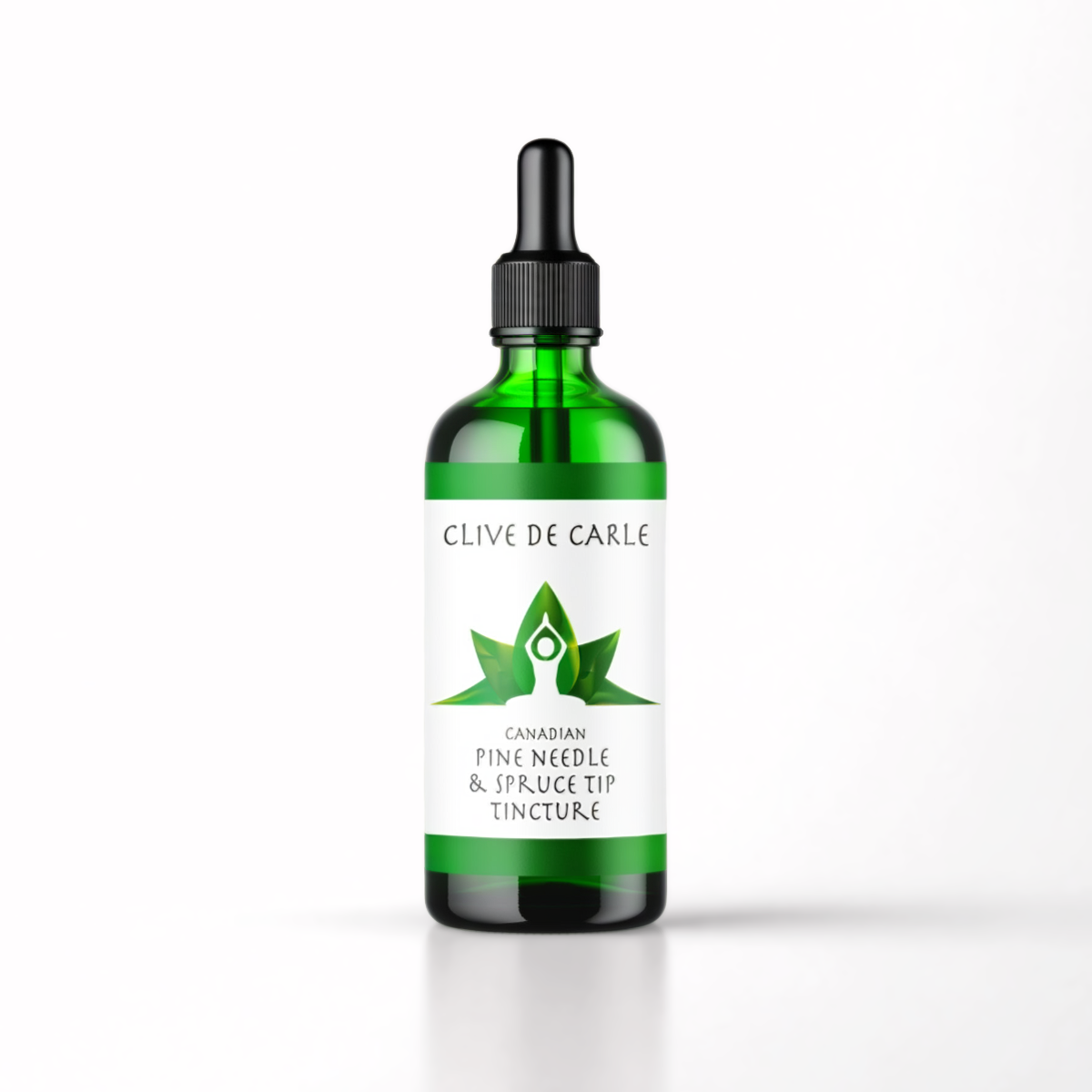
Canadian Pine Needle and Spruce Tip Tincture – Wild Harvested
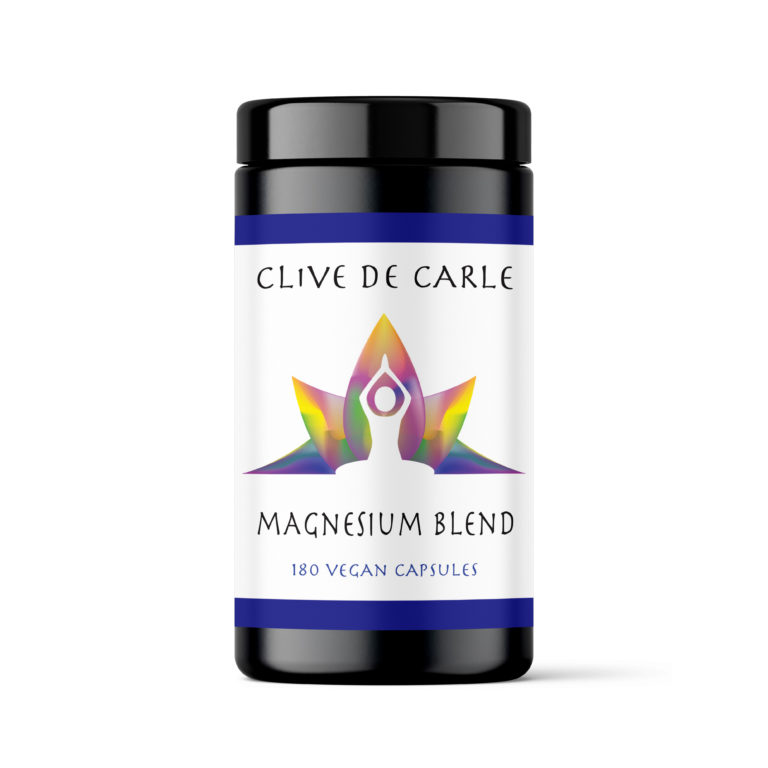
Magnesium Blend – The Most Important Mineral
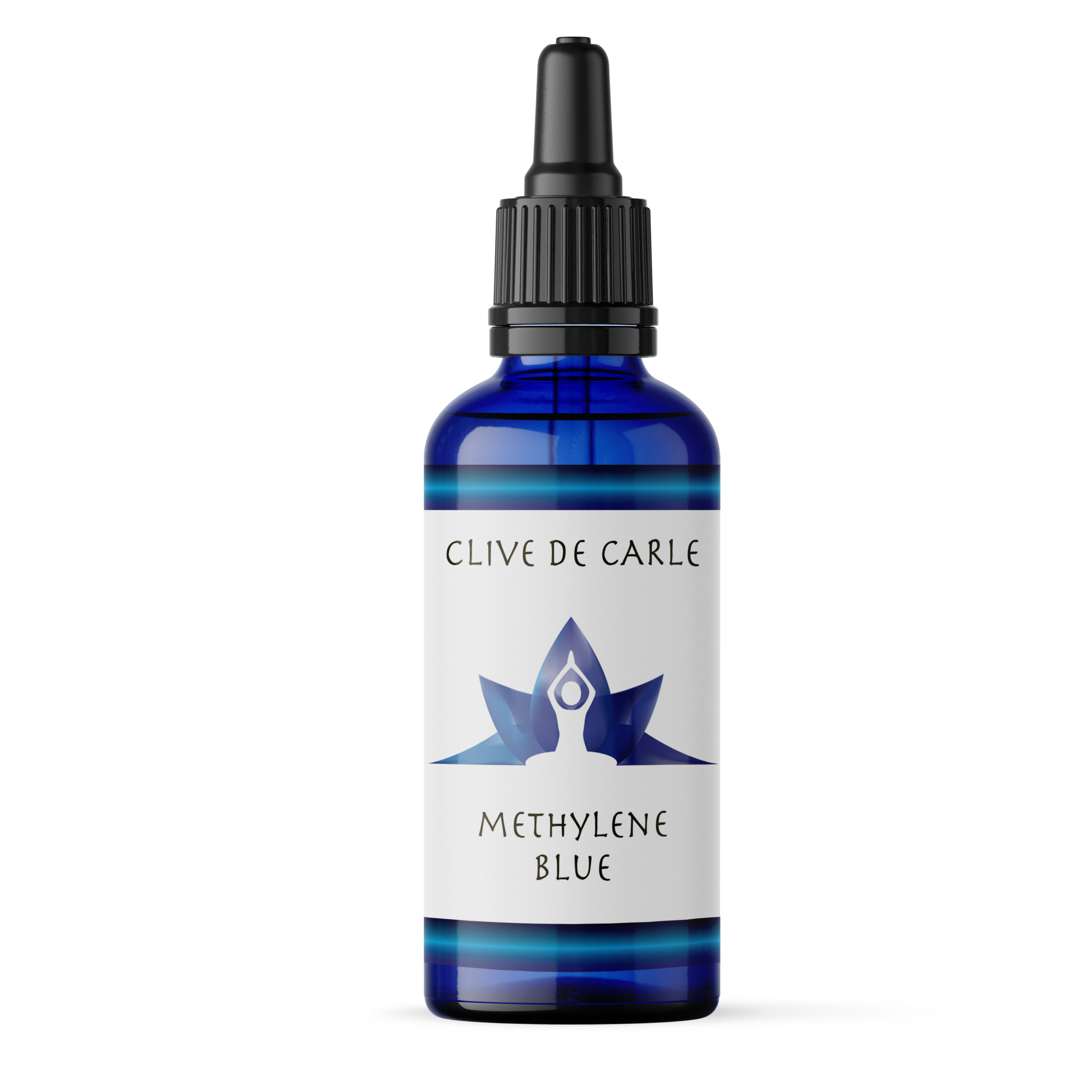
Methylene Blue – Advanced Cellular Chemistry
INNERSTANDING may earn a commission on purchases made through these links. All products are selected based on rigorous educational relevance to our biological research.
Related Research
View All Archives →Where this organ takes you next
Every organ on the Body Map is a doorway. From lungs we curate the exact science, tools, and protocols that matter — no generic links, just the biology that connects.
Explore Tools
Selected for lungs based on 5 environmental threats, 5 warning signals, and 8 linked conditions.
Body Map
Explore this organ in the interactive anatomy atlas
Why for lungs →
Health Pathway
Build a guided health pathway around this organ
Why for lungs →
Curated pathway
These three tools were chosen because lungs shows elevated vulnerability to air pollution (pm2.5) and shares mechanisms with Asthma. Start with the highest, then follow the biology.
From the Arsenal
FROM THE ARSENAL
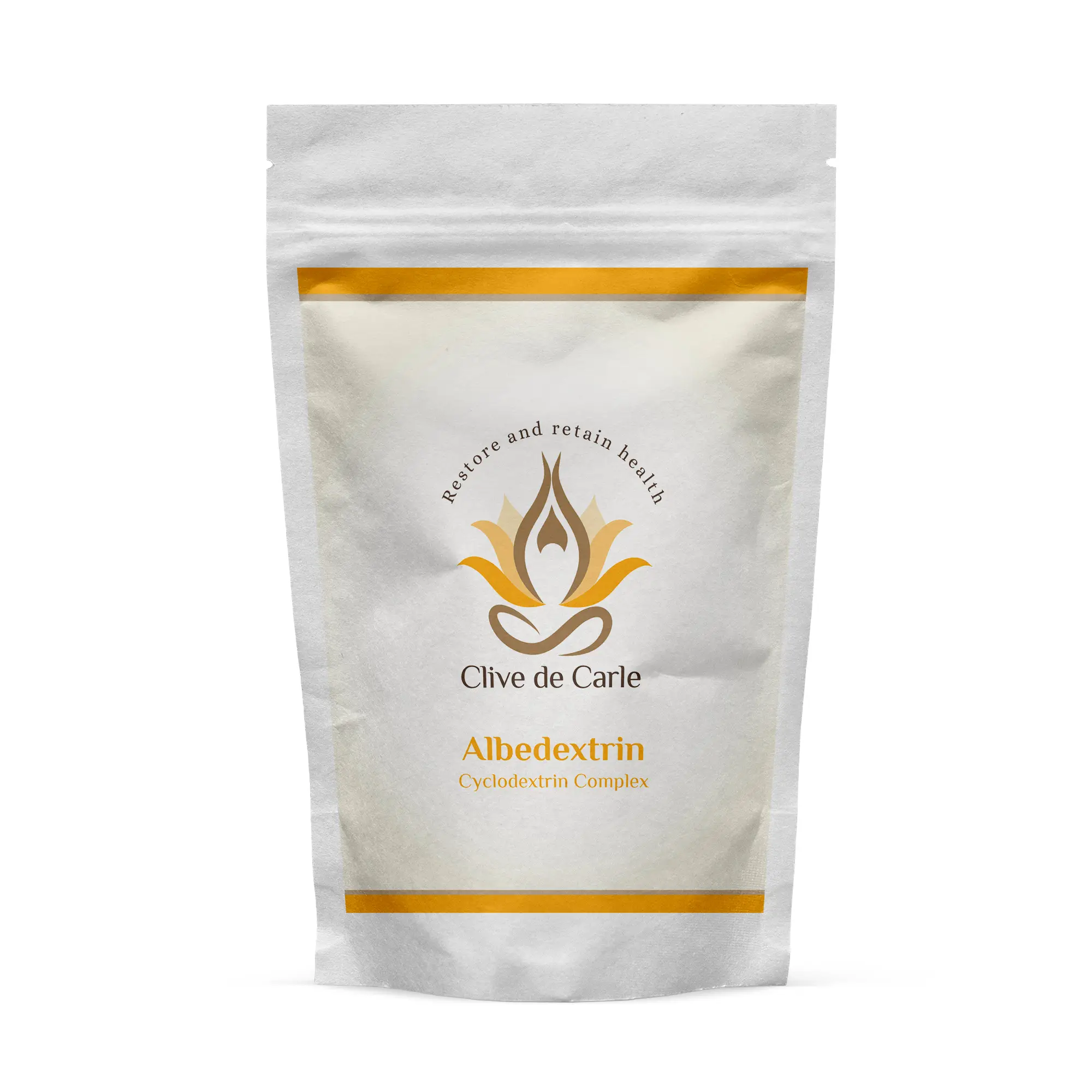
Albedextrin – Specialist Cyclodextrin Complex
CLIVEDECARLE
Albedextrin is a high-grade cyclodextrin complex designed to support systemic clarity and cellular efficiency when integrated into a structured nutritional protocol. This specialist formula offers a targeted approach to managing internal balance for those committed to deep-level health maintenance.

Glytamins Suppositories – Specialist Suppository Formula
Clive De Carle
A practitioner-strength suppository designed to support liver and gallbladder health by bypassing the digestive system for maximum absorption. This formula uses targeted amino acids and botanicals to assist the body's natural bile production and detoxification pathways.
Explore Related Organs — Respiratory System
Diaphragm
The diaphragm is the primary muscle of respiration, a dome-shaped sheet of skeletal muscle that separates the thoracic and abdominal cavities. Beyond its mechanical role in ventilation, the diaphragm acts as a vital 'pump' for the lymphatic system and a primary generator of vagal tone; with each deep contraction, it stimulates the vagus nerve and activates the parasympathetic nervous system. Modern sedentary lifestyles and chronic stress lead to 'chest breathing', where the diaphragm remains chronically contracted or weak, resulting in systemic sympathetic dominance and impaired lymphatic drainage.
View Deep Dive →Alveoli
Alveoli are the microscopic, grape-like clusters at the termination of the respiratory tree where the vital exchange of oxygen and carbon dioxide occurs. These 300 million tiny air sacs are separated from the pulmonary capillaries by a membrane only 0.2 to 0.5 micrometres thick — a barrier thin enough for gases to diffuse passively but also thin enough for ultrafine environmental nanoparticles to enter the bloodstream directly. Alveolar health depends on surfactant, a complex of phospholipids and proteins that prevents the sacs from collapsing, which is increasingly compromised by inhaled environmental pollutants.
View Deep Dive →Trachea & Bronchi
The trachea is a 10-12cm rigid yet flexible tube reinforced by 16-20 C-shaped cartilaginous rings that serves as the primary conduit for air between the larynx and the lungs. At the carina, it divides into the two primary bronchi, which further branch into the bronchial tree delivering air to every region of both lungs. The entire airway is lined with a mucociliary escalator — millions of hair-like cilia beating in coordinated waves to sweep inhaled particles and pathogens out of the lung and into the throat. This elegant defence system is paralysed within minutes by cigarette smoke and compromised by industrial air pollutants.
View Deep Dive →Biological Integrity
is not optional
Equip yourself with the knowledge and tools required to navigate the modern environmental landscape.