
Mitochondria
Mitochondria are the 'power plants' of the cell, ancient bacterial endosymbionts that now produce 90-95% of our cellular energy (ATP) via the electron transport chain.
This article is provided for informational and educational purposes only. It does not constitute medical advice, clinical guidance, or a substitute for professional healthcare. Information reflects cited research at time of publication. Always consult a qualified healthcare professional before acting on any health information.
The Biological Intelligence
Mitochondria are the 'power plants' of the cell, ancient bacterial endosymbionts that now produce 90-95% of our cellular energy (ATP) via the electron transport chain. Each human cell contains between 200 and 2,500 mitochondria depending on its energy needs, with the heart and brain being the most densely packed. Because they have their own DNA with no protective histone proteins, mitochondria are up to 1,000 times more vulnerable to oxidative damage from environmental toxins and pharmaceuticals than the rest of the cell.
“Each human cell contains between 200 and 2,500 mitochondria depending on its energy needs, with the heart and brain being the most densely packed.
”
Vital Statistics
Environmental Threats
Pharmaceutical Statins
THREAT LEVEL: HIGHStatins block the synthesis of CoQ10, a vital component of the mitochondrial electron transport chain, causing cellular energy failure.
Heavy Metals (Mercury)
THREAT LEVEL: HIGHMercury binds to the thiol groups on mitochondrial enzymes, effectively 'choking' the energy production process.
EMF Radiation
THREAT LEVEL: HIGHEMFs activate voltage-gated calcium channels, causing a calcium flood that triggers oxidative stress and damages the mitochondrial DNA.
Glyphosate
THREAT LEVEL: HIGHThis herbicide has been shown to inhibit Complex III of the electron transport chain, reducing ATP production and increasing cellular fatigue.
Industrial Seed Oils
THREAT LEVEL: HIGHThe inner mitochondrial membrane is highly sensitive to fats; omega-6 oils can lead to 'leaky' membranes and inefficient energy production.
Pathological Connections — Linked Conditions
Warning Signals
Exercise intolerance — disproportionate fatigue from effort that was previously manageable
Post-exertional malaise lasting more than 24 hours (hallmark of mitochondrial dysfunction)
Chronic fatigue that is not relieved by rest
Brain fog, poor memory, and cognitive slowness
Muscle weakness and poor physical endurance
Protective Protocol
CoQ10/Ubiquinol (essential electron carrier in the mitochondrial ETC — depleted by statins)
PQQ (pyrroloquinoline quinone — the only known compound that stimulates mitochondrial biogenesis)
Alpha lipoic acid (mitochondrial antioxidant recycling CoQ10, vitamin E, and glutathione)
Red light therapy 660-850nm (photobiomodulation directly stimulates Complex IV of the ETC)
D-ribose (5-carbon sugar that replenishes ATP in depleted mitochondria without going through glycolysis)
Intelligence Briefing
THE ARSENAL
Based on Mitochondria content — products curated by our research team for educational relevance and biological support.
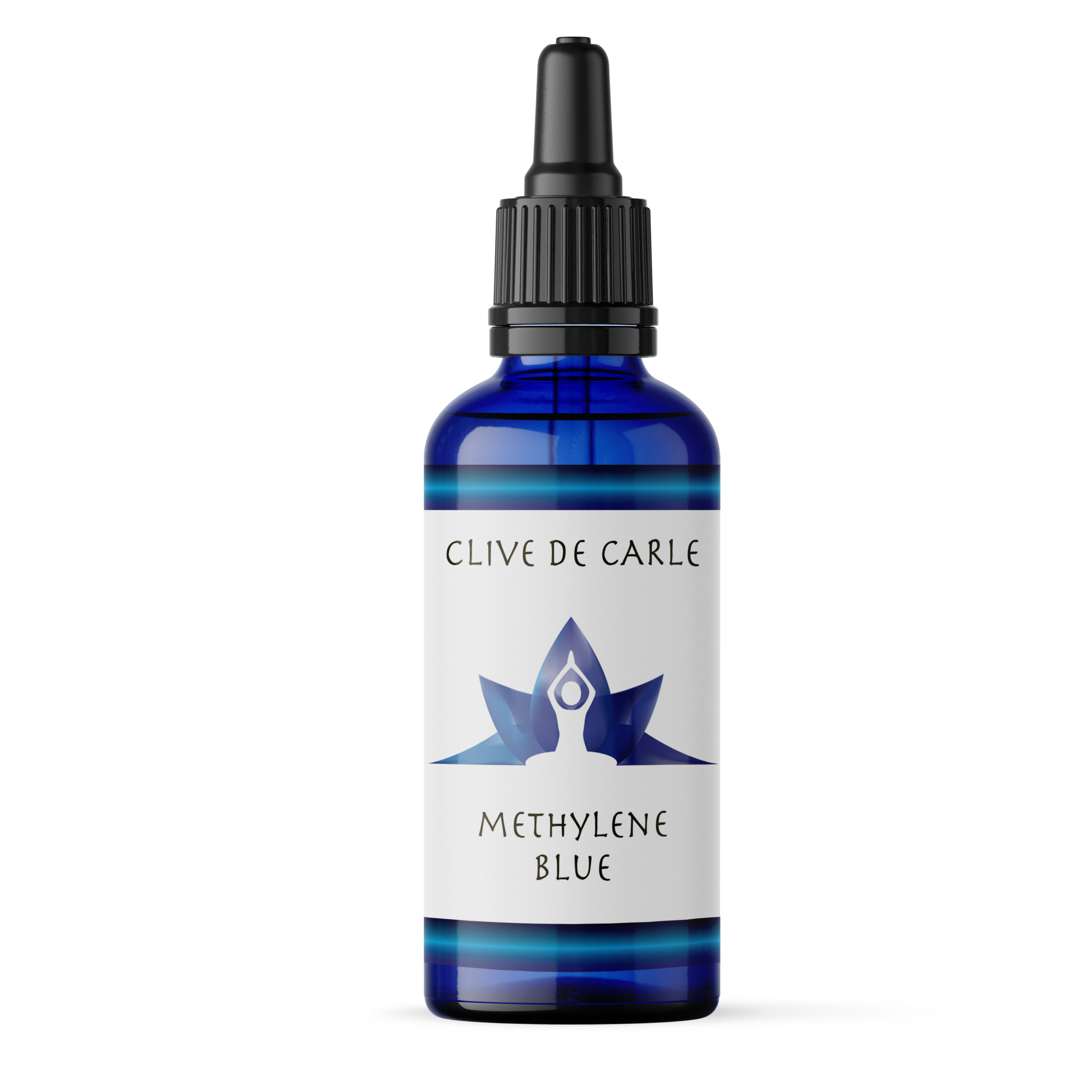
Methylene Blue – Advanced Cellular Chemistry

Fulvic Minerals – Natural Rare Earth Minerals. The essential trace elements missing from modern processed foods.
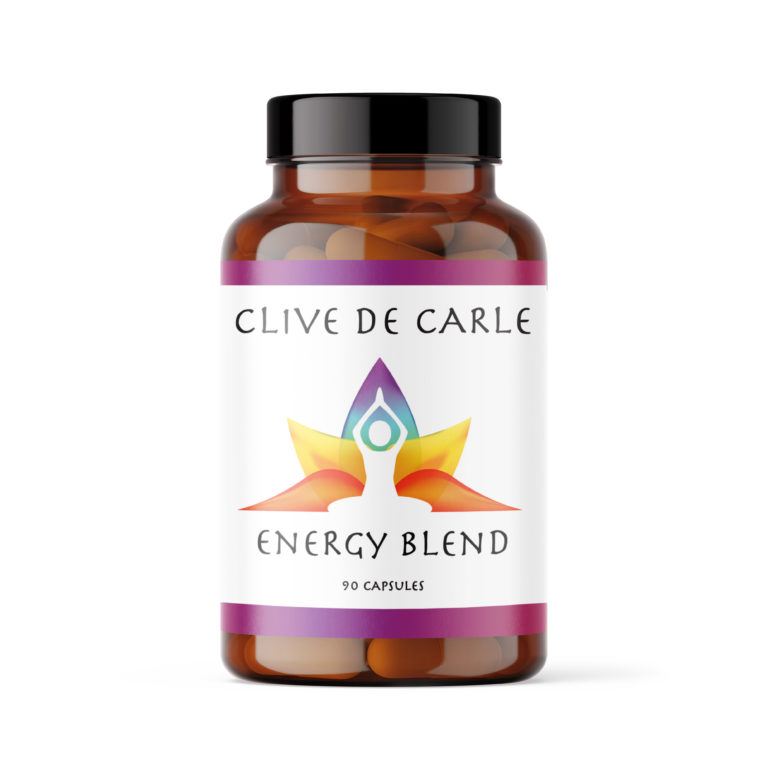
Energy Blend Supports
INNERSTANDING may earn a commission on purchases made through these links. All products are selected based on rigorous educational relevance to our biological research.
Related Research
View All Archives →Where this organ takes you next
Every organ on the Body Map is a doorway. From mitochondria we curate the exact science, tools, and protocols that matter — no generic links, just the biology that connects.
Explore Tools
Selected for mitochondria based on 5 environmental threats, 5 warning signals, and 8 linked conditions.
Body Map
Explore this organ in the interactive anatomy atlas
Why for mitochondria →
Health Pathway
Build a guided health pathway around this organ
Why for mitochondria →
Curated pathway
These three tools were chosen because mitochondria shows elevated vulnerability to pharmaceutical statins and shares mechanisms with Chronic Fatigue Syndrome. Start with the highest, then follow the biology.
From the Arsenal
FROM THE ARSENAL
Methylene Blue – Advanced Cellular Chemistry
Clive De Carle
A pharmaceutical-grade compound designed to optimise mitochondrial function and cellular energy production. This high-purity formula supports metabolic efficiency and mental clarity by acting as a powerful electron donor within your cells.
Fulvic Minerals – Natural Rare Earth Minerals. The essential trace elements missing from modern processed foods.
CLIVE DE CARLE
Restore essential trace elements missing from modern diets with this potent natural mineral complex. Derived from ancient soil deposits, these fulvic minerals provide a concentrated source of polyphenols and electrolytes to support cellular energy and nutrient absorption.

Clean Slate – Detoxes thousands of chemicals,heavy metals, pesticides, allergens, mold spores and fungus
CLIVE DE CARLE
Clean Slate is a cellular-level detoxifier that targets heavy metals, pesticides, and environmental toxins to unblock your body's natural defense pathways. It helps reduce systemic inflammation and restores the nutrient absorption sites often compromised by modern toxicity.
Explore Related Organs — Cellular Biology
Cell Membrane
The cell membrane is the phospholipid bilayer that serves as the 'brain' of the cell, controlling all communication, nutrient entry, and waste exit. Its health depends entirely on its fatty acid composition; if the diet is high in processed seed oils, the membrane becomes rigid and prone to lipid peroxidation (rancidity), which destroys receptor function. This membrane damage is the primary driver of insulin resistance, where the cell can no longer 'hear' the signal to take in glucose, leading to systemic metabolic disease.
View Deep Dive →DNA & Nucleus
The nucleus is the command centre of the cell, containing 2 metres of DNA wound into chromatin that encodes the blueprint for our entire biological existence. However, our health is determined less by our static genetic code and more by 'epigenetics' — the control of gene expression through chemical tags called methylation. Modern environmental factors — including toxins, stress, and nutrition — act as the 'switches' that turn on genes for disease or off genes for health, making epigenetic integrity the primary determinant of longevity.
View Deep Dive →Biological Integrity
is not optional
Equip yourself with the knowledge and tools required to navigate the modern environmental landscape.