
Nasal Cavity & Olfactory System
The nasal cavity is far more than a simple airway; it is the only direct neural pathway from the external environment to the brain.
This article is provided for informational and educational purposes only. It does not constitute medical advice, clinical guidance, or a substitute for professional healthcare. Information reflects cited research at time of publication. Always consult a qualified healthcare professional before acting on any health information.
The Biological Intelligence
The nasal cavity is far more than a simple airway; it is the only direct neural pathway from the external environment to the brain. The olfactory nerve axons penetrate the cribriform plate and synapse directly in the brain's olfactory bulb, providing a route for inhaled nanoparticles (including combustion-derived PM2.5 and engineered particles) to bypass the blood-brain barrier entirely. This 'nasal superhighway' makes the olfactory system a primary target for environmental toxins that contribute to neurodegenerative disease and systemic immune activation.
“The olfactory nerve axons penetrate the cribriform plate and synapse directly in the brain's olfactory bulb, providing a route for inhaled nanoparticles (including combustion-derived PM2.
”
Vital Statistics
Environmental Threats
Nanoparticles (Air Pollution)
THREAT LEVEL: HIGHParticles from diesel exhaust travel via the olfactory nerve directly into the brain, triggering chronic neuroinflammation.
Heavy Metals (Aluminium & Manganese)
THREAT LEVEL: HIGHInhaled metals accumulate in the olfactory bulb and are a significant risk factor for Alzheimer's and Parkinson's.
Nasal Sprays (Benzalkonium Chloride)
THREAT LEVEL: HIGHCommon preservatives in over-the-counter sprays can destroy the delicate nasal epithelium and the olfactory receptors.
Chronic Dry Environments
THREAT LEVEL: HIGHCentral heating and air conditioning dry out the nasal mucosa, disabling the 'mucociliary escalator' that removes trapped toxins.
Pathogens (Viral Anosmia)
THREAT LEVEL: HIGHCertain viruses target the support cells of the olfactory nerve, leading to the loss of smell seen in COVID-19 and other infections.
Pathological Connections — Linked Conditions
Warning Signals
Loss of smell (anosmia) — an early marker of neurological stress
Chronic nasal congestion alternating between nostrils
Persistent post-nasal drip causing chronic throat clearing
Recurrent nosebleeds without obvious trauma
Chemical sensitivity — strong reactions to perfumes, exhaust, or cleaning products
Protective Protocol
Zinc nasal spray (reduces viral replication in the nasal mucosa — effective for common cold duration)
Xylitol nasal rinse (reduces pathogenic biofilm in the nasal cavity)
Vitamin D3 (maintains the nasal epithelial antimicrobial peptide defensin production)
Saline nasal irrigation (clears allergens, pollutants, and biofilm from the nasal cavity)
NAC nebulised (breaks down biofilm and thins mucus in chronic sinusitis)
Intelligence Briefing
THE ARSENAL
Based on Nasal Cavity & Olfactory System content — products curated by our research team for educational relevance and biological support.
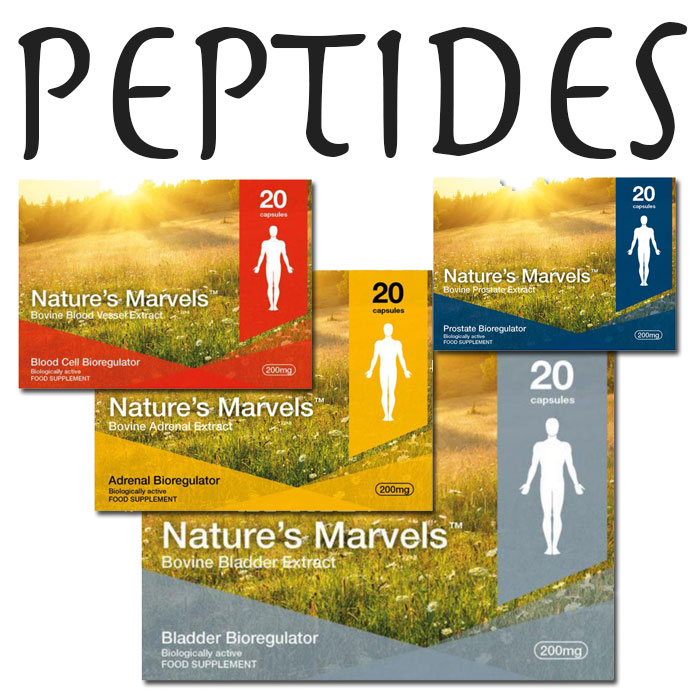
Peptides, one of the secret Russian military health marvels, now available. 40 years research
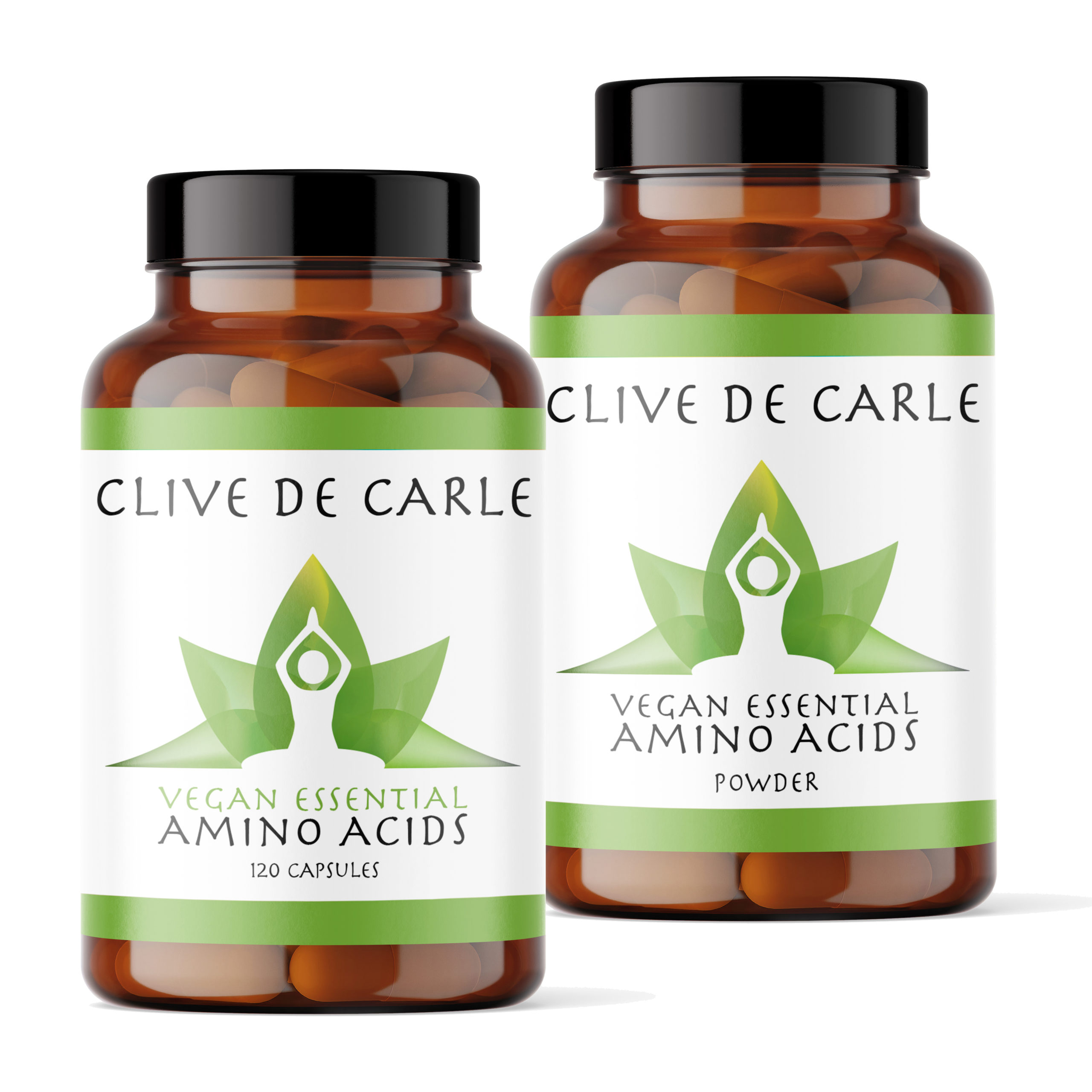
Vegan Essential Amino Acids – Plant-Powered Protein Building
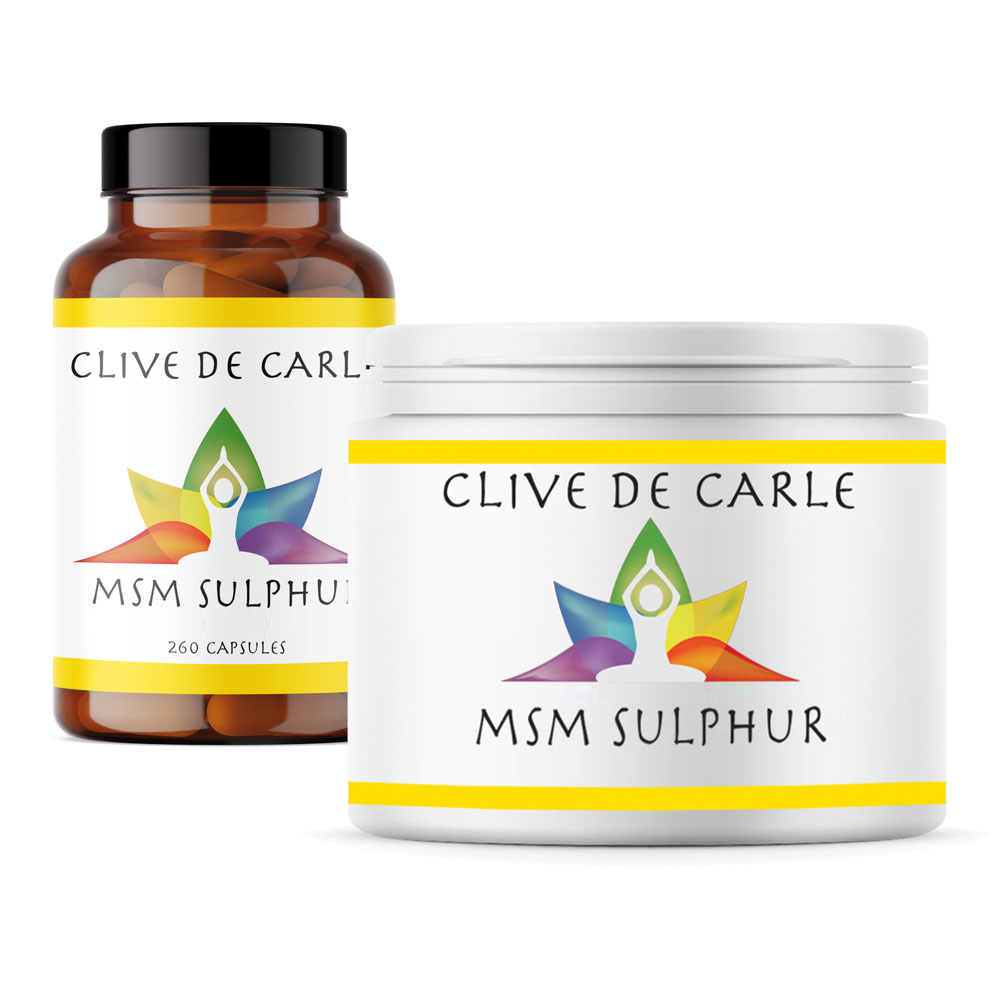
MSM Sulphur – Nature’s Forgotten Mineral
INNERSTANDING may earn a commission on purchases made through these links. All products are selected based on rigorous educational relevance to our biological research.
Related Research
View All Archives →Where this organ takes you next
Every organ on the Body Map is a doorway. From nasal cavity & olfactory system we curate the exact science, tools, and protocols that matter — no generic links, just the biology that connects.
Read the Science
Explore Tools
Selected for nasal cavity & olfactory system based on 5 environmental threats, 5 warning signals, and 8 linked conditions.
Body Map
Explore this organ in the interactive anatomy atlas
Why for nasal cavity & olfactory system →
Health Pathway
Build a guided health pathway around this organ
Why for nasal cavity & olfactory system →
Curated pathway
These three tools were chosen because nasal cavity & olfactory system shows elevated vulnerability to nanoparticles (air pollution) and shares mechanisms with Anosmia (Loss of Smell). Start with the highest, then follow the biology.
From the Arsenal
FROM THE ARSENAL
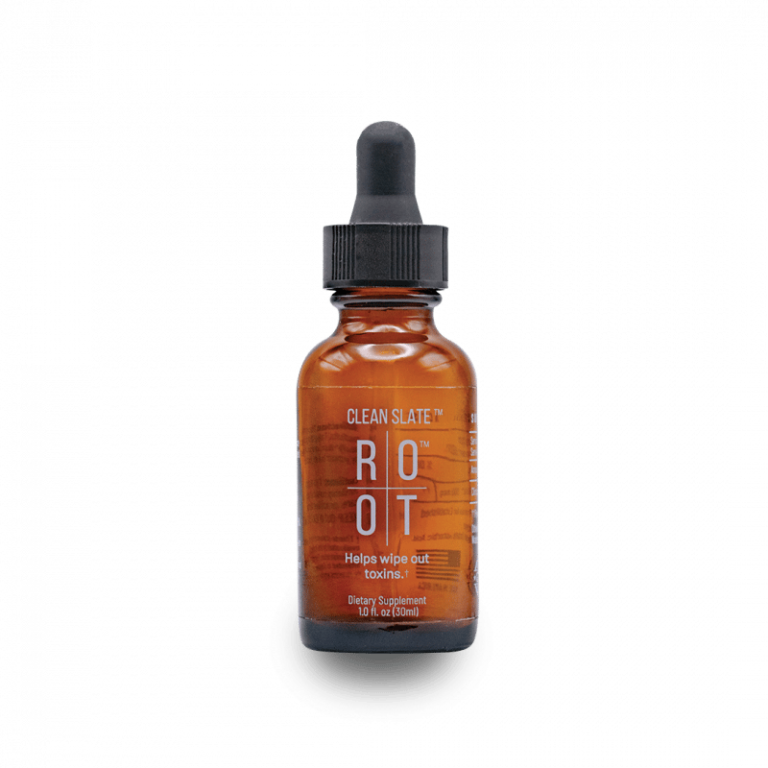
Clean Slate – Detoxes thousands of chemicals,heavy metals, pesticides, allergens, mold spores and fungus
CLIVE DE CARLE
Clean Slate is a cellular-level detoxifier that targets heavy metals, pesticides, and environmental toxins to unblock your body's natural defense pathways. It helps reduce systemic inflammation and restores the nutrient absorption sites often compromised by modern toxicity.
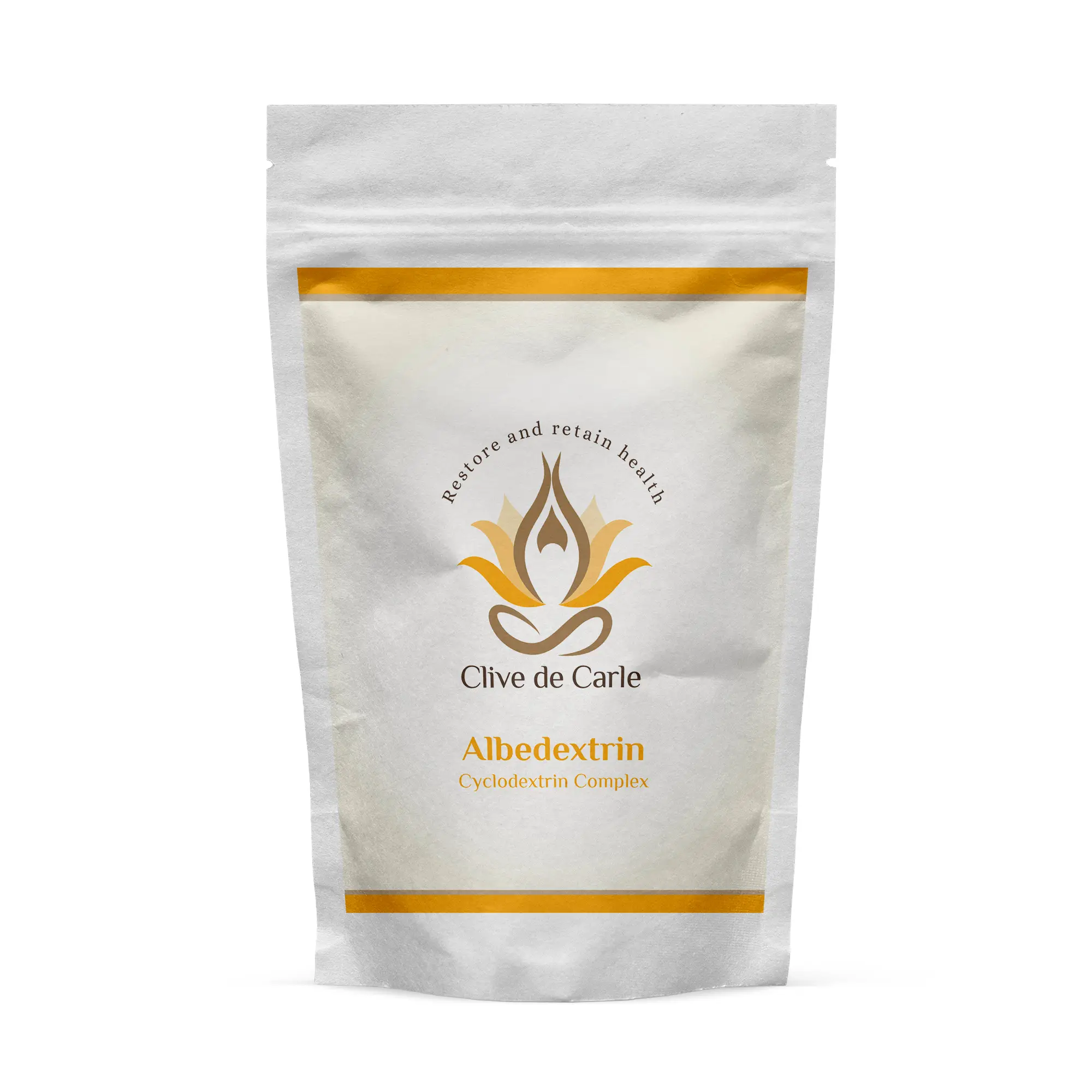
Albedextrin – Specialist Cyclodextrin Complex
CLIVEDECARLE
Albedextrin is a high-grade cyclodextrin complex designed to support systemic clarity and cellular efficiency when integrated into a structured nutritional protocol. This specialist formula offers a targeted approach to managing internal balance for those committed to deep-level health maintenance.
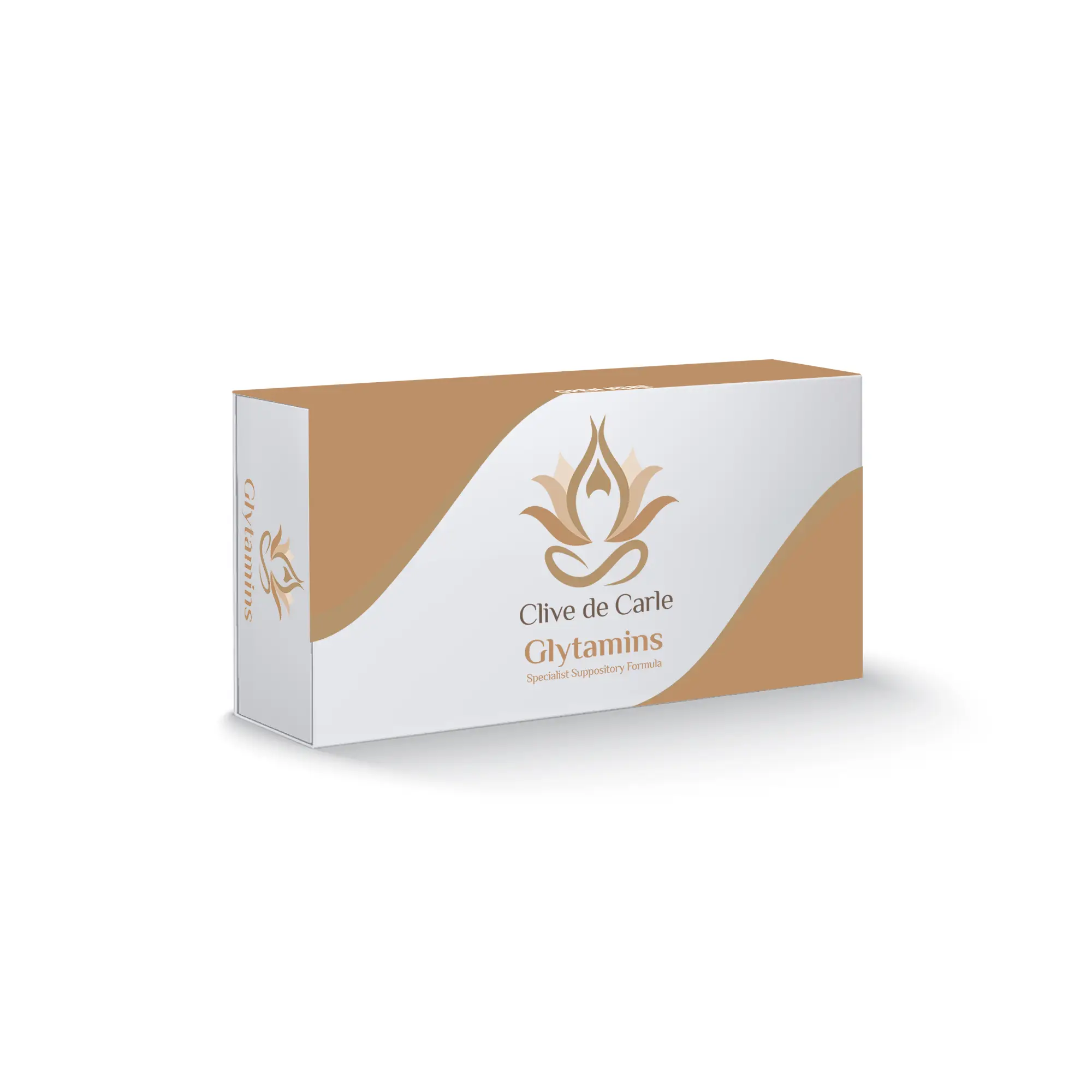
Glytamins Suppositories – Specialist Suppository Formula
Clive De Carle
A practitioner-strength suppository designed to support liver and gallbladder health by bypassing the digestive system for maximum absorption. This formula uses targeted amino acids and botanicals to assist the body's natural bile production and detoxification pathways.
Explore Related Organs — Sensory System
Eyes
The eyes are the body's specialized light-sensing organs, where 126 million photoreceptors convert photons into the electrical signals that form our visual world. The retina, particularly the macula, contains the highest concentration of mitochondria of any tissue in the body, making it exceptionally vulnerable to oxidative stress and high-energy blue light (450nm). In the modern environment, the eyes are under constant assault from digital screens and artificial lighting, which deplete the protective photopigment retinal and damage the mitochondrial network.
View Deep Dive →Ears & Cochlea
The inner ear houses the cochlea, a snail-shaped organ containing approximately 15,000-20,000 sensory hair cells that convert sound vibrations into nerve impulses. These hair cells are unique in that they do not regenerate once damaged, making hearing loss a permanent and cumulative process. Cochlear hair cells are extremely metabolically active and mitochondria-dense, making them critically sensitive to 'ototoxic' pharmaceutical drugs and heavy metals like mercury and lead, which can cause sudden or progressive hearing loss and tinnitus.
View Deep Dive →Biological Integrity
is not optional
Equip yourself with the knowledge and tools required to navigate the modern environmental landscape.