
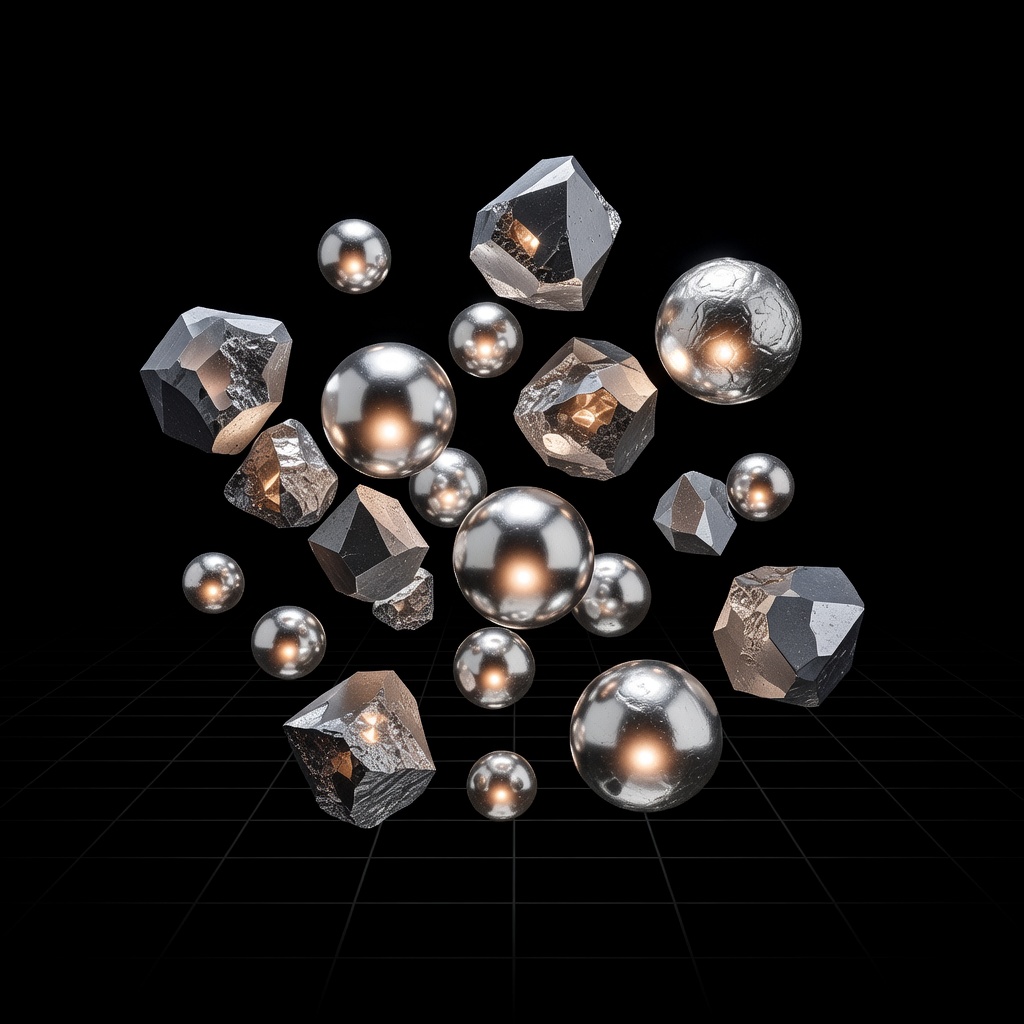
VOL. 01
Heavy Metal Toxicity
The Metals That Are Inside You Right Now
The four most destructive heavy metals — lead, mercury, cadmium and arsenic — where they come from, how they enter the body, how they accumulate in organs and tissues, and the precise cellular mechanisms through which they cause chronic damage to the brain, kidneys, immune system, and hormonal architecture.
CONTENTS
— WHAT'S INSIDE THIS VOLUME
Lead: Sources, Absorption & Neurological Toxicity
Mercury: Fish, Amalgam & The Brain
Cadmium: Cigarettes, Food & Kidney Damage
Arsenic: Water, Rice & Skin Pathology
How Heavy Metals Cross The Blood-Brain Barrier
Metallothionein & The Detoxification Attempt
Chelation: How The Body Tries To Expel Metals
Testing For Heavy Metal Burden
FULL VOLUME CONTENT
INTRODUCTION
Heavy Metal Toxicity
You are walking around with a chemical architecture that your DNA does not recognise. It is a harsh truth, but a necessary one. Right now, as you read this, your body is engaged in a silent, microscopic struggle against a group of invaders that the modern world has deemed unavoidable. We call them heavy metals.
But to your cells, they are something far more sinister: they are metabolic imposters. For the last century, we have been told that as long as you aren't dropping dead from acute poisoning, you are fine. The mainstream medical narrative suggests that if you don't work in a Victorian coal mine or swallow a thermometer, heavy metals aren't your problem. They are wrong.
This is the great industrial oversight. The reality is that the average person living in Britain today carries a body burden of lead that is roughly 500 to 1,000 times higher than that of our pre-industrial ancestors. This is not a slight increase. It is a fundamental shift in our biological composition.
These metals—mercury, lead, cadmium, aluminium, and arsenic—are not just sitting inertly in your tissues. They are active. They are aggressive. They are currently rewriting your internal chemistry.
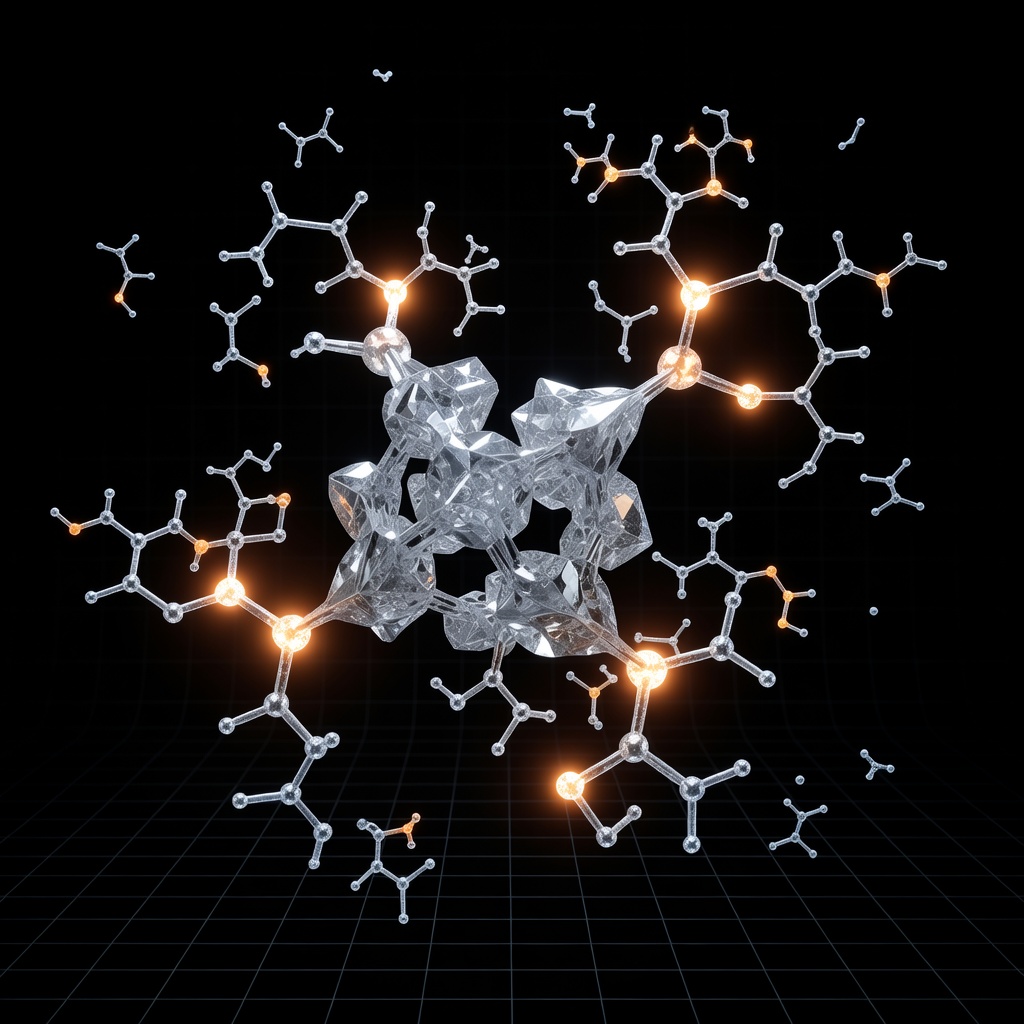
To understand why your energy is flagging, why your brain feels clouded, or why your hormones are in disarray, you must first understand the mechanism of ionic mimicry. This is the ultimate Trojan Horse strategy. Your body is a masterpiece of resource management. It is constantly looking for essential minerals like zinc, magnesium, calcium, and selenium to run the thousands of enzymatic reactions that keep you alive.
Heavy metals are masters of disguise. They possess a similar atomic charge and size to these vital nutrients. When your system is deficient in the good stuff—or simply overwhelmed by the bad—your cells make a catastrophic mistake. Your bones grab lead when they are looking for calcium.
Your brain grabs aluminium when it needs something else. Your enzymes, the tiny engines of your metabolism, pick up mercury instead of selenium. Once these metals take the seat at the table, they don't leave. They lock on.
They don't just occupy space; they break the machinery. Imagine trying to run a high-performance engine using parts that look right but are made of brittle, melting plastic. The engine might still turn over, but it will smoke, it will rattle, and eventually, it will seize. This is what is happening at your cellular level.
Mercury, for example, has a terrifying affinity for thiol groups—sulfur-containing compounds that are essential for your body’s master antioxidant, glutathione. When mercury binds to these sites, it doesn't just sit there; it effectively handcuffs your body's ability to detoxify itself. It creates a state of permanent oxidative stress, a slow-motion internal fire that damages your DNA and shreds your mitochondrial membranes. This isn't a theory; it is basic biochemistry that has been documented in thousands of peer-reviewed studies.
Yet, when was the last time a doctor tested your mineral ratios or your toxic metal load during a routine check-up? The silence from the mainstream is not due to a lack of evidence, but a lack of utility. There is no simple pill to reverse forty years of bioaccumulation. The regulatory guidelines we rely on are dangerously outdated.
They are based on allowable limits for individual exposures, ignoring the cocktail effect. They calculate what is safe for one day, but they fail to account for the fact that these metals have half-lives measured in decades. Lead stays in your bones for thirty years. Cadmium lingers in your kidneys for twenty.
You are not just dealing with what you ate today; you are dealing with every lungful of leaded petrol fumes you inhaled as a child, every microgram of mercury from your fillings, and every drop of aluminium-tainted water that has passed your lips. This guide is your map through this invisible landscape. We are going to strip away the jargon and show you exactly how these metals disrupt your neurological signalling, how they sabotage your thyroid, and how they contribute to the unexplained chronic fatigue that has become the hallmark of the 21st century. These metals are effectively stealing your vitality by replacing your electrical conductors with toxic dross.
They interfere with the voltage-gated calcium channels in your brain, causing a constant state of excitotoxicity—essentially frying your neurons at a low simmer. They compete for transport proteins, meaning you could be eating the most nutrient-dense diet in the world and still be starving at a cellular level because the doorway is blocked by a lead atom. This is why you feel tired but wired, or why your memory feels like it is slipping through your fingers. It is not a character flaw.
It is a conductivity issue. You are not broken, and you are not just getting older. You are being interfered with. It is time to understand the interference so you can finally begin the process of clearing it out.
Welcome to the investigation into your own biology.
ALSO IN THIS SERIES
VIEW FULL SERIES
DOWNLOAD THIS VOLUME
This volume is compiled from peer-reviewed environmental-threats literature into a precision longform PDF. Generate once — it's then saved permanently in the INNERSTANDING library for instant re-download by all users.
PDF format · No wait time · Standardized Print Resolution