

VOL. 04
Microplastics & Nanoplastics
Plastic Is Now Inside Your Blood, Brain & Lungs
The alarming science of microplastic and nanoplastic contamination — how plastic particles enter the body through food, water, and air, how they cross the gut wall and blood-brain barrier, where they accumulate in organs, what they carry on their surfaces (persistent organic pollutants, heavy metals, endocrine disruptors), and what the most recent research reveals about their inflammatory and hormonal effects.
CONTENTS
— WHAT'S INSIDE THIS VOLUME
What Microplastics Are & Where They Come From
Routes Of Entry: Food, Water & Air
How Nanoplastics Cross The Gut Wall
Microplastics In The Blood & Organs
The Chemical Cargo: POPs, Phthalates & Metals
Inflammatory Response To Plastic Particles
Nanoplastics & The Blood-Brain Barrier
The Scale Of UK Plastic Exposure
FULL VOLUME CONTENT
INTRODUCTION
Microplastics & Nanoplastics
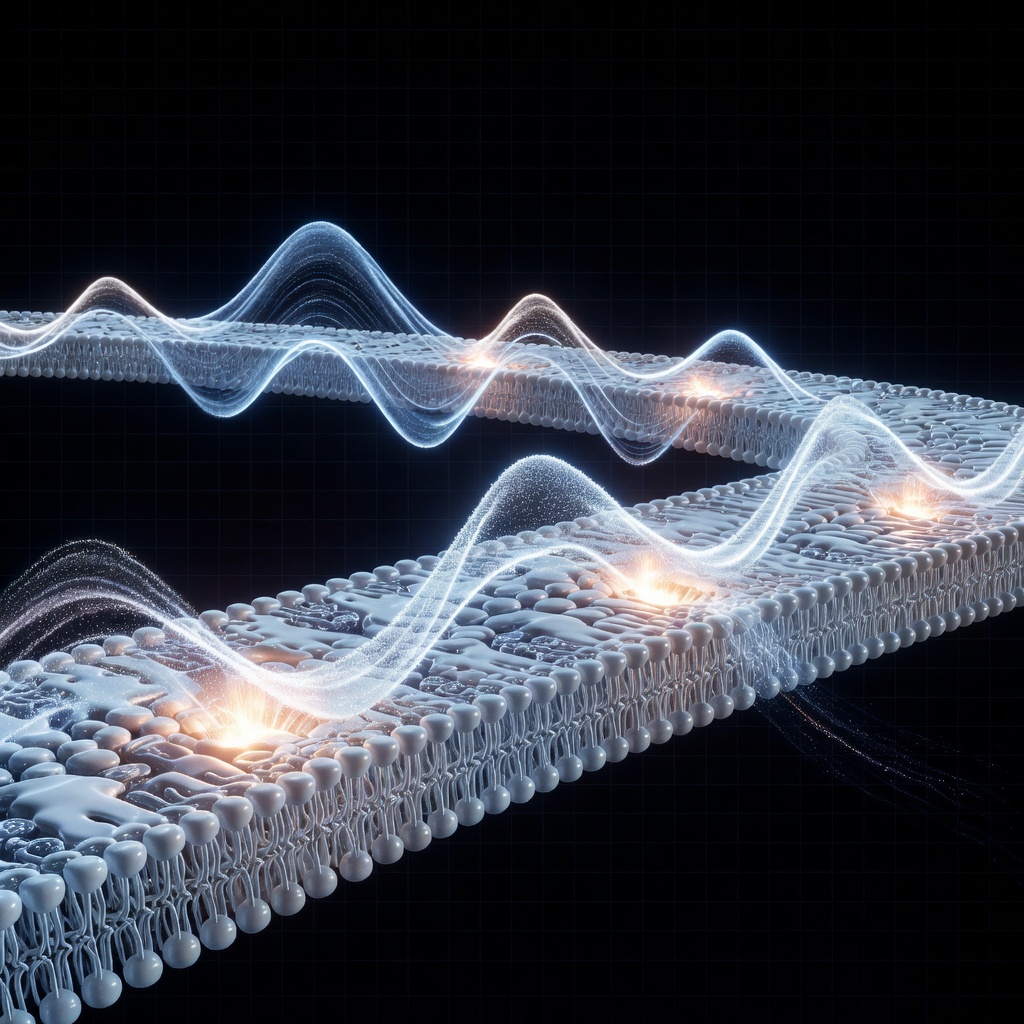
You are breathing plastic right now. As you read these words, microscopic shards of synthetic polymers are moving through your respiratory tract. Some are trapped by mucus, but the smallest ones—the nanoplastics—do not stop there. They are crossing the delicate membranes of your alveoli and entering your bloodstream.
This is not a theory. This is the new biological reality of the twenty-first century. For decades, we were told that plastic was inert. We were told it was the miracle material that made modern life possible.
But while the industry focused on the convenience of the bottle, they ignored the consequence of the breakdown. Plastic does not disappear. It only gets smaller. It fragments until it reaches a scale where it can bypass your body’s most sophisticated defences.
You have been told to worry about the plastic in the ocean. You should be far more concerned about the plastic in your bone marrow. The scale of this environmental assault is unprecedented in human history. We are the first generations to live with a constant internal load of synthetic polymers.
Recent studies have found microplastics in the placentas of unborn babies, in the deep lung tissue of surgical patients, and floating in the blood of healthy donors. This is a total systemic infiltration. Think about the sheer volume of synthetic material you encounter daily. From the synthetic fibres in your carpet to the lining of your takeaway coffee cup, your environment is constantly shedding.
In the UK alone, it is estimated that over 200,000 tonnes of microplastics are shed from vehicle tyres every single year. These particles do not just sit on the road; they become airborne. You inhale them. They enter the water table.
They are in the rain that waters the crops you eat. This is not mere pollution; it is a fundamental shift in the composition of our biosphere. The mainstream health guidelines remain silent because the economic engine of the modern world runs on these polymers. To admit the scale of the damage would be to demand a total overhaul of global manufacturing and a reckoning for the petrochemical industry.
Instead, you are left to navigate this invisible minefield alone, unaware that the very water you drink from a plastic bottle contains an average of 240,000 detectable plastic fragments per litre. This guide is your briefing on the invasion. In the chapters ahead, we will strip away the corporate jargon and look at the raw mechanics of how these particles wreck your cellular machinery. We will explore translocation—the process by which a particle you swallow ends up lodged in your liver or brain.
The size of these particles is the critical factor. While a microplastic is defined as anything under five millimetres, it is the nanoplastics—particles smaller than one micrometre—that represent the greatest threat. These are small enough to pass through the blood-brain barrier, a feat that most life-saving medicines struggle to achieve. Once inside, they do not just sit there.
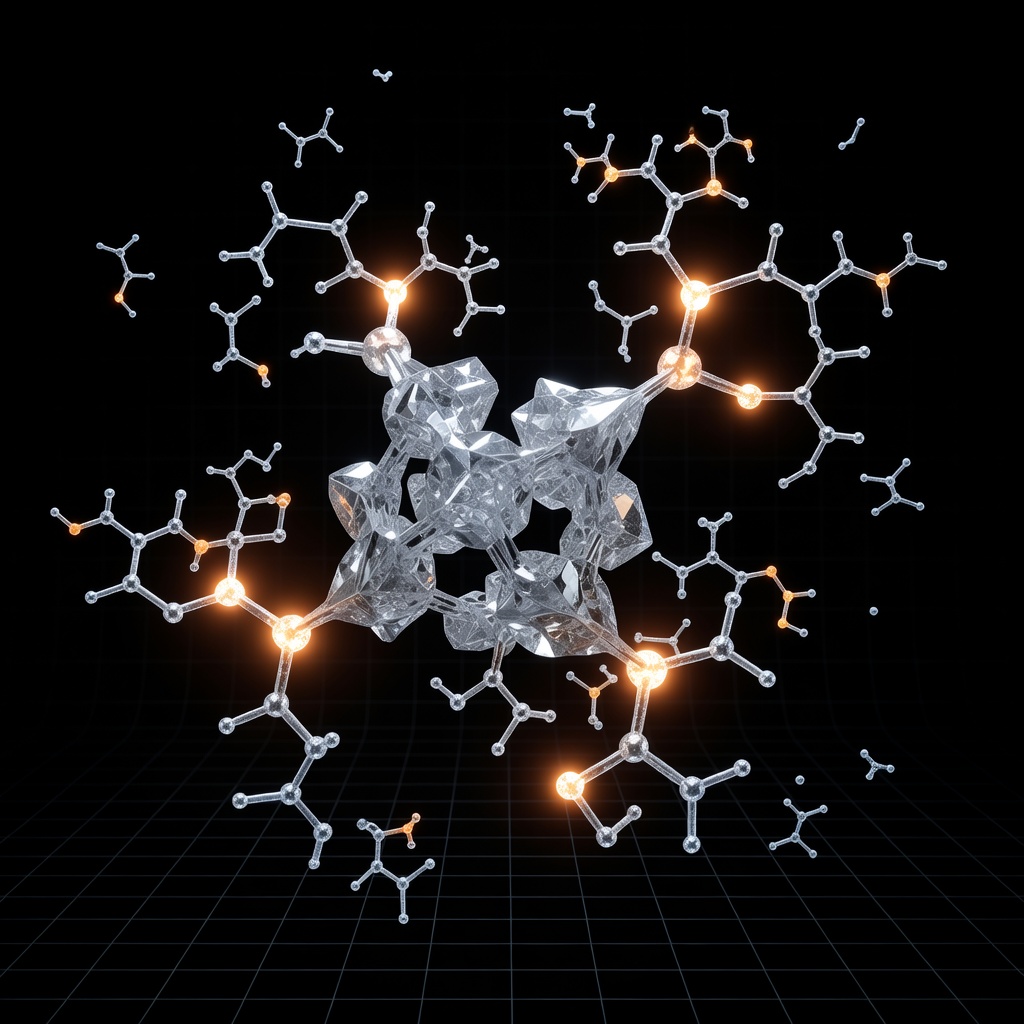
We will look at the Trojan Horse effect, where plastic particles act as magnets for heavy metals and persistent organic pollutants like PCBs, carrying them directly into your cells. Your body recognises these particles as foreign, but it cannot destroy them. When an immune cell like a macrophage tries to eat a plastic shard, it fails. The cell often dies in the process, releasing inflammatory signals that trigger a chronic, low-grade immune response.
This isn't just a vague feeling of being unwell; it is a mechanical failure of your internal scavenging systems. 5 times higher risk of suffering a heart attack or stroke compared to those who were plastic-free. This is a tangible, measurable threat to your longevity. We will also examine the protein corona—a phenomenon where proteins in your blood coat the plastic particle, essentially camouflaging it and allowing it to move deeper into your tissues undetected.
Your endocrine system is being hijacked by leached chemicals like phthalates and bisphenols that mimic your natural hormones, sending false signals to your organs and disrupting everything from metabolism to reproductive health. This guide is the blueprint for understanding this silent colonisation. It is the information you need to understand exactly what is happening inside your arteries and what you can do to mitigate the damage. The age of ignorance is over.
It is time to look at the plastic inside you and reclaim your biological sovereignty.
DOWNLOAD THIS VOLUME
This volume is compiled from peer-reviewed environmental-threats literature into a precision longform PDF. Generate once — it's then saved permanently in the INNERSTANDING library for instant re-download by all users.
PDF format · No wait time · Standardized Print Resolution