
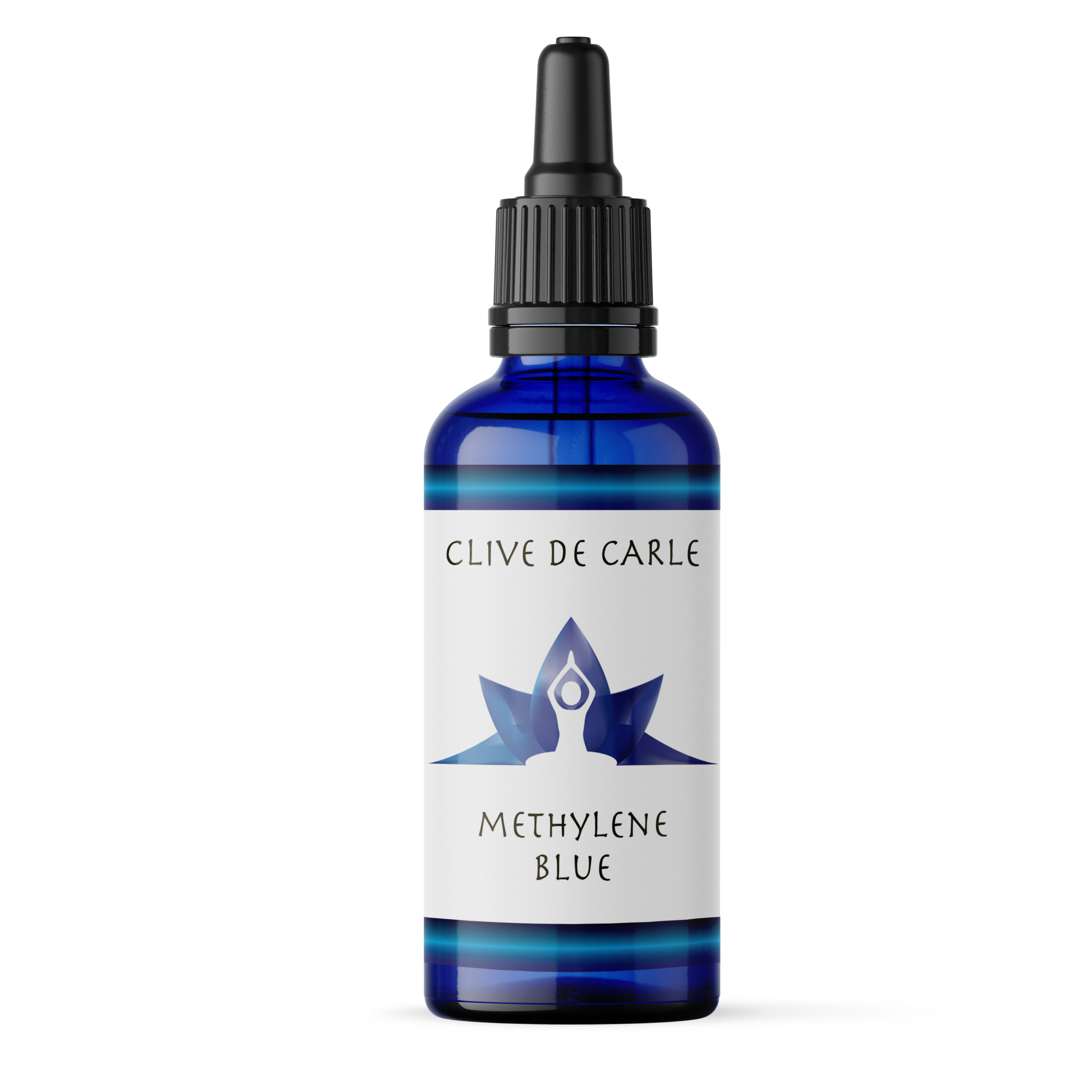
Methylene Blue – Advanced Cellular Chemistry
The Verdict, as stored
A pharmaceutical-grade compound designed to optimise mitochondrial function and cellular energy production. This high-purity formula supports metabolic efficiency and mental clarity by acting as a powerful electron donor within your cells.
Affiliate link. INNERSTANDIN may receive a commission at no additional cost. This page presents educational listing information, not medical advice or a personal recommendation.
Listing fields are shown as supplied. Missing information is not inferred.
Mechanism and body-system context
The Verdict, as stored
A pharmaceutical-grade compound designed to optimise mitochondrial function and cellular energy production. This high-purity formula supports metabolic efficiency and mental clarity by acting as a powerful electron donor within your cells.
Long description
Methylene Blue is recommended for those seeking to bypass cellular energy bottlenecks and enhance mitochondrial respiration. It works by donating electrons to the electron transport chain, directly increasing ATP production while simultaneously acting as a potent antioxidant to reduce internal oxidative stress. This advanced formula is best suited for health optimisers focused on cognitive longevity and metabolic resilience who are aware of the necessary safety precautions regarding G6PD status and medication interactions. At INNERSTANDING, we provide this pharmaceutical-grade solution for those ready to take a technical, evidence-led approach to their cellular chemistry.
Mechanism context
Not supplied in this listing
Body-system context
Not supplied in this listing
How it works, as stored
Not supplied in this listing
Cellular detail
Methylene Blue functions primarily as a redox-active molecule that operates within the mitochondrial matrix. It acts as an extrinsic electron cycler, capable of accepting electrons from NADH or FADH2 and transferring them directly to Cytochrome c, effectively bypassing potential bottlenecks or dysfunctions at Complexes I and III of the Electron Transport Chain (ETC). This metabolic 'shunting' is designed to maintain the flow of electrons toward Complex IV (Cytochrome c oxidase), thereby sustaining the proton gradient across the inner mitochondrial membrane and ensuring consistent ATP production even under conditions of metabolic stress or hypoxia. Furthermore, in its reduced form—known as leucomethylene blue—the molecule acts as a high-capacity antioxidant, neutralising superoxide radicals and reducing the formation of reactive oxygen species (ROS) at their source within the mitochondria.
Pathway details
The primary pathway involved is the Mitochondrial Respiration Pathway, specifically the upregulation of Cytochrome c oxidase activity which is associated with increased cellular oxygen consumption. Additionally, Methylene Blue interacts with the Nrf2 (Nuclear factor erythroid 2-related factor 2) pathway, which governs the body's internal antioxidant response, potentially increasing the expression of protective enzymes like superoxide dismutase. It is also relevant to the Heme synthesis pathway and may support the cyclic Guanosine Monophosphate (cGMP) pathway by inhibiting nitric oxide synthase and guanylate cyclase in specific contexts, which is a mechanism often explored in relation to vascular tone and systemic inflammatory responses.
Body-system context
The biological impact of Methylene Blue is most pronounced in tissues with high mitochondrial density and significant metabolic demands. The central nervous system is a primary site of action, where the compound's ability to cross the blood-brain barrier allows it to support neuronal energy metabolism and potentially influence neurotransmitter balance through the mild, reversible inhibition of monoamine oxidase (MAO-A). In the muscular system, enhanced electron flux may support contractile efficiency and recovery from physical exertion. The hepatic and renal systems are involved in the metabolism and excretion of the compound; the liver reduces the dye to its leuco form, while the kidneys facilitate its removal, often resulting in a temporary, harmless blue-green tint to the urine, which serves as a biological marker of systemic circulation.
Composition details
The active constituent is Methylthioninium Chloride, provided in a high-purity, pharmaceutical-grade format to ensure the exclusion of industrial contaminants such as heavy metals. As a redox agent, its action is non-enzymatic; it cycles between an oxidised state (blue) and a reduced state (colourless) depending on the surrounding cellular environment. This 'redox-toggle' allows the molecule to act as a universal electron donor and acceptor. By donating electrons to the mitochondrial ETC, it supports the reduction of oxygen to water, which is the final step in aerobic energy production, thereby promoting metabolic efficiency without the concomitant increase in oxidative damage typically associated with high metabolic rates.
Delivery and form
Methylene Blue is highly lipophilic, which facilitates rapid and efficient absorption through the gastrointestinal tract and allows for widespread tissue distribution. Its low molecular weight and chemical properties enable it to bypass the blood-brain barrier and accumulate in the mitochondria of neurons and myocytes. When delivered in a liquid or high-purity powder form, it achieves peak plasma concentrations relatively quickly. The quality of the material is paramount; pharmaceutical-grade (USP/EP) standards are required to ensure that the material is free from the impurities found in laboratory or industrial-grade methylene blue, which can include lead, mercury, and arsenic.
Source material and editorial context
Source readiness
No usable research link or DOI is supplied for this listing.
A linkable value means only that a safe link shape was supplied. It does not assess source quality, primary-source status, efficacy, suitability, or claim support.
Stored rationale
Not supplied in this listing
Evidence notes as supplied
Not supplied in this listing
Timing context as stored
The timeline for biological integration typically follows a biphasic pattern. Acute effects related to electron cycling and ATP availability may be noticed within 1 to 4 hours after ingestion, often manifesting as a subtle shift in cognitive clarity or 'mental energy'. Over a period of 2 to 4 weeks of consistent use, the cumulative impact on mitochondrial biogenesis and the Nrf2 antioxidant response may support more sustained metabolic resilience. It is often used in 'pulsed' protocols to prevent cellular adaptation and to maintain the sensitivity of the mitochondrial complexes to the compound’s electron-donating properties.
The stored briefing fields remain visible as supplied listing information. No usable research link or DOI is available to independently check them.
Research sources as stored
3 supplied- MALFORMEDGonzalez-Lima, F., & Auchter, A. (2015). Protection against neurodegeneration with low-dose methylene blue. Frontiers in Cellular Neuroscience. doi:10.3389/fncel.2015.00179
Stored value shown without a clickable destination because its link shape is not usable.
- MALFORMEDTucker, D., et al. (2018). From Mitochondrial Function to Neuroprotection-an Overview of Methylene Blue's Mechanisms and Applications. Molecular Neurobiology. doi:10.1007/s12035-017-0828-5
Stored value shown without a clickable destination because its link shape is not usable.
- MALFORMEDRojas, J. C., et al. (2012). Methylene blue provides neuroprotection in an integrated loop of metabolic and antioxidant mechanisms. European Journal of Pharmacology. doi:10.1016/j.ejphar.2012.03.036
Stored value shown without a clickable destination because its link shape is not usable.
Format checks determine whether a supplied value can be linked. They do not verify the source, its quality, its primary status, product efficacy, or support for any product claim.
Internal editorial context
Published INNERSTANDIN Articles
This material supplements the product's external research material. It describes the linked Article's sources and editorial handling, and does not independently verify product claims.
Loading published Article context...
Article sources and editorial context remain separate from the product's own research-source readiness.
Related listings
Editorial comparison
Compare stored listing fields
Each column shows information supplied in that listing, with the current briefing first and same-category listings following in their returned order.
This is an editorial comparison of available stored listing information. It is not a ranking or recommendation. It does not assess efficacy, safety, suitability, quality, or value, and it does not draw clinical conclusions.
| Stored field | Methylene Blue – Advanced Cellular Chemistry Current listing | Magnesium Blend – The Most Important Mineral Same-category listing | Magnesium L-Threonate Same-category listing | C60 Charcoal – Supports Healthy Digestion and Detoxification. Same-category listing | Energy Blend Supports Same-category listing |
|---|---|---|---|---|---|
| Product identity | Methylene Blue – Advanced Cellular ChemistryCurrent listing | Magnesium Blend – The Most Important MineralSame-category listing | Magnesium L-ThreonateSame-category listing | C60 Charcoal – Supports Healthy Digestion and Detoxification.Same-category listing | Energy Blend SupportsSame-category listing |
| Category | Supplements | Supplements | Supplements | Supplements | Supplements |
| Mechanisms as stored | Not supplied in this listing | Not supplied in this listing | Not supplied in this listing | Not supplied in this listing | Not supplied in this listing |
| Canonical Body Map systems | Not supplied in this listing | Not supplied in this listing | Not supplied in this listing | Not supplied in this listing | Not supplied in this listing |
| Usage context as stored | Not supplied in this listing | Not supplied in this listing | Not supplied in this listing | Not supplied in this listing | Not supplied in this listing |
| Stated cautions | Not supplied in this listing | Not supplied in this listing | Not supplied in this listing | Not supplied in this listing | Not supplied in this listing |
| UK availability as stored | Not supplied in this listing | Not supplied in this listing | Not supplied in this listing | Not supplied in this listing | Not supplied in this listing |
| Timing context as stored | The timeline for biological integration typically follows a biphasic pattern. Acute effects related to electron cycling and ATP availability may be noticed within 1 to 4 hours after ingestion, often manifesting as a subtle shift in cognitive clarity or 'mental energy'. Over a period of 2 to 4 weeks of consistent use, the cumulative impact on mitochondrial biogenesis and the Nrf2 antioxidant response may support more sustained metabolic resilience. It is often used in 'pulsed' protocols to prevent cellular adaptation and to maintain the sensitivity of the mitochondrial complexes to the compound’s electron-donating properties. Stored context, not a promise. | The timeline for magnesium replenishment is highly dependent on an individual’s baseline deficiency and metabolic demand. Immediate effects, such as improved sleep latency and a reduction in acute muscle cramping, may be observed within 24 to 72 hours of initial use. Improvements in systemic markers, such as enhanced daily energy levels and better stress resilience, typically manifest after 2 to 4 weeks of consistent supplementation. To significantly impact bone mineral density or long-term cardiovascular health markers, a sustained protocol of 3 to 6 months is generally recommended, allowing the body to replenish the deep mineral stores held within the skeletal matrix. Stored context, not a promise. | Users may observe an initial shift in sleep quality and a reduction in subjective feelings of tension within the first 7 to 10 days as magnesium levels begin to stabilise within the nervous system. The more profound cognitive benefits, such as improved mental clarity, focus, and memory recall, are associated with structural changes in synaptic density which typically manifest over a period of 6 to 12 weeks of consistent daily use. Because the body's homeostatic mechanisms tightly regulate magnesium, a steady and prolonged protocol is required to elevate and maintain the specific concentrations within the brain necessary for long-term neurological resilience. Stored context, not a promise. | In the immediate term—typically within 1 to 4 hours—users may notice a reduction in abdominal pressure and flatulence as the charcoal adsorbs existing gases. Over the course of 7 to 14 days of consistent use, many individuals report a shift in digestive regularity and a reduction in the 'brain fog' often associated with gut-derived toxicity. Long-term use as part of a seasonal protocol may support a more robust immune response and improved nutrient partitioning, as the intestinal lining is less frequently challenged by metabolic waste, though it is generally recommended to use such binders away from nutritional supplements and medications to ensure no interference with their absorption. Stored context, not a promise. | Users typically report a subtle shift in mental clarity and focus within the first 3 to 7 days of consistent use. Unlike the immediate, jittery onset of caffeine, the effects of the Energy Blend are cumulative. By the second and third weeks, systemic improvements in physical endurance and recovery times are often observed as red blood cell health and hormonal balance begin to stabilise. For those addressing chronic fatigue or homocysteine management, full physiological benefits are generally realised after 8 to 12 weeks of consistent supplementation, allowing for a complete cycle of red blood cell turnover and metabolic recalibration. Stored context, not a promise. |
| Product source readiness | No usable research link supplied No stored research value passed the safe link-format check. This is not a judgement about the listing. | No usable research link supplied No stored research value passed the safe link-format check. This is not a judgement about the listing. | No usable research link supplied No stored research value passed the safe link-format check. This is not a judgement about the listing. | No usable research link supplied No stored research value passed the safe link-format check. This is not a judgement about the listing. | No usable research link supplied No stored research value passed the safe link-format check. This is not a judgement about the listing. |
| Internal briefing link | View briefing | View briefing | View briefing | View briefing | View briefing |
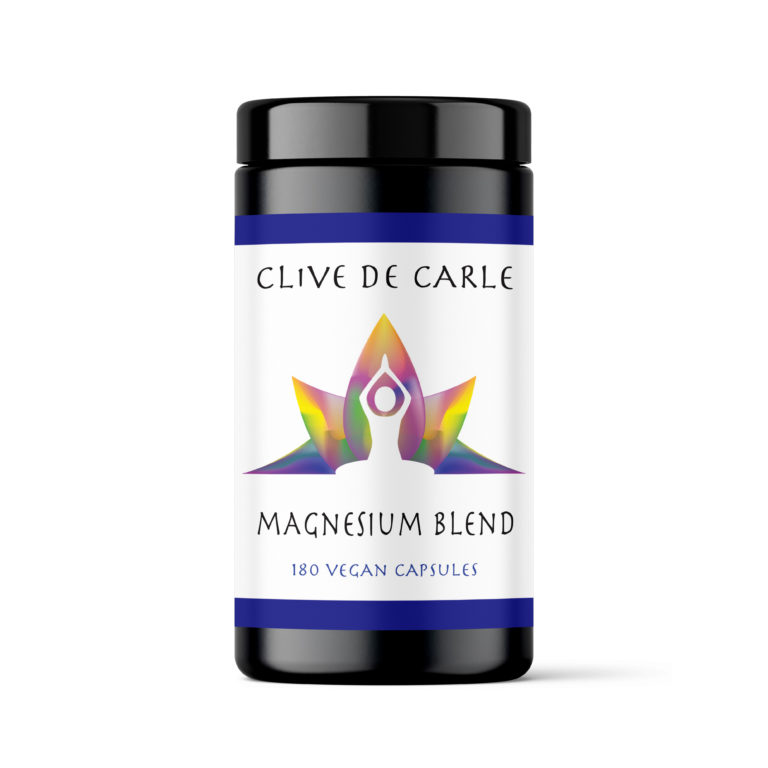
Magnesium Blend – The Most Important Mineral
CLIVE DE CARLE
A high-bioavailability mineral blend designed to support over 300 essential biochemical reactions, from energy production to muscle relaxation. This formula helps combat daily fatigue while providing the foundational support your nervous system and bones require.
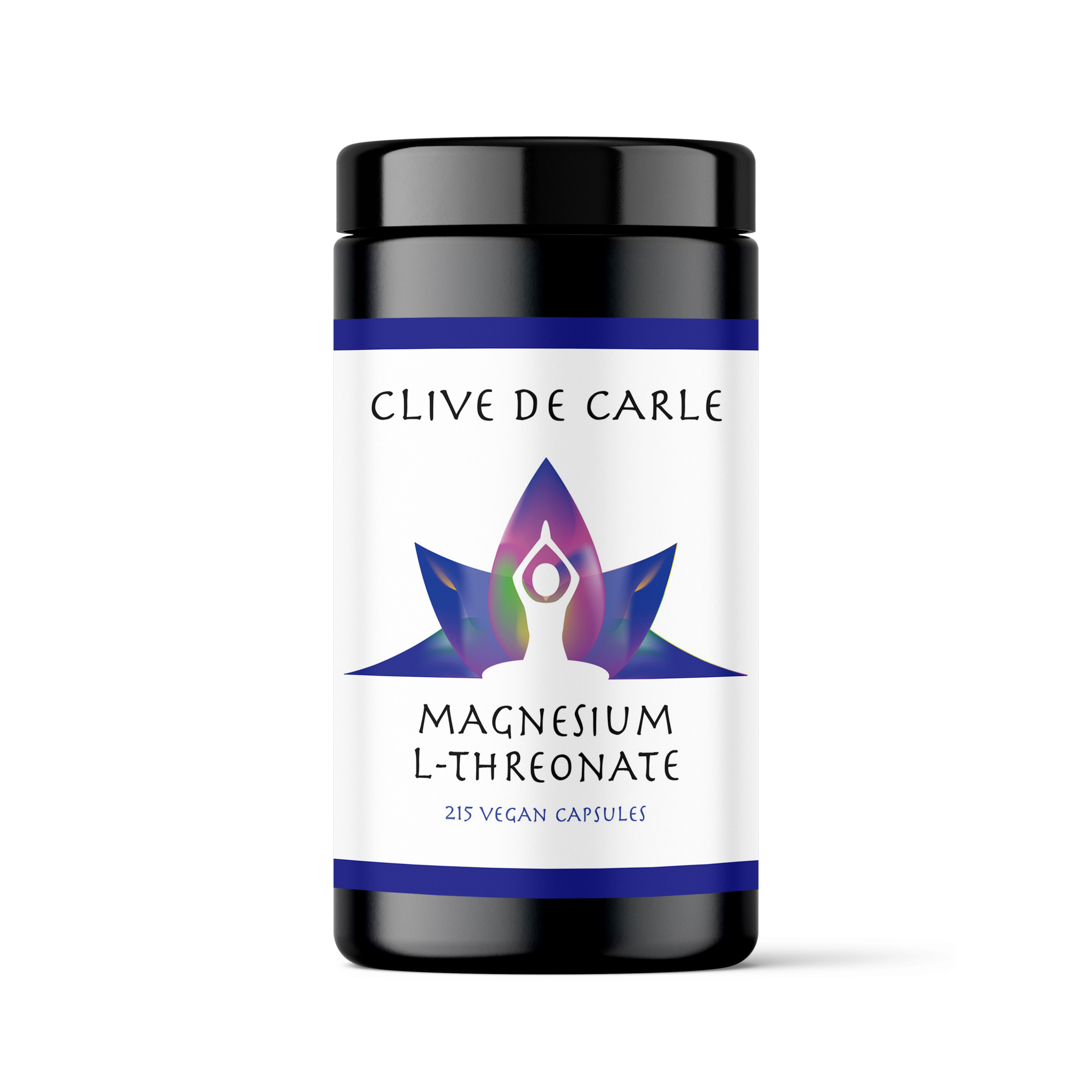
Magnesium L-Threonate
CLIVE DE CARLE
Magnesium L-Threonate is a specialized form of magnesium designed to cross the blood-brain barrier for superior cognitive and nervous system support. It helps reduce mental fatigue while promoting healthy psychological function and consistent energy levels throughout the day.
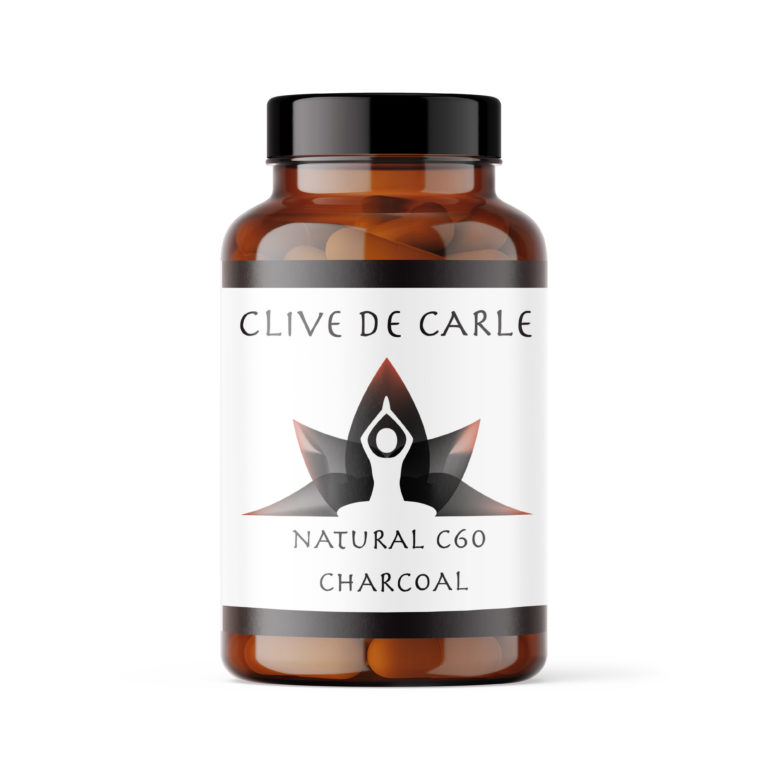
C60 Charcoal – Supports Healthy Digestion and Detoxification.
CLIVE DE CARLE
Support healthy digestion and ease bloating with a natural hardwood charcoal rich in C60 fullerenes. This non-nano formula assists in removing toxins and strengthening your immune response for a more comfortable, balanced gut.
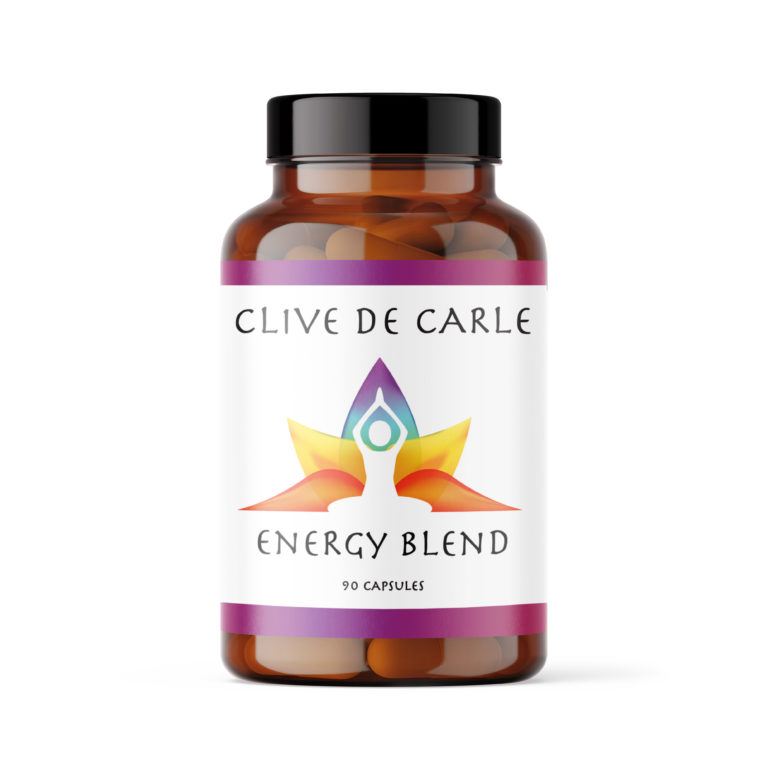
Energy Blend Supports
CLIVE DE CARLE
Energy Blend is a comprehensive formula designed to fuel your body at a cellular level, promoting sustained physical stamina and mental clarity without synthetic spikes. It targets fundamental metabolic pathways to ensure your nervous system and hormonal activity remain balanced and resilient.
Related INNERSTANDIN reading
Explore the biology
Open published articles whose category or tags exactly match a stored label from this listing.
Checking published reading labels...
These are editorial navigation links from exact stored listing labels. They are not personal recommendations, suitability assessments, efficacy claims, or clinical conclusions.
Field Notes
Approved Field Notes are reader-submitted educational experiences. They do not independently verify the listing, establish clinical evidence, endorse a product, or provide a personal recommendation.
Vetting markers, as stored
Stored markers are shown as supplied by the listing.
Not supplied in this listing
Usage context and cautions
These are stored listing statements, not personalised recommendations.
Not supplied in this listing
Availability and safety
Not supplied in this listing
Not supplied in this listing
Editorial limitations
This briefing presents available fields from the listing. It does not independently assess source quality, product efficacy, manufacturer status, safety, suitability, or outcomes.
Some products on this page include affiliate links. INNERSTANDIN may receive a commission if you purchase through them, at no additional cost to you. This does not influence our editorial independence. Products listed are not intended to diagnose, treat, cure, or prevent any disease or medical condition. Always consult a qualified and registered healthcare professional before starting any supplement, product, or health regimen.