
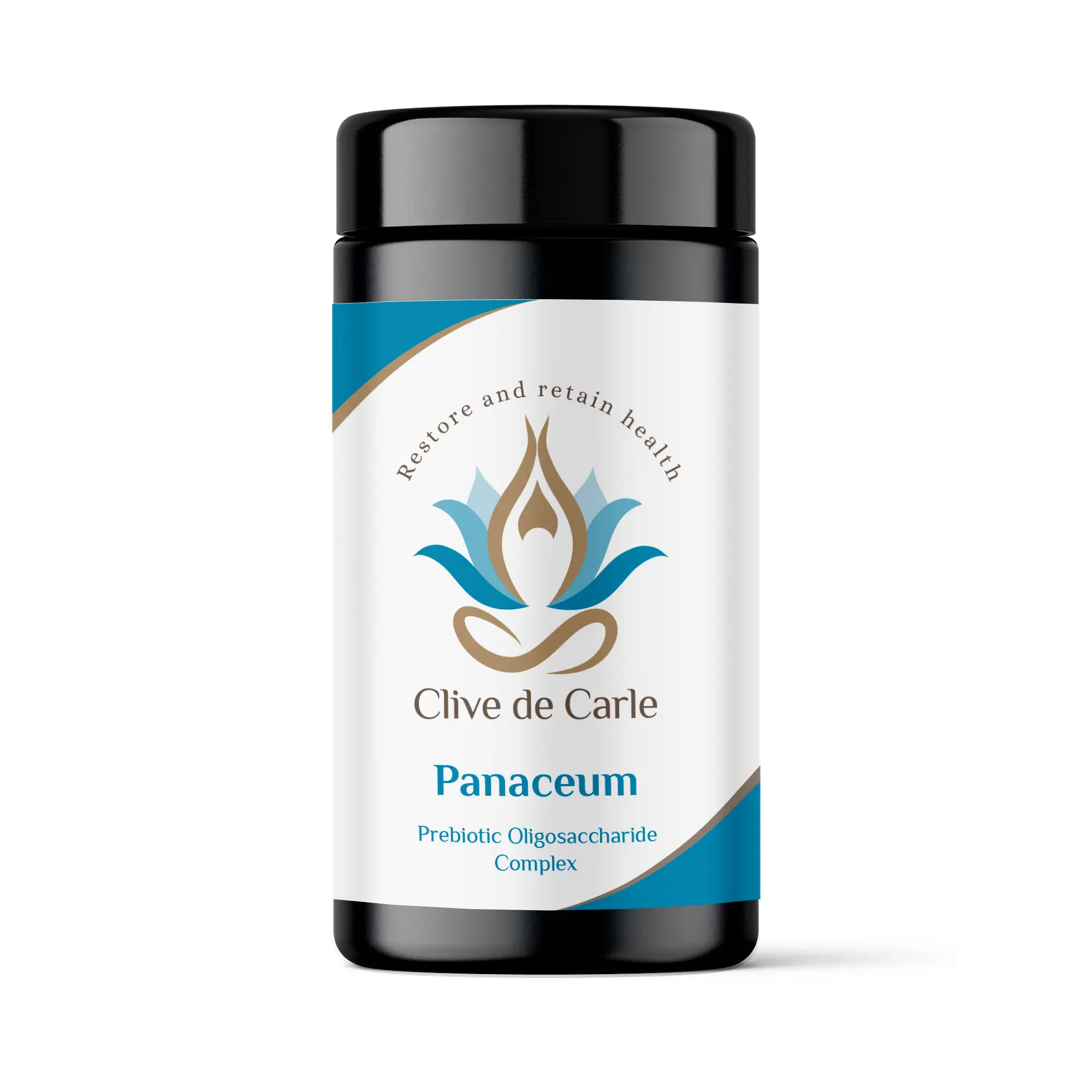
Panaceum – Prebiotic Oligosaccharide Complex
The Verdict, as stored
Panaceum is a specialist eight-oligosaccharide blend designed to restore the microbial diversity missing from the modern Western diet. By providing the complex fibres our ancestors once consumed, it feeds and sustains a resilient gut microbiome for long-term health.
Affiliate link. INNERSTANDIN may receive a commission at no additional cost. This page presents educational listing information, not medical advice or a personal recommendation.
Listing fields are shown as supplied. Missing information is not inferred.
Mechanism and body-system context
The Verdict, as stored
Panaceum is a specialist eight-oligosaccharide blend designed to restore the microbial diversity missing from the modern Western diet. By providing the complex fibres our ancestors once consumed, it feeds and sustains a resilient gut microbiome for long-term health.
Long description
The human gut evolved alongside a diet rich in tubers and fibrous plants, yet today's food is often too refined to support a thriving internal ecosystem. Panaceum mimics this ancestral variety with eight distinct prebiotic fibres—including chitin and fucoidan oligosaccharides—that pass through the upper digestive tract to fuel your resident bacteria. This formula is designed for those seeking to deeply nourish their microbiome and enhance systemic resilience through evidence-based dietary diversity. Because it is high in FODMAPs, it is specifically intended for individuals without active digestive sensitivities who want to proactively rebuild their gut health.
Mechanism context
Not supplied in this listing
Body-system context
Not supplied in this listing
How it works, as stored
Not supplied in this listing
Cellular detail
Panaceum functions through the selective fermentation of complex glycans, a process largely bypassed by human digestive enzymes in the upper gastrointestinal tract. At the cellular level, these oligosaccharides serve as primary metabolic substrates for anaerobic bacteria in the colon, particularly Bifidobacterium and Lactobacillus species. As these microbes hydrolyse the glycosidic bonds, they produce Short-Chain Fatty Acids (SCFAs) such as butyrate, propionate, and acetate. These SCFAs act as signalling molecules that bind to G-protein coupled receptors (GPCRs), specifically GPR41 and GPR43, on the surface of intestinal epithelial cells and immune cells. This interaction is associated with the modulation of gene expression related to the cellular inflammatory response and the maintenance of the mucosal barrier. Furthermore, the presence of diverse oligosaccharides supports 'cross-feeding' mechanisms, where the metabolic by-products of one bacterial species provide the energy source for another, fostering a more stable and resilient microbial ecosystem.
Pathway details
Panaceum interacts with several critical biological pathways. Firstly, the SCFA-mediated pathway involves the activation of the AMPK (adenosine monophosphate-activated protein kinase) pathway, which is a master regulator of cellular energy homeostasis and mitochondrial biogenesis. Secondly, it supports the Mucosal Integrity pathway by upregulating the expression of tight-junction proteins like zonulin and occludin, which are essential for preventing intestinal permeability (often referred to as 'leaky gut'). Thirdly, the complex fibres are associated with the modulation of the NF-kB (nuclear factor kappa-light-chain-enhancer of activated B cells) signalling pathway, potentially downregulating pro-inflammatory cytokine production. Finally, the inclusion of chitin and fucoidan oligosaccharides is linked to pathways involved in innate immune priming, where they may interact with Pattern Recognition Receptors (PRRs) to enhance the body's surveillance and response to environmental stressors.
Body-system context
The primary site of action is the Large Intestine, where the prebiotic complex alters the luminal environment by lowering pH through SCFA production, inhibiting the overgrowth of pH-sensitive pathogenic bacteria. The Liver is significantly affected via the portal vein, which transports absorbed SCFAs to be metabolised for energy or used in lipid synthesis; propionate, in particular, is noted for its role in hepatic gluconeogenesis and cholesterol management. The Immune System, specifically the Gut-Associated Lymphoid Tissue (GALT), is influenced as the prebiotic-driven microbial environment promotes the differentiation of regulatory T-cells, which are crucial for systemic immune tolerance. Additionally, the Gut-Brain Axis is engaged through the stimulation of enteroendocrine cells (L-cells) that release peptides like GLP-1 and PYY, which may support metabolic regulation and neuro-signalling pathways relevant to satiety and mood.
Composition details
The formula’s efficacy is derived from its structural diversity. Chitin-oligosaccharides, derived from fungal or crustacean sources, are unique in their ability to stimulate specific macrophage activity and support the structural integrity of the gut lining. Fucoidan oligosaccharides, extracted from brown seaweed, are highly sulphated polysaccharides that have been studied for their potential to inhibit viral attachment and modulate the coagulation cascade. Fructo-oligosaccharides (FOS) and Galacto-oligosaccharides (GOS) act as the 'gold standard' bifidogenic agents, rapidly increasing the population of beneficial bacteria. Xylo-oligosaccharides (XOS) are effective even at low doses and are particularly resilient to stomach acid. Together, these eight distinct fibres ensure that fermentation occurs throughout the entire length of the colon, from the ascending to the descending segments, providing a comprehensive 'microbial feast' that simpler prebiotic supplements cannot match.
Delivery and form
Panaceum is designed to resist absorption in the small intestine, a critical feature for any effective prebiotic. The molecular weight and complex branching of these oligosaccharides ensure they remain intact until they reach the caecum and large bowel. This delivery profile is essential for targeting the distal microbiome. The product is typically delivered in a stable, powdered form to ensure the integrity of the glycan chains. Because it is highly fermentable (High FODMAP), the delivery into the system should be gradual; this allows the microbial population to adapt without causing significant osmotic pressure or excessive gas production. The bioavailability of the resulting metabolites (SCFAs) is high, with the majority being rapidly utilised by colonocytes or transported into systemic circulation via the mesenteric veins.
Source material and editorial context
Source readiness
No usable research link or DOI is supplied for this listing.
A linkable value means only that a safe link shape was supplied. It does not assess source quality, primary-source status, efficacy, suitability, or claim support.
Stored rationale
Not supplied in this listing
Evidence notes as supplied
Not supplied in this listing
Timing context as stored
In the first 1 to 7 days, users may experience an 'adaptation phase' characterised by increased flatulence or mild abdominal distension as the microbial landscape begins to shift and gas production increases. By weeks 2 to 4, these initial effects typically subside as the microbiome reaches a new equilibrium, often resulting in more consistent bowel movements and improved digestive comfort. Between months 1 and 3, the systemic effects of increased SCFA production may become more apparent, which may support improved energy levels, metabolic resilience, and a more robust immune response. Long-term use (3 months plus) is intended to consolidate these microbial changes, supporting a diverse internal ecosystem that mimics the ancestral gut profile and promotes long-term health maintenance.
The stored briefing fields remain visible as supplied listing information. No usable research link or DOI is available to independently check them.
Research sources as stored
4 supplied- MALFORMEDSlavin, J. (2013). Fiber and Prebiotics: Mechanisms and Health Benefits. Nutrients, 5(4), 1417-1435. doi:10.3390/nu5041417
Stored value shown without a clickable destination because its link shape is not usable.
- UNLINKED TITLEGibson, G. R., et al. (2017). Expert consensus document: The ISAPP consensus statement on the definition and scope of prebiotics. Nature Reviews Gastroenterology & Hepatology, 14, 491–502.
Stored title shown without a clickable research destination.
- UNLINKED TITLELopes, S. M., et al. (2017). Chitin and Chitosan-oligosaccharides: Properties and Health Aspects. Marine Drugs, 15(6).
Stored title shown without a clickable research destination.
- MALFORMEDFitton, J. H., et al. (2015). Therapies from Fucoidan: New Developments. Marine Drugs, 13(9), 5710-5746. doi:10.3390/md13095710
Stored value shown without a clickable destination because its link shape is not usable.
Format checks determine whether a supplied value can be linked. They do not verify the source, its quality, its primary status, product efficacy, or support for any product claim.
Internal editorial context
Published INNERSTANDIN Articles
This material supplements the product's external research material. It describes the linked Article's sources and editorial handling, and does not independently verify product claims.
Loading published Article context...
Article sources and editorial context remain separate from the product's own research-source readiness.
Related listings
Editorial comparison
Compare stored listing fields
Each column shows information supplied in that listing, with the current briefing first and same-category listings following in their returned order.
This is an editorial comparison of available stored listing information. It is not a ranking or recommendation. It does not assess efficacy, safety, suitability, quality, or value, and it does not draw clinical conclusions.
| Stored field | Panaceum – Prebiotic Oligosaccharide Complex Current listing | Magnesium Blend – The Most Important Mineral Same-category listing | Magnesium L-Threonate Same-category listing | C60 Charcoal – Supports Healthy Digestion and Detoxification. Same-category listing | Energy Blend Supports Same-category listing |
|---|---|---|---|---|---|
| Product identity | Panaceum – Prebiotic Oligosaccharide ComplexCurrent listing | Magnesium Blend – The Most Important MineralSame-category listing | Magnesium L-ThreonateSame-category listing | C60 Charcoal – Supports Healthy Digestion and Detoxification.Same-category listing | Energy Blend SupportsSame-category listing |
| Category | Supplements | Supplements | Supplements | Supplements | Supplements |
| Mechanisms as stored | Not supplied in this listing | Not supplied in this listing | Not supplied in this listing | Not supplied in this listing | Not supplied in this listing |
| Canonical Body Map systems | Not supplied in this listing | Not supplied in this listing | Not supplied in this listing | Not supplied in this listing | Not supplied in this listing |
| Usage context as stored | Not supplied in this listing | Not supplied in this listing | Not supplied in this listing | Not supplied in this listing | Not supplied in this listing |
| Stated cautions | Not supplied in this listing | Not supplied in this listing | Not supplied in this listing | Not supplied in this listing | Not supplied in this listing |
| UK availability as stored | Not supplied in this listing | Not supplied in this listing | Not supplied in this listing | Not supplied in this listing | Not supplied in this listing |
| Timing context as stored | In the first 1 to 7 days, users may experience an 'adaptation phase' characterised by increased flatulence or mild abdominal distension as the microbial landscape begins to shift and gas production increases. By weeks 2 to 4, these initial effects typically subside as the microbiome reaches a new equilibrium, often resulting in more consistent bowel movements and improved digestive comfort. Between months 1 and 3, the systemic effects of increased SCFA production may become more apparent, which may support improved energy levels, metabolic resilience, and a more robust immune response. Long-term use (3 months plus) is intended to consolidate these microbial changes, supporting a diverse internal ecosystem that mimics the ancestral gut profile and promotes long-term health maintenance. Stored context, not a promise. | The timeline for magnesium replenishment is highly dependent on an individual’s baseline deficiency and metabolic demand. Immediate effects, such as improved sleep latency and a reduction in acute muscle cramping, may be observed within 24 to 72 hours of initial use. Improvements in systemic markers, such as enhanced daily energy levels and better stress resilience, typically manifest after 2 to 4 weeks of consistent supplementation. To significantly impact bone mineral density or long-term cardiovascular health markers, a sustained protocol of 3 to 6 months is generally recommended, allowing the body to replenish the deep mineral stores held within the skeletal matrix. Stored context, not a promise. | Users may observe an initial shift in sleep quality and a reduction in subjective feelings of tension within the first 7 to 10 days as magnesium levels begin to stabilise within the nervous system. The more profound cognitive benefits, such as improved mental clarity, focus, and memory recall, are associated with structural changes in synaptic density which typically manifest over a period of 6 to 12 weeks of consistent daily use. Because the body's homeostatic mechanisms tightly regulate magnesium, a steady and prolonged protocol is required to elevate and maintain the specific concentrations within the brain necessary for long-term neurological resilience. Stored context, not a promise. | In the immediate term—typically within 1 to 4 hours—users may notice a reduction in abdominal pressure and flatulence as the charcoal adsorbs existing gases. Over the course of 7 to 14 days of consistent use, many individuals report a shift in digestive regularity and a reduction in the 'brain fog' often associated with gut-derived toxicity. Long-term use as part of a seasonal protocol may support a more robust immune response and improved nutrient partitioning, as the intestinal lining is less frequently challenged by metabolic waste, though it is generally recommended to use such binders away from nutritional supplements and medications to ensure no interference with their absorption. Stored context, not a promise. | Users typically report a subtle shift in mental clarity and focus within the first 3 to 7 days of consistent use. Unlike the immediate, jittery onset of caffeine, the effects of the Energy Blend are cumulative. By the second and third weeks, systemic improvements in physical endurance and recovery times are often observed as red blood cell health and hormonal balance begin to stabilise. For those addressing chronic fatigue or homocysteine management, full physiological benefits are generally realised after 8 to 12 weeks of consistent supplementation, allowing for a complete cycle of red blood cell turnover and metabolic recalibration. Stored context, not a promise. |
| Product source readiness | No usable research link supplied No stored research value passed the safe link-format check. This is not a judgement about the listing. | No usable research link supplied No stored research value passed the safe link-format check. This is not a judgement about the listing. | No usable research link supplied No stored research value passed the safe link-format check. This is not a judgement about the listing. | No usable research link supplied No stored research value passed the safe link-format check. This is not a judgement about the listing. | No usable research link supplied No stored research value passed the safe link-format check. This is not a judgement about the listing. |
| Internal briefing link | View briefing | View briefing | View briefing | View briefing | View briefing |
Magnesium Blend – The Most Important Mineral
CLIVE DE CARLE
A high-bioavailability mineral blend designed to support over 300 essential biochemical reactions, from energy production to muscle relaxation. This formula helps combat daily fatigue while providing the foundational support your nervous system and bones require.
Magnesium L-Threonate
CLIVE DE CARLE
Magnesium L-Threonate is a specialized form of magnesium designed to cross the blood-brain barrier for superior cognitive and nervous system support. It helps reduce mental fatigue while promoting healthy psychological function and consistent energy levels throughout the day.
C60 Charcoal – Supports Healthy Digestion and Detoxification.
CLIVE DE CARLE
Support healthy digestion and ease bloating with a natural hardwood charcoal rich in C60 fullerenes. This non-nano formula assists in removing toxins and strengthening your immune response for a more comfortable, balanced gut.
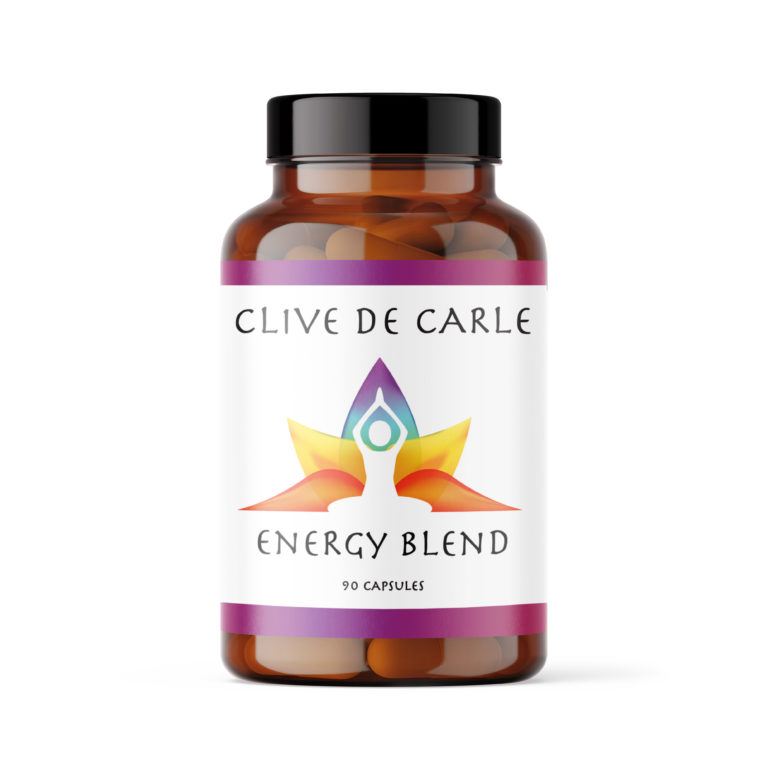
Energy Blend Supports
CLIVE DE CARLE
Energy Blend is a comprehensive formula designed to fuel your body at a cellular level, promoting sustained physical stamina and mental clarity without synthetic spikes. It targets fundamental metabolic pathways to ensure your nervous system and hormonal activity remain balanced and resilient.
Related INNERSTANDIN reading
Explore the biology
Open published articles whose category or tags exactly match a stored label from this listing.
Checking published reading labels...
These are editorial navigation links from exact stored listing labels. They are not personal recommendations, suitability assessments, efficacy claims, or clinical conclusions.
Field Notes
Approved Field Notes are reader-submitted educational experiences. They do not independently verify the listing, establish clinical evidence, endorse a product, or provide a personal recommendation.
Vetting markers, as stored
Stored markers are shown as supplied by the listing.
Not supplied in this listing
Usage context and cautions
These are stored listing statements, not personalised recommendations.
Not supplied in this listing
Availability and safety
Not supplied in this listing
Not supplied in this listing
Editorial limitations
This briefing presents available fields from the listing. It does not independently assess source quality, product efficacy, manufacturer status, safety, suitability, or outcomes.
Some products on this page include affiliate links. INNERSTANDIN may receive a commission if you purchase through them, at no additional cost to you. This does not influence our editorial independence. Products listed are not intended to diagnose, treat, cure, or prevent any disease or medical condition. Always consult a qualified and registered healthcare professional before starting any supplement, product, or health regimen.