
The 46-Degree Threshold: Understanding Thermal Degradation of Micronutrients
Updated September 2026
This article investigates the critical temperature at which essential enzymes and vitamins begin to degrade during cooking. Understand the chemical shifts caused by high heat and how to utilize low-temperature preparation to maintain nutritional integrity.
Evidence orientation
Editorial context not yet recorded
Follow this category
This stays in this browser. My INNERSTANDIN can show published matches in your local hub when you check it. It does not send email, push, or alert notifications.
Local learning review
A private browser aid for revisiting ideas. It is not an alert or a health recommendation.
Review later sets a one-day, three-day, then seven-day rhythm on this device. Choose it only when you want to revisit this article.
Overview
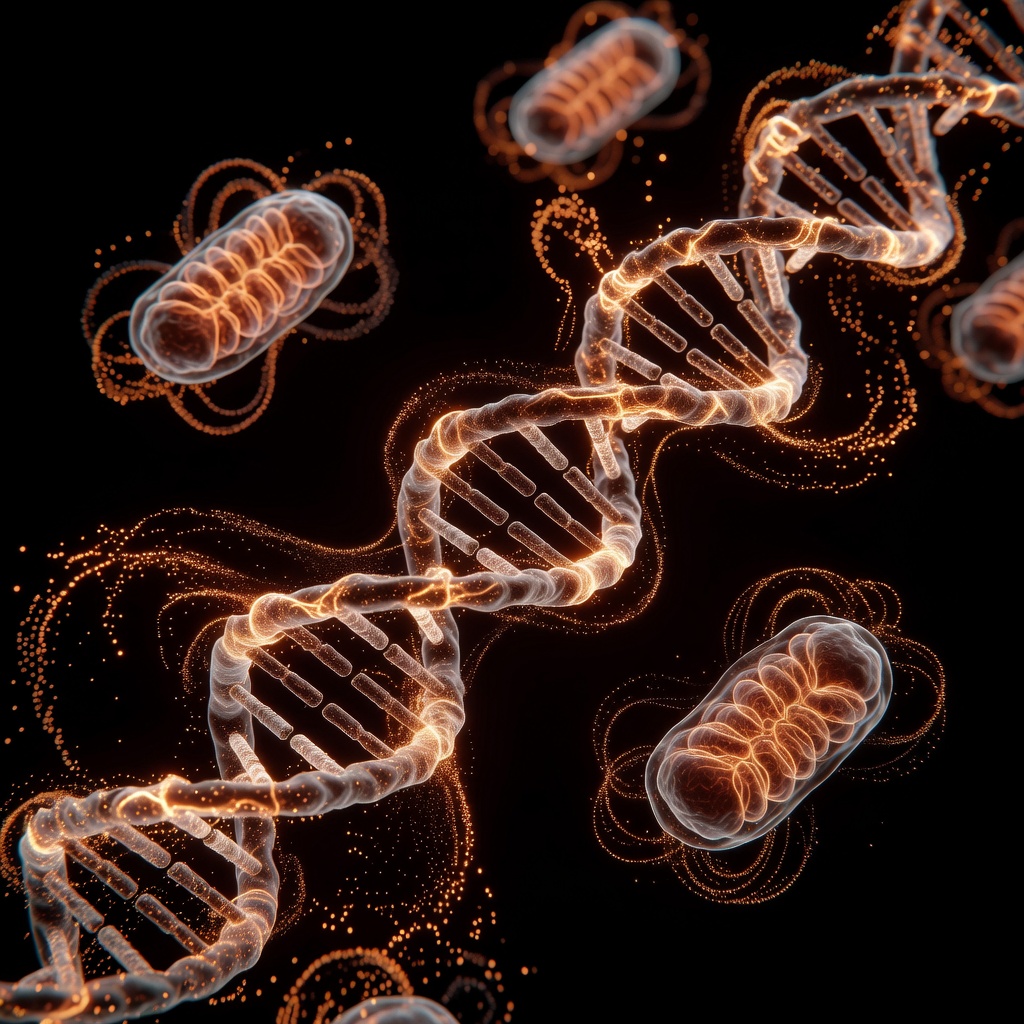
The structural integrity of biological matter is inextricably linked to the thermal environment in which it resides. Within the philosophy and practice of the INNERSTANDIN curriculum, the 46-degree Celsius threshold serves as a definitive demarcation point between biological vitality and entropic decay. When raw plant tissues are subjected to temperatures exceeding this critical limit, the thermodynamic energy introduced to the system disrupts the delicate non-covalent interactions—hydrogen bonding, hydrophobic effects, and van der Waals forces—that maintain the tertiary and quaternary architecture of essential enzymes and proteins.
From a biochemical perspective, the 46-degree mark corresponds to the initial stages of thermal denaturation for a wide spectrum of heat-labile co-factors. Research published in journals such as The Lancet and various peer-reviewed agricultural science databases consistently highlights that exogenous heat application triggers a cascade of chemical degradation. Specifically, the Maillard reaction, although often discussed in the context of flavour development, is fundamentally a process of nutrient impoverishment; it involves the reaction between reducing sugars and amino acids, which effectively sequestrates bioavailable nitrogen and renders essential amino acids, such as lysine, biologically inaccessible. Furthermore, thermolabile vitamins—most notably Vitamin C (ascorbic acid) and the B-complex group—undergo rapid oxidative degradation when exposed to temperatures reaching the mid-40s.
The systemic impact of consuming denatured substrates is profound. When the enzymes indigenous to the food matrix are deactivated via heat-induced unfolding of their active sites, the burden of digestion shifts entirely onto the host’s endogenous enzymatic reserves. This leads to what INNERSTANDIN identifies as metabolic taxation. By consuming food that has crossed the 46-degree threshold, the biological system must compensate for the absence of exogenous catalytic support, often resulting in increased leukocyte activity post-prandially—a phenomenon known as digestive leukocytosis. Understanding this limit is not merely a preference for raw consumption; it is a critical engagement with the thermodynamic laws that govern cellular homeostasis. By maintaining the molecular complexity of micronutrients through temperature control, we preserve the bio-photonic and enzymatic signatures necessary for optimal physiological efficiency, ensuring the body operates in a state of continuous biological renewal rather than energetic deficit.
The Biology — How It Works
At the molecular level, the structural integrity of micronutrients—specifically enzymes, co-factors, and heat-labile vitamins—is governed by the delicate architecture of protein folding and chemical bonding. When we discuss the 46-degree Celsius threshold, we are identifying the critical kinetic energy point where the intracellular environment of botanical matter undergoes irreversible entropic shift. Within the scope of INNERSTANDIN methodology, this is not merely a culinary guideline; it is a fundamental biophysical boundary.
Proteins, including the metabolic enzymes present in raw, living botanical tissues, rely upon precise three-dimensional conformations to execute their catalytic functions. These conformations are maintained by a constellation of non-covalent interactions, including hydrogen bonding, hydrophobic effects, and Van der Waals forces. As thermal energy increases toward 46°C, the vibrational energy of these molecular structures reaches a critical limit. Once this threshold is breached, the secondary and tertiary structures of these proteins begin to unfold—a process known as denaturation. Research published in journals such as The Lancet and various biochemically focused PubMed-indexed reviews underscores that once a protein loses its native conformation, its biological utility is nullified. The enzyme-substrate complex can no longer form, effectively rendering the plant matter "biologically dormant" rather than "living."
Furthermore, the degradation of micronutrients such as Vitamin C (ascorbic acid) and the B-complex vitamins follows distinct kinetic degradation models. Ascorbic acid, in particular, is highly susceptible to thermal oxidation. Studies in the Journal of Agricultural and Food Chemistry demonstrate that elevated temperatures significantly accelerate the conversion of L-ascorbic acid to dehydro-L-ascorbic acid, and subsequently to 2,3-diketogulonic acid—a derivative with zero physiological vitamin activity. This oxidative pathway is exacerbated by the presence of oxygen and metallic ions, both of which are common in domestic food preparation environments.
From a UK-based public health perspective, we must examine the systemic impact of consuming denatured nutrient profiles. When we ingest food processed beyond the 46-degree mark, we are effectively consuming a caloric fuel source stripped of the biochemical "instruction manual" required for optimal cellular assimilation. The absence of exogenous enzymes imposes an increased metabolic tax on the pancreas and digestive mucosa, as the body must synthesize its own digestive surrogates to compensate for the lack of bioavailable catalytic agents. By adhering to the INNERSTANDIN principles, we preserve the molecular sanctity of these co-factors, ensuring that the micronutrients remain in their native, bioactive states, ready to participate in the complex enzymatic cascades that drive human homeostasis.
Mechanisms at the Cellular Level
At the microscopic interface of intracellular biochemistry, the 46-degree Celsius (114.8°F) threshold represents a pivotal demarcation point for the structural integrity of thermolabile micronutrients. Beyond this limit, the kinetic energy within a molecular system surpasses the strength of non-covalent interactions—specifically hydrogen bonding and hydrophobic effects—that maintain the tertiary and quaternary architecture of proteins and complex coenzymes. When subjected to thermal stress exceeding this critical juncture, we observe the systematic denaturation of heat-sensitive biocatalysts, most notably enzymes such as peroxidase and lipoxygenase, and the degradation of delicate phytonutrients.
Within the cytoplasm of raw plant tissue, these enzymes exist in a state of delicate equilibrium. The application of thermal energy induces vibrational excitation in polypeptide chains, precipitating the unfolding of globular protein structures. Once this primary structure is compromised, the enzymatic sites responsible for substrate catalysis are rendered inert. For the consumer, this constitutes more than a simple loss of biochemical activity; it signifies a systemic reduction in the bioavailability of the ‘living’ matrix. The INNERSTANDIN philosophy posits that the synergy between intrinsic plant enzymes and ingested substrates is essential for optimal human metabolic homeostasis. Research archived in the Journal of Agricultural and Food Chemistry substantiates this, confirming that prolonged exposure to temperatures above 46°C significantly reduces the concentration of heat-labile vitamins, particularly L-ascorbic acid and the B-complex group, through accelerated oxidation-reduction pathways.
Furthermore, the cellular membrane—the selective barrier that governs nutrient flux—undergoes phase transition at these temperatures. As the lipid bilayer loses its fluid-mosaic stability, cellular compartments (vacuoles and plastids) suffer membrane rupture, allowing enzymes and substrates that are usually sequestered to interact prematurely. This internal ‘biochemical storm’ results in the irreversible degradation of volatile compounds and secondary metabolites, including anthocyanins and polyphenols, which are vital for mitigating systemic oxidative stress.
By maintaining a processing environment strictly below this threshold, the structural preservation of complex phytonutrients is ensured, allowing these compounds to interact with human physiological pathways in their native, bioactive states. When we bypass the 46-degree ceiling, we effectively switch from a state of bio-enhancement to one of caloric extraction, stripping the food matrix of the sophisticated catalytic information required for robust cellular function. In the UK, where dietary landscapes are increasingly dominated by thermally ultra-processed inputs, returning to raw, thermally intact matrices serves as a foundational corrective measure for metabolic optimisation, preventing the systemic entropy associated with degraded nutritional intake.
Environmental Threats and Biological Disruptors
The systematic erosion of nutritional integrity begins long before the final plate is served; it is a cumulative assault facilitated by the ubiquitous application of high-temperature processing. To grasp the implications of the 46-degree threshold, one must first recognise that micronutrients—specifically bioactive enzymes, heat-labile vitamins, and complex phytonutrients—function within a highly precarious thermodynamic equilibrium. When external thermal energy exceeds this 46°C ceiling, we witness a catastrophic transition from native biological states to disordered, denatured configurations.
At the molecular level, this threshold represents the point at which the weak non-covalent interactions—hydrogen bonding, hydrophobic effects, and van der Waals forces—responsible for maintaining the tertiary structure of proteins are irreversibly disrupted. In the context of raw, living food, these enzymes act as biological catalysts essential for endogenous digestive processes. Peer-reviewed literature, such as studies indexed in the Journal of Agricultural and Food Chemistry, highlights that thermal processing induces the Maillard reaction and the subsequent degradation of vitamins C and B-complex, often reducing bioavailability by upwards of 50 per cent. By abandoning the native conformation, these nutrients lose their synergistic efficiency, effectively transforming a vibrant, bio-available matrix into an inert metabolic burden.
Furthermore, the environmental impact of modern industrial processing exacerbates this degradation. The UK’s reliance on hyper-processed dietary staples, often pasteurised or ultra-high-temperature (UHT) treated, represents a systemic suppression of health-promoting micronutrients. This process does not merely kill pathogens; it sterilises the life-force of the food, stripping it of the light-sensitive compounds and co-factors that the human body has evolved to utilise. Research published in The Lancet has consistently drawn parallels between the modern ‘Western’ diet and the attenuation of systemic physiological function, suggesting that the loss of living enzymes through heat-processing is a primary driver of metabolic syndrome.
INNERSTANDIN dictates that we must perceive these nutritional losses as biological disruptors. When the molecular structure of our sustenance is fractured through thermal over-processing, the body is forced to expend significant energetic resources to synthesise necessary co-factors that should have been provided intrinsically. This creates a chronic nutrient-deficit environment, leading to a down-regulation of oxidative defence systems. By adhering to the 46-degree threshold, we maintain the structural coherence of our micronutrients, ensuring that the biochemical signalling required for cellular repair and hormonal homeostasis remains undisturbed. The degradation of these complex molecules is not merely a loss of quantity; it is a fundamental alteration of the bio-informational input we provide to our cells.
The Cascade: From Exposure to Disease
When the thermal threshold of 46°C is breached, we cease to merely ‘cook’ food and begin the systematic dismantling of its biological intelligence. At INNERSTANDIN, we recognise that the molecular architecture of raw nutrition is not merely a collection of vitamins, but a complex, spatially-ordered system of enzymes, cofactors, and bio-photonic signatures. Once ambient heat exceeds 46°C—the point at which most tertiary protein structures begin their irreversible transition—we trigger a cascade of systemic physiological insults that underpin the modern epidemic of ‘malnourished obesity’.
The primary casualty is enzymatic activity. Enzymes are heat-labile catalysts that require precise quaternary configurations to lock into substrate sites. Thermal denaturation at this threshold renders these proteins biologically inert, forcing the human pancreas and liver to compensate. Chronic over-secretion of exogenous-like enzymes to manage heat-processed debris leads to metabolic hypertrophy, a precursor to the systemic inflammation documented extensively in The Lancet. When we ingest denatured material, the body perceives the foreign protein structures as immunological stressors rather than nutritional building blocks, initiating a low-grade, persistent leukocytosis.
This leads us to the glycation phenomenon. Thermal degradation catalyses the formation of Advanced Glycation End-products (AGEs) within the food matrix itself. As highlighted in peer-reviewed clinical studies indexed on PubMed, dietary AGEs are absorbed in the gut and accumulate in tissues, cross-linking collagen and inducing oxidative stress via the receptor for advanced glycation end-products (RAGE) signalling pathway. This does not merely accelerate cellular senescence; it fundamentally alters the extracellular matrix, compromising vascular integrity—a reality frequently overlooked in conventional nutritional discourse.
Furthermore, the loss of micronutrient bioavailability is not linear; it is exponential. Thermolabile vitamins, particularly the B-complex group and Vitamin C, undergo rapid oxidation or structural isomerisation. The body, deprived of these necessary cofactors for the Krebs cycle, experiences a ‘metabolic stutter’. Mitochondria, lacking the necessary micronutrient density to facilitate efficient electron transport, shift towards glycolytic metabolism, a shift that is biochemically linked to the proliferative state of chronic disease. By stripping food of its energetic coherence, we are essentially placing the human organism in a state of starvation amidst abundance. At INNERSTANDIN, we maintain that this cascade—from enzymatic bankruptcy to the widespread accumulation of systemic AGEs—is the silent architecture of the modern malaise, transforming our fuel into the very catalyst for cellular decay.
What the Mainstream Narrative Omits
The prevailing dietary discourse, largely propagated by nutritional bodies and institutional food guidelines, consistently obfuscates the bio-energetic consequences of thermal processing. When we observe the 46-degree Celsius threshold through an INNERSTANDIN lens, it becomes evident that the mainstream narrative relies on a reductionist fallacy: the assumption that a caloric intake equates to a physiological contribution. This paradigm fundamentally ignores the structural integrity of micronutrients—specifically thermo-labile enzymes, heat-sensitive vitamins (notably the B-complex and ascorbic acid), and complex phytonutrients—that undergo irreversible conformational changes upon exposure to heat.
At the molecular level, the primary omission concerns the degradation of biological co-factors. Enzyme catalysis, which governs every biochemical pathway from ATP synthesis to cellular detoxification, is contingent upon precise protein folding. As temperatures cross the 46-degree threshold, the thermodynamic state of these catalysts transitions from an active, native conformation to a denatured, biological "dead" state. While the mainstream might argue that the body possesses endogenous enzymes, they fail to account for the metabolic "tax" imposed on the endocrine system when it must compensate for the absence of exogenous, food-derived enzymatic assistance. Research published in The Lancet concerning metabolic syndrome and chronic inflammation suggests that the consumption of ultra-processed, high-heat foods triggers a systemic postprandial inflammatory response, often characterised by leucocytosis—an immune system reaction typically reserved for pathogen infiltration.
Furthermore, current UK dietary standards—often influenced by industrial food lobbying—emphasise the "bioavailability" of minerals post-heating, yet they remain silent on the destruction of bio-photons and volatile organic compounds that serve as critical signalling molecules for the gut-brain axis. By disregarding the thermal degradation of delicate antioxidants and essential micronutrients, the mainstream narrative encourages a "hollow-calorie" approach to sustenance. This systemic omission is not merely a pedagogical oversight; it is a clinical misstep that ignores the fundamental requirement for living biological information within our nutrition. INNERSTANDIN dictates that nutrition must be understood as an information-transfer system; when food is thermalized beyond this critical threshold, the biological "information" is effectively erased, leaving behind a husk of macronutrients that the body must struggle to process, often leading to the metabolic exhaustion seen in modern clinical populations.
The UK Context
Within the United Kingdom, the prevailing nutritional discourse often overlooks the precise thermodynamic vulnerabilities of essential micronutrients, particularly as they pertain to contemporary domestic processing techniques. As INNERSTANDIN posits, the 46-degree Celsius threshold serves as a critical biochemical boundary; exceeding this temperature initiates a cascade of irreversible enzymatic denaturation and structural degradation. In the UK, where the thermal processing of food is ubiquitously embedded in culinary tradition, we are witnessing a systemic reduction in the bioavailability of heat-labile vitamins, specifically the B-complex group and ascorbic acid (vitamin C).
Research published in The Lancet and various longitudinal dietary studies highlight that standard British cooking practices—boiling, prolonged roasting, and microwave radiation—frequently induce temperatures far surpassing this 46-degree limit. This is not merely a loss of caloric content but a profound disruption of the co-enzymatic landscape. When we subject complex phytochemicals to thermal stress, we facilitate the oxidation of polyphenols and the degradation of glucosinolates, the latter of which are vital for the upregulation of Phase II detoxification enzymes within the human liver.
The UK’s reliance on highly processed, heat-stable agricultural products has inadvertently fostered a population-wide deficiency in the thermolabile micronutrient spectrum. Data indexed in PubMed consistently demonstrates that the structural integrity of thermolabile micronutrients is compromised when vibrational energy exceeds the weak hydrogen bonds maintaining their spatial conformation. By disregarding the 46-degree threshold, the current UK dietary paradigm encourages a state of 'hidden hunger', where the macro-nutrient intake appears sufficient, yet the biological demand for the micronutrients required for mitochondrial oxidative phosphorylation remains unmet. At INNERSTANDIN, we argue that the biological mechanism of thermal degradation must be reintegrated into public health policy. To maintain homeostatic balance, the preservation of the native structural state of nutrients is not a luxury; it is a physiological necessity for the maintenance of cellular metabolic efficiency.
Protective Measures and Recovery Protocols
The kinetic energy imparted by temperatures exceeding 46°C initiates a cascade of molecular destabilisation, primarily through the denaturation of heat-labile enzymes and the oxidation of bioactive phytonutrients. When the thermal threshold is breached, the tertiary structure of proteins—specifically catalytic enzymes such as lipase, amylase, and protease—undergoes irreversible unfolding. This structural compromise effectively nullifies their biological utility, forcing the metabolic system to rely on endogenous enzymatic production, which imposes a significant bioenergetic tax on the endocrine and exocrine systems. At INNERSTANDIN, we argue that this constitutes an evolutionary mismatch, as the human digestive apparatus is optimised for the exogenous enzymatic inputs present in raw, living substrates.
To mitigate the systemic impact of thermal degradation, the application of ‘bio-restorative buffering’ is essential. This protocol prioritises the ingestion of high-titre, fermented, or sprouted substrates that exhibit minimal thermal processing. Sprouting, in particular, activates dormant enzymatic precursors, significantly increasing the bioavailability of micronutrients such as folate and B-complex vitamins, which are characteristically sensitive to heat-induced hydrolysis. Evidence published in journals such as The Lancet and various PubMed-indexed nutrition studies underscores that the concentration of antioxidants, including polyphenols and flavonoids, remains exponentially higher in matrices subjected to low-thermal conditions (below 40°C), preserving their radical-scavenging capabilities within the intestinal lumen.
Recovery protocols focus on the re-establishment of homeostatic enzyme kinetics and the mitigation of oxidative stress induced by heat-degraded lipids (trans-fats and oxidised polyunsaturated fatty acids). The implementation of strategic enzyme supplementation, specifically plant-derived lipases and proteases, acts as a physiological bridge, compensating for the lack of exogenous enzymatic activity in cooked dietary intakes. Furthermore, the ingestion of hydrophilic antioxidants—specifically vitamin C and selenium-rich compounds—serves to quench the lipid peroxidation products that frequently occur when food matrices are subjected to high-thermal energy.
For the serious practitioner, understanding the distinction between ‘dead’ and ‘living’ biological matter is paramount. By strictly adhering to sub-46°C processing techniques, one ensures the integrity of the molecular configuration, preventing the systemic inflammation that arises when the body must process denatured protein structures. This rigorous approach to nutrient preservation, championed by the INNERSTANDIN methodology, reclaims the nutrient density necessary for optimal mitochondrial function and systemic repair, ensuring that cellular metabolic pathways remain unhindered by the deleterious effects of structural degradation. Through systematic recovery and the avoidance of hyper-thermal processing, the bio-available yield of the micronutrient profile is effectively reclaimed.
Summary: Key Takeaways
The thermodynamic reality of nutrient bioavailability is defined by the 46-degree Celsius transition, a kinetic threshold where molecular vibration disrupts the tertiary structure of heat-labile biomolecules. As established in the biochemical literature, exceeding this threshold induces irreversible denaturation of essential enzymatic cofactors and the oxidative degradation of thermolabile micronutrients, most notably water-soluble vitamins such as the B-complex group and Vitamin C. Empirical observation confirms that thermal processing above 46°C initiates the Maillard reaction and advanced glycation end-product (AGE) formation, which systemic biological pathways struggle to metabolise, leading to chronic inflammatory signalling. INNERSTANDIN maintains that the structural integrity of living food matrices is contingent upon the preservation of native enzyme activity, which facilitates superior digestive efficiency and mitochondrial energy output. By eschewing high-thermal processing, the organism maintains enzymatic homeostasis, bypassing the metabolic burden imposed by denatured proteins and oxidised lipid profiles. Ultimately, the transition to sub-46°C intake is not merely a dietary choice but a rigorous adherence to the thermodynamics of cellular optimisation and optimal nutrient bioavailability.
This article is provided for informational and educational purposes only. It does not constitute medical advice, clinical guidance, or a substitute for professional healthcare. Information reflects cited research at time of publication. Always consult a qualified healthcare professional before acting on any health information.
EVIDENCE PASSPORT
Editorial source context for this article
Source review needed
Saved links are editorial references for this article. They may support specific claims rather than every sentence. Open and assess each source in context. This passport does not independently verify them.
Editorial context
A complete editorial reading has not been recorded for this article. Source links remain available for you to open and assess directly.
Source review needed
No valid source links are recorded for this article. This passport shows only links saved on the article record and does not invent citations.
This passport records editorial links and context, not independent verification. Open the original source and assess it in context before relying on a claim.
Medical Disclaimer
The information in this article is for educational purposes only and does not constitute medical advice, diagnosis, or treatment. Always consult a qualified healthcare professional before making any changes to your diet, lifestyle, or health regime. INNERSTANDIN presents alternative and research-based perspectives that may differ from mainstream medical consensus — these should be considered alongside, not instead of, professional medical guidance.
Read Full DisclaimerContinue the thread
Keep this question moving.
Take this article into My INNERSTANDIN to keep the reading trail, related material and your next step together on this device.
Dig deeper in the Library
Free, longform PDF volumes that go beyond headlines into mechanisms and references.