
The 72-Hour Reset: How Prolonged Fasting Regenerates the Immune System
Updated May 2026
Investigate the profound effects of extended fasting on hematopoietic stem cells and immune rejuvenation. Understand why a 3-day fast is considered a 'biological reboot' for the human defense system.
Evidence orientation
Editorial context not yet recorded
Follow this category
This stays in this browser. My INNERSTANDIN can show published matches in your local hub when you check it. It does not send email, push, or alert notifications.
Local learning review
A private browser aid for revisiting ideas. It is not an alert or a health recommendation.
Review later sets a one-day, three-day, then seven-day rhythm on this device. Choose it only when you want to revisit this article.
Overview
In the modern landscape of clinical medicine and public health, we are often led to believe that the human body is a fragile vessel, perpetually requiring external chemical intervention to maintain its integrity. We are told that the immune system is a static entity that gradually wears down with age—a process known as immunosenescence—and that our only hope lies in a lifelong schedule of pharmaceutical support. However, emerging research from the world’s leading longevity institutes is exposing a biological truth that the mainstream food and drug industries have long ignored: the human body possesses a "reset button" for its entire defensive architecture.
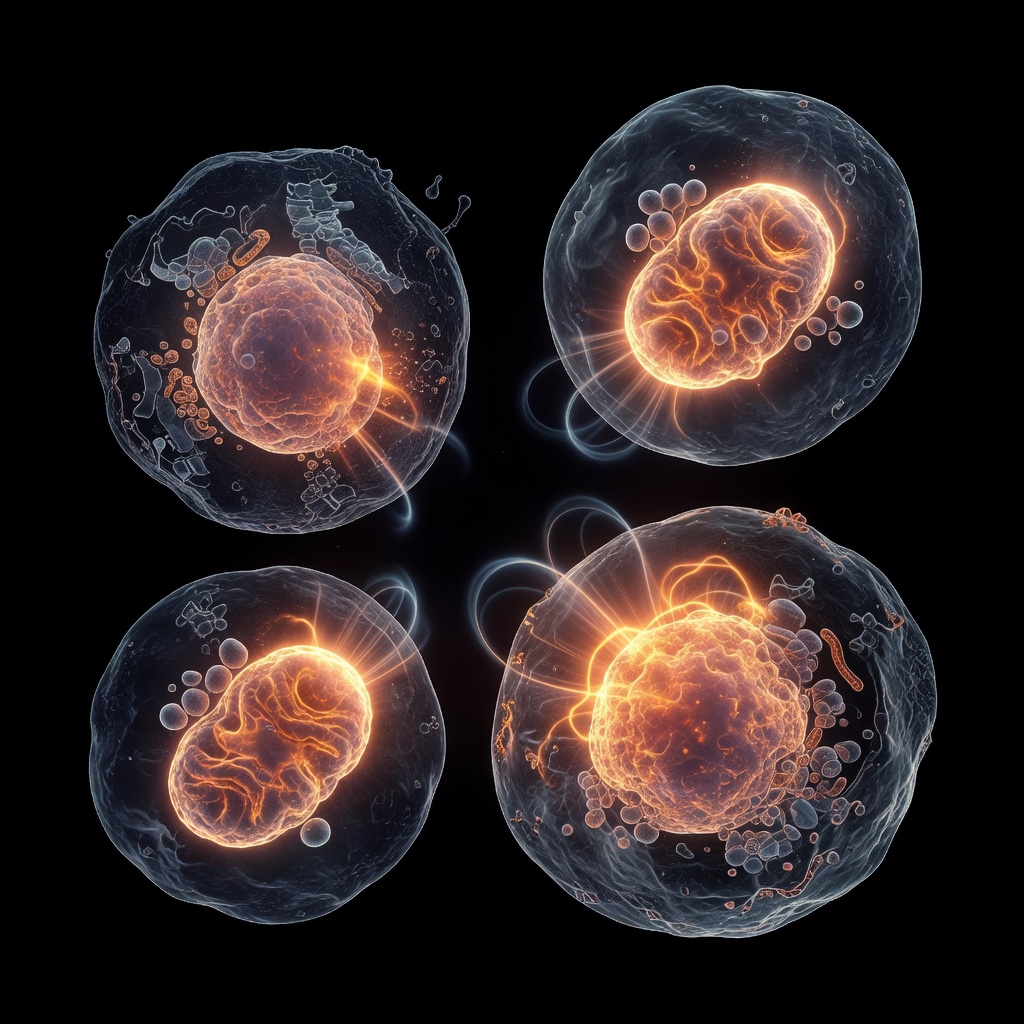
This reset is not found in a pill or a boutique supplement; it is found in the absence of intake. The 72-hour prolonged fast is now recognised by pioneering biological researchers as a profound metabolic and immunological intervention. It is a period of controlled physiological stress that forces the body to shed its damaged components and, crucially, triggers the activation of hematopoietic stem cells—the master cells responsible for creating fresh, high-functioning blood and immune cells.
For decades, the standard nutritional advice in the United Kingdom has focused on "little and often," encouraging a state of perpetual digestion. This constant influx of nutrients keeps the body in a state of growth and storage, effectively silencing the ancient survival genes that govern cellular repair. By depriving the system of exogenous energy for a full three days, we flip a biological switch from mTOR (mammalian target of rapamycin)-driven growth to AMPK (adenosine monophosphate-activated protein kinase)-driven repair.
The implications are staggering. A 72-hour fast does not merely "rest" the digestive tract; it initiates a systemic purging of "zombie" cells and old, inefficient white blood cells, clearing the path for a brand-new immune system to be built from the ground up. This article will deconstruct the intricate biochemical pathways that make this possible, exposing the mechanisms that allow the body to heal itself when we simply step out of its way.
##
##
The Biology — How It Works
To understand why 72 hours is the "magic number" for an immune reboot, we must first understand the metabolic transition the body undergoes when it moves from a fed state to a deep fasting state. The human body is evolved for metabolic flexibility—the ability to switch between burning glucose and burning stored adipose tissue (fat). In our current environment of caloric abundance, most individuals have lost this flexibility, remaining "sugar burners" for their entire lives.
The Glycogen Depletion Phase (0–24 Hours)
In the first 24 hours of a fast, the body primarily relies on circulating blood glucose and glycogen stored in the liver and muscles. As blood sugar drops, the pancreas reduces insulin secretion and increases the release of glucagon. This hormonal shift signals the liver to begin breaking down glycogen into glucose to fuel the brain and red blood cells. During this phase, the immune system remains largely unchanged, though systemic inflammation begins to dampen as insulin levels plummet.
The Ketogenic Transition (24–48 Hours)
As glycogen stores are exhausted, the body enters a state of gluconeogenesis, synthesising glucose from non-carbohydrate sources (like glycerol from fats and certain amino acids). However, the brain cannot run on fatty acids alone. To bridge the energy gap, the liver begins producing ketone bodies—specifically acetoacetate, beta-hydroxybutyrate (BHB), and acetone.
Biological Fact: Beta-hydroxybutyrate (BHB) is not just a fuel source; it is a powerful signalling molecule that inhibits the NLRP3 inflammasome, a multi-protein complex responsible for triggering the inflammatory response that leads to chronic disease.
By the 48-hour mark, the body has entered deep ketosis. It is here that the cellular "housecleaning" known as autophagy reaches its peak. Autophagy, from the Greek "self-eating," is the process by which cells identify damaged organelles, misfolded proteins, and intracellular pathogens, and break them down into their constituent parts for energy or recycling.
The Stem Cell Activation Phase (48–72 Hours)
This is the critical window where the "reset" occurs. By the third day of fasting, the body recognises that nutrient scarcity is a long-term threat. In an act of radical preservation, it begins to downregulate the PKA (Protein Kinase A) enzyme. PKA is the key regulatory switch that must be turned off to allow hematopoietic stem cells to transition from a dormant state into a regenerative state.
When PKA levels drop, and the growth hormone IGF-1 (Insulin-like Growth Factor 1) reaches its nadir, the body is given a clear signal: Get rid of the old, the weak, and the inefficient. The body begins a massive cull of old white blood cells (leukocytes). While this may sound alarming, it is the essential precursor to rejuvenation. Once the fast is broken, the stem cells, now "unlocked," flood the system to produce brand-new, vigorous immune cells.
##
##
Mechanisms at the Cellular Level
The "magic" of the 72-hour reset is rooted in specific intracellular pathways that are almost never activated in a well-fed individual. To understand the depth of this regeneration, we must look at the interplay between nutrient sensors and genetic expression.
The PKA Switch and Hematopoietic Stem Cells
Research led by Dr Valter Longo at the University of Southern California—work that has profound implications for the UK’s approach to oncology and chronic disease—revealed that prolonged fasting reduces levels of PKA. This enzyme acts as a gatekeeper. When PKA is active (fuelled by constant eating), stem cells remain in a "maintenance" mode. When PKA is silenced by fasting, it triggers a "re-modelling" mode.
The reduction in PKA, combined with the drop in IGF-1, forces the body to conserve energy. The most "expensive" system to maintain is the immune system. By killing off older, damaged immune cells through apoptosis (programmed cell death), the body reduces its metabolic burden. This creates a vacuum that must be filled by the activation of hematopoietic stem cells in the bone marrow. These stem cells are the "progenitors" of all blood cells. When re-feeding begins, they proliferate, creating a fresh army of T-cells, B-cells, and Natural Killer (NK) cells.
Autophagy and the Lysosomal System
While the stem cells are preparing for the future, the existing cells are undergoing a deep internal cleanse. Autophagy is mediated by autophagosomes—double-membrane vesicles that engulf damaged cellular components. These "trash bags" then fuse with lysosomes, which contain acidic enzymes that dissolve the contents.
- Mitophagy: A specific form of autophagy that targets damaged mitochondria (the cell's power plants). Damaged mitochondria leak reactive oxygen species (ROS), which cause DNA damage and accelerate ageing. A 72-hour fast forces the cell to recycle these broken power plants, replacing them with more efficient ones.
- Proteostasis: The clearance of misfolded proteins. In diseases like Alzheimer's or Parkinson's, misfolded proteins (amyloid-beta or alpha-synuclein) accumulate. Fasting is one of the only known ways to upregulate the clearance of these toxic aggregates.
The Hormetic Response and FoxO Genes
Fasting is a form of hormesis—a beneficial stress that makes the organism more resilient. During a 72-hour fast, the body increases the expression of FoxO (Forkhead box O) transcription factors. These are often referred to as "longevity genes." They coordinate the expression of genes involved in DNA repair, oxidative stress resistance, and cell cycle arrest. By pausing the cell cycle, the body ensures that no damaged DNA is replicated, preventing the mutations that lead to cancer.
Key Pathway: The inhibition of the PI3K/Akt/mTOR pathway during fasting is the primary driver of cellular longevity. In the absence of insulin and amino acids (specifically leucine), mTOR is silenced, allowing the body's repair mechanisms to take over.
##
##
Environmental Threats and Biological Disruptors
Why is a 72-hour reset so necessary in the 21st century? The answer lies in the unprecedented chemical and biological load our immune systems must now navigate. Our ancestors fasted by necessity, but their environment was clean. We live in an era of "chemical soup," where the immune system is perpetually distracted by non-biological threats.
Endocrine Disruptors and the Immune Burden
The modern Briton is exposed to thousands of synthetic chemicals daily. Phthalates, bisphenols (BPA/BPS), and per- and polyfluoroalkyl substances (PFAS)—often called "forever chemicals"—ubiquitously contaminate our food packaging and water supply. These substances are immunotoxic; they interfere with the delicate signalling between cytokines and immune cells.
- PFAS: Found in non-stick cookware and waterproof clothing, these chemicals have been linked by the Environment Agency to suppressed vaccine response and increased susceptibility to infections.
- Microplastics: Recent studies have found microplastics in human blood and lung tissue. These particles act as physical irritants, triggering constant, low-grade activation of macrophages, leading to chronic systemic inflammation.
The Glyphosate Factor
In the UK, the use of glyphosate-based herbicides remains a point of intense biological concern. Glyphosate does not just kill weeds; it acts as a patented antibiotic, disrupting the gut microbiome (the shikimate pathway in bacteria). Since approximately 70-80% of the human immune system resides in the Gut-Associated Lymphoid Tissue (GALT), the degradation of the microbiome directly translates to immune dysfunction.
Alarming Statistic: Data suggests that glyphosate residues are found in over 60% of UK bread products tested by the Defra Expert Committee on Pesticide Residues in Food (PRiF). This constant exposure keeps the GALT in a state of hyper-vigilance, contributing to the rise in autoimmune conditions.
Heavy Metal Accumulation
From the air we breathe in urban centres like London and Manchester to the old lead piping still present in some UK housing, heavy metals like lead, mercury, and cadmium accumulate in our tissues. These metals displace essential minerals like zinc and selenium, which are co-factors for immune enzymes. Fasting facilitates the release of these toxins from adipose tissue, where they are often sequestered, allowing the liver and kidneys a dedicated window for detoxification without the interference of new incoming toxins from food.
##
##
The Cascade: From Exposure to Disease
When the immune system is never given the chance to "reset," a predictable and devastating cascade occurs. This is the transition from acute exposure to chronic, irreversible disease. The mainstream medical narrative focuses on treating the symptoms of this cascade, rather than addressing the underlying failure of immune "clearance."
Phase 1: Immunosenescence and "Inflammaging"
As we age—and as we eat continuously—our pool of "naive" T-cells (those ready to learn and fight new threats) shrinks. We are left with an abundance of "memory" T-cells that are exhausted. This state is known as immunosenescence. Simultaneously, the body enters a state of inflammaging—a low-level, chronic inflammatory fire that never goes out. This inflammation is the primary driver of arterial damage, leading to cardiovascular disease, the UK's leading cause of death.
Phase 2: The Failure of Immune Surveillance
One of the immune system's most vital roles is "immune surveillance"—identifying and destroying mutated cells before they become tumours. When the system is bogged down by the "zombie" cells (senescent cells) that have accumulated over years of over-consumption, its ability to spot these rogue cells is compromised. This is why the risk of cancer increases exponentially with age and metabolic dysfunction.
Phase 3: The Cytokine Storm and Autoimmunity
A "dirty" immune system is also a hyper-reactive one. In the presence of constant environmental triggers (like the ones mentioned in the previous section), the immune system may lose the ability to distinguish between "self" and "non-self." This leads to the production of autoantibodies, where the body attacks its own tissues—be it the thyroid (Hashimoto's), the joints (Rheumatoid Arthritis), or the gut lining (Crohn's).
The 72-hour fast interrupts this cascade by physically removing the exhausted cells and the pro-inflammatory signals they emit. It is a biological "clearcutting" of a forest that has become choked with deadwood and invasive species, allowing for a new, healthy ecosystem to grow.
##
##
What the Mainstream Narrative Omits
If the science of fasting is so robust—with studies published in journals as prestigious as Cell and Nature—why is it not the cornerstone of NHS preventative health advice? The answer is uncomfortable and highlights a systemic bias within the global healthcare and food industries.
The Lack of "Patentability"
The primary driver of modern medical research is the Randomised Controlled Trial (RCT) funded by pharmaceutical interests. These trials cost hundreds of millions of pounds. Because no one can "own" or "patent" the act of not eating, there is no financial incentive for large-scale clinical trials into 72-hour fasting. Consequently, it is relegated to the fringes of "alternative" medicine, despite being rooted in hard evolutionary biology.
The Economic Engine of Digestion
The UK economy, like many others, is heavily reliant on the continuous consumption of Ultra-Processed Foods (UPFs). From the moment we wake up, we are marketed "heart-healthy" cereals and "energy-boosting" snacks. This "snack culture" ensures that the British public remains in a post-prandial (fed) state for 16-18 hours a day.
Exposed Truth: If the general population were to adopt a quarterly 72-hour fast, the demand for anti-inflammatory drugs, blood pressure medication, and insulin-sensitising agents would plummet. The "6 meals a day" myth was not designed for your longevity; it was designed for market stability.
The Misunderstanding of "Starvation"
Mainstream health portals often conflate controlled, therapeutic fasting with clinical starvation. This is a fundamental biological error. Starvation is a state of wasting where the body has exhausted its fat stores and begins to break down vital organ tissue. Fasting, conversely, is the controlled use of stored energy. The average person in the UK carries enough adipose tissue to fuel them for weeks, not just days. To label a 72-hour fast as "starvation" is to deny the very biological mechanism that allowed our species to survive the winter.
##
##
The UK Context
The health of the United Kingdom is at a critical juncture. As the NHS faces unprecedented waiting lists and a burgeoning crisis of "lifestyle diseases," the need for self-directed biological intervention has never been greater.
The NHS Burden and Metabolic Syndrome
The National Health Service spends a staggering proportion of its budget—estimated at over £6 billion annually—on treating Type 2 Diabetes and its complications. Type 2 Diabetes is, at its core, a disease of chronic over-nutrition and insulin resistance. By implementing a 72-hour reset, individuals can radically improve insulin sensitivity, often more effectively than through pharmacological means like Metformin.
The British Diet and the "Fibre Gap"
The "Western" diet as consumed in the UK is notoriously high in refined carbohydrates and low in fermented foods and fibre. This has led to a population with an impoverished microbiome. As discussed, a weak microbiome equals a weak immune system. Fasting provides the gut with a period of physiological rest, allowing the mucosal lining of the intestines to repair itself through autophagy, reducing "leaky gut" and the systemic inflammation that follows.
Regulatory Oversight and Environmental Load
While the UK has some of the most stringent food safety standards in the world, the Food Standards Agency (FSA) and MHRA are often playing a game of "catch-up" with the chemical industry. The "cocktail effect"—the cumulative impact of low-level exposure to multiple toxins—is rarely studied. For the UK citizen, fasting is a necessary counter-measure to an environment that the regulators cannot fully control.
##
##
Protective Measures and Recovery Protocols
A 72-hour fast is a powerful tool, but it must be executed with precision. The goal is to induce a "controlled" stress, not to overwhelm the system. The "Reset" is a three-stage process: Preparation, the Fast, and the Re-feed.
1. The Preparation (Phase-In)
Attempting a 72-hour fast while coming off a high-sugar, high-carb diet is a recipe for failure. The "keto flu"—headaches, lethargy, and irritability—is essentially sugar withdrawal.
- The Week Before: Transition to a low-carbohydrate, high-fat (ketogenic) diet. This encourages the liver to begin producing the enzymes needed for fat-burning.
- Hydration: Begin increasing water intake and ensure you are getting adequate sea salt (not refined table salt) to maintain sodium levels.
2. The 72-Hour Fast (The Execution)
During the fast, you are consuming zero calories. This means no "bulletproof" coffee, no creamers, and no "zero-calorie" sweeteners (which can still trigger an insulin response).
- Water & Electrolytes: This is the most critical factor. As insulin drops, the kidneys excrete sodium, potassium, and magnesium. You must supplement these.
- The "Snake Juice" Protocol: A common mix used by long-term fasters involves adding potassium chloride (NoSalt), sodium bicarbonate, and magnesium sulphate (Epsom salts) to water. This prevents the heart palpitations and dizziness often associated with electrolyte depletion.
- Activity: Keep movement light. Gentle walking or stretching is beneficial, but high-intensity training can raise cortisol too high during a prolonged fast.
3. The Re-feed (The Most Important Part)
How you break the fast determines how much of the "reset" you actually keep. When you start eating again, your stem cells will begin to proliferate. You want to provide them with the highest quality building blocks.
- The "Breaking" Meal: Avoid carbohydrates at all costs for the first 24 hours of re-feeding. A spike in insulin immediately after a long fast can lead to Refeeding Syndrome, a dangerous shift in electrolytes (though rare in 72-hour fasts, it is best to be cautious).
- Recommended Foods: Bone broth (rich in collagen and glycine for gut repair), a small amount of fermented vegetables (to re-seed the microbiome), and high-quality fats like avocado or eggs.
- The 4-Day Rule: It takes about four days for the immune system to fully "re-populate." During this time, focus on nutrient-dense, whole foods. Avoid all UPFs, seed oils, and refined sugars.
Protocol Note: If you are taking medication for blood pressure or blood sugar, you must consult a health professional before undertaking a 72-hour fast, as your requirements for these medications will likely change rapidly as your body's chemistry resets.
##
##
Summary: Key Takeaways
The 72-hour reset is not a mere dietary "trick." It is a profound return to our biological roots—a temporary withdrawal from the modern world’s toxic abundance to allow our internal systems to recalibrate.
- Stem Cell Activation: By day three, the reduction in PKA and IGF-1 acts as a master switch, triggering the bone marrow to produce fresh, naive immune cells.
- Purging of the Old: Through autophagy and apoptosis, the body identifies and recycles damaged "zombie" cells and misfolded proteins, reducing the risk of neurodegeneration and cancer.
- Metabolic Flexibility: Fasting trains the body to switch between glucose and ketones, a fundamental requirement for long-term health and the avoidance of Type 2 Diabetes.
- Environmental Defence: In a UK context, where we are bombarded by glyphosate, microplastics, and heavy metals, the 72-hour fast provides a necessary window for deep cellular detoxification that the "fed state" cannot provide.
- Sovereign Health: By understanding these mechanisms, we move away from a model of "sick care" and toward a model of true biological sovereignty.
The human body is not a machine that wears out; it is a self-healing biological organism that, when given the correct signals of temporary scarcity followed by nutrient density, can rebuild itself from the inside out. The 72-hour reset is the ultimate tool in the arsenal of anyone seeking to reclaim their health from the grip of modern, chronic disease. Turn off the noise, stop the intake, and let your biology do what it was designed to do: survive, repair, and thrive.
This article is provided for informational and educational purposes only. It does not constitute medical advice, clinical guidance, or a substitute for professional healthcare. Information reflects cited research at time of publication. Always consult a qualified healthcare professional before acting on any health information.
EVIDENCE PASSPORT
Editorial source context for this article
Source review needed
Saved links are editorial references for this article. They may support specific claims rather than every sentence. Open and assess each source in context. This passport does not independently verify them.
Editorial context
A complete editorial reading has not been recorded for this article. Source links remain available for you to open and assess directly.
Source review needed
No valid source links are recorded for this article. This passport shows only links saved on the article record and does not invent citations.
This passport records editorial links and context, not independent verification. Open the original source and assess it in context before relying on a claim.
Medical Disclaimer
The information in this article is for educational purposes only and does not constitute medical advice, diagnosis, or treatment. Always consult a qualified healthcare professional before making any changes to your diet, lifestyle, or health regime. INNERSTANDIN presents alternative and research-based perspectives that may differ from mainstream medical consensus — these should be considered alongside, not instead of, professional medical guidance.
Read Full DisclaimerContinue the thread
Keep this question moving.
Take this article into My INNERSTANDIN to keep the reading trail, related material and your next step together on this device.
Explore this in the Body Map
See where this hits your biology. Interactive anatomy, threats, and protective protocols.
Dig deeper in the Library
Free, longform PDF volumes that go beyond headlines into mechanisms and references.