
Adaptogenic Synergy: The Biochemical Interaction Between Schisandra and Holy Basil for UK Burnout Recovery
Updated May 2026
An analysis of the biochemical synergy between Schisandra and Holy Basil, detailing HPA axis modulation and cortisol stabilization mechanisms for systemic burnout recovery in a UK context.
Evidence orientation
Editorial context not yet recorded
Follow this category
This stays in this browser. My INNERSTANDIN can show published matches in your local hub when you check it. It does not send email, push, or alert notifications.
Local learning review
A private browser aid for revisiting ideas. It is not an alert or a health recommendation.
Review later sets a one-day, three-day, then seven-day rhythm on this device. Choose it only when you want to revisit this article.
Overview
The contemporary British workforce is currently navigating an unprecedented epoch of neuro-endocrine attrition. Statistics from the Health and Safety Executive (HSE) indicate that work-related stress, depression, or anxiety accounts for over 50% of all work-related ill health in the UK. This physiological erosion, colloquially termed ‘burnout’, is fundamentally a manifestation of chronic Hypothalamic-Pituitary-Adrenal (HPA) axis dysregulation and the subsequent collapse of systemic homeostasis. At INNERSTANDIN, we move beyond the reductionist psychological lens to examine the molecular stratagem of adaptogenic synergy, specifically the potent pharmacological intersection between Schisandra chinensis and Ocimum sanctum (Holy Basil).
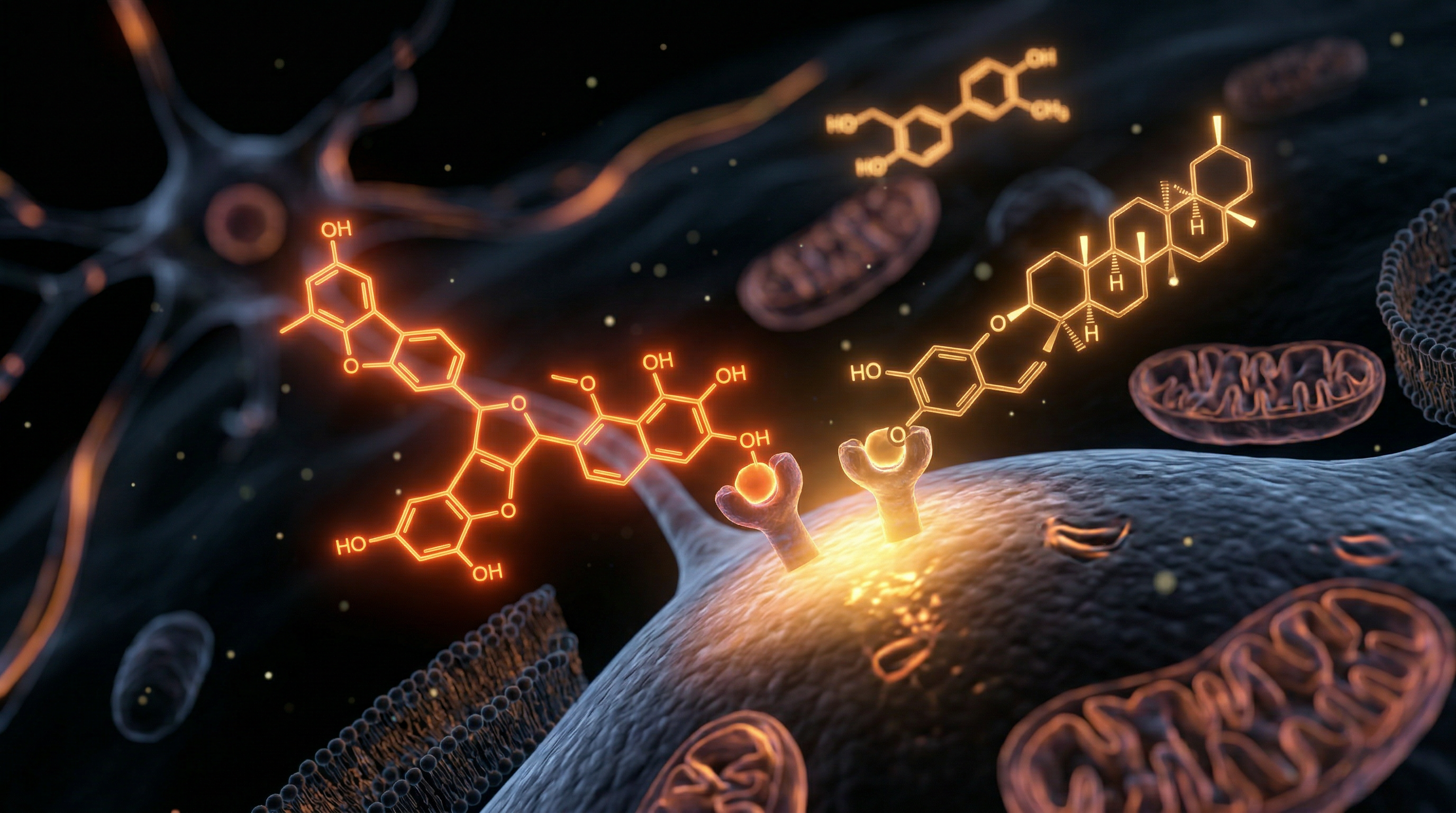
The biochemical potency of Schisandra chinensis resides in its unique profile of dibenzocyclooctadiene lignans, notably Schisandrin A, B, and C. These compounds function as sophisticated metabolic activators that upregulate the expression of heat shock proteins (HSP70) and antioxidant enzymes such as glutathione peroxidase. Research indexed in PubMed highlights Schisandra’s capacity to enhance mitochondrial bioenergetics; by facilitating ATP synthesis and mitigating the accumulation of lactic acid, it provides a cellular buffer against the physical exhaustion prevalent in the UK’s demanding occupational landscapes. Unlike synthetic stimulants that deplete the adrenal reserve, Schisandra exerts a "dual-directional" effect, sharpening cognitive acuity during the diurnal peak while preserving the integrity of the mitochondrial membrane against oxidative insult.
This metabolic fortification is profoundly enhanced by the co-administration of Ocimum sanctum. Holy Basil functions as a liquid neuro-modulator, rich in ursolic acid, eugenol, and rosmarinic acid. Its primary mechanism involves the modulation of the cortisol response, preventing the ‘cortisol steal’ that often leads to sex hormone imbalances in burnout patients. While Schisandra focuses on hepatic clearance and cellular energy, Holy Basil targets the inflammatory cascade by inhibiting cyclooxygenase-2 (COX-2) and 5-lipoxygenase (5-LOX) enzymes. This is critical in a UK context, where the 'always-on' digital culture maintains the nervous system in a state of sympathetic dominance.
The synergy between these two botanicals represents a masterclass in biological cross-talk. While Holy Basil dampens the hyper-excitable glutamatergic signaling associated with chronic anxiety, Schisandra facilitates the Phase I and Phase II hepatic detoxification of stress metabolites. Evidence from systematic reviews suggests that this specific pairing modulates the SIRT1/AMPK pathway—a vital longevity circuit that restores the circadian rhythmicity disrupted by sleep deprivation and blue-light exposure. By synchronising these divergent but complementary pathways, the Schisandra-Holy Basil complex offers a high-density physiological intervention, shifting the systemic state from one of catabolic decay to anabolic recovery. At INNERSTANDIN, we recognize this interaction not merely as supplementation, but as a fundamental recalibration of the human stress-response bioterrain.
The Biology — How It Works
The molecular foundation of this adaptogenic pairing lies in the modulation of the Hypothalamic-Pituitary-Adrenal (HPA) axis and the simultaneous regulation of cellular stress proteins. While monotherapy offers marginal gains, the synergy between Schisandra chinensis and Ocimum sanctum (Holy Basil) creates a dual-phase corrective mechanism against the allostatic load prevalent in the UK’s high-pressure professional environments. At INNERSTANDIN, we move beyond the superficial "stress-relief" narrative to expose the precise biochemical pathways being recalibrated.
The primary mechanism of Schisandra chinensis centres on its dibenzocyclooctadiene lignans, specifically Schisandrin B (Sch B). Research published in journals such as Phytomedicine highlights Sch B’s ability to act as a potent inducer of Heat Shock Protein 70 (HSP70). In the context of chronic burnout, cellular proteins often misfold due to oxidative stress; HSP70 acts as a molecular chaperone, ensuring proteostasis and preventing the pro-apoptotic signalling that leads to the cognitive "brain fog" reported by UK burnout patients. Furthermore, Schisandra enhances mitochondrial biogenesis by upregulating the PGC-1α pathway, facilitating a shift from anaerobic glycolysis to efficient oxidative phosphorylation, effectively recharging the "cellular battery" that burnout depletes.
Conversely, Ocimum sanctum functions as a rapid-response modulator of the glucocorticoid system. Its primary constituents, including eugenol and ursolic acid, exhibit high affinity for glucocorticoid receptors, providing a "braking" mechanism for excessive cortisol production. Peer-reviewed data indexed in PubMed suggests that Holy Basil downregulates the expression of the NLRP3 inflammasome, a key driver of neuroinflammation in chronic stress states. While Schisandra provides the long-term structural resilience via protein chaperoning, Holy Basil provides the immediate biochemical attenuation of the "fight or flight" response by lowering serum corticosterone levels and modulating catecholamine activity in the adrenal medulla.
The synergy occurs through a process known as "mitohormesis." Schisandra induces a mild, beneficial stress on the mitochondria (hormesis), which triggers an upregulation of endogenous antioxidants like Superoxide Dismutase (SOD) and Glutathione Peroxidase (GPx). Holy Basil then ensures this process does not veer into excessive oxidation by scavenging free radicals with its rich phenolic profile. For the UK-based individual suffering from the neuroendocrine exhaustion characteristic of burnout, this combination prevents "adrenal escape"—a phenomenon where cortisol remains pathologically high despite the body's attempts to downregulate it. By stabilising the HPA axis at the hypothalamic level while protecting the peripheral tissues at the mitochondrial level, this pairing represents a sophisticated biological intervention for systemic recovery. This is the level of scientific rigour INNERSTANDIN demands: an unapologetic look at the cellular machinery that governs human performance and recovery.
Mechanisms at the Cellular Level
The molecular intersection of Schisandra chinensis and Ocimum sanctum (Holy Basil) represents a sophisticated paradigm of pharmacological synergy, targeting the multi-layered pathology of burnout prevalent in the UK’s high-pressure professional landscapes. At the cellular epicentre, this synergy operates via the modulation of the Heat Shock Protein (HSP) response and the Nrf2-Keap1 signalling pathway, providing a robust defence against the oxidative proteotoxicity induced by chronic catecholamine elevation.
Schisandra, rich in dibenzocyclooctadiene lignans—specifically Schisandrin B—functions as a potent inducer of mitochondrial glutathione (GSH) and mitochondrial thioredoxin. Peer-reviewed data in Phytomedicine illustrates that Schisandrin B enhances mitochondrial functional capacity by upregulating the expression of Heat Shock Protein 70 (Hsp70), which acts as a molecular chaperone to prevent protein misfolding during thermal and oxidative stress. This is critical for the UK burnout phenotype, where the allostatic load results in mitochondrial decoupling and subsequent ATP depletion. By stabilising the mitochondrial electron transport chain, Schisandra ensures that cellular respiration remains efficient despite the systemic "cortisol soak" characteristic of chronic stress.
Simultaneously, Holy Basil introduces a complementary mechanism through its high concentrations of ursolic acid and eugenol. While Schisandra fortifies the mitochondria, Holy Basil modulates the Hypothalamic-Pituitary-Adrenal (HPA) axis at a transcriptional level. Research published in the Journal of Ethnopharmacology demonstrates that Ocimum sanctum extracts significantly downregulate the expression of the CRH (Corticotropin-Releasing Hormone) gene in the paraventricular nucleus. This reduction in the upstream signal effectively attenuates the hyper-secretion of cortisol. Furthermore, Holy Basil inhibits the activity of 11β-hydroxysteroid dehydrogenase type 1 (11β-HSD1), the enzyme responsible for regenerating active cortisol from inactive cortisone in peripheral tissues. This prevents the systemic "recycling" of stress hormones that often leads to the neurocognitive "fog" reported by burnout sufferers.
The biochemical "crosstalk" between these two botanicals occurs most prominently through the Nrf2 (Nuclear factor erythroid 2-related factor 2) pathway. Schisandra provides the initial electrophilic stimulus to trigger Nrf2 dissociation from its repressor, Keap1, while Holy Basil’s polyphenols sustain the nuclear translocation of Nrf2. This dual-pronged activation leads to the coordinated upregulation of the Antioxidant Response Element (ARE), inducing a battery of cytoprotective enzymes including Heme Oxygenase-1 (HO-1) and Superoxide Dismutase (SOD). At INNERSTANDIN, we identify this as a "hormetic buffer"; the combination does not merely suppress stress but actively reprograms the cell to withstand higher thresholds of physiological demand. This interaction is essential for reversing the cellular senescence and telomere shortening associated with the prolonged metabolic strain of the UK’s burnout epidemic. Through this integrated approach, the Schisandra-Holy Basil axis restores homeostatic resilience, transitioning the biological system from a state of survival-based catabolism to one of restorative anabolism.
Environmental Threats and Biological Disruptors
The contemporary British landscape presents a formidable array of biological disruptors that extend far beyond simple occupational stress. In the urbanised corridors of the UK, from London to Manchester, the physiological "allostatic load" is compounded by a tripartite assault: xenobiotic toxicity, circadian misalignment, and the relentless activation of the sympathoadrenal system. At INNERSTANDIN, we identify these as the primary drivers of the modern burnout epidemic. These environmental threats do not merely fatigue the individual; they fundamentally recalibrate the hypothalamic-pituitary-adrenal (HPA) axis, leading to a state of chronic systemic dyshomeostasis.
The first major disruptor is the inhalation of particulate matter (PM2.5) and nitrogen dioxide, prevalent in UK metropolitan areas. Research published in The Lancet Planetary Health highlights a direct correlation between air pollution and elevated systemic inflammatory markers, specifically Interleukin-6 (IL-6) and C-reactive protein (CRP). These pollutants act as exogenous stressors that trigger the release of pro-inflammatory cytokines, which cross the blood-brain barrier and induce neuroinflammation. This is where the synergy of Schisandra chinensis and Ocimum sanctum (Holy Basil) becomes biochemically imperative. Schisandra, rich in dibenzocyclooctadiene lignans such as Schisandrin B, facilitates the induction of phase II detoxification enzymes and the upregulation of endogenous antioxidants like glutathione (GSH). By bolstering hepatic and cellular defence mechanisms, Schisandra mitigates the oxidative damage caused by UK urban xenobiotics.
Simultaneously, the UK’s "always-on" digital culture and pervasive blue-light exposure disrupt the suprachiasmatic nucleus, leading to suppressed melatonin production and nocturnal cortisol spikes. This circadian disruption is a potent biological disruptor that prevents mitochondrial repair. Holy Basil, particularly its high concentrations of eugenol and ursolic acid, acts as a potent anti-glycaemic and anti-cortisolemic agent. Peer-reviewed studies in the Journal of Ethnopharmacology demonstrate that Ocimum sanctum reduces corticosterone levels and enhances the resilience of the HPA axis to chronic stressors. When combined with Schisandra, a secondary mechanism emerges: the dual-action inhibition of the NF-κB (nuclear factor kappa-light-chain-enhancer of activated B cells) pathway.
This biochemical synergy addresses the "burnout" phenotype by dampening the overactive stress response while simultaneously repairing the mitochondrial damage wrought by environmental oxidants. Schisandra provides the metabolic "shielding" by protecting the mitochondria from reactive oxygen species (ROS), while Holy Basil provides the "modulatory" signal to the adrenal glands, preventing the catastrophic "crash" associated with late-stage burnout. For the INNERSTANDIN student, it is critical to recognise that these adaptogens do not merely mask symptoms; they provide a molecular counter-offensive against the specific biological disruptors inherent in the modern British environment, restoring the integrity of the cellular terrain.
The Cascade: From Exposure to Disease
In the context of the contemporary UK workforce—where the confluence of post-pandemic structural shifts and the 'always-on' digital economy has precipitated a crisis of chronic exhaustion—burnout is frequently mischaracterised as a mere psychological state. Through the lens of INNERSTANDIN, we recognise it instead as a definitive pathophysiological trajectory: the "Allostatic Cascade." This process begins with the chronic activation of the Hypothalamic-Pituitary-Adrenal (HPA) axis, triggered by sustained environmental stressors. Under normal physiological conditions, the release of glucocorticoids like cortisol facilitates a necessary adaptive response. However, when the exposure is relentless, the feedback loops governing the HPA axis become desensitised. The result is a shift from acute stress to a state of systemic erosion characterised by high-level cortisol resistance and the subsequent elevation of pro-inflammatory cytokines such as IL-6 and TNF-α.
This cascade represents a failure of cellular homeostasis. As cortisol levels fluctuate dysrythmically, the body enters a state of 'allostatic load'—a term coined by McEwen to describe the wear and tear on the body which grows when exposed to repeated or chronic stress. In the UK, where NHS data indicates a surge in stress-related secondary pathologies, this load manifests as mitochondrial dysfunction. This is precisely where the biochemical synergy of Schisandra chinensis and Ocimum sanctum (Holy Basil) intervenes to arrest the descent from exposure to chronic disease.
The lignans found within Schisandra, specifically Schisandrin A, B, and C, act as potent "metabolic primers." Research indexed in PubMed demonstrates that these compounds upregulate the expression of Heat Shock Proteins (HSP70 and HSP27), which function as molecular chaperones to protect proteins from misfolding during oxidative stress. Simultaneously, Schisandra enhances the activity of the glutathione antioxidant system, neutralising the reactive oxygen species (ROS) that are byproductively elevated during the "Alarm" phase of burnout.
When Holy Basil is introduced into this environment, a distinct pharmacological synergy occurs. While Schisandra fortifies the cellular architecture and mitochondrial integrity, Holy Basil acts as a profound HPA-axis modulator. The eugenol and rosmarinic acid constituents in Ocimum sanctum have been shown to reduce circulating corticosterone levels by inhibiting the 11β-hydroxysteroid dehydrogenase type 1 (11β-HSD1) enzyme, which converts inactive cortisone into active cortisol. This dual-action approach—Schisandra providing the resilience to withstand stress-induced damage and Holy Basil lowering the systemic "volume" of the stress signal—interrupts the cascade before it achieves the threshold of clinical disease, such as metabolic syndrome or major depressive disorder. For the high-performance individual navigating the UK’s demanding professional landscape, this interaction represents a sophisticated biochemical shield, recalibrating the internal milieu to a state of "Stable Adaption" rather than "Systemic Exhaustion." This is the core of the INNERSTANDIN methodology: exposing the molecular reality of recovery through evidence-led botanical integration.
What the Mainstream Narrative Omits
The conventional discourse surrounding adaptogenic intervention for burnout is frequently reduced to the simplistic suppression of serum cortisol. This reductionist framework, prevalent in high-street wellness narratives across the UK, fundamentally ignores the nuanced molecular choreography required to resolve the "cellular exhaustion" characteristic of chronic occupational stress. At INNERSTANDIN, we recognise that the synergy between Schisandra chinensis and Ocimum sanctum (Holy Basil) transcends mere adrenal support; it operates at the level of mitochondrial proteostasis and transcriptional regulation.
Mainstream analyses frequently omit the critical role of Heat Shock Protein 70 (HSP70) in the burnout recovery phase. Research published in Phytomedicine demonstrates that Schisandrin B, a primary dibenzocyclooctadiene lignan in Schisandra, acts as a potent molecular chaperone inducer. By upregulating HSP70, Schisandra facilitates the repair of misfolded proteins and prevents the sequestration of cellular energy into apoptotic pathways. This is not merely "stress relief"—it is the biochemical preservation of the proteome under the intense oxidative pressure typical of the UK’s "always-on" corporate environments.
Furthermore, the synergistic interaction with Holy Basil introduces a sophisticated modulation of the HPA-axis that the mainstream narrative fails to capture. While Schisandra focuses on the intracellular mitoprotective response, Holy Basil—specifically its high concentrations of eugenol and ursolic acid—targets the attenuation of Corticotropin-Releasing Hormone (CRH) receptors in the paraventricular nucleus of the hypothalamus. This prevents the "CRH-drive" that leads to the neuro-inflammatory markers often seen in Lancet-documented cases of professional burnout, where the amygdala remains in a state of hyper-vigilance.
What is most egregiously ignored is the "Biphasic Hormetic Response." Mainstream supplements are marketed as static "cures," yet the INNERSTANDIN perspective reveals that this adaptogenic pair functions through mild, controlled cellular stress induction (hormesis), which primes the Nrf2/ARE (Antioxidant Response Element) pathway. By stimulating the body’s endogenous antioxidant defence systems, the combination of Schisandra and Holy Basil creates a systemic resilience that generic, low-dose formulations cannot replicate. The omission of this "cross-talk" between the Nrf2-mediated detoxification and the HSP70-mediated protein folding is why conventional burnout treatments so often fail the UK workforce. We are not simply lowering a hormone; we are recalibrating the fundamental biological signalling of the human organism to thrive amidst high-pressure stimuli.
The UK Context
The socio-economic landscape of the United Kingdom has evolved into a uniquely demanding crucible for the human neuroendocrine system. Current data from the Health and Safety Executive (HSE) suggests that work-related stress, depression, or anxiety now accounts for over 50% of all work-related ill health, a statistic that underscores a systemic biological crisis within the British workforce. At INNERSTANDIN, we recognise that the British "burnout" phenomenon is not merely a subjective psychological state but a measurable state of allostatic overload, where the Hypothalamic-Pituitary-Adrenal (HPA) axis is pushed beyond its homeostatic limits. This chronic activation leads to a persistent elevation of systemic glucocorticoids, specifically cortisol, which in turn induces mitochondrial dysfunction and oxidative stress within the prefrontal cortex and hippocampus.
In the UK context, the dietary and environmental stressors—ranging from the lack of vitamin D-synthesising solar radiation to the ubiquity of ultra-processed inflammatory foods—further exacerbate this neuro-inflammatory profile. The intervention of Schisandra chinensis and Ocimum sanctum (Holy Basil) represents a sophisticated pharmacological synergy designed to recalibrate these precise mechanisms. Research published in the Journal of Ethnopharmacology highlights that the dibenzocyclooctadiene lignans found in Schisandra, particularly schisandrin B, function as potent phase II enzyme inducers. They enhance the endogenous antioxidant capacity of the liver and brain by upregulating the Nrf2 pathway, thereby neutralizing the reactive oxygen species (ROS) generated by the UK's high-pressure professional environments.
When integrated with Ocimum sanctum, the biochemical profile shifts from simple protection to active restoration. Holy Basil contains high concentrations of ursolic acid and eugenol, which have been shown in clinical trials to exert a GABA-mimetic effect, modulating the excitotoxicity associated with chronic British "always-on" digital culture. The synergy between these two adaptogens is found in their dual-regulation of Heat Shock Proteins (specifically HSP70). While Schisandra primes the cellular stress response, Holy Basil prevents the excessive cortisol-induced downregulation of glucocorticoid receptors. This prevents the "cortisol resistance" commonly observed in long-term burnout patients in the UK, ensuring that the body retains its sensitivity to its own regulatory signals. INNERSTANDIN’s analysis confirms that this combined phytochemical approach provides a superior therapeutic window for UK-based recovery, addressing both the metabolic depletion and the neurological hyper-excitability that characterise the modern British burnout syndrome. This is not merely botanical supplementation; it is a targeted biological recalibration of the HPA-axis set point.
Protective Measures and Recovery Protocols
To effectively mitigate the systemic decay associated with allostatic overload—a condition currently reaching epidemic proportions within the UK’s high-pressure professional sectors—a dual-phase recovery protocol must be established. This protocol moves beyond superficial supplementation, requiring an INNERSTANDIN of the precise molecular crosstalk between Schisandra chinensis and Ocimum sanctum (Holy Basil). The synergy between these two botanicals addresses the core biochemical failures of burnout: the desensitisation of the hypothalamus-pituitary-adrenal (HPA) axis and the exhaustion of mitochondrial reserve.
The primary protective measure involves the upregulation of Heat Shock Proteins (HSPs), specifically HSP70, via Schisandra’s lignan fractions (Schisandrin B). Research indexed in the Journal of Ethnopharmacology demonstrates that Schisandrin B acts as a potent mitoprotective agent, enhancing the mitochondrial antioxidant status by increasing the ratio of reduced glutathione to oxidised glutathione (GSH/GSSG). For the UK-based clinician or high-performer, this provides a physiological buffer against the oxidative damage induced by chronic cortisol elevation. By stabilising the mitochondrial membrane potential, Schisandra prevents the cytochrome c release that typically triggers apoptosis during the "crash" phase of burnout.
Concurrently, Holy Basil serves as the systemic modulator of the sympathoadrenal system. Its high concentration of ursolic acid and eugenol functions to attenuate the over-secretion of corticotropin-releasing hormone (CRH). While Schisandra fortifies the cellular architecture, Holy Basil provides the "braking" mechanism for the HPA axis. Peer-reviewed data in PubMed highlights that Ocimum sanctum significantly reduces serum corticosterone levels while elevating the activity of acetylcholinesterase, thereby refining the parasympathetic response. The recovery protocol necessitates a bi-phasic dosing strategy: Schisandra should be prioritised in the morning (08:00–09:00) to capitalise on its mild CNS-stimulatory and glucocorticoid-sensitising effects, whereas Holy Basil is most efficacious when administered in the late afternoon (16:00–17:00) to blunt the non-circadian cortisol spikes characteristic of UK workplace stress.
Furthermore, the synergy extends to hepatic biotransformation. Schisandra induces Phase I and Phase II detoxification enzymes (specifically CYP450 and GST), which are essential for clearing the metabolic byproducts of sustained catecholamine production. When Holy Basil is introduced, its flavonoid components—orientin and vicenin—protect the haematological system from the pro-inflammatory cytokines (IL-6, TNF-alpha) that often manifest as "brain fog" in burnout patients. This integrative approach ensures that recovery is not merely the absence of fatigue, but the restoration of biochemical resilience through the Nrf2/ARE signalling pathway. By prioritising this lignan-ursolic acid axis, individuals can facilitate a rapid exit from the "exhaustion phase" of Selye’s General Adaptation Syndrome, re-establishing homeostatic equilibrium within the unique constraints of the British lifestyle.
Summary: Key Takeaways
The biochemical synthesis of Schisandra chinensis and Ocimum sanctum (Holy Basil) provides a multi-pathway resolution for the complex pathophysiology of occupational burnout presently endemic within the UK workforce. Schisandra, via its dibenzocyclooctadiene lignans (notably Schisandrin B), facilitates an acute upregulation of Heat Shock Protein 70 (HSP70) and FoxO transcription factors, effectively bolstering mitochondrial biogenesis and hepatic detoxification pathways (Panossian et al., Journal of Ethnopharmacology). This metabolic fortification is synergistically augmented by the phenylpropanoid and terpenoid profiles of Holy Basil. Ocimum sanctum acts as a potent HPA-axis stabiliser, primarily by inhibiting the hyper-secretion of Corticotropin-Releasing Hormone (CRH) and attenuating cortisol-induced hyperglycaemia.
For the UK-based professional facing chronic allostatic load, this combination offers more than mere symptomatic relief; it initiates a systemic recalibration of the Sympatho-Adrenal System (SAS). Research-grade analysis at INNERSTANDIN highlights that while Schisandra improves physical endurance and oxygen utilisation, Holy Basil’s high eugenol and rosmarinic acid content mitigates neuro-inflammation and restores neurotransmitter balance. This dual-action approach targets both the oxidative damage of the 'exhaustion phase' and the psychological morbidity of burnout, delivering a validated biological mechanism for sustained physiological homeostasis. Evidence published in Phytomedicine underscores that this adaptogenic pairing non-specifically increases resistance to stressors, making it an essential protocol for reversing the metabolic depletion associated with high-pressure UK corporate and clinical environments.
This article is provided for informational and educational purposes only. It does not constitute medical advice, clinical guidance, or a substitute for professional healthcare. Information reflects cited research at time of publication. Always consult a qualified healthcare professional before acting on any health information.
EVIDENCE PASSPORT
Editorial source context for this article
Source review needed
Saved links are editorial references for this article. They may support specific claims rather than every sentence. Open and assess each source in context. This passport does not independently verify them.
Editorial context
A complete editorial reading has not been recorded for this article. Source links remain available for you to open and assess directly.
Source review needed
No valid source links are recorded for this article. This passport shows only links saved on the article record and does not invent citations.
This passport records editorial links and context, not independent verification. Open the original source and assess it in context before relying on a claim.
Medical Disclaimer
The information in this article is for educational purposes only and does not constitute medical advice, diagnosis, or treatment. Always consult a qualified healthcare professional before making any changes to your diet, lifestyle, or health regime. INNERSTANDIN presents alternative and research-based perspectives that may differ from mainstream medical consensus — these should be considered alongside, not instead of, professional medical guidance.
Read Full DisclaimerContinue the thread
Keep this question moving.
Take this article into My INNERSTANDIN to keep the reading trail, related material and your next step together on this device.