
Adenosine Homeostasis: The Molecular Mechanism Behind Sleep Pressure
Updated May 2026
Adenosine acts as the body's internal tachometer, accumulating throughout the day to signal the brain that it is time for restorative rest. This article explores the biochemical buildup of adenosine and why its clearance is non-negotiable for metabolic health.
Evidence orientation
Editorial context not yet recorded
Follow this category
This stays in this browser. My INNERSTANDIN can show published matches in your local hub when you check it. It does not send email, push, or alert notifications.
Local learning review
A private browser aid for revisiting ideas. It is not an alert or a health recommendation.
Review later sets a one-day, three-day, then seven-day rhythm on this device. Choose it only when you want to revisit this article.
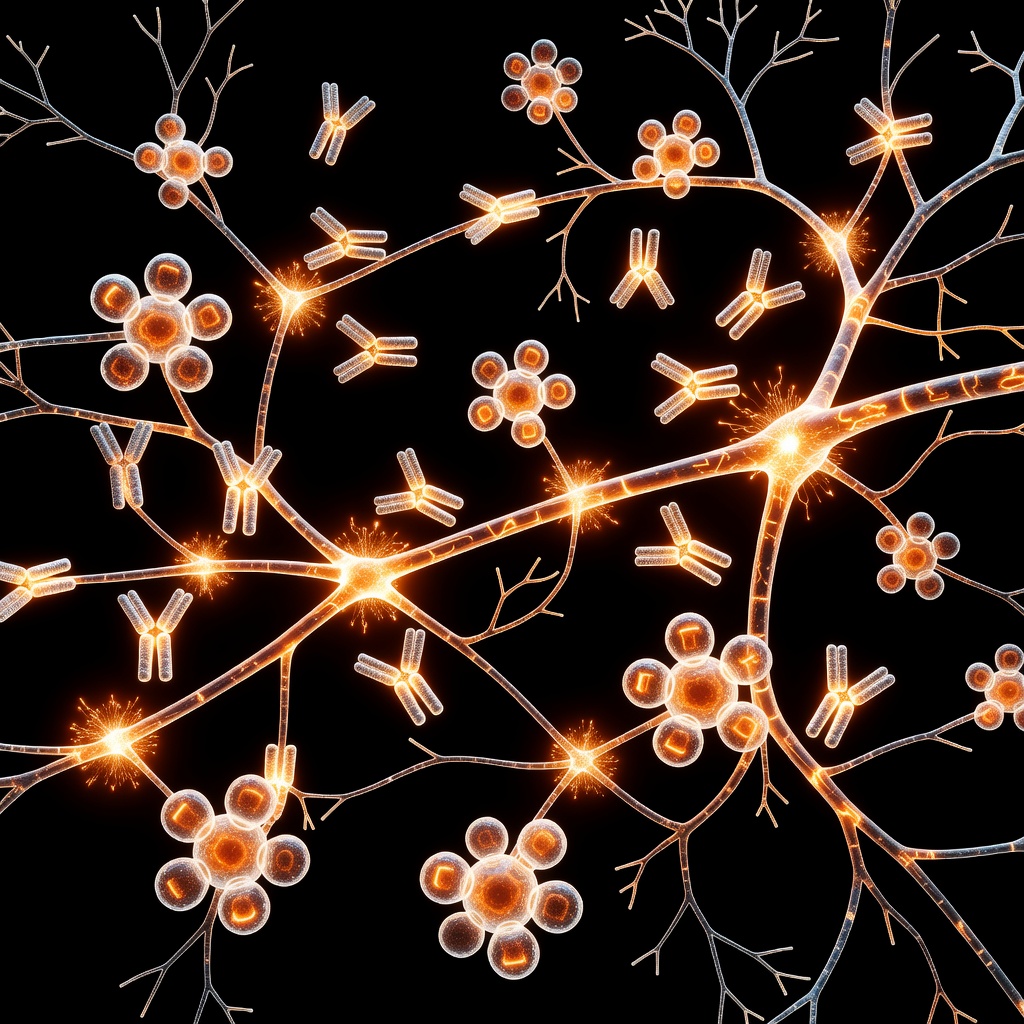
The Biochemistry of Sleep Pressure
Every moment you are awake, your brain is consuming energy in the form of Adenosine Triphosphate (ATP). As your neurons fire, ATP is broken down, leaving behind a metabolic byproduct called adenosine. This molecule is not merely waste; it functions as a critical signalling agent that monitors the duration of your wakefulness. As adenosine levels rise in the basal forebrain, it binds to specific A1 and A2A receptors, which progressively inhibits the wake-promoting regions of the brain and stimulates the sleep-promoting ones. This physiological phenomenon is known as 'sleep pressure.' The longer you stay awake, the more adenosine accumulates, and the heavier the 'pressure' to sleep becomes. By the end of a sixteen-hour day, the high concentration of adenosine creates an almost irresistible urge to sleep, ensuring that the brain receives the downtime it requires for maintenance and repair.
Caffeine and Receptor Competition
In the UK, where an estimated 70 million cups of coffee are consumed daily, the interaction between adenosine and caffeine is a primary health concern. Caffeine is a psychoactive substance that shares a remarkably similar molecular structure to adenosine. This structural similarity allows caffeine to navigate into the brain and occupy the adenosine receptors without activating them. Effectively, caffeine acts as a 'blocker,' preventing the brain from detecting the accumulated adenosine. While this provides a temporary feeling of alertness, it does nothing to remove the actual adenosine from the system. Consequently, when the caffeine is eventually metabolised by the liver—a process that can take six hours or more for just half the dose—the accumulated adenosine rushes back to the receptors all at once. This leads to the well-known 'caffeine crash,' where the high level of sleep pressure that was masked by the drug suddenly overwhelms the central nervous system.
The Clearance Phase and Long-Term Health
The only physiological way to clear adenosine from the brain is through sleep. During the deeper stages of non-REM (NREM) sleep, the brain undergoes a process of chemical 'sanitisation.' The adenosine is recycled back into ATP or broken down further for excretion. If an individual consistently fails to reach the necessary depth or duration of sleep, adenosine is not fully cleared, leading to a state of 'sleep debt.' This residual adenosine carries over into the next day, meaning the individual starts their morning with a higher baseline of sleep pressure. In the UK, data from the Sleep Council suggests that nearly 40% of the population suffers from some form of sleep deprivation. Chronic elevation of adenosine has been linked to systemic inflammation, reduced glucose tolerance, and impaired cognitive function, as the brain never truly escapes the inhibitory signals of this metabolic byproduct.
Key Takeaways
- Adenosine is an energy byproduct: It builds up every hour you are awake, creating a biological need for sleep.
- Caffeine masks, it doesn't clear: Caffeine only hides the feeling of sleepiness; it doesn't remove the chemical cause.
- Depth matters for clearance: Deep NREM sleep is the primary period when adenosine is effectively flushed from the brain.
- The half-life of alertness: Be mindful of the caffeine 'tail'; a coffee at 2 PM may still be blocking adenosine receptors at 10 PM.
- Prioritise the reset: Ensuring 7-9 hours of sleep allows for a complete 'zeroing' of adenosine levels, providing a fresh start for the brain's metabolic clock.
This article is provided for informational and educational purposes only. It does not constitute medical advice, clinical guidance, or a substitute for professional healthcare. Information reflects cited research at time of publication. Always consult a qualified healthcare professional before acting on any health information.
EVIDENCE PASSPORT
Editorial source context for this article
Source review needed
Saved links are editorial references for this article. They may support specific claims rather than every sentence. Open and assess each source in context. This passport does not independently verify them.
Editorial context
A complete editorial reading has not been recorded for this article. Source links remain available for you to open and assess directly.
Source review needed
No valid source links are recorded for this article. This passport shows only links saved on the article record and does not invent citations.
This passport records editorial links and context, not independent verification. Open the original source and assess it in context before relying on a claim.
Medical Disclaimer
The information in this article is for educational purposes only and does not constitute medical advice, diagnosis, or treatment. Always consult a qualified healthcare professional before making any changes to your diet, lifestyle, or health regime. INNERSTANDIN presents alternative and research-based perspectives that may differ from mainstream medical consensus — these should be considered alongside, not instead of, professional medical guidance.
Read Full DisclaimerContinue the thread
Keep this question moving.
Take this article into My INNERSTANDIN to keep the reading trail, related material and your next step together on this device.
Explore this in the Body Map
See where this hits your biology. Interactive anatomy, threats, and protective protocols.
Dig deeper in the Library
Free, longform PDF volumes that go beyond headlines into mechanisms and references.