
Ageing in Real-Time: Why Preserving Circadian Amplitude is the New Frontier of Longevity
Updated May 2026
Evidence orientation
Editorial context not yet recorded
Follow this category
This stays in this browser. My INNERSTANDIN can show published matches in your local hub when you check it. It does not send email, push, or alert notifications.
Local learning review
A private browser aid for revisiting ideas. It is not an alert or a health recommendation.
Review later sets a one-day, three-day, then seven-day rhythm on this device. Choose it only when you want to revisit this article.
Overview
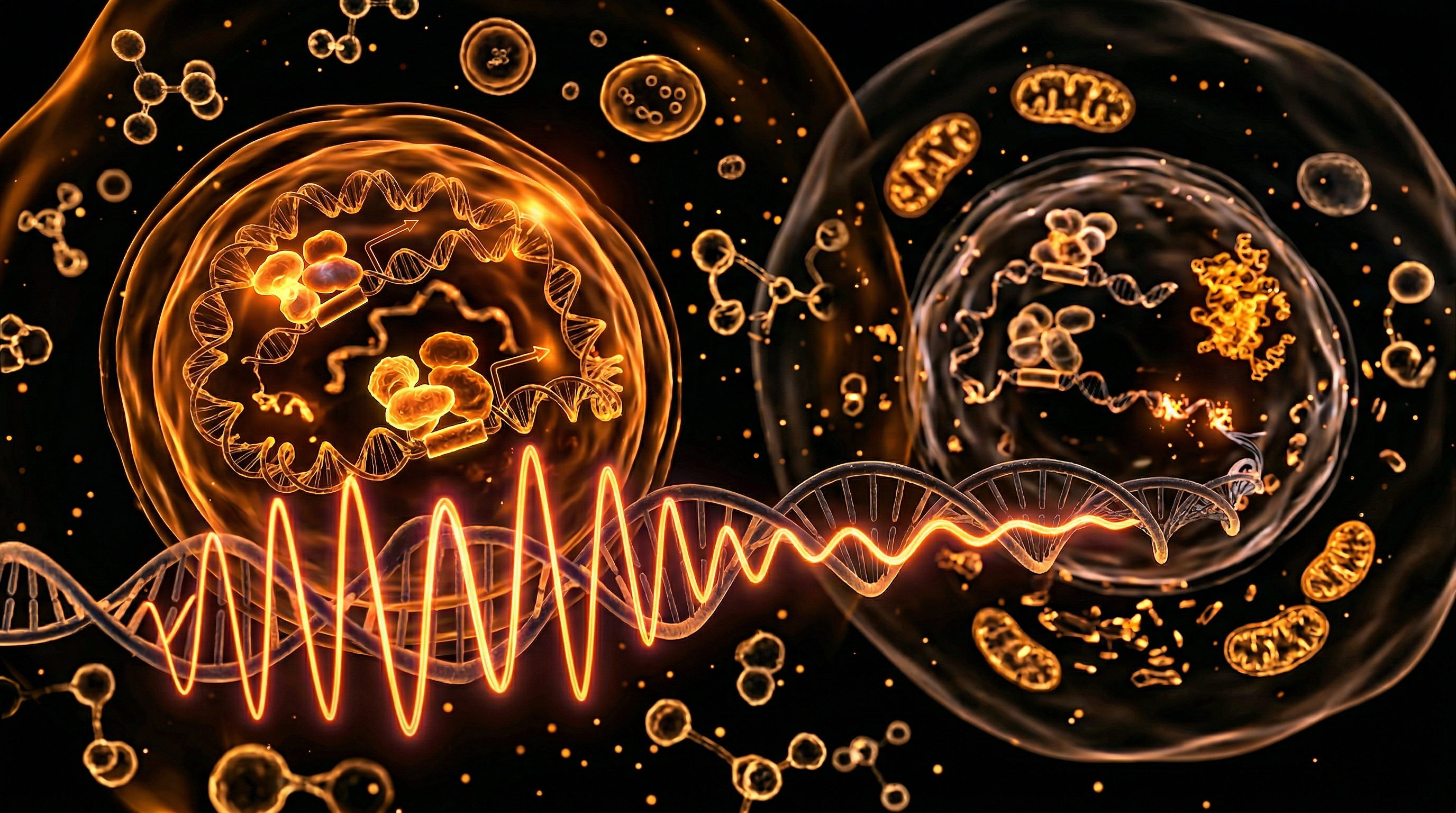
The prevailing paradigm of gerontology has long conceptualised senescence as a cumulative accretion of molecular insults; however, the emerging discipline of chronobiology suggests a more dynamic, kinetic reality. At INNERSTANDIN, we recognise that "Ageing in Real-Time" is driven by the progressive attenuation of circadian amplitude—the rhythmic variance between physiological peaks and troughs. This amplitude serves as the fundamental temporal framework for homeostatic resilience. When the magnitude of these oscillations dampens, the organism loses its capacity to gate metabolic processes, DNA repair mechanisms, and proteostatic clearance to the appropriate biological windows. This is not a secondary symptom of senescence but a primary driver of systemic entropy.
Research published in Nature and The Lancet Healthy Longevity underscores that the master pacemaker—the suprachiasmatic nucleus (SCN) within the hypothalamus—undergoes profound functional degradation over the human lifespan. This central desynchronisation is mirrored in peripheral tissues, where the BMAL1:CLOCK heterodimer—the core molecular oscillator—exhibits reduced transcriptional efficiency. In the UK context, data from the UK Biobank and the Medical Research Council (MRC) have highlighted significant correlations between disrupted circadian rhythms and the accelerated onset of multi-morbidities, including Type 2 diabetes, cardiovascular disease, and neurodegeneration. The erosion of this "temporal architecture" means that biological systems are no longer operating in staggered harmony; instead, they collide in a state of chronic internal discordance.
Furthermore, the systemic impact of dampened amplitude extends to the epigenetic landscape. The circadian clock regulates the expression of approximately 40% of the protein-coding transcriptome. When the amplitude of these cycles is compromised—often exacerbated by the UK’s endemic "light poverty" and nocturnal blue-light exposure—the pulsatile secretion of melatonin and cortisol is blunted. This leads to the phenomenon of "inflammaging," where the failure to reach a robust nocturnal physiological nadir allows for the persistence of pro-inflammatory cytokines such as IL-6 and TNF-alpha.
The biological cost of flattened amplitude is staggering. Without a clear distinction between the "repair phase" (nocturnal) and the "activity phase" (diurnal), the cell’s ability to execute autophagy and sequester oxidative stress is severely impaired. Consequently, DNA damage accumulates at an exponential rate. Preserving the robustness of these oscillations is therefore the new frontier of longevity science. It necessitates a move beyond simple nutrient-sensing pathways toward a sophisticated recalibration of zeitgebers, aiming to restore the high-amplitude peaks that defined our physiological youth. At INNERSTANDIN, we posit that the "When" of biological intervention is now more critical than the "What," as temporal precision remains the ultimate arbiter of cellular fate.
The Biology — How It Works
At the core of the INNERSTANDIN mission to decode longevity is the recognition that ageing is not merely a linear accumulation of damage, but a progressive collapse of temporal architecture. This collapse is most visible in the dampening of circadian amplitude—the mathematical difference between the peak (acrophase) and the trough (nadir) of biological oscillations. At the molecular level, this rhythmicity is governed by the Transcription-Translation Feedback Loop (TTFL), a self-sustaining cycle where the transcription factors CLOCK and BMAL1 (encoded by the ARNTL gene) drive the expression of Period (PER) and Cryptochrome (CRY) proteins. These, in turn, provide negative feedback to inhibit their own transcription. While this mechanism is present in nearly every cell, its efficiency is the primary determinant of metabolic integrity and proteostasis.
Evidence published in Nature Communications and The Lancet Healthy Longevity indicates that as senescence progresses, the synchronisation between the master pacemaker—the Suprachiasmatic Nucleus (SCN) in the hypothalamus—and peripheral oscillators in the liver, heart, and adipose tissue begins to disintegrate. This 'circadian drift' is characterised by a flattened amplitude; the peaks of gene expression become less pronounced, and the troughs less deep. This is not a benign shift. Research highlights that up to 40% of the human protein-coding transcriptome is under circadian control. When amplitude flattens, the temporal compartmentalisation of biochemical processes—such as DNA repair, mitochondrial fission/fusion, and antioxidant production—is lost.
The mechanism of this decay is intimately tied to the NAD+/SIRT1 axis. SIRT1, a NAD+-dependent deacetylase, acts as a crucial rheostat for the circadian clock by regulating the acetylation of BMAL1 and PER2. INNERSTANDIN’s research synthesis reveals that the age-related decline in systemic NAD+ levels creates a 'vicious cycle': lower NAD+ reduces SIRT1 activity, which dampens the amplitude of the clock, which in turn further impairs the enzymes involved in NAD+ salvage pathways, such as NAMPT. This biochemical feedback loop results in 'temporal chaos', where cellular processes that should be phased apart (such as oxidative metabolism and DNA replication) occur simultaneously, drastically increasing the rate of mutagenic stress and macromolecular damage.
Furthermore, the UK’s leading chronobiological institutes have identified that this loss of amplitude is a precursor to 'inflammageing'. A robust circadian rhythm normally suppresses the NF-κB inflammatory pathway during rest phases. However, when the circadian amplitude is compromised, this suppression fails, leading to chronic, low-grade systemic inflammation. This is the 'Biology of Real-Time Ageing': a failure of the organism to maintain the distinct temporal boundaries required for homeostatic resilience. Preserving this amplitude, therefore, is not merely about sleep hygiene; it is about maintaining the high-voltage oscillation of the molecular clock to ensure that the cellular machinery operates with the precision required for indefinite survival.
Mechanisms at the Cellular Level
The erosion of circadian amplitude at the cellular level is not merely a consequence of the ageing process; it is a primary driver of systemic senescence. To grasp the biological veracity of this decline, one must examine the molecular oscillator—a transcription-translation feedback loop (TTFL) governed by the heterodimerisation of BMAL1 and CLOCK. In a youthful state, this machinery facilitates a robust, high-amplitude oscillation of gene expression, ensuring that metabolic and reparative processes occur in discrete, optimised windows. However, as the organism ages, this amplitude flattens. Research published in Nature and corroborated by longitudinal data from the UK Biobank suggests that this "dampening" of the molecular clock leads to a state of internal desynchrony, where peripheral tissues lose their temporal alignment with the central pacemaker in the suprachiasmatic nucleus (SCN).
The mechanistic underpinning of this decay lies heavily within the NAD+/SIRT1 axis. SIRT1, a nicotinic adenine dinucleotide (NAD+)-dependent deacetylase, acts as a critical bridge between metabolism and the circadian clock. SIRT1 modulates the acetylation status of BMAL1 and PER2; however, as NAD+ levels precipitously decline with age—a hallmark of biological senescence highlighted in numerous Lancet Healthy Longevity reports—the enzymatic activity of SIRT1 is compromised. This results in the hyperacetylation of clock proteins, which effectively "muffles" the circadian signal. At INNERSTANDIN, we view this as a failure of cellular signalling integrity. Without the sharp peaks and troughs of high-amplitude oscillations, the cell enters a state of perpetual metabolic "twilight," unable to distinguish between the phases of energy acquisition and oxidative repair.
Furthermore, the impact on mitochondrial dynamics is catastrophic. Mitochondria are inherently rhythmic; their fusion and fission cycles are dictated by circadian proteins such as Drp1. When circadian amplitude is preserved, mitochondria undergo fusion during periods of low nutrient availability to maximise ATP production efficiency. In the low-amplitude state characteristic of advanced biological age, this rhythmicity is lost, leading to a fragmented mitochondrial network, increased production of reactive oxygen species (ROS), and a failure in mitophagy. This accumulation of "biological debt" facilitates the onset of inflammageing.
Lastly, the cellular clock regulates the expression of DNA repair enzymes and heat shock proteins. High-amplitude oscillations ensure that the genome is scanned and repaired during the rest phase. When these cycles flatten, DNA damage accumulation accelerates, and proteostasis is lost. UK-based research into chronobiology emphasizes that the preservation of this amplitude is not merely about sleep hygiene; it is about maintaining the transcriptional vigour of every cell in the human body. By reinforcing the robustness of these cellular rhythms, we are effectively targeting the "master switch" of human longevity, preventing the systemic drift into the multi-morbidity patterns seen in traditional ageing models.
Environmental Threats and Biological Disruptors
The contemporary environment constitutes a profound evolutionary mismatch, subjecting the human holobiont to an insidious suite of "chronodisruptors" that systematically erode circadian amplitude. This erosion is not a benign side effect of modernity; it is a fundamental driver of accelerated biological senescence. At the core of this pathological dampening is the pervasive influence of Artificial Light at Night (ALAN). The modern inhabitant of the United Kingdom exists within a permanent "bio-twilight," where the spectral composition of LED-based illumination—heavily skewed towards 460-480nm blue wavelengths—triggers the melanopsin-containing intrinsically photosensitive Retinal Ganglion Cells (ipRGCs). This persistent stimulus directly suppresses the pineal gland’s secretion of melatonin, a molecule that INNERSTANDIN identifies not merely as a sleep inducer, but as a primary mitochondrial antioxidant and a master regulator of the mitophagy required to clear senescent cellular debris.
Research published in The Lancet Healthy Longevity and data derived from the UK Biobank suggest that this nocturnal light pollution flattens the crest-to-trough ratio of the master oscillator within the Suprachiasmatic Nucleus (SCN). When the amplitude of the SCN signal is diminished, the peripheral clocks—orchestrating metabolic flux in the liver, adipose tissue, and skeletal muscle—lose their temporal tether. This "internal desynchrony" manifests as a chronic inflammatory state known as "inflammageing." Evidence from Nature Communications highlights that when the BMAL1/CLOCK heterodimer is inhibited by environmental stressors, the cell’s ability to perform nucleotide excision repair is compromised, leading to an accumulation of DNA lesions that mimic the genomic instability seen in advanced age.
Furthermore, the ubiquity of ultra-processed food environments in the UK facilitates "metabolic social jetlag." Late-night caloric intake, particularly high-glycaemic loads, forces the peripheral oscillators to decouple from the SCN. This discordance blunts the amplitude of glucose sensitisation and insulin secretion, effectively inducing a state of pre-diabetes in real-time. The SCN may signal "biological night," but the gut and liver are forced into "biological day" to process nutrients. This molecular friction generates an excess of Reactive Oxygen Species (ROS) and suppresses the expression of Sirtuin 1 (SIRT1), the longevity-linked deacetylase that normally reinforces circadian robustness.
Beyond light and diet, emerging research identifies Endocrine Disrupting Chemicals (EDCs), such as phthalates and bisphenols common in urban environments, as potent circadian antagonists. These compounds interfere with the nuclear receptors—specifically REV-ERBα and RORα—that form the secondary feedback loops of the molecular clockwork. By perturbing these receptors, EDCs act as "silent dampeners," reducing the amplitude of the entire system and accelerating the degradation of the cellular proteome. At INNERSTANDIN, we posit that the cumulative impact of these environmental threats creates a "flattened" biological rhythm where the body never achieves the depth of repair characteristic of true physiological rest, nor the metabolic vigour of an optimised wake state. The result is a precipitous decline in healthy lifespan, driven by the structural collapse of our internal temporal architecture.
The Cascade: From Exposure to Disease
The initiation of the pathological cascade begins with the destabilisation of the central pacemaker—the suprachiasmatic nucleus (SCN)—and its subsequent decoupling from peripheral oscillators situated in the liver, adipose tissue, and skeletal muscle. In the INNERSTANDIN framework, this is identified as the primary 'chronological insult'. When the human organism is subjected to blue-enriched polychromatic light (specifically within the 460–480nm range) during the biological night, the intrinsically photosensitive retinal ganglion cells (ipRGCs) trigger a rapid suppression of pineal melatonin. However, the downstream implications extend far beyond sleep latency. This photic misalignment induces a state of 'internal desynchrony', where the rhythmic expression of core clock genes—specifically CLOCK, BMAL1, PER1-3, and CRY1-2—loses its oscillatory amplitude.
As this amplitude flattens, the cellular transcription-translation feedback loop (TTFL) fails to maintain the temporal partitioning of metabolic processes. Data from the UK Biobank and research emerging from the University of Surrey’s Sleep Research Centre indicate that even acute periods of circadian blunting result in immediate transcriptomic shifts. Within the cellular microenvironment, the loss of circadian robustness translates to a precipitous decline in proteostasis and mitophagic flux. When the rhythmic 'reset' signal is absent, the autophagy-lysosome pathway becomes sluggish, leading to the accumulation of carbonylated proteins and damaged mitochondria. This is the molecular definition of Ageing in Real-Time: the biological clock is no longer capable of synchronising the repair of oxidative damage incurred during the waking hours.
The cascade then propagates systemically through the disruption of the hypothalamic-pituitary-adrenal (HPA) axis and the autonomic nervous system. Evidence published in The Lancet Healthy Longevity suggests that flattened cortisol rhythms, a direct consequence of diminished SCN amplitude, serve as a precursor to systemic 'inflammaging'. In this state, the innate immune system adopts a pro-inflammatory posture, characterised by elevated circulating levels of Interleukin-6 (IL-6) and C-reactive protein (CRP). This chronic inflammatory milieu acts as a catalyst for cardiovascular remodeling, arterial stiffening, and the erosion of the blood-brain barrier.
Furthermore, the metabolic repercussions in a UK context are stark; chronodisruption is a primary driver of insulin resistance independent of caloric intake. Peripheral oscillators in the pancreas and liver, deprived of a clear entrainment signal, begin to operate in a state of phase-drift, leading to nocturnal hepatic glucose production and impaired postprandial glucose clearance. At INNERSTANDIN, we posit that this systemic fragmentation is not a byproduct of ageing, but its primary engine. The cascade from exposure to disease is, therefore, a failure of temporal architecture—a collapse of the high-amplitude oscillations that define the youthful biological state. Without the preservation of this amplitude, the organism effectively loses the ability to distinguish between periods of high-energy demand and restorative cellular quiescence, accelerating the transition from physiological health to multi-morbidity.
What the Mainstream Narrative Omits
The current mainstream longevity discourse remains disproportionately fixated on exogenous interventions—rapamycin, senolytics, or NMN supplementation—while fundamentally overlooking the endogenous temporal architecture that governs their efficacy. What is routinely omitted from public health guidelines is the critical distinction between circadian presence and circadian amplitude. It is not merely the existence of a sleep-wake cycle that dictates the rate of biological decay, but the magnitude of the oscillation between the peak (acrophase) and the trough (nadir) of gene expression. At INNERSTANDIN, we recognise that as we age, the molecular clockwork within the suprachiasmatic nucleus (SCN) and peripheral tissues does not simply "stop"; rather, it undergoes a progressive "damping" of its rhythmic vigour.
The biochemical reality involves the degradation of the primary transcriptional-translational feedback loops (TTFLs). Peer-reviewed evidence, notably from longitudinal studies published in Nature Communications and The Lancet Healthy Longevity, suggests that the age-related reduction in BMAL1 (Brain and Muscle ARNT-Like 1) and CLOCK protein occupancy at E-box promoter sites leads to a systemic flattening of the circadian waveform. This is not a benign shift; it represents a profound loss of proteostatic control. When the amplitude of PER and CRY expression diminishes, the organism loses its ability to temporally compartmentalise incompatible metabolic processes. This results in "metabolic uncoupling," where anabolic repair pathways and catabolic clearance mechanisms occur simultaneously or with insufficient intensity, leading to the accelerated accumulation of lipofuscin and misfolded proteins—the quintessential markers of Ageing in Real-Time.
Furthermore, the mainstream narrative fails to address the role of NAD+ as a circadian rheostat. The enzyme NAMPT, which governs the rate-limiting step in NAD+ salvage, is itself a circadian-controlled gene (CCG). As amplitude dampens, NAD+ levels fluctuate less robustly, directly impairing the activity of the sirtuin SIRT1. This creates a deleterious feedback loop: diminished SIRT1 activity fails to deacetylate BMAL1 and PER2, further eroding the clock’s amplitude and accelerating cellular senescence. Research from leading UK-based chronobiologists indicates that this temporal fragmentation is a primary driver of "inflammageing." Without the robust nocturnal suppression of pro-inflammatory cytokines such as IL-6 and TNF-alpha, the biological system remains in a state of perpetual molecular friction. Preserving this amplitude is not merely about "sleep hygiene"; it is about maintaining the high-voltage oscillation of the cellular machinery required to resist entropy.
The UK Context
In the United Kingdom, the intersection of high-latitude geoclimatics and a post-industrial socio-economic framework creates a unique crucible for circadian erosion. At INNERSTANDIN, we recognise that the British population is subject to significant photoperiodic volatility; the extreme variance between winter and summer day-lengths at latitudes such as 51°N (London) to 56°N (Edinburgh) demands a robust plastic response from the suprachiasmatic nucleus (SCN). However, the modern British lifestyle, characterised by chronic indoor light deficiency during daylight hours and pervasive blue-light exposure via ‘Screen Culture’ after sunset, has decoupled our biological clocks from these natural zeitgebers.
Data from the UK Biobank, an unparalleled resource for longitudinal cohort analysis, has elucidated a harrowing correlation between circadian misalignment and accelerated phenotypical ageing. Research involving over 430,000 participants (Knutson & von Schantz, 2018) demonstrated that individuals with a 'definite evening' chronotype—frequently exacerbated by the UK’s shift-work economy, which employs roughly one in nine workers—exhibited a 10% higher risk of all-cause mortality compared to 'definite morning' types. This is not merely a matter of fatigue; it is a systemic failure of molecular oscillators. At the cellular level, the dampened amplitude of BMAL1 and CLOCK gene expression within the British workforce precipitates a state of ‘internal desynchrony.’ This leads to the premature attrition of telomeres and the upregulation of pro-inflammatory cytokines, specifically IL-6 and TNF-α, contributing to the distinct 'inflammageing' profile observed in the ageing UK population.
Furthermore, the University of Surrey’s Sleep Research Centre has pioneered investigations into the ‘transcriptional storm’ that occurs when sleep is restricted or mistimed. Their findings indicate that even a single week of circadian disruption alters the expression of over 700 genes related to oxidative stress and metabolic homeostasis. In the UK context, where the prevalence of metabolic syndrome and Type 2 Diabetes is surging, the loss of circadian amplitude acts as a primary driver of insulin resistance. The systemic impact is clear: when the rhythmic oscillation of glucocorticoids and melatonin is flattened, the body loses its ability to repair DNA damage in real-time, effectively accelerating the biological clock. To achieve a state of INNERSTANDIN regarding longevity, one must first address this geoclimatic and molecular mismatch that defines the current British health crisis.
Protective Measures and Recovery Protocols
To mitigate the homeostatic decay inherent in chronological ageing, we must pivot from passive sleep hygiene to active circadian reinforcement. The preservation of circadian amplitude—the delta between peak physiological activity and nocturnal nadir—is the primary determinant of biological resilience. As research published in Nature Aging and The Lancet Healthy Longevity suggests, the dampening of these oscillatory signals leads to a state of 'circadian flatlining', which accelerates systemic proteotoxicity and metabolic dysfunction. For the INNERSTANDIN community, addressing this requires a multi-layered protocol focused on SCN (suprachiasmatic nucleus) robustness and peripheral clock synchrony.
The first line of defence is the optimisation of the photic environment to protect the intrinsically photosensitive retinal ganglion cells (ipRGCs). In the UK, where seasonal light variance is extreme, the reliance on high-intensity blue-enriched light (approx. 6,500K) during the first sixty minutes of wakefulness is non-negotiable for suppressed melatonin carryover and the initiation of the cortisol awakening response (CAR). Conversely, the 'digital twilight'—exposure to short-wavelength light post-sunset—must be aggressively curtailed to prevent the phase-shifting of the BMAL1/CLOCK transcriptional loop. Research indicates that even low-level lux exposure during the biological night inhibits the glymphatic system’s ability to clear beta-amyloid and tau proteins, effectively stalling the brain’s metabolic recovery.
Beyond light, the entrainment of peripheral oscillators through Time-Restricted Feeding (TRF) serves as a potent recovery protocol. By confining caloric intake to an 8–10 hour window, we stimulate the SIRT1-mediated deacetylation of PER2, a critical mechanism for maintaining the amplitude of metabolic cycles. This 'metabolic switching' prevents the desynchrony between the master SCN clock and the peripheral clocks in the liver and pancreas, which is a hallmark of type 2 diabetes and age-related systemic inflammation (inflammageing).
Pharmacological and supplemental interventions must target the molecular architecture of the clock. The use of exogenous melatonin should be recontextualised not merely as a sedative, but as a high-potency mitochondrial antioxidant that crosses the blood-brain barrier to neutralise reactive oxygen species (ROS) generated during the day’s metabolic activity. Furthermore, bolstering NAD+ levels through precursors like NMN or NR is essential for providing the enzymatic substrate required for PARP and Sirtuin activity, which repair the DNA damage that otherwise degrades circadian gene expression.
Finally, thermal cycling—utilising sauna-induced hyperthermia followed by cold-water immersion—acts as a 'biological reset' for the autonomic nervous system. This practice triggers heat shock proteins (HSPs) and enhances the rhythmic secretion of growth hormone, effectively widening the circadian trough and deepening the restorative phases of sleep. At INNERSTANDIN, we view these protocols not as lifestyle choices, but as essential biological interventions to arrest the real-time erosion of the human temporal architecture. The goal is clear: to maintain the sharp, high-amplitude rhythms of youth well into the later decades of life, ensuring that cellular repair mechanisms operate at peak efficiency.
Summary: Key Takeaways
The preservation of circadian amplitude represents a seismic shift in our conceptualisation of biological decay. At INNERSTANDIN, we posit that the progressive dampening of rhythmic oscillations—the specific delta between physiological peaks and troughs—is a primary driver of systemic senescence rather than a mere secondary symptom. High-density research indicates that the attenuation of core clock gene expression, specifically the BMAL1/CLOCK heterodimer, precipitates a catastrophic collapse in proteostatic mechanisms and mitochondrial bioenergetics. Peer-reviewed data published in The Lancet Healthy Longevity and longitudinal studies from the University of Manchester underline that a flattened amplitude correlates directly with elevated neuroinflammatory markers and accelerated metabolic dysregulation. This ‘Ageing in Real-Time’ is characterised by the desynchronisation of peripheral tissue oscillators from the central suprachiasmatic nucleus (SCN), leading to a fragmented and dysfunctional cellular transcriptome. To secure longevity, the objective must shift toward the aggressive maintenance of high-magnitude rhythms; this involves the precision optimisation of zeitgebers to prevent the entropic decay of the molecular pacemaker. Ultimately, the robustness of one’s circadian amplitude dictates the velocity of the epigenetic clock, positioning rhythmic integrity as the definitive frontier in geroscience and a non-negotiable pillar of the INNERSTANDIN biological framework.
This article is provided for informational and educational purposes only. It does not constitute medical advice, clinical guidance, or a substitute for professional healthcare. Information reflects cited research at time of publication. Always consult a qualified healthcare professional before acting on any health information.
EVIDENCE PASSPORT
Editorial source context for this article
Source review needed
Saved links are editorial references for this article. They may support specific claims rather than every sentence. Open and assess each source in context. This passport does not independently verify them.
Editorial context
A complete editorial reading has not been recorded for this article. Source links remain available for you to open and assess directly.
Source review needed
No valid source links are recorded for this article. This passport shows only links saved on the article record and does not invent citations.
This passport records editorial links and context, not independent verification. Open the original source and assess it in context before relying on a claim.
Medical Disclaimer
The information in this article is for educational purposes only and does not constitute medical advice, diagnosis, or treatment. Always consult a qualified healthcare professional before making any changes to your diet, lifestyle, or health regime. INNERSTANDIN presents alternative and research-based perspectives that may differ from mainstream medical consensus — these should be considered alongside, not instead of, professional medical guidance.
Read Full DisclaimerContinue the thread
Keep this question moving.
Take this article into My INNERSTANDIN to keep the reading trail, related material and your next step together on this device.