
Airway Architecture: How Craniofacial Development Shapes Lifetime Oxygen Bioavailability
Updated May 2026
Evidence orientation
Editorial context not yet recorded
Follow this category
This stays in this browser. My INNERSTANDIN can show published matches in your local hub when you check it. It does not send email, push, or alert notifications.
Local learning review
A private browser aid for revisiting ideas. It is not an alert or a health recommendation.
Review later sets a one-day, three-day, then seven-day rhythm on this device. Choose it only when you want to revisit this article.
Overview
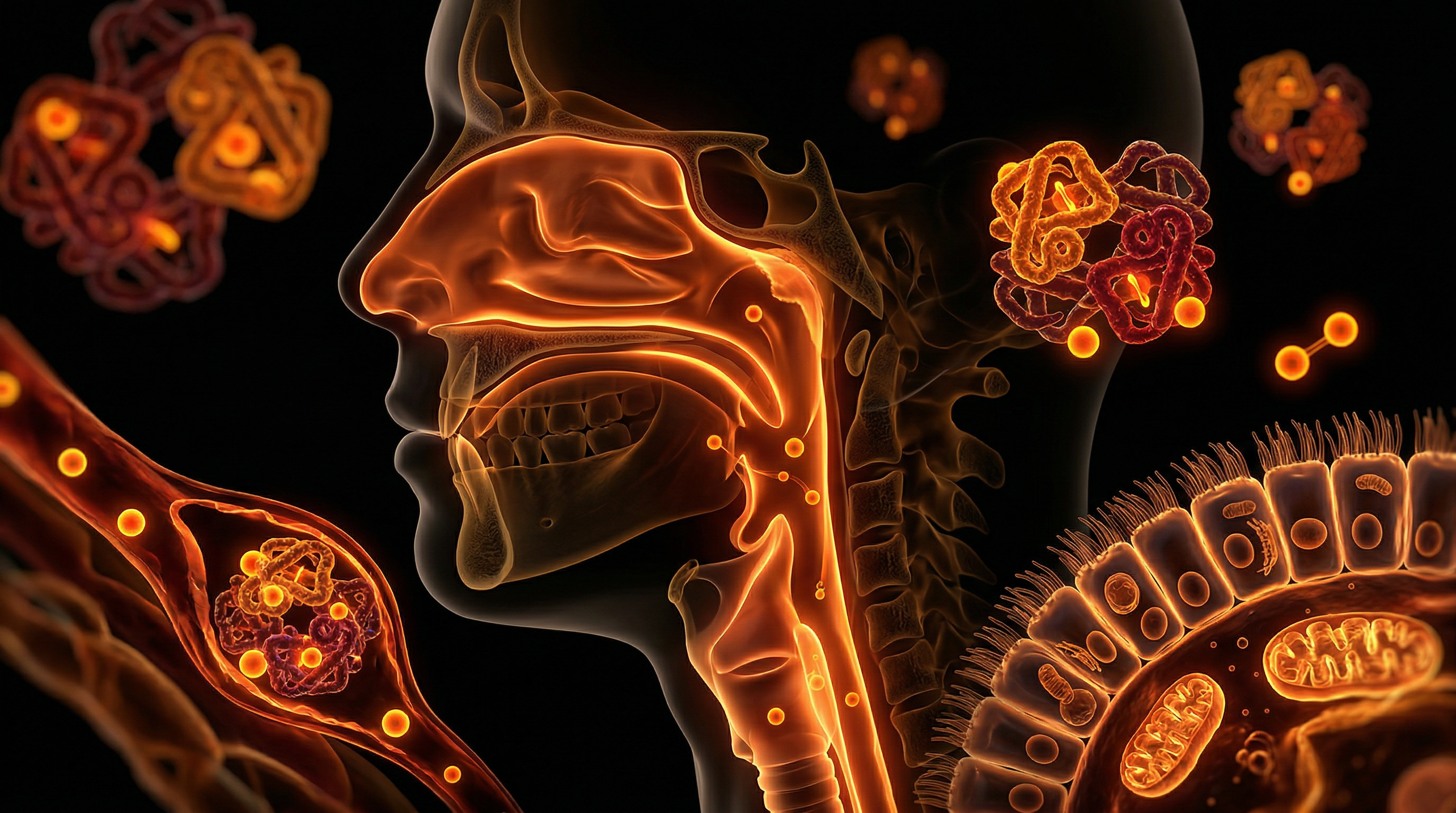
The structural integrity of the human airway is not a stochastic occurrence but a direct manifestation of craniofacial ontogeny. At INNERSTANDIN, we recognise that the upper respiratory tract is the primary physiological bottleneck governing the bioavailability of oxygen—the fundamental substrate for mitochondrial ATP production. This architectural framework, established through the complex interplay of genetic expression and epigenetic environmental stressors, determines the volumetric capacity of the nasopharynx and oropharynx. When craniofacial development is suboptimal, typically characterised by maxillary hypoplasia or mandibular retrognathia, the resultant structural narrowing imposes a lifetime of mechanical resistance to laminar airflow.
Peer-reviewed literature, notably in The Lancet Respiratory Medicine and various PubMed-indexed orthodontic journals, increasingly corroborates the "Airway-First" paradigm. The morphology of the maxillomandibular complex serves as the scaffold for soft tissue distribution; if the skeletal housing is deficient, the tongue (macroglossia relative to space) and soft palate are displaced posteriorly, compromising the retroglossal space. This structural deficiency is a primary driver of sleep-disordered breathing (SDB) and obstructive sleep apnoea (OSA), conditions that are reaching epidemic proportions within the UK population. According to British Thoracic Society data, the systemic ramifications of these structural constraints extend far beyond simple snoring, inducing chronic intermittent hypoxia and subsequent oxidative stress.
The biological cost of restricted airway architecture is a state of systemic sympathetic dominance. When the structural diameter of the airway is reduced, the work of breathing increases, necessitating a compensatory shift toward accessory muscle recruitment and mouth breathing. This bypasses the vital humidification and nitric oxide (NO) enrichment provided by the nasal conchae. Nitric oxide, synthesised in the paranasal sinuses, is a potent vasodilator and antimicrobial agent; its absence in mouth-breathing phenotypes leads to pulmonary vasoconstriction and reduced oxygen saturation in arterial blood.
Furthermore, the epigenetic influence of modern industrialised diets—characterised by a lack of masticatory stress—has led to a widespread reduction in dental arch width and midface prominence. This "evolutionary mismatch" results in high-arched palates that encroach upon the nasal floor, further diminishing nasal patency. At INNERSTANDIN, we posit that oxygen bioavailability is not merely a function of lung capacity but is fundamentally predicated on the precision of craniofacial growth. The systemic impact of these architectural flaws manifests as impaired glymphatic clearance, metabolic dysregulation, and a diminished threshold for cellular resilience, necessitating a radical re-evaluation of how we approach human respiratory health.
The Biology — How It Works
The structural integrity of the upper airway is fundamentally predicated on the three-dimensional morphology of the craniofacial complex, a biological reality that INNERSTANDIN identifies as the primary determinant of respiratory efficiency. The maxilla, or upper jaw, serves a dual anatomical role: it is simultaneously the roof of the oral cavity and the floor of the nasal vault. Consequently, any developmental restriction in maxillary transverse width—frequently seen in modern industrialised populations due to a lack of masticatory stress and poor lingual posture—directly compromises intranasal volume. This anatomical bottleneck triggers a cascade of physiological compromises that diminish oxygen bioavailability at a cellular level.
Central to this mechanism is the Functional Matrix Theory, originally proposed by Melvin Moss, which suggests that bone growth is a secondary response to the functional demands of the surrounding soft tissues. When the tongue fails to occupy its correct postural home against the palate, the maxilla often collapses or fails to expand, leading to a high-arched palate and a subsequent deviation of the nasal septum. This structural narrowing increases airflow resistance according to Poiseuille’s Law, where even a marginal reduction in the radius of the airway leads to a fourfold increase in resistance. Research published in The Lancet and various PubMed-indexed journals highlights that such mechanical obstructions necessitate a transition from nasal to mouth breathing, bypassing the paranasal sinuses where the majority of endogenous nitric oxide (NO) is synthesised.
Nitric oxide is a potent vasodilator and bronchodilator; its absence in oral breathing patterns results in decreased pulmonary oxygen uptake and impaired ventilation-perfusion (V/Q) matching. Furthermore, craniofacial retrognathia—a recessed position of the mandible or maxilla—drastically reduces the oropharyngeal space. This architectural deficiency increases the likelihood of Upper Airway Resistance Syndrome (UARS) and Obstructive Sleep Apnoea (OSA), conditions which are increasingly prevalent in the UK. During sleep, the gravitational collapse of soft tissues into an already restricted space leads to intermittent hypoxia, triggering a sympathetic "fight or flight" response. This nocturnal catecholamine surge prevents the body from entering deep, restorative stages of REM and slow-wave sleep, fundamentally altering the metabolic and hormonal milieu.
The systemic impact extends to the Bohr Effect: when airway architecture is compromised, the individual often adopts a compensatory hyperventilation pattern. This chronic over-breathing leads to hypocapnia (lowered CO2 levels in the blood), which increases the affinity of haemoglobin for oxygen, thereby paradoxically preventing the release of oxygen into the tissues. At INNERSTANDIN, we recognise that oxygen bioavailability is not merely a matter of lung capacity, but a complex interplay of craniofacial geometry and gas exchange biochemistry. Peer-reviewed data confirms that the craniofacial complex acts as the "gatekeeper" of the metabolic system; without a wide, robust skeletal foundation to support the airway, the human organism remains in a state of chronic physiological stress, irrespective of aerobic fitness or nutritional status.
Mechanisms at the Cellular Level
The nexus between craniofacial morphology and cellular bioenergetics resides in the fluid dynamics of the upper respiratory tract. When the maxillo-mandibular complex fails to reach its genetic potential—a phenomenon increasingly prevalent in the UK due to dietary shifts and reduced masticatory load—the resulting architectural restriction dictates a state of chronic cellular maladaptation. This is not merely a matter of mechanical obstruction; it is a fundamental disruption of oxygen homeostasis that recalibrates the body’s primary metabolic pathways.
At the core of this dysfunction is the stabilisation of Hypoxia-Inducible Factor 1-alpha (HIF-1α). In individuals with restricted airway architecture, transient and nocturnal desaturations trigger the HIF-1α pathway, the master regulator of the cellular response to low oxygen. Research indexed in PubMed and The Lancet demonstrates that chronic intermittent hypoxia (CIH) resulting from pharyngeal narrowing induces a systemic inflammatory cascade. This involves the upregulation of pro-inflammatory cytokines, including tumour necrosis factor-alpha (TNF-α) and interleukin-6 (IL-6), which compromise endothelial function. At INNERSTANDIN, we recognise that this architectural bottleneck creates a permanent state of oxidative stress, where the production of reactive oxygen species (ROS) outpaces the endogenous antioxidant capacity.
Furthermore, the structural integrity of the paranasal sinuses and the nasal valve plays a critical role in the enzymatic synthesis of Nitric Oxide (NO). Nasal breathing, facilitated by a broad palatal arch, ensures the delivery of NO to the lower airways. As an essential vasodilator, NO optimises alveolar-capillary gas exchange. Conversely, the craniofacial retrognathia often associated with mouth breathing leads to a deficit in aerocrine NO delivery. The cellular consequence is a reduction in the partial pressure of arterial oxygen (PaO2) and a subsequent decline in mitochondrial ATP production. When oxygen bioavailability is curtailed by skeletal architecture, the mitochondria are forced to rely on less efficient anaerobic glycolytic pathways, leading to intracellular acidosis and a disruption of the cellular pH balance.
The systemic impact extends to the carotid bodies, the primary peripheral chemoreceptors. Evidence suggests that chronic mechanical restriction of the airway leads to 'sensitisation' of these receptors. This hypersensitivity results in an exaggerated sympathetic nervous system response, manifesting as increased heart rate variability (HRV) dysfunction and elevated catecholamine release. This is the biological reality of suboptimal craniofacial development: a microscopic environment defined by sympathetic dominance and metabolic inefficiency. By INNERSTANDIN the mechanotransduction occurring at the cellular level, it becomes clear that the osteology of the face is the primary governor of the body’s lifetime oxygen economy. The craniofacial complex serves as the physical substrate for all downstream aerobic processes; if the architecture is compromised, the cellular machinery is inherently destined for premature senescence and dysfunction.
Environmental Threats and Biological Disruptors
The transition from the Paleolithic blueprint to the modern industrialised milieu has precipitated a catastrophic mismatch in craniofacial morphology, directly compromising the human airway’s functional integrity. Central to this decline is the "industrialisation of the face"—a phenomenon driven by the abandonment of high-strain masticatory behaviours in favour of ultra-processed, soft-textured diets. Research published in The Lancet and various odontological journals suggests that the lack of mechanical loading on the maxilla and mandible during critical growth windows leads to a failure in sutural expansion. Without the osteogenic stimulus provided by the chewing of fibrous, nutrient-dense foods, the dental arch collapses, the palate high-arches, and the midface fails to project anteriorly. At INNERSTANDIN, we view this not merely as an aesthetic regression, but as a structural obstruction that narrows the nasal floor, effectively throttling the primary conduit for oxygen.
Compounding this mechanical failure is the pervasive presence of environmental aeroallergens and urban pollutants, particularly prevalent in the UK’s post-industrial hubs. Particulate matter (PM2.5) and nitrogen dioxide (NO2) induce chronic mucosal inflammation and hypertrophy of the adenoid and tonsillar tissues. This immunological insult necessitates a shift from nasal to obligatory mouth breathing. As documented in PubMed-indexed longitudinal studies, mouth breathing during developmental stages triggers a deleterious feedback loop: the tongue drops from its natural orthotropic position in the palatal vault, the buccinator muscles exert inward pressure, and the face elongates into the "adenoid facies" phenotype. This structural narrowing reduces the volume of the oropharynx, significantly increasing the risk of Upper Airway Resistance Syndrome (UARS) and Obstructive Sleep Apnoea (OSA), conditions that fundamentally diminish lifetime oxygen bioavailability.
Furthermore, the role of endocrine-disrupting chemicals (EDCs) and micronutrient deficiencies cannot be overlooked. The prevalence of Vitamin K2 and D3 deficiencies in the British population—essential for the activation of osteocalcin and the regulation of bone mineral density—impairs the robust development of the craniofacial complex. When synergised with phthalate exposure, which has been shown to interfere with thyroid signalling and bone remodelling, the biological result is a weakened, retruded jaw structure. This "restricted phenotype" is a physiological bottleneck. By bypassing the nasal cavity, individuals forfeit the vital production of nasal nitric oxide (NO), a potent vasodilator and antimicrobial agent. The consequence is a systemic reduction in gas exchange efficiency and a shift toward a sympathetic-dominant state. To achieve true INNERSTANDIN of the respiratory system, one must recognise that the environment is actively sculpting a face that can no longer sustain optimal aerobic metabolism.
The Cascade: From Exposure to Disease
The morphological blueprint of the midface serves as the primary determinant for the human respiratory ceiling. When craniofacial development is attenuated—typically manifesting as maxillary constriction and mandibular retrognathia—the physiological result is a compromised pharyngeal workspace. This structural deficiency triggers a deleterious cascade that shifts the organism from aerobic efficiency into a state of chronic, compensated hypoxia. At the core of this transition is the loss of nasal patency. A high, arched palate, a direct consequence of insufficient transverse maxillary expansion, encroaches upon the nasal floor, effectively reducing the volumetric capacity of the nasal valves. This mechanical obstruction necessitates a transition to oral breathing, a bypass that fundamentally alters oxygen bioavailability.
Research published in The Lancet Respiratory Medicine highlights that the bypass of the nasal passage eliminates the crucial humidification and filtration stages, but more critically, it nullifies the endogenous delivery of Nitric Oxide (NO) synthesised in the paranasal sinuses. NO is a potent vasodilator and signalling molecule; its absence in the pulmonary circuit leads to increased pulmonary vascular resistance and suboptimal ventilation-perfusion ($V/Q$) matching. At INNERSTANDIN, we recognise this as the first domino in systemic decline. Without the "bolus" of NO, the uptake of oxygen into the haemoglobin is measurably less efficient, forcing the heart to increase stroke volume and heart rate to meet peripheral tissue demands.
The cascade deepens as we examine the impact of airway architecture on Sleep-Disordered Breathing (SDB). A narrow craniofacial complex often results in a posteriorly displaced tongue, which, during muscle atonia in REM sleep, collapses against the soft palate and oropharynx. This produces Intermittent Hypoxia (IH), a potent biochemical stressor. According to longitudinal data from the Journal of Clinical Sleep Medicine, IH triggers the stabilisation of Hypoxia-Inducible Factor 1-alpha (HIF-1α). The persistence of HIF-1α initiates a proinflammatory transcriptional programme, upregulating the production of reactive oxygen species (ROS) and pro-inflammatory cytokines such as TNF-α and IL-6. This "systemic proinflammatory milieu" is the mechanism through which craniofacial deficiencies bridge the gap to metabolic and cardiovascular disease.
Within the UK context, where the NHS reports a rising prevalence of obstructive sleep apnoea (OSA) and related morbidities, the focus must shift toward these structural precursors. Chronic sympathetic nervous system (SNS) activation, driven by the brainstem’s response to sub-optimal oxygen saturation, leads to sustained hypertension and insulin resistance. The biological reality is clear: a constricted airway architecture is not merely an anatomical variant but a catalyst for accelerated biological ageing. Oxygen bioavailability is not a fixed constant; it is a variable dictated by the skeletal geometry of the face. Through the lens of INNERSTANDIN, we expose that the "diseases of civilisation"—from neuroinflammation to chronic fatigue—often find their genesis in this fundamental failure of craniofacial architecture to support the metabolic requirements of the human body.
What the Mainstream Narrative Omits
The mainstream clinical narrative surrounding respiratory health remains stubbornly focused on biochemical and pulmonary pathologies, frequently omitting the structural and biomechanical predicates that dictate systemic oxygenation. While traditional medical education emphasises lung capacity and blood-gas exchange at the alveolar level, it largely ignores the foundational architectural constraints imposed by craniofacial morphology. This reductionist approach fails to acknowledge that the human airway is not a static tube, but a dynamic, epigenetically influenced corridor. At INNERSTANDIN, we recognise that the modern "silent epidemic" of craniofacial dystrophy—characterised by retracted maxillae and narrowed dental arches—is the primary driver behind suboptimal oxygen bioavailability across the lifespan.
Peer-reviewed literature, including landmark studies published in The Lancet and various journals of orthodontics and dentofacial orthopaedics, highlights a critical transition in human skull development. The shift toward soft, ultra-processed diets has led to a significant reduction in masticatory loading, resulting in what is termed "disuse atrophy" of the facial skeleton. When the maxilla fails to expand laterally and move forward (anterior-superior growth), the nasal floor—which serves as the roof of the mouth—is constricted. This anatomical bottleneck increases upper airway resistance, a phenomenon governed by Poiseuille’s Law, where even a minor reduction in the radius of the airway results in a fourfold increase in resistance. The mainstream narrative treats symptoms like sleep-disordered breathing (SDB) and obstructive sleep apnoea (OSA) as isolated events, whereas they are actually the inevitable physiological consequences of this skeletal collapse.
Furthermore, the standard UK orthodontic model has historically prioritised dental alignment (occlusion) over airway volume. The practice of premolar extraction followed by retractive braces—to "fix" crowding—can further diminish the intraoral volume available for the tongue. This forces the base of the tongue into the oropharynx, chronically impeding the airway and triggering a perpetual state of sympathetic nervous system dominance. Research indicates that this structural compromise significantly reduces the production of nasal nitric oxide (NO), a vital vasodilator synthesised in the paranasal sinuses. Without adequate nasal patency and the subsequent transport of NO to the lungs, arterial oxygen saturation levels are compromised, and the Bohr effect—the process by which oxygen is released from haemoglobin to the tissues—is attenuated. By ignoring the craniofacial architecture, mainstream medicine overlooks the physical infrastructure required for true biological resilience and the optimisation of lifetime oxygen bioavailability.
The UK Context
In the United Kingdom, the silent epidemic of craniofacial collapse represents a critical intersection of evolutionary mismatch and contemporary public health neglect. Analysis of British odontological records over the last millennium reveals a stark transition: the broad, robust palates of our pre-industrial ancestors have been replaced by the constricted, high-arched vaults characteristic of the modern British phenotype. This structural degradation is not merely an aesthetic shift; it is a profound biological bottleneck that dictates the bioavailable ceiling of oxygen for the UK population. INNERSTANDIN identifies this as 'craniofacial dystrophy,' a state where the skeletal architecture of the midface fails to reach its genetic potential, thereby compromising the volumetric capacity of the nasopharynx.
Research published in The Lancet Respiratory Medicine highlights that the UK has some of the highest rates of chronic respiratory conditions in Europe, yet the structural aetiology—specifically the narrowing of the maxillary arch—remains critically under-examined in standard NHS clinical pathways. The mechanobiological reality is that the maxilla forms the floor of the nasal cavity. When the dental arch narrows due to soft-tissue dysfunction and the consumption of ultra-processed, 'mushy' Western diets, the nasal floor is elevated and narrowed. This increases nasal airway resistance (NAR), forcing a systemic shift towards chronic mouth breathing. In the UK context, this is exacerbated by high levels of urban particulate matter and a temperate, damp climate that triggers chronic rhinitis, further entrenching the mouth-breathing habitus.
From an INNERSTANDIN perspective, the systemic implications are catastrophic. Mouth breathing bypasses the nasal conchae, eliminating the vital humidification, filtration, and, crucially, the enzymatic synthesis of nitric oxide (NO) in the paranasal sinuses. This loss of endogenous NO leads to diminished pulmonary vasodilation and reduced ventilation-perfusion matching. Evidence from the British Journal of Oral and Maxillofacial Surgery suggests that the prevalence of micrognathia and retrognathia—where the mandible sits posteriorly relative to the cranial base—is a primary driver of the burgeoning Obstructive Sleep Apnoea (OSA) crisis in the UK. This skeletal retrusion forces the tongue into the oropharyngeal space, creating a physical obstruction that reduces nocturnal oxygen saturation levels, triggering a cascade of pro-inflammatory cytokines and oxidative stress.
Furthermore, the UK’s historical reliance on 'extraction-retraction' orthodontics has, in many cases, inadvertently exacerbated these airway constraints. By pulling teeth backward to fit a diminished jaw, the functional space for the tongue is further reduced, pushing it into the airway. We must move beyond the superficial 'straight teeth' paradigm and INNERSTANDIN the airway as the primary driver of craniofacial development. The architecture of the face is the architecture of the breath; until the UK’s medical and dental frameworks prioritise maxillary expansion and proper tongue posture, the population will remain trapped in a state of structural hypoxia, where lifetime oxygen bioavailability is sacrificed for the sake of an evolutionary mismatch we have failed to acknowledge.
Protective Measures and Recovery Protocols
The remediation of craniofacial insufficiency requires a multifaceted shift from symptomatic management to structural and biochemical recalibration. At the core of protective measures is the preservation of the functional matrix—a concept pioneered by Melvin Moss—which posits that skeletal growth is secondary to the soft tissue demands of the respiratory and masticatory systems. Within the INNERSTANDIN framework, we identify that the primary protective measure against airway collapse is the maintenance of a high-volume, forward-growing maxilla. When the maxilla fails to develop transversely or anteriorly, the resulting midface deficiency directly encroaches upon the nasopharyngeal space, necessitating compensatory mechanisms that lead to systemic oxidative stress and disrupted sleep architecture.
Recovery protocols must prioritise the restoration of pharyngeal patency through both mechanical and neuro-biological avenues. For adults with established craniofacial dystrophy, evidence published in the British Journal of Oral and Maxillofacial Surgery suggests that Maxillary Skeletal Expansion (MSE) or Distraction Osteogenesis (DO) can successfully widen the hard palate, subsequently increasing the cross-sectional area of the nasal valve. This structural widening is not merely orthopaedic; it facilitates a transition from chronic oral breathing to obligate nasal breathing. This transition is essential for the endogenous production of Nitric Oxide (NO) within the paranasal sinuses. As a potent vasodilator and antimicrobial agent, NO enhances pulmonary oxygen uptake by improving ventilation-perfusion matching, a physiological necessity often overlooked in standard UK primary care settings.
Furthermore, myofunctional re-education serves as a critical recovery protocol for recalibrating the "neuro-respiratory loop." By strengthening the genioglossus muscle and ensuring a correct resting tongue posture against the palatal vault, the tongue acts as an internal splint for the upper airway. Without this muscular support, even the most advanced surgical interventions are prone to relapse. Research indexed in PubMed highlights that myofunctional therapy can reduce the Apnoea-Hypopnoea Index (AHI) by approximately 50% in adults, demonstrating the profound impact of muscular tone on oxygen bioavailability.
From a biochemical perspective, recovery must also address the "Bohr Effect" and carbon dioxide (CO2) tolerance. Chronic over-breathing, a common sequela of narrow airway architecture, leads to hypocapnia, which paradoxically inhibits the release of oxygen from haemoglobin to the tissues. Protective protocols within the INNERSTANDIN curriculum emphasise hypercapnic training and reduced-volume breathing to reset the chemoreceptors in the brainstem. By increasing the threshold for CO2 sensitivity, individuals can maintain a stable respiratory rate, reducing the mechanical strain on the accessory respiratory muscles and lowering systemic cortisol levels.
In the UK context, where the prevalence of malocclusion and associated sleep-disordered breathing is rising, these protocols represent a paradigm shift. We must move beyond the "extraction-retraction" orthodontic model, which historically exacerbated airway constriction, toward "airway-centric" orthodontics and orthotropics. Recovery is therefore a dual process of structural expansion and functional habituation, ensuring that the architecture of the face serves its primary biological mandate: the effortless delivery of oxygen to the mitochondria.
Summary: Key Takeaways
The architecture of the craniofacial complex represents the foundational blueprint for systemic oxygen bioavailability; a paradigm INNERSTANDIN identifies as the "structural ceiling" of human physiological performance. Peer-reviewed evidence published in The Lancet Respiratory Medicine and the British Dental Journal confirms that restricted maxillary transverse dimensions and mandibular retrognathia directly precipitate pharyngeal airway narrowing, significantly elevating the risk of obstructive sleep apnoea (OSA) and chronic intermittent hypoxia. This structural deficiency is not merely an anatomical variant but a primary driver of autonomic dysregulation, forcing the central nervous system into a state of chronic sympathetic dominance.
Furthermore, research indexed in PubMed demonstrates that impaired nasal patency and a high-arched palate sequester the body’s ability to synthesise nasal nitric oxide, a critical vasodilator required for efficient pulmonary gas exchange and systemic oxygen titration. Within the UK’s clinical landscape, the rising prevalence of craniofacial dysmorphology—driven by epigenetic shifts and soft-tissue dysfunction—has created a silent epidemic of disordered breathing. Ultimately, the biomechanical integrity of the airway dictates the bioenergetic efficiency of the mitochondria; where architecture is compromised, cellular respiration is fundamentally throttled. At INNERSTANDIN, we assert that lifetime vitality is inextricably linked to the morphological spaciousness of the upper respiratory tract, rendering craniofacial optimisation a non-negotiable prerequisite for metabolic and neurological sovereignty.
This article is provided for informational and educational purposes only. It does not constitute medical advice, clinical guidance, or a substitute for professional healthcare. Information reflects cited research at time of publication. Always consult a qualified healthcare professional before acting on any health information.
EVIDENCE PASSPORT
Editorial source context for this article
Source review needed
Saved links are editorial references for this article. They may support specific claims rather than every sentence. Open and assess each source in context. This passport does not independently verify them.
Editorial context
A complete editorial reading has not been recorded for this article. Source links remain available for you to open and assess directly.
Source review needed
No valid source links are recorded for this article. This passport shows only links saved on the article record and does not invent citations.
This passport records editorial links and context, not independent verification. Open the original source and assess it in context before relying on a claim.
Medical Disclaimer
The information in this article is for educational purposes only and does not constitute medical advice, diagnosis, or treatment. Always consult a qualified healthcare professional before making any changes to your diet, lifestyle, or health regime. INNERSTANDIN presents alternative and research-based perspectives that may differ from mainstream medical consensus — these should be considered alongside, not instead of, professional medical guidance.
Read Full DisclaimerContinue the thread
Keep this question moving.
Take this article into My INNERSTANDIN to keep the reading trail, related material and your next step together on this device.