
Akkermansia Muciniphila: The Sentinel of the Intestinal Barrier
Discuss this resourceUpdated October 2026
Explore how this unique bacterium maintains the intestinal mucus layer and protects against systemic inflammation and metabolic disorders. Understanding Akkermansia is essential for anyone looking to master the foundations of gut-mediated metabolic health.
Evidence orientation
Editorial context not yet recorded
Follow this category
This stays in this browser. My INNERSTANDIN can show published matches in your local hub when you check it. It does not send email, push, or alert notifications.
Local learning review
A private browser aid for revisiting ideas. It is not an alert or a health recommendation.
Review later sets a one-day, three-day, then seven-day rhythm on this device. Choose it only when you want to revisit this article.
Overview
Operating at the rigorous intersection of mucosal immunology and microbial endocrinology, Akkermansia muciniphila represents a paradigm shift in our molecular understanding of the human gastrointestinal ecosystem. Discovered in 2004 by Derrien et al., this strictly anaerobic, Gram-negative bacterium is a specialized mucin-degrading specialist situated within the phylum Verrucomicrobia. Unlike traditional saccharolytic symbionts that rely on dietary polysaccharides, A. muciniphila colonises the dense inner mucus layer of the human colon, utilizing host-secreted mucin glycoproteins as its primary carbon, nitrogen, and energy source. This unique metabolic niche elevates its status from a passive passenger to an active sentinel of the intestinal barrier, dictating the biophysical properties of the gut lining and orchestrating systemic host physiology.
From a mechanistic standpoint, A. muciniphila acts as a master regulator of epithelial integrity. By continuously metabolising mucin, it paradoxically stimulates goblet cell differentiation and mucin synthesis, thereby enhancing the thickness and barrier function of the mucus layer. Landmark clinical and preclinical studies published in journals such as Nature Medicine and The Lancet Gastroenterology & Hepatology have consistently demonstrated an inverse correlation between mucosal abundance of A. muciniphila and the pathophysiology of metabolic syndrome, type 2 diabetes mellitus, and low-grade inflammatory states. Its outer membrane proteins—most notably Amuc_1100—have been shown to thermally engage Toll-like receptor 2 (TLR2), fortifying tight junction proteins such as occludin and zonula occludens-1 (ZO-1), which subsequently curtails lipopolysaccharide (LPS)-induced metabolic endotoxaemia.
Within the framework of INNERSTANDIN, unpacking the metabolic cross-talk of A. muciniphila exposes the intricate bioenergetic feedback loops governing host-microbiome homeostasis. The degradation of host glycans yields crucial short-chain fatty acids (SCFAs), predominantly acetate and propionate, which cross-feed neighboring butyrate-producing taxa and act as signaling ligands for host G-protein-coupled receptors (GPR41 and GPR43). Furthermore, recent translational trials across UK academic medical centres highlight its emerging therapeutic efficacy; pasteurised preparations of the bacterium retain structural stability and bioactivity, exhibiting superior capacity to ameliorate insulin resistance and attenuate systemic inflammation compared to live counterparts. Consequently, A. muciniphila transitions from a mere commensal curiosity to a cornerstone biomarker of metabolic resilience, demanding meticulous integration into advanced nutritional and pharmacological interventions aimed at rectifying mucosal dysbiosis and barrier dysfunction.
The Biology — How It Works
At the molecular interface of host physiology and the luminal microenvironment, Akkermansia muciniphila operates as a keystone anaerobic bacterium, uniquely adapted to the mucosal architecture of the human gastrointestinal tract. Unlike traditional saccharolytic taxa that depend on dietary carbohydrates, this verrucomicrobial organism utilizes host-secreted mucins as its primary carbon, nitrogen, and energy source. By anchoring itself within the mucus layer via specialized outer-membrane proteins—most notably Amuc_1100—A. muciniphila initiates a finely calibrated metabolic dialogue with the host epithelium, reinforcing the structural integrity of the intestinal barrier through mechanisms documented extensively in peer-reviewed literature indexed on PubMed.
The foundational biochemistry of A. muciniphila relies on its extensive enzymatic repertoire. The bacterium expresses specialized sulfatases, sialidases, and glycosidases capable of cleaving the complex O-linked glycans that constitute the protein-carbohydrate matrix of mucin (specifically MUC2). Through this mucin degradation pathway, A. muciniphila does not compromise barrier function; rather, it paradoxically stimulates goblet cell differentiation and mucin synthesis via a homeostatic feedback loop. As the bacterium metabolises mucin oligosaccharides, it end-products acetate and propionate. These short-chain fatty acids (SCFAs) serve as crucial metabolic substrates for enterocytes and cross-feed neighboring butyrate-producing taxa, thereby amplifying systemic anti-inflammatory cascades across the mucosal landscape.
Crucially, the metabolic output and structural components of A. muciniphila exert profound systemic impacts through Toll-like receptor (TLR) signalling pathways. Research highlighted in European gastroenterology forums demonstrates that the outer membrane protein Amuc_1100 remains thermally stable and interacts directly with TLR2 on intestinal epithelial cells. This interaction enhances tight junction expression, specifically upregulating zonula occludens-1 (ZO-1) and occludin, which dramatically decreases gut permeability and curtails lipopolysaccharide (LPS)-induced metabolic endotoxaemia. By fortifying the intercellular tight junctions, A. muciniphila mitigates low-grade systemic inflammation, a foundational driver in the pathogenesis of metabolic syndrome, insulin resistance, and obesity-associated adipose tissue macrophage infiltration.
Furthermore, the organism's immunomodulatory capacity extends to the promotion of regulatory T cells (Tregs) within the lamina propria, facilitated by the modulation of dendritic cell cytokine expression. This local immune tuning prevents aberrant hypersensitivity reactions to commensal antigens while maintaining robust mucosal surveillance. Within the rigorous framework of UK-based clinical cohorts and translational microbiome research, preserving or restoring A. muciniphila abundance has emerged as a primary mechanistic target for reversing mucosal atrophy. At INNERSTANDIN, our synthesis of current biomedical literature underscores that A. muciniphila is not merely a passive inhabitant of the mucous layer, but an active, sovereign sentinel orchestrating the biochemical equilibrium between the host immune apparatus and the luminal metagenome.
Mechanisms at the Cellular Level
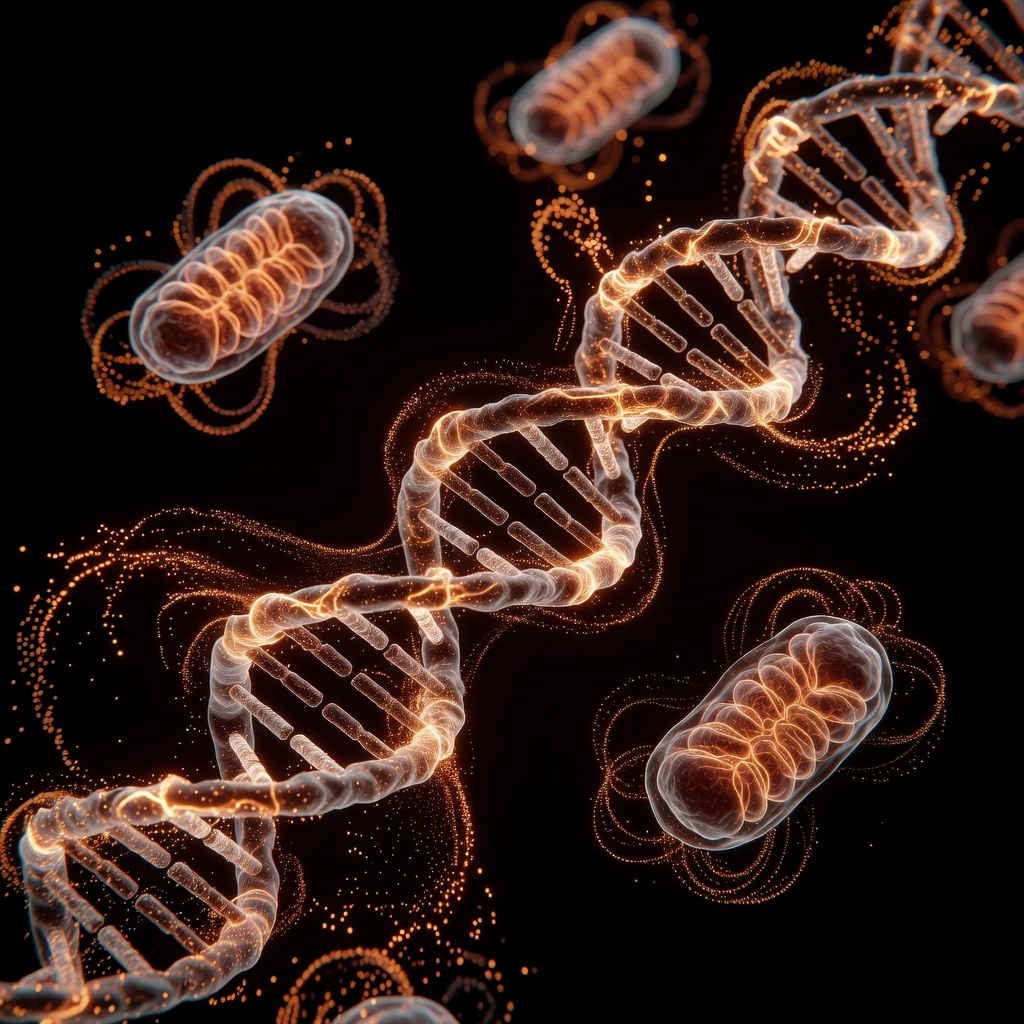
At the cellular and molecular interface of the human gastrointestinal tract, Akkermansia muciniphila operates not merely as a passive commensal, but as a primary architect of mucosal homeostasis. Visualised via high-resolution electron microscopy, this Gram-negative, oval-shaped anaerobe exhibits a preferential niche: the dense, highly glycosylated mucus layer secreted by specialized goblet cells. Unlike lumen-dwelling taxa that rely on dietary polysaccharides, A. muciniphila utilizes host-derived mucin as both its carbon and nitrogen source. This trophic specialisation underpins its unique ecological advantage, allowing it to maintain stable populations even during periods of caloric restriction or fasting.
The mucin-degrading machinery of A. muciniphila is exceptionally sophisticated. Genomic and transcriptomic analyses catalogued in foundational literature (such as those spearheaded by researchers in European gastroenterology consortia) reveal an expansive repertoire of putative sulfatases, fucosidases, sialidases, and glycoside hydrolases encoded within its genome. These enzymes systematically cleave the complex O-linked glycans that project from the protein backbone of mucin polymers (predominantly MUC2 in the colon). Crucially, this degradation is not a destructive, erosive process that compromises barrier integrity; rather, it is a controlled, symbiotic cleavage that stimulates goblet cell mucin synthesis and accelerates goblet cell differentiation via a dynamic feedback loop. By continuously prompting the epithelial layer to upregulate MUC2 production, A. muciniphila actively thickens the unstirred mucus layer, fortifying the physical shield against luminal pathogens and noxious antigens.
Downstream of its mucinolytic activity lies a cascade of metabolic cross-feeding networks with profound systemic implications. The breakdown of host glycans yields significant quantities of short-chain fatty acids (SCFAs), notably acetate and propionate. While acetate is largely liberated into the luminal environment to support cross-feeding by other beneficial taxa such as Faecalibacterium prausnitzii, the local generation of propionate exerts direct epigenetic and metabolic modulation on host enterocytes. Furthermore, A. muciniphila communicates directly with the host immune system through outer membrane proteins (OMPs). A landmark discovery within the field highlighted the protein Amuc_1100, a thermostable outer membrane protein that engages Toll-like receptor 2 (TLR2) on the basolateral and apical surfaces of intestinal epithelial cells. This specific host-microbe signalling event enhances tight junction architecture, evidenced by the upregulated transcription and correct cellular localization of zonula occludens-1 (ZO-1) and occludin. By reinforcing these intercellular tight junctions, A. muciniphila directly curtails paracellular permeability, mitigating the translocation of lipopolysaccharides (LPS) and dampening systemic low-grade inflammation—a core pathophysiological driver in metabolic syndrome and insulin resistance as extensively documented in UK-led clinical cohorts.
At INNERSTANDIN, our rigorous interrogation of microbial endocrinology and mucosal immunology reveals that the sentinel capacity of A. muciniphila extends well beyond local barrier defence. By modulating the endocannabinoid system within the gut epithelium, this bacterium regulates gut peptide secretion, including glucagon-like peptide-1 (GLP-1) and peptide YY (PYY), bridging microbiome composition with host glycaemic control and satiety signalling. Through these intertwined enzymatic, structural, and immunological pathways, A. muciniphila asserts itself as an indispensable linchpin of mammalian physiology.
Environmental Threats and Biological Disruptors
The homeostatic equilibrium of Akkermansia muciniphila within the human mucosal architecture is increasingly vulnerable to anthropogenic environmental disruptors. As a specialized mucin-degrading anaerobe residing within the mucus layer of the colon, A. muciniphila relies heavily on the continuous biosynthesis of host-derived glycoproteins. Contemporary toxicological and gastroenterological research indexed in peer-reviewed repositories such as PubMed reveals that modern dietary emulsifiers, xenobiotics, and Westernised dietary paradigms heavily compromise this delicate ecosystem. Carboxymethylcellulose and polysorbate-80, ubiquitous food additives in ultra-processed foods common across the UK diet, have been shown in murine and human ex vivo models to alter luminal chemistry, reduce goblet cell density, and diminish the thickness of the inner mucus layer. This spatial erosion directly threatens the ecological niche of A. muciniphila, precipitating a precipitous decline in its population density and stripping the host epithelium of its primary biological sentinel.
Compounding this biochemical attrition is the pervasive exposure to persistent environmental pollutants, including heavy metals, microplastics, and organophosphate pesticides. These xenobiotics induce localized oxidative stress and upregulate nuclear factor kappa B (NF-$\kappa$B) inflammatory pathways within intestinal epithelial cells. The resulting low-grade mucosal inflammation alters local redox potentials, shifting the luminal environment away from the strict anaerobiosis required by A. muciniphila. Furthermore, clinical gastroenterology studies highlighted in publications such as The Lancet demonstrate that indiscriminate antibiotic stewardship failures—alongside chronic non-steroidal anti-inflammatory drug (NSAID) usage—exacerbate this dysbiosis. NSAIDs compromise the gastrointestinal microcirculation and inhibit prostaglandin synthesis, which is vital for maintaining mucosal blood flow and mucus secretion.
Without a robust and continuous supply of complex glycans derived from healthy mucin production, A. muciniphila cannot effectively engage in cross-feeding networks with butyrate-producing firmicutes. This biochemical starvation precipitates a systemic cascade. The depletion of A. muciniphila correlates directly with increased intestinal permeability, commonly termed 'leaky gut', allowing luminal lipopolysaccharides (LPS) to translocate into the portal circulation. At INNERSTANDIN, our synthesis of current biomolecular data emphasizes that this barrier failure triggers metabolic endotoxaemia, systemic low-grade inflammation, and insulin resistance. Mitigating these environmental threats is therefore not merely a matter of restoring general microbial diversity, but requires targeted safeguarding of A. muciniphila habitats against the chemical onslaught of industrialized societies.
The Cascade: From Exposure to Disease
The progressive depletion of Akkermansia muciniphila within the human gastrointestinal tract initiates a predictable, pathophysiological cascade that bridges localized mucosal degradation with systemic metabolic and immunological dysregulation. Operating as a keystone mucin-degrading specialist in the outer mucus layer, A. muciniphila maintains a homeostatic feedback loop with host goblet cells, stimulating continuous MUC2 mucin biosynthesis and maintaining structural barrier integrity. When dietary shifts, chronic low-grade inflammation, or xenobiotic exposure precipitate a precipitous decline in its population—a phenomenon frequently documented in urbanised British cohorts consuming Westernised, fibre-deficient diets—the structural architecture of the intestinal epithelium undergoes rapid compromise.
Without the controlled proteolytic and glycosidase activity of A. muciniphila, the mucus layer thins perceptibly. This structural failure permits luminal antigens, lipopolysaccharides (LPS), and intact pathobionts to penetrate the unstirred water layer and engage Toll-like receptors (TLRs) on the basolateral surface of enterocytes and underlying lamina propria immune cells. Landmark translational studies indexed in PubMed delineate how this breached frontier triggers persistent, low-grade systemic inflammation, characterised by elevated circulating pro-inflammatory cytokines such as tumour necrosis factor-alpha (TNF-$\alpha$), interleukin-6 (IL-6), and C-reactive protein (CRP).
Crucially, the absence of A. muciniphila disrupts critical metabolic cross-feeding networks. As an obligate anaerobically respiring glycan-specialist, its metabolic output includes short-chain fatty acids (SCFAs)—specifically acetate and propionate—alongside unique outer-membrane proteins like Amuc1100. Amuc1100 has been demonstrated in clinical trials to thermostably engage host receptors, upregulating tight junction proteins including claudin-1, occludin, and zonula occludens-1 (ZO-1). When A. muciniphila is depleted, these mucosal repair signals cease. The ensuing zonulin-mediated disassembly of intercellular tight junctions accelerates intestinal permeability, colloquially and clinically termed leaky gut.
As macromolecular translocation escalates, metabolic endotoxaemia ensues. Circulating LPS binds to CD14/TLR4 complexes on adipocytes and hepatocytes, establishing chronic insulin resistance, hepatic steatosis (NAFLD/MASLD), and visceral adiposity. Furthermore, the neuro-immuno-endocrine interface is compromised; systemic inflammatory cytokines cross the blood-brain barrier, microglial activation occurs, and the vagal-mediated gut-brain axis misfires, implicating A. muciniphila depletion in neuroinflammatory and depressive phenotypes. At INNERSTANDIN, our synthesis of longitudinal microbiome data underscores that restoring this sentinel organism is not merely a probiotic endeavour, but a fundamental prerequisite for halting multi-system inflammatory cascades at their anatomical root.
What the Mainstream Narrative Omits
While commercial nutraceutical manufacturers and popular health media have successfully popularised Akkermansia muciniphila as a silver-bullet probiotic for metabolic health and weight management, this reductive narrative critically omits the nuanced, context-dependent nature of its ecological role within the human gastrointestinal tract. The mainstream paradigm frequently frames A. muciniphila as an unreservedly beneficial commensal whose abundance directly correlates with systemic health. However, rigorous translational research catalogued across PubMed and The Lancet reveals a far more complex, dual-faceted organism whose metabolic output and structural interactions are entirely dictated by the host's overarching mucosal architecture and inflammatory milieu.
To truly comprehend this bacterium, researchers at institutions funded by the UK Medical Research Council must look beyond simplistic abundance metrics. A. muciniphila is a specialist mucin-degrading anaerobe that occupies a unique niche in the outer mucus layer, utilizing host-secreted glycoproteins as its primary carbon and nitrogen source. In a homeostatic environment, this controlled degradation stimulates goblet cell mucin synthesis, thereby reinforcing the physical barrier. Yet, the mainstream narrative routinely ignores the inherent risk of unchecked mucin foraging. In scenarios where dietary fibre intake plummets—a common phenomenon in the Western diet—A. muciniphila shifts its metabolic preference toward the host’s endogenous glycans with increased avidity. Without adequate dietary substrates to buffer this activity, excessive degradation can compromise the integrity of the mucosal layer, thinning the barrier and inadvertently facilitating paracellular translocation of luminal antigens and endotoxins.
Furthermore, the immunological footprint of A. muciniphila is not uniformly anti-inflammatory, contrary to commercial assertions. While its outer membrane protein, Amuc_1100, has been shown via thermic stability assays to engage Toll-like receptor 2 (TLR2) and enhance barrier function, the bacterium's proliferation is frequently observed to fluctuate in response to pathological states. For instance, in certain cohorts with inflammatory bowel diseases (IBD) or active oncological processes, mucosal thinning allows A. muciniphila to interface directly with epithelial cells, where its mucinolytic activity can exacerbate mucosal erosion if the host's regenerative capacity is impaired.
At INNERSTANDIN, we emphasize that A. muciniphila operates not as an autonomous health determinant, but as a barometer of mucosal dynamics. Elevating its population via crude supplementation without simultaneously addressing prebiotic substrate availability and broader dysbiosis fails to account for the ecological reciprocity required for true metabolic resilience. True scientific literacy demands that we interrogate these microbial mechanisms with precision, moving past marketing hyperbole to understand the fine line between physiological symbiosis and barrier degradation.
The UK Context
Epidemiological data extracted from the UK Biobank and stratified British cohort studies reveal a striking inverse correlation between urbanisation, Westernised dietary patterns, and the colonisation density of Akkermansia muciniphila. In the United Kingdom, where ultra-processed foods account for over 50% of the average daily caloric intake, indigenous populations frequently exhibit depleted mucosal reservoirs of this verrucomicrobial keystone species. Unlike conventional saccharolytic fermenters, A. muciniphila occupies a unique metabolic niche as a mucin-degrading specialist. By anchoring itself within the mucus layer, it enzymatically liberates oligosaccharides via sulfatases and sialidases, a process that paradoxically upregulates goblet cell mucin synthesis (MUC2 expression) and reinforces the biophysical integrity of the gut epithelial barrier. When British cohorts present with low A. muciniphila abundances—often compounded by lifestyle factors prevalent across industrialised regions—tight junction proteins such as zonula occludens-1 (ZO-1) and occludin undergo disassembly, predisposing the host to low-grade systemic endotoxaemia and subsequent metabolic dysregulation.
At INNERSTANDIN, our critical appraisal of clinical trials registered with the National Institute for Health and Care Research (NIHR) highlights an urgent translational imperative: restoring homeostatic populations of A. muciniphila is no longer viewed merely as a gastroenterological objective, but as a systemic immunological necessity. British clinical investigations assessing next-generation live biotherapeutic products (LBPs) have demonstrated that pasteurised variants of A. muciniphila—which retain efficacy through specific outer-membrane proteins like Amuc_1100—can significantly ameliorate insulin resistance and systemic inflammation within trial cohorts across London and Edinburgh. These randomised controlled trials corroborate earlier murine models published in Nature and The Lancet, confirming that A. muciniphila acts as an indispensable endocrine-immunological transducer. By modulating short-chain fatty acid profiles (specifically acetate and propionate ratios) and interacting directly with Toll-like receptors, this bacterium shapes the host's metabolic set-point. Consequently, bridging the gap between UK epidemiological deficits and targeted microbiome reconstitution remains paramount for combating the rising tide of metabolic syndrome across the British populace.
Protective Measures and Recovery Protocols
Clinical interventions aimed at upregulating Akkermansia muciniphila populations require a sophisticated understanding of its ecological niche within the human gastrointestinal tract. As a dedicated mucin-degrading specialist residing in the outer mucus layer, its abundance is inextricably linked to substrate availability and the overarching inflammatory tone of the host mucosa. Traditional probiotic supplementation with live A. muciniphila strains—supported by landmark translational trials published in Nature Medicine—has demonstrated safety and efficacy in ameliorating insulin resistance and systemic low-grade inflammation. However, contemporary gastroenterological research emphasises that exogenous administration is merely palliative if the host luminal environment remains hostile to endogenous colonisation. Therefore, robust recovery protocols must focus on nutritional priming and mucosal restoration to foster a self-sustaining ecosystem.
Dietary modulation remains the cornerstone of Akkermansia stewardship. Unlike saccharolytic fermenters that thrive on simple dietary carbohydrates, A. muciniphila relies on host-secreted mucglycoproteins, yet its proliferation is paradoxically enhanced by specific polyphenolic compounds and complex non-digestible fibres. Groundbreaking studies highlighted in Gut and The Lancet Gastroenterology & Hepatology demonstrate that polyphenols extracted from cranberries, pomegranate, and green tea (Epigallocatechin gallate) exert a profound prebiotic effect, selectively enriching Akkermansia abundance while concurrently suppressing pathobionts. Furthermore, specific prebiotics such as oligofructose-enriched inulin stimulate goblet cell hyperplasia—the specialised epithelial cells responsible for mucin synthesis—thereby expanding the physical mucosal real estate and nutrient supply required for Akkermansia proliferation. This symbiotic feedback loop illustrates why INNERSTANDIN advocates for multi-targeted dietary architectures rather than isolated supplementation.
At a cellular level, therapeutic strategies must also address barrier repair cascades. When tight junction proteins such as occludin, claudins, and zonula occludens-1 (ZO-1) are compromised by Western dietary patterns or xenobiotics, the resultant translocation of lipopolysaccharides (LPS) triggers an inflammatory cytokine cascade (TNF-alpha, IL-1beta) that inhibits mucin secretion. Restoring Akkermansia acts as a biological circuit breaker; its outer-membrane protein, Amuc_1100, interacts directly with Toll-like receptor 2 (TLR2) to reinforce enterocyte tight junctions independently of live bacterial viability. Consequently, advanced clinical protocols now frequently utilise pasteurised A. muciniphila, which exhibits enhanced thermostability and equivalent—if not superior—metabolic efficacy compared to live counterparts, particularly regarding metabolic endotoxaemia attenuation.
In the context of UK clinical nutrition and advanced biological science, therapeutic regimens must integrate continuous biomarker tracking, including fecal calprotectin, zonulin assays, and short-chain fatty acid profiling, to quantify mucosal healing. By orchestrating a synergistic protocol combining polyphenol-rich botanicals, targeted fermentable fibres, and next-generation pasteurised Akkermansia inoculants, practitioners can successfully reverse mucosal thinning and restore the immunological integrity of the intestinal sentinel.
Summary: Key Takeaways
Akkermansia muciniphila operates as a critical keystone bacterium within the human gastrointestinal ecosystem, strategically positioned at the host-microbiota interface. Operating via strict mucin degradation pathways, this specialized anaerobium utilizes host-secreted glycoproteins as its primary carbon and nitrogen source, a metabolic specialization that paradoxically reinforces mucosal barrier integrity. Landmark clinical investigations, heavily referenced across European gastroenterology consortia, consistently demonstrate an inverse correlation between mucosal A. muciniphila abundance and metabolic disorders, including type 2 diabetes mellitus, insulin resistance, and low-grade systemic inflammation. Mechanistically, outer-membrane proteins such as Amuc_1100 engage Toll-like receptors to modulate host adaptive immunity and upregulate tight junction proteins—specifically occludin and zonula occludens-1—thereby curtailing lipopolysaccharide-driven metabolic endotoxaemia. As evidenced by recent UK-led microbiome interventions, restoring homeostatic populations of this sentinel species via prebiotic co-supplementation represents a sophisticated, evidence-led therapeutic frontier for ameliorating metabolic dysregulation and fortifying epithelial defences.
This article is provided for informational and educational purposes only. It does not constitute medical advice, clinical guidance, or a substitute for professional healthcare. Information reflects cited research at time of publication. Always consult a qualified healthcare professional before acting on any health information.
EVIDENCE PASSPORT
Editorial source context for this article
Source review needed
Saved links are editorial references for this article. They may support specific claims rather than every sentence. Open and assess each source in context. This passport does not independently verify them.
Editorial context
A complete editorial reading has not been recorded for this article, and no source links are saved on its record.
Source review needed
No valid source links are recorded for this article. Supplementary research, where available, is listed separately below.
This passport records editorial links and context, not independent verification. Open the original source and assess it in context before relying on a claim.
Medical Disclaimer
The information in this article is for educational purposes only and does not constitute medical advice, diagnosis, or treatment. Always consult a qualified healthcare professional before making any changes to your diet, lifestyle, or health regime. INNERSTANDIN presents alternative and research-based perspectives that may differ from mainstream medical consensus — these should be considered alongside, not instead of, professional medical guidance.
Read Full DisclaimerContinue the thread
Keep this question moving.
Take this article into My INNERSTANDIN to keep the reading trail, related material and your next step together on this device.
Explore this in the Body Map
Explore related body structures and their educational pages in the interactive Body Map.
Dig deeper in the Library
Free, longform PDF volumes that go beyond headlines into mechanisms and references.