All INNERSTANDIN content is for educational purposes only — not medical advice, diagnosis or treatment. Full Disclaimer →

    BACK TO DATABASE
    TAGGED RESEARCH

    #Inflammation

    136TRANSMISSIONS FOUND
    I
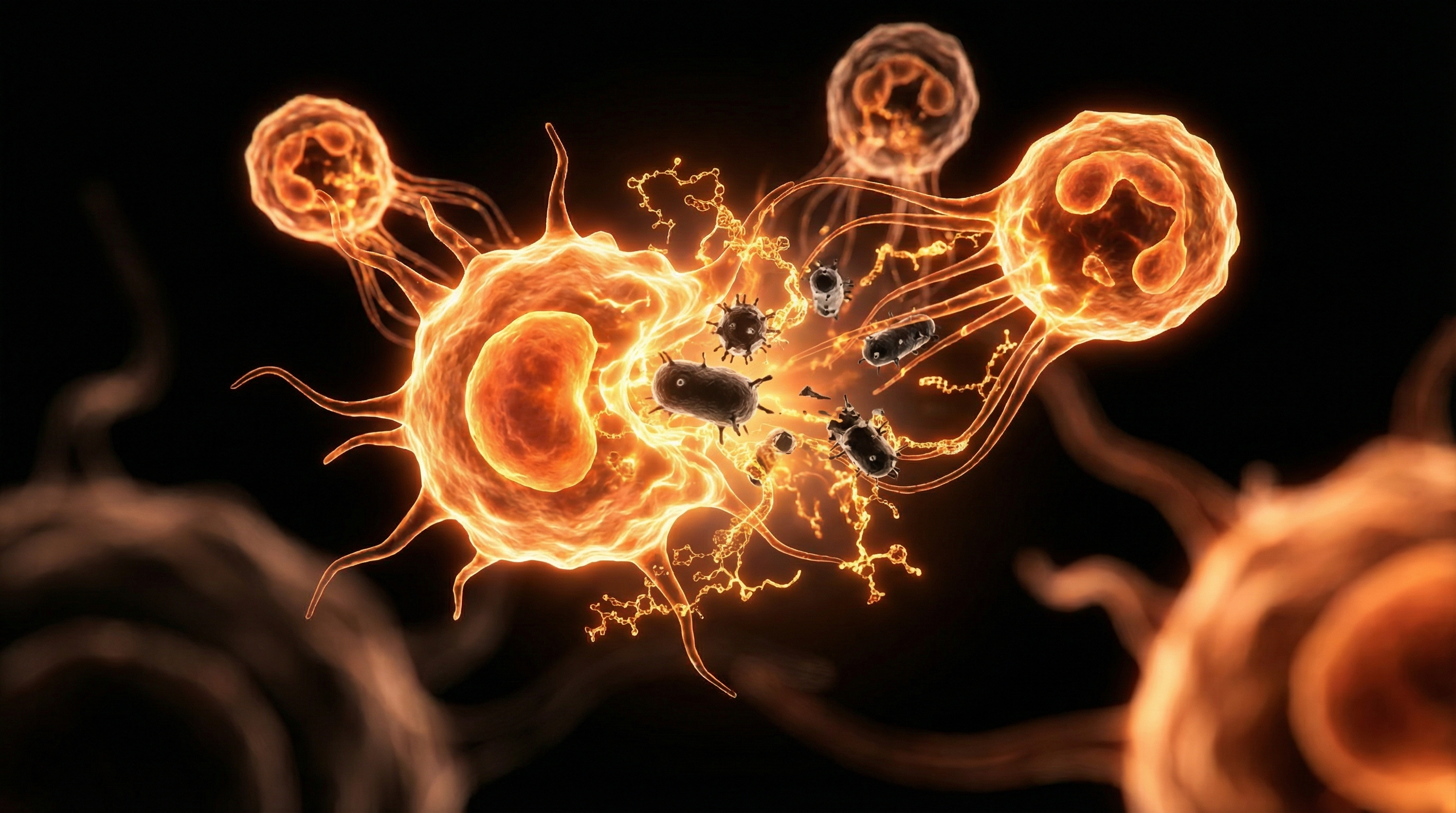
    Scientific illustration for Inflammation: The Double-Edged Sword Destroying Modern Health
    Physiology
    17 MIN READ

    Inflammation: The Double-Edged Sword Destroying Modern Health

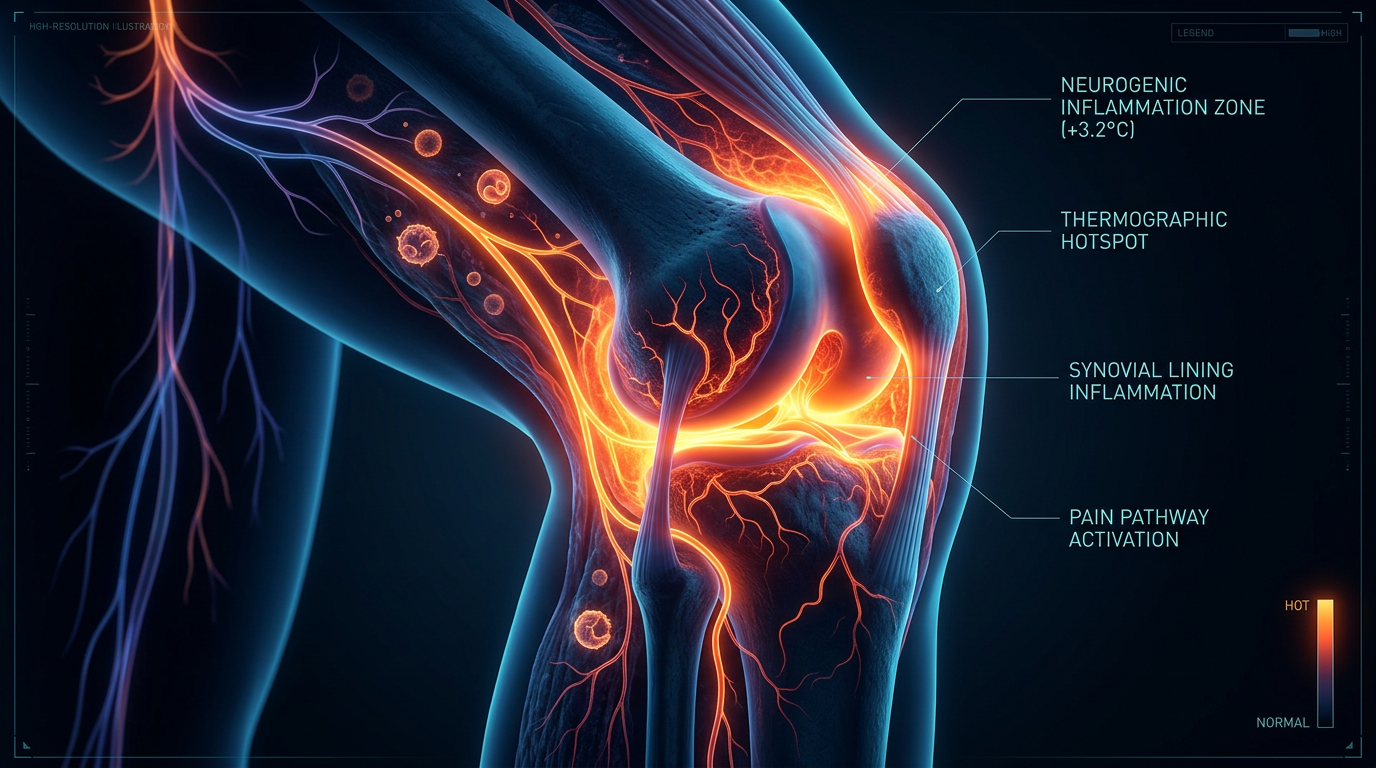
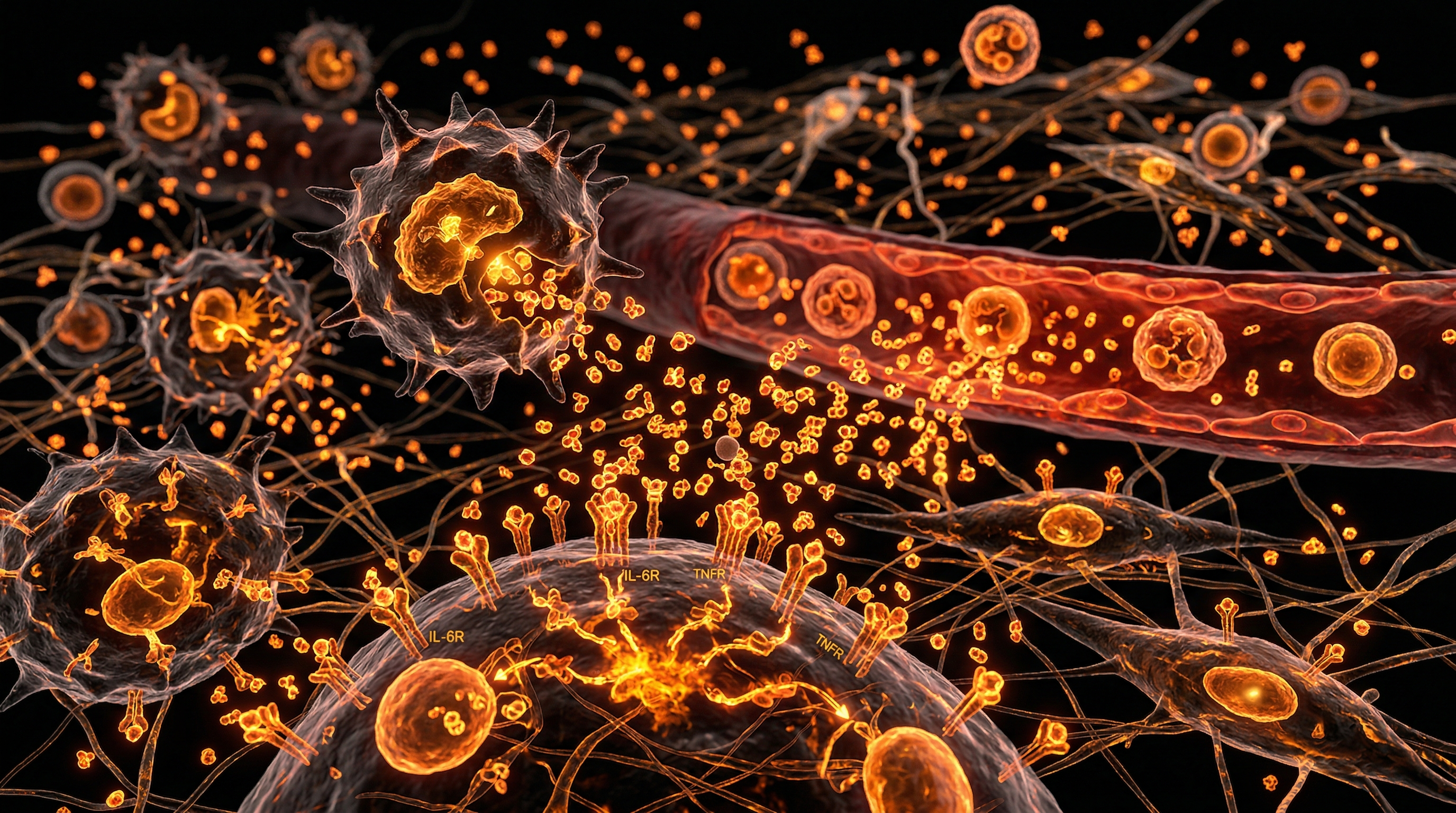
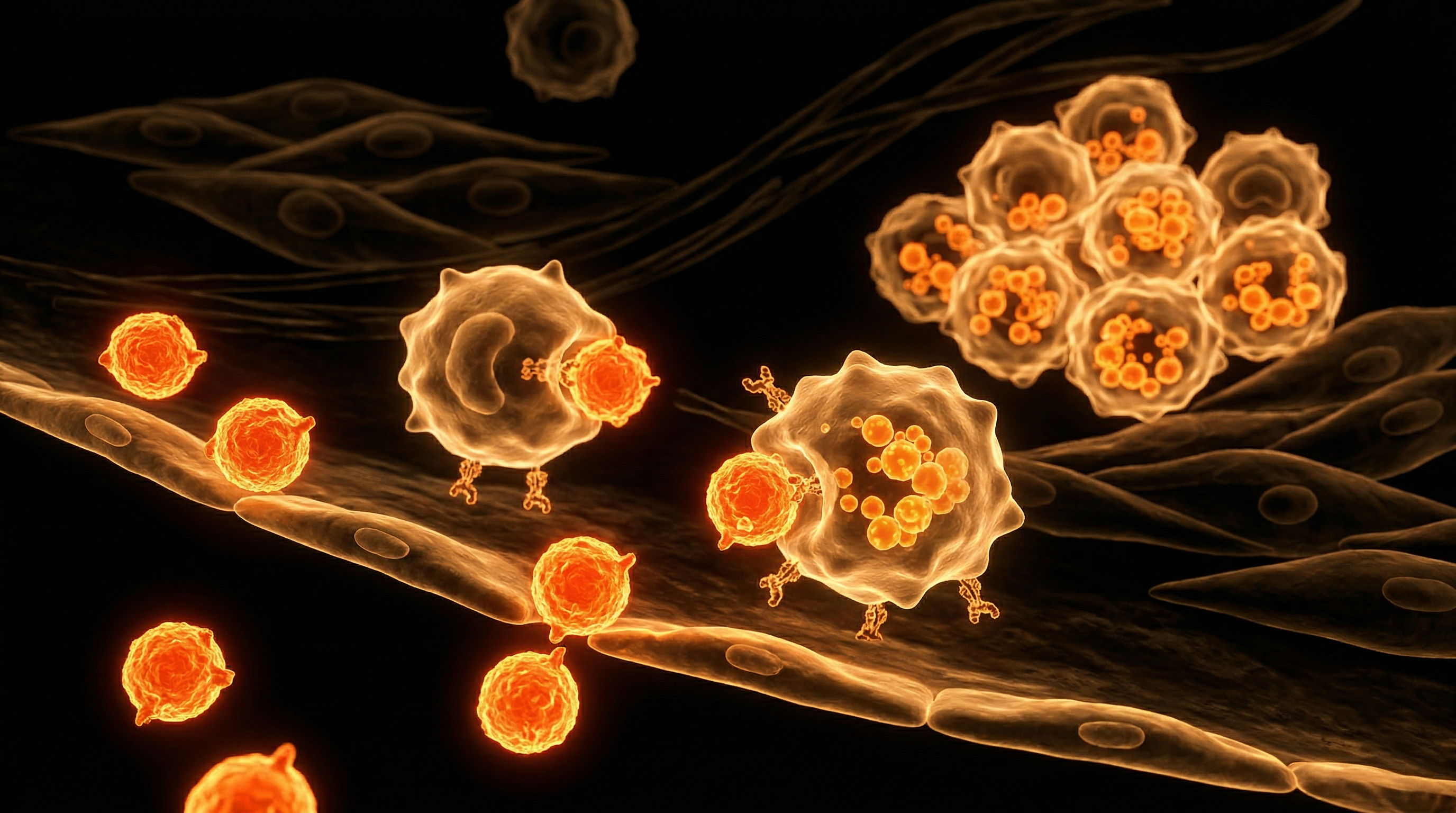
    Inflammation is the immune system's ancient and essential response to infection, injury, and threat — a precisely orchestrated cascade of vascular changes, immune cell recruitment, and chemical signalling designed to eliminate pathogens, clear debris, and initiate tissue repair. Acute inflammation is life-saving; chronic, low-grade systemic inflammation is the defining biological feature of virtually every modern chronic disease, from cardiovascular disease and type 2 diabetes to cancer, Alzheimer's, and autoimmune conditions. The unprecedented levels of chronic inflammation now observed in Western populations — detectable via elevated CRP, IL-6, TNF-alpha, and other biomarkers — are a direct consequence of environmental toxin exposure, processed food consumption, gut dysbiosis, sleep disruption, and psychological stress operating simultaneously.

    #inflammation#cytokines
    C
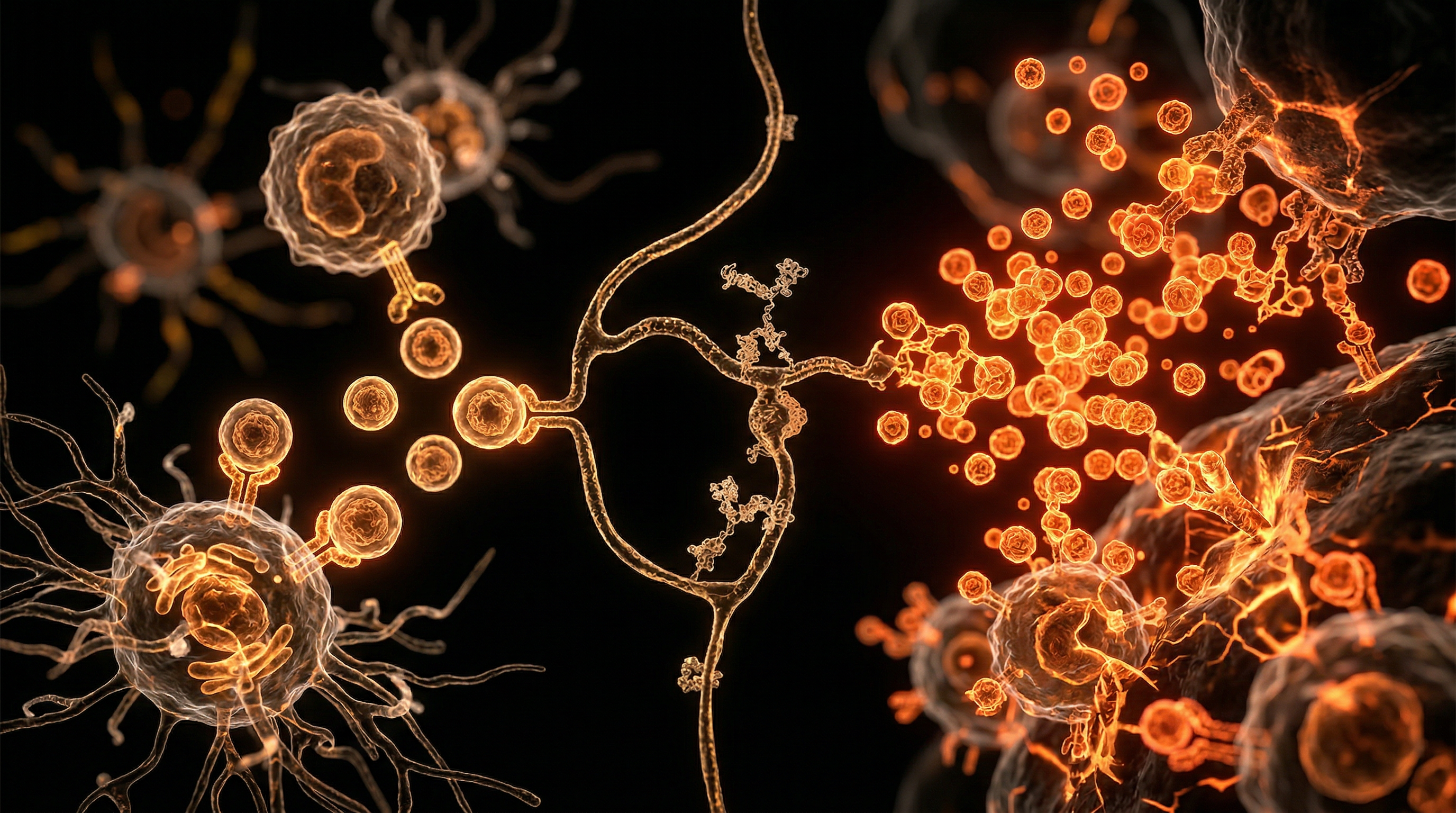
    Scientific illustration for Cytokines: The Chemical Messengers of Immune Warfare
    Immune System
    14 MIN READ

    Cytokines: The Chemical Messengers of Immune Warfare

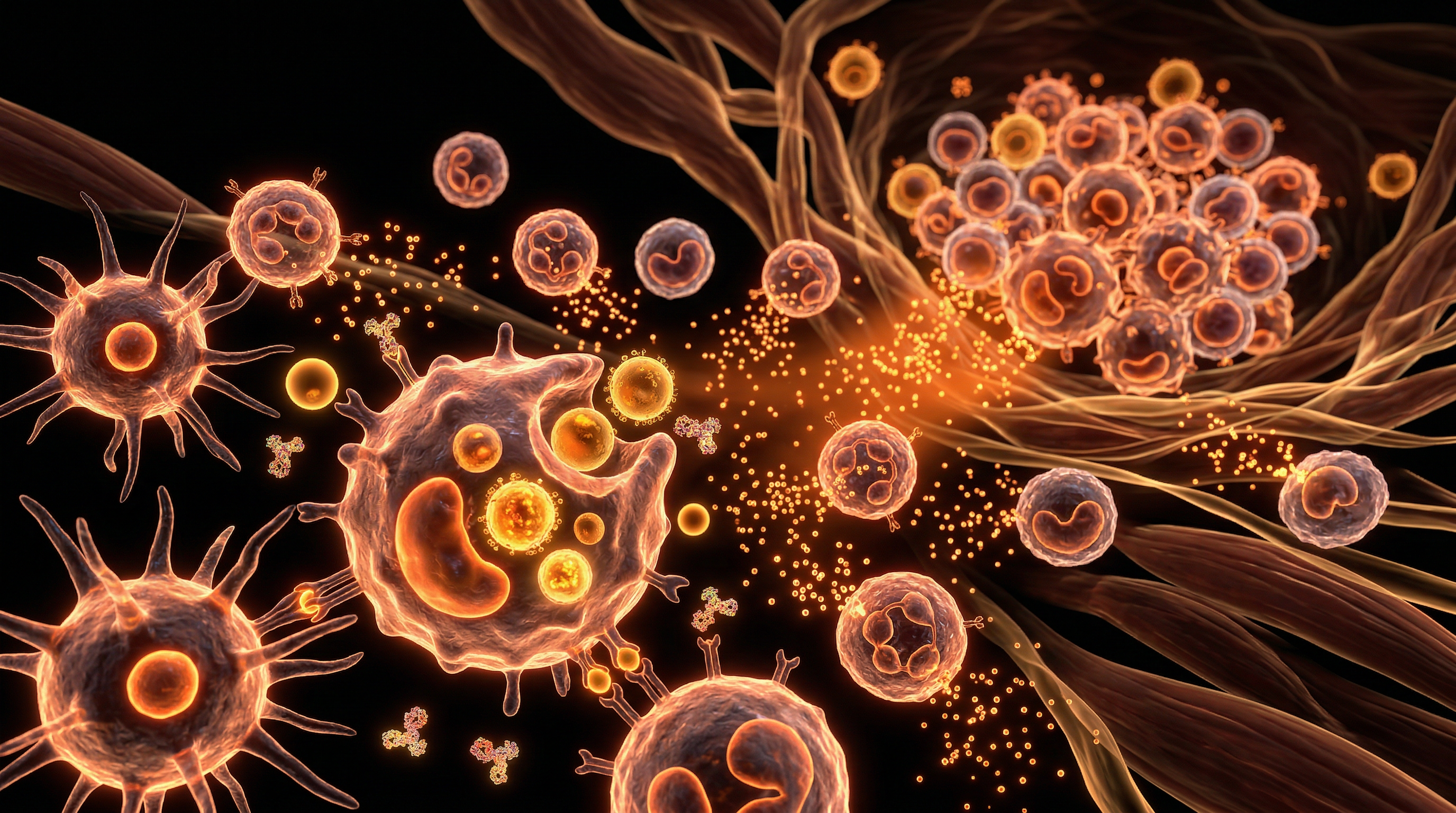
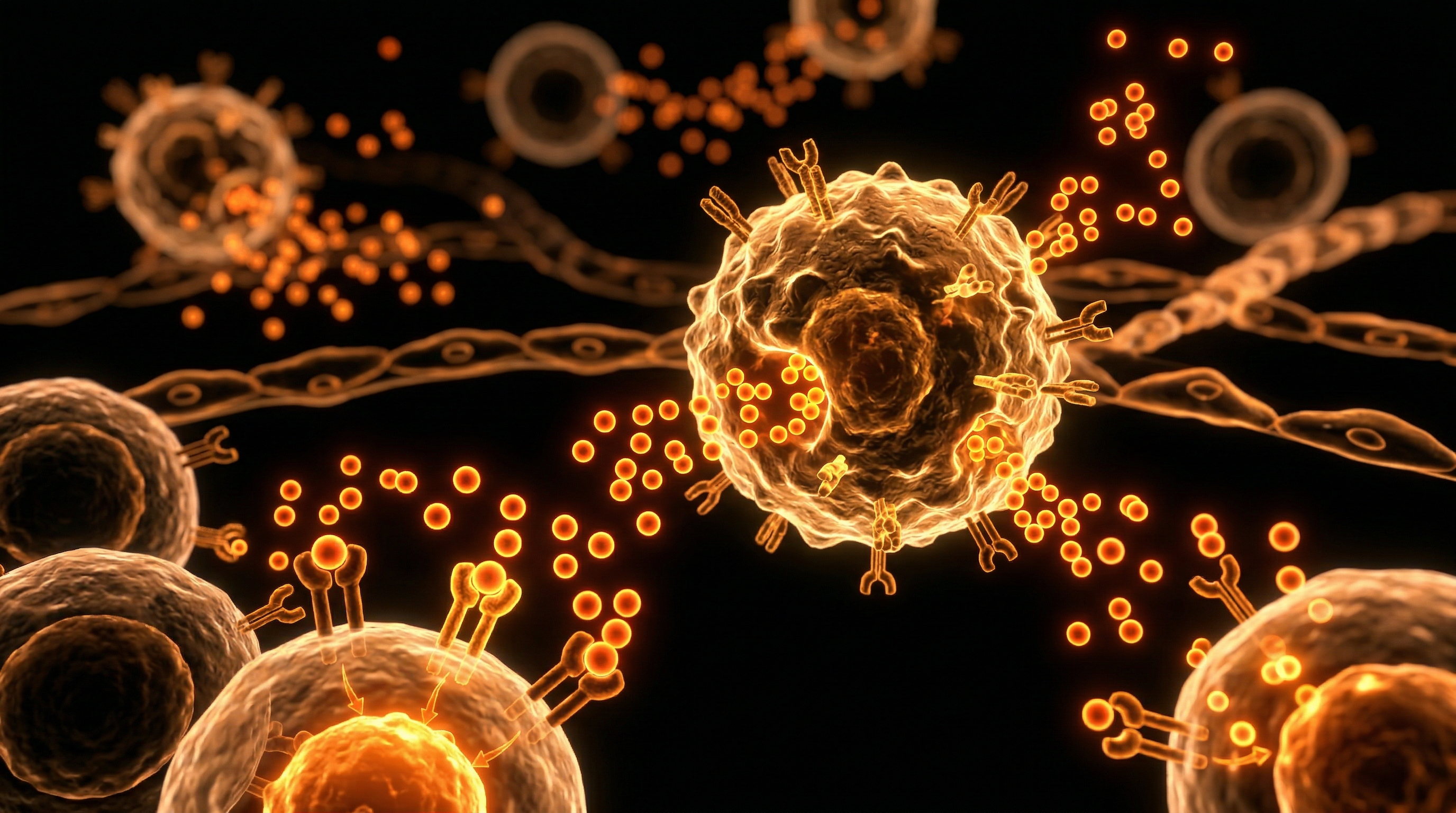
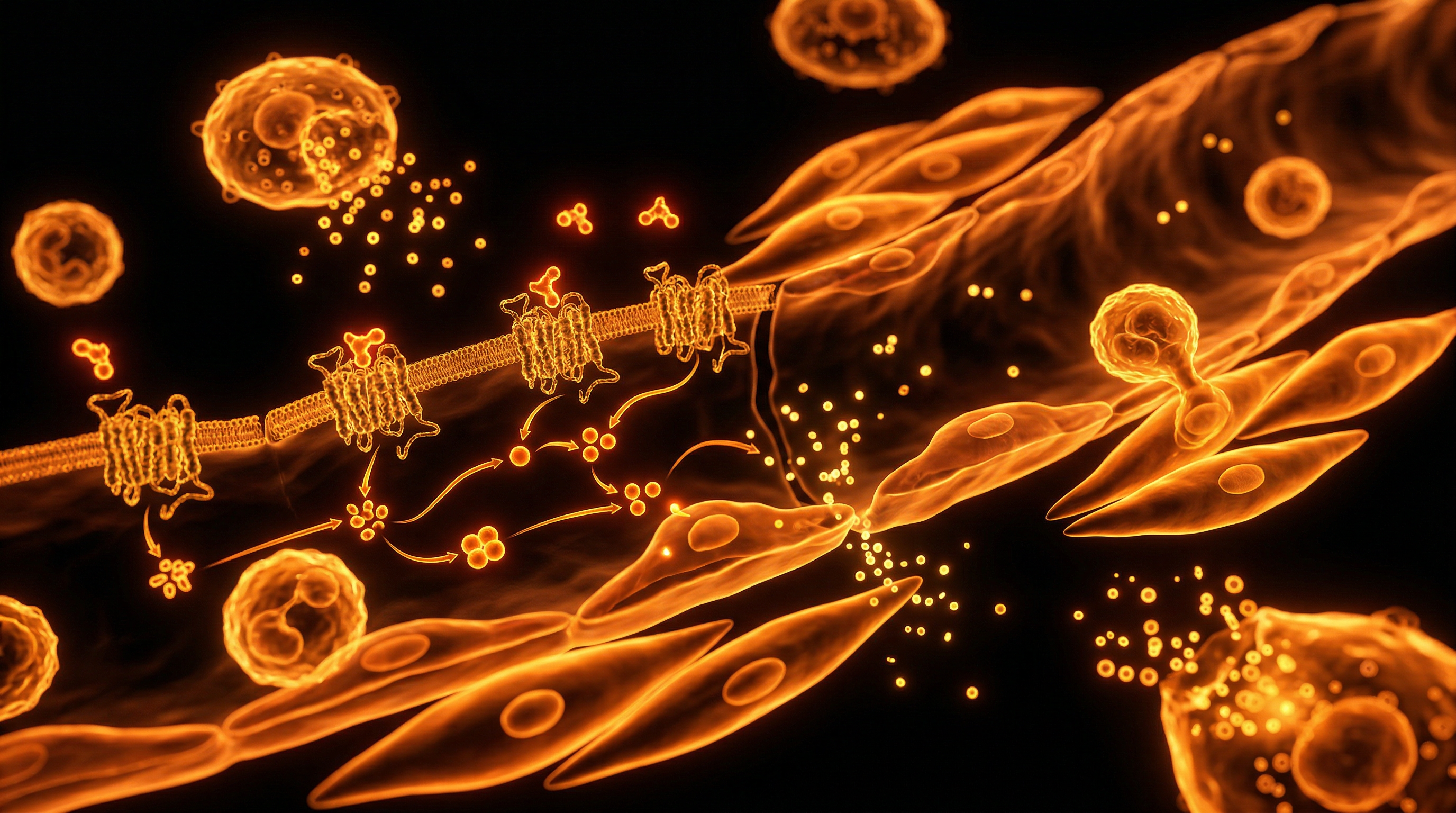
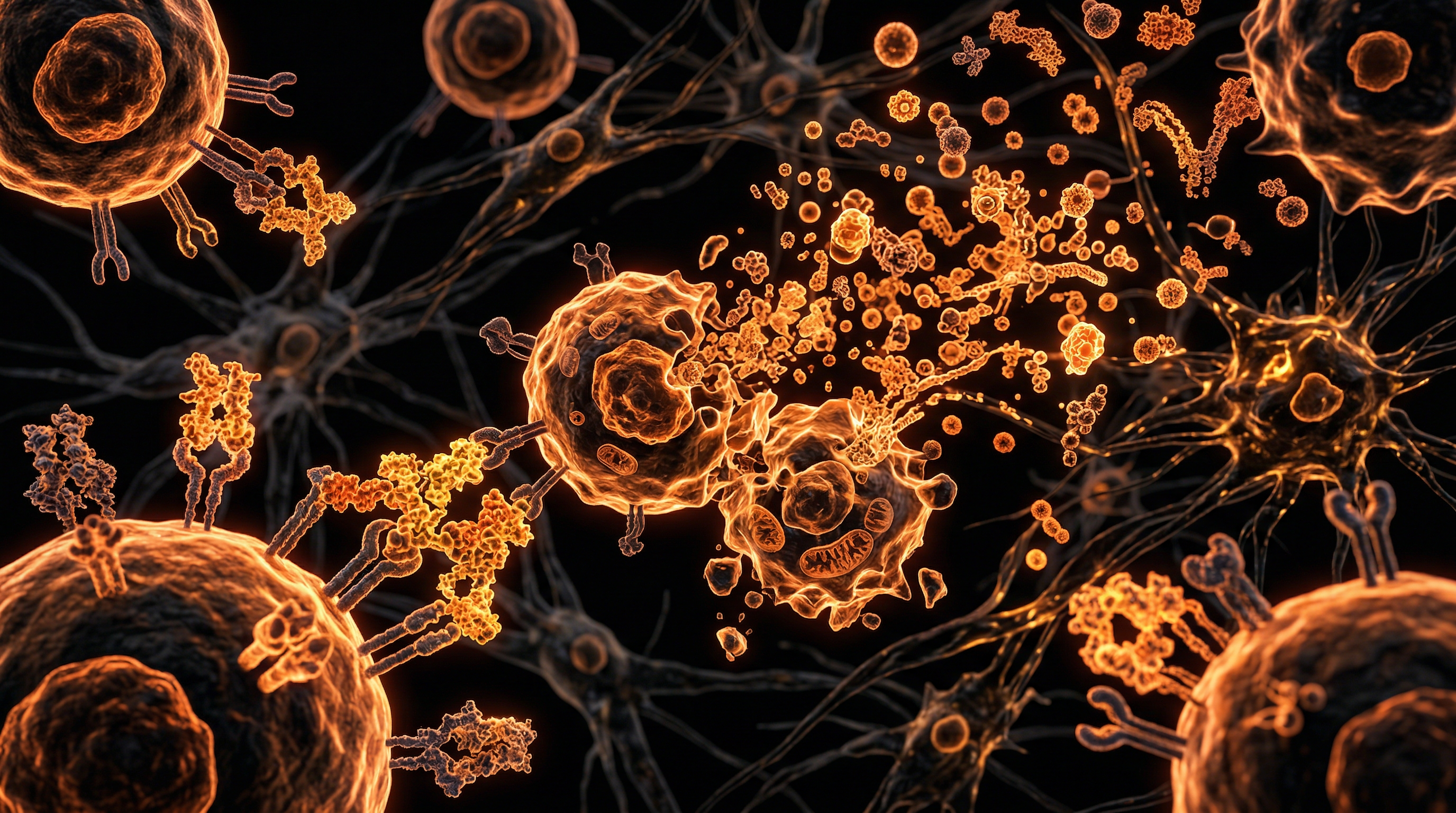
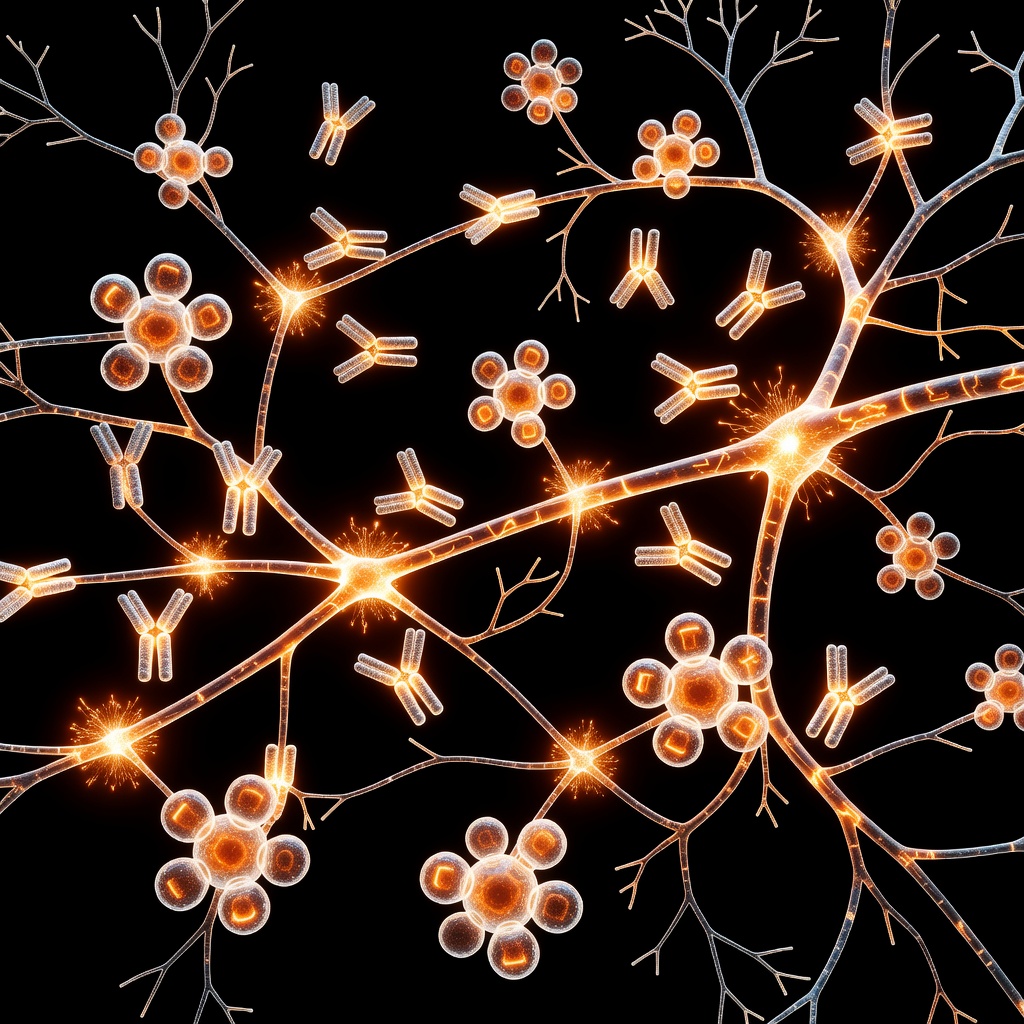
    Cytokines — a diverse superfamily of small secreted proteins including interleukins, interferons, tumour necrosis factors, and chemokines — serve as the primary chemical communication network of the immune system, coordinating the activation, proliferation, differentiation, migration, and resolution of immune responses across both innate and adaptive immune compartments. The exquisitely balanced pro-inflammatory and anti-inflammatory cytokine networks that characterise a healthy immune response are systematically disrupted by environmental toxins: heavy metals including mercury and lead stimulate aberrant Th2-dominant responses; pesticides including organophosphates impair interferon-gamma production; lipopolysaccharide (LPS) from leaky gut triggers chronic low-grade TNF-alpha and IL-6 elevation; and EMF exposure has been shown to activate NF-kappaB — the master transcription factor governing inflammatory cytokine production. The resulting state of cytokine dysregulation — detectable as chronically elevated high-sensitivity CRP, IL-6, and TNF-alpha — is now recognised as the common thread linking virtually every chronic disease condition in the modern epidemic.

    #cytokines#interleukins
    V
    Scientific illustration for Vagus Nerve: The Master Regulator of Healing
    Nervous System
    15 MIN READ

    Vagus Nerve: The Master Regulator of Healing

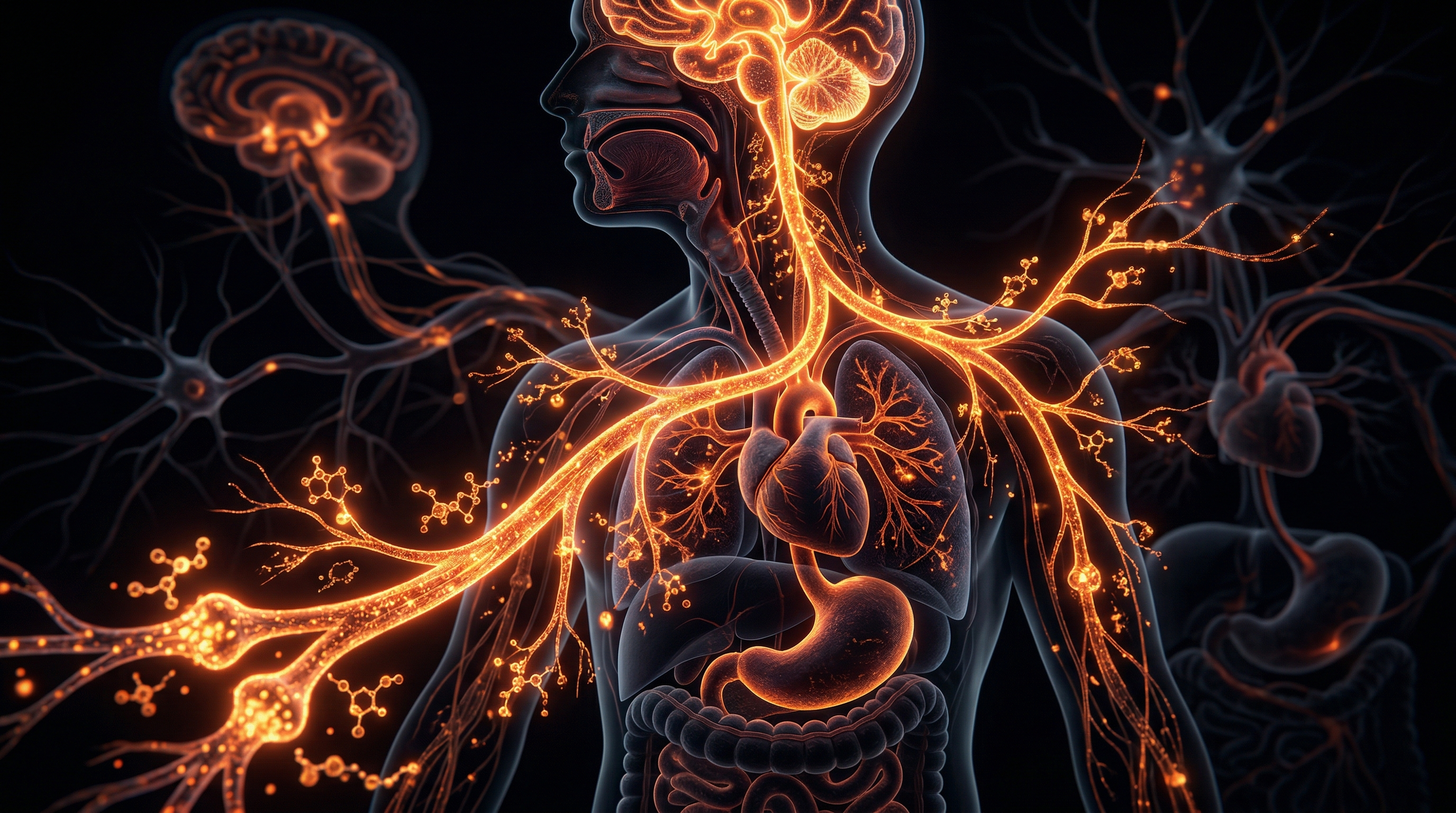
    The vagus nerve — the tenth cranial nerve and the longest nerve in the autonomic nervous system — extends from the brainstem through the neck, chest, and abdomen, innervating the heart, lungs, oesophagus, stomach, liver, gallbladder, spleen, pancreas, and the entire length of the intestines, carrying both efferent signals from the brain to peripheral organs and, critically, 80% afferent signals from the organs back to the brain. As the primary conduit of the parasympathetic nervous system, vagal tone — the level of ongoing vagal activity measurable through heart rate variability (HRV) — determines the body's capacity to maintain anti-inflammatory homeostasis via the 'inflammatory reflex', regulate intestinal motility and gut microbiome composition, manage the stress response through HPA axis modulation, and facilitate the restorative 'rest and digest' physiology that enables tissue repair. Chronic vagal dysfunction — driven by psychological trauma, chronic inflammation, gut dysbiosis, toxic exposure, and sedentary behaviour — is now identified as a common denominator across conditions including autoimmune disease, inflammatory bowel disease, treatment-resistant depression, PTSD, and ME/CFS, making vagal rehabilitation through evidence-based practices a critical and underutilised therapeutic frontier.

    #vagus nerve#parasympathetic
    I
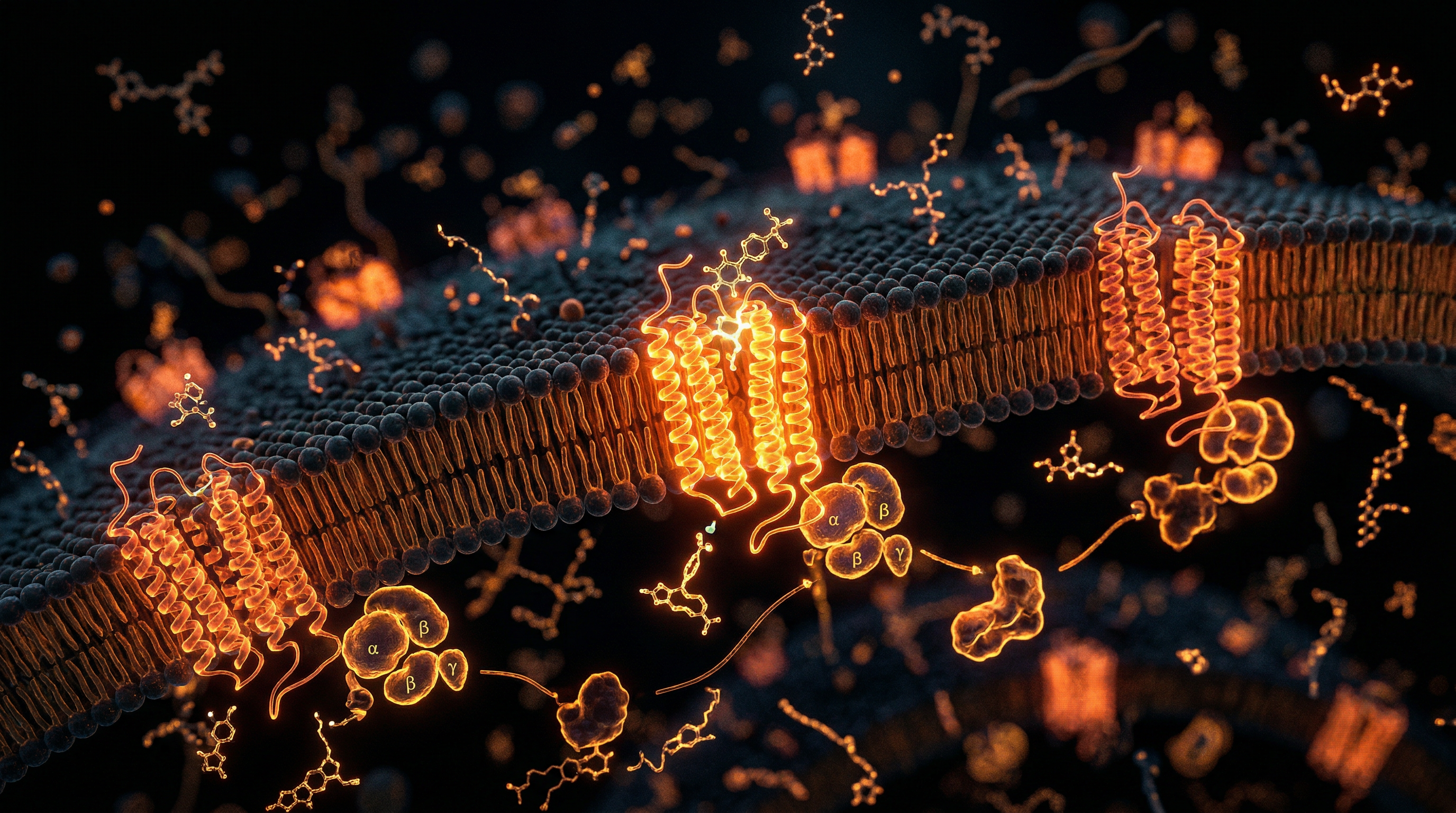
    Scientific illustration for Inflammation: The Biological Fire That Burns Chronically
    Physiology
    17 MIN READ

    Inflammation: The Biological Fire That Burns Chronically

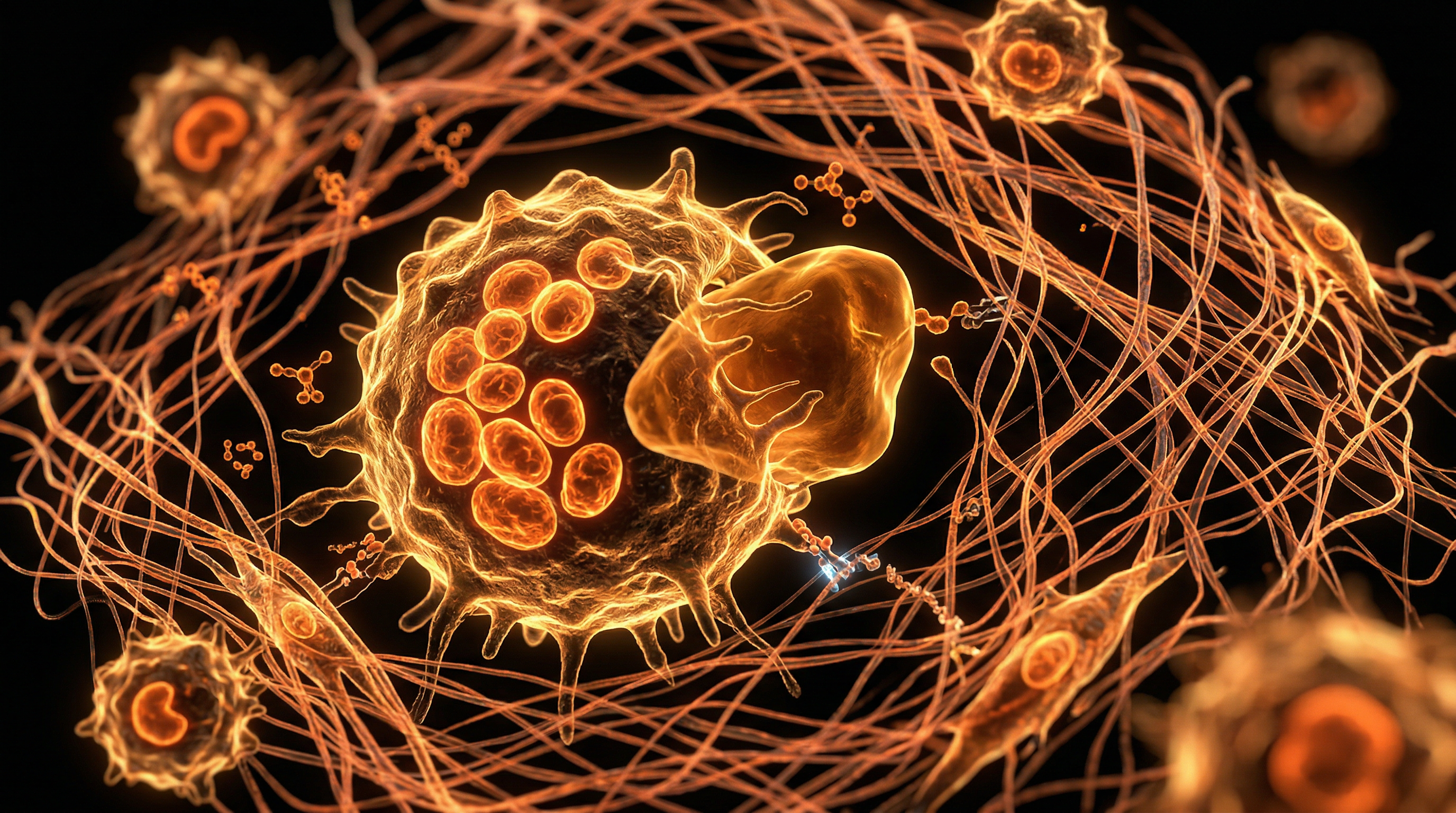
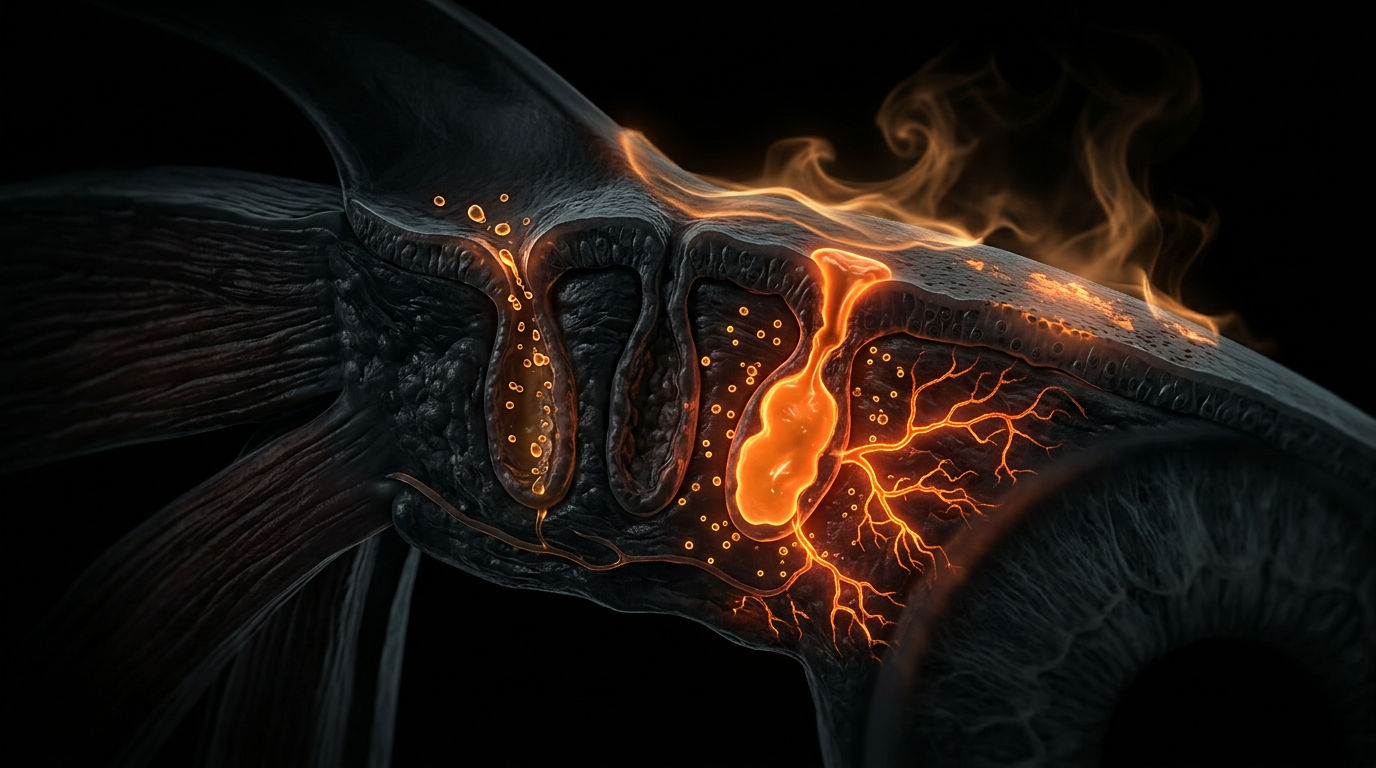
    Acute inflammation is the body's essential wound-healing and pathogen-defence mechanism, orchestrated through prostaglandin synthesis, cytokine signalling, complement activation, and neutrophil mobilisation in a tightly regulated cascade that resolves within days. Chronic low-grade inflammation — driven by persistent gut dysbiosis, toxic burden, glycaemic dysregulation, and omega-6:omega-3 imbalance — hijacks these same pathways into a sustained state of immune activation that is the common underlying mechanism of cardiovascular disease, type 2 diabetes, cancer, neurodegenerative conditions, and autoimmune disease. The pharmaceutical industry's answer — anti-inflammatory drugs that block these pathways without addressing their cause — treats the smoke alarm whilst ignoring the fire.

    #inflammation#cytokines
    C
    Scientific illustration for Cortisol & The HPA Axis: The Biology of Chronic Stress
    Physiology
    15 MIN READ

    Cortisol & The HPA Axis: The Biology of Chronic Stress

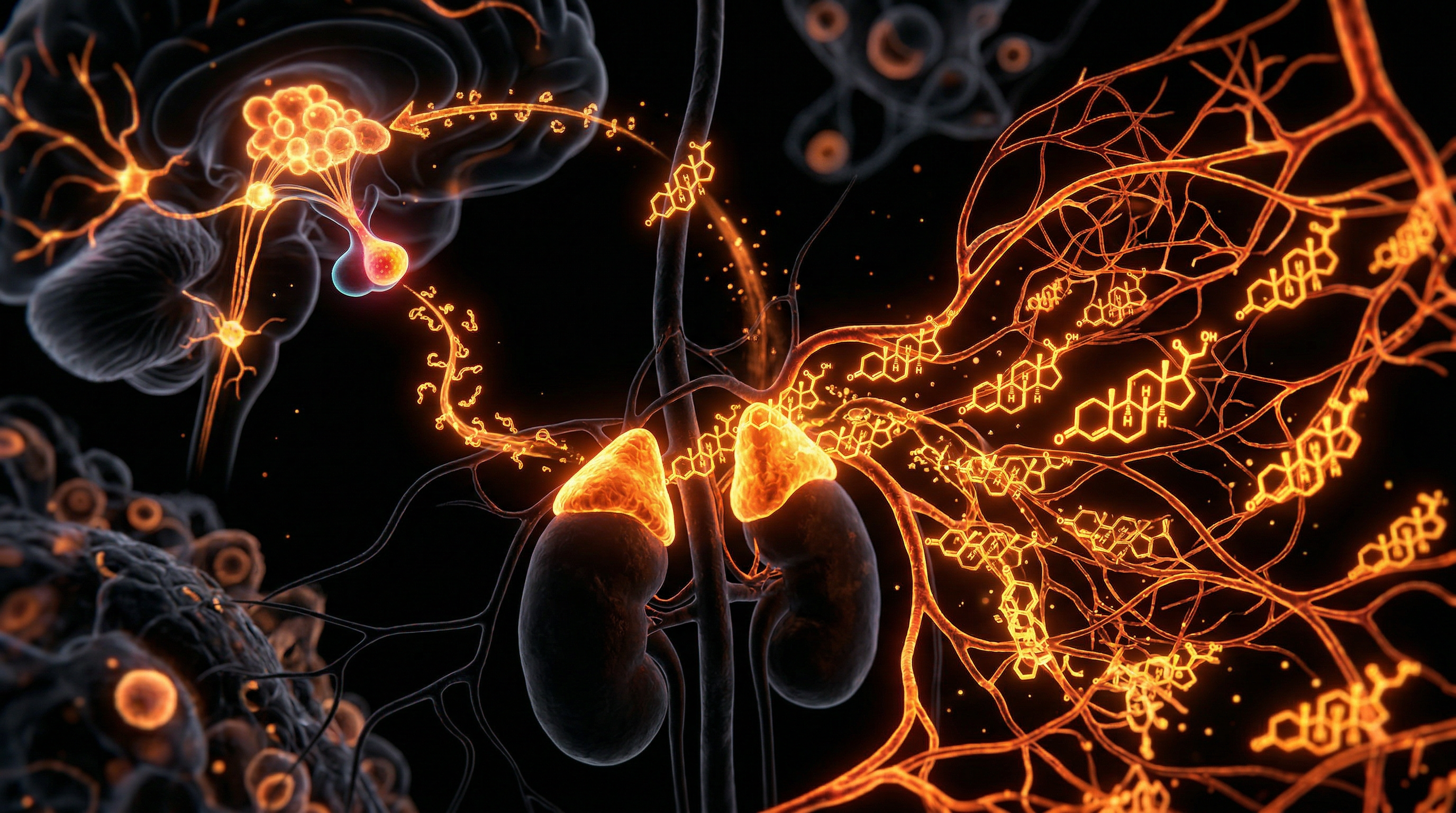
    The hypothalamic-pituitary-adrenal axis is the body's master stress response system — a hormonal cascade that evolved for short-term survival threats but is chronically activated by the psychological, nutritional, and environmental stressors of modern life, creating a sustained cortisol elevation that suppresses immune function, disrupts the gut microbiome, promotes visceral fat deposition, impairs hippocampal neurogenesis, and accelerates cellular ageing through telomere shortening. Understanding the HPA axis — its feedback loops, its interaction with the thyroid and sex hormone axes, and its susceptibility to disruption by inflammatory cytokines, nutritional deficiencies, and environmental toxins — is essential for addressing the fatigue, anxiety, hormonal dysregulation, and immune collapse of modern chronic disease.

    #cortisol#HPA axis
    E
    Scientific illustration for The Endocannabinoid System: Biology's Hidden Regulatory Network
    Cellular Biology
    15 MIN READ

    The Endocannabinoid System: Biology's Hidden Regulatory Network

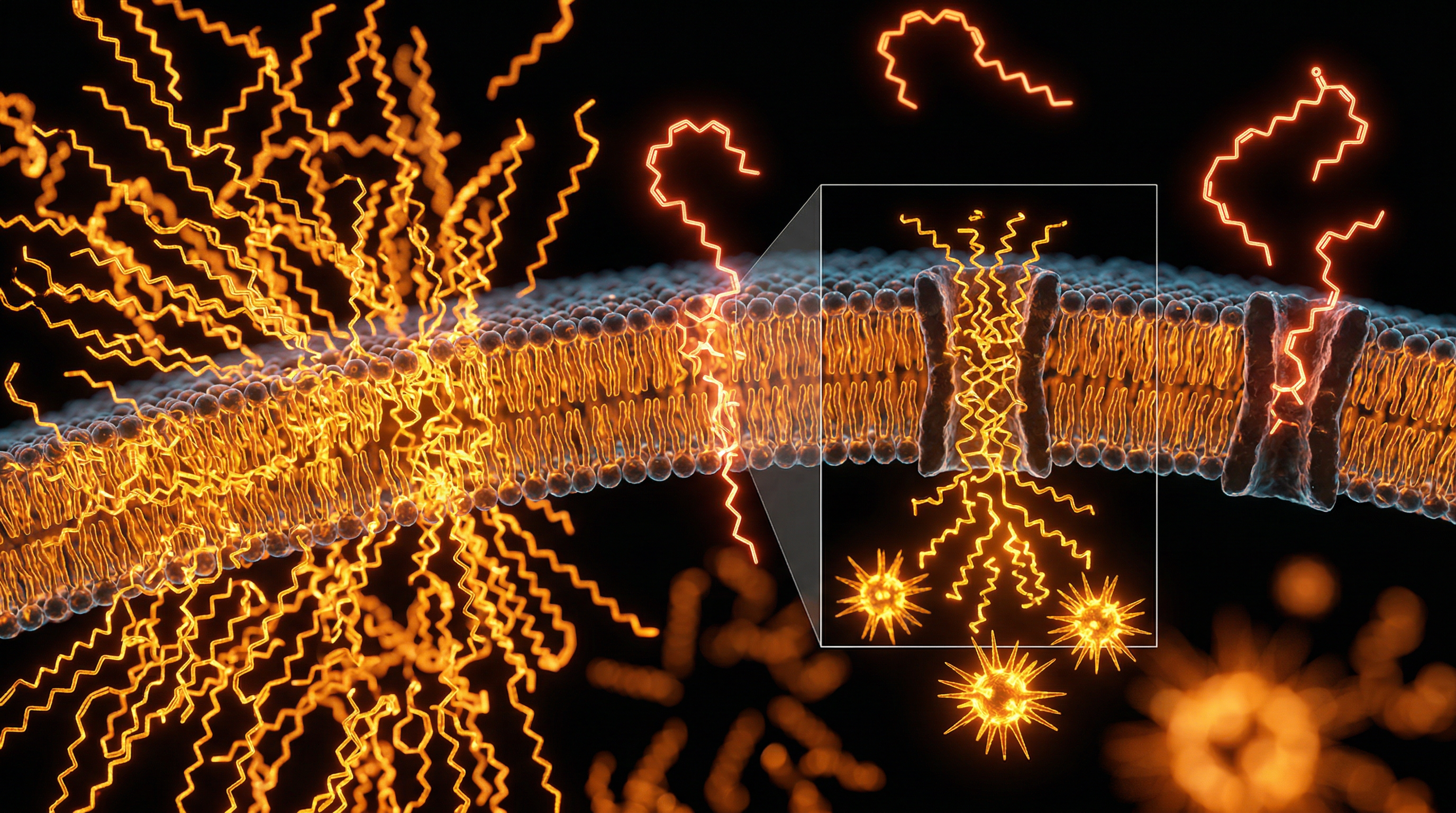
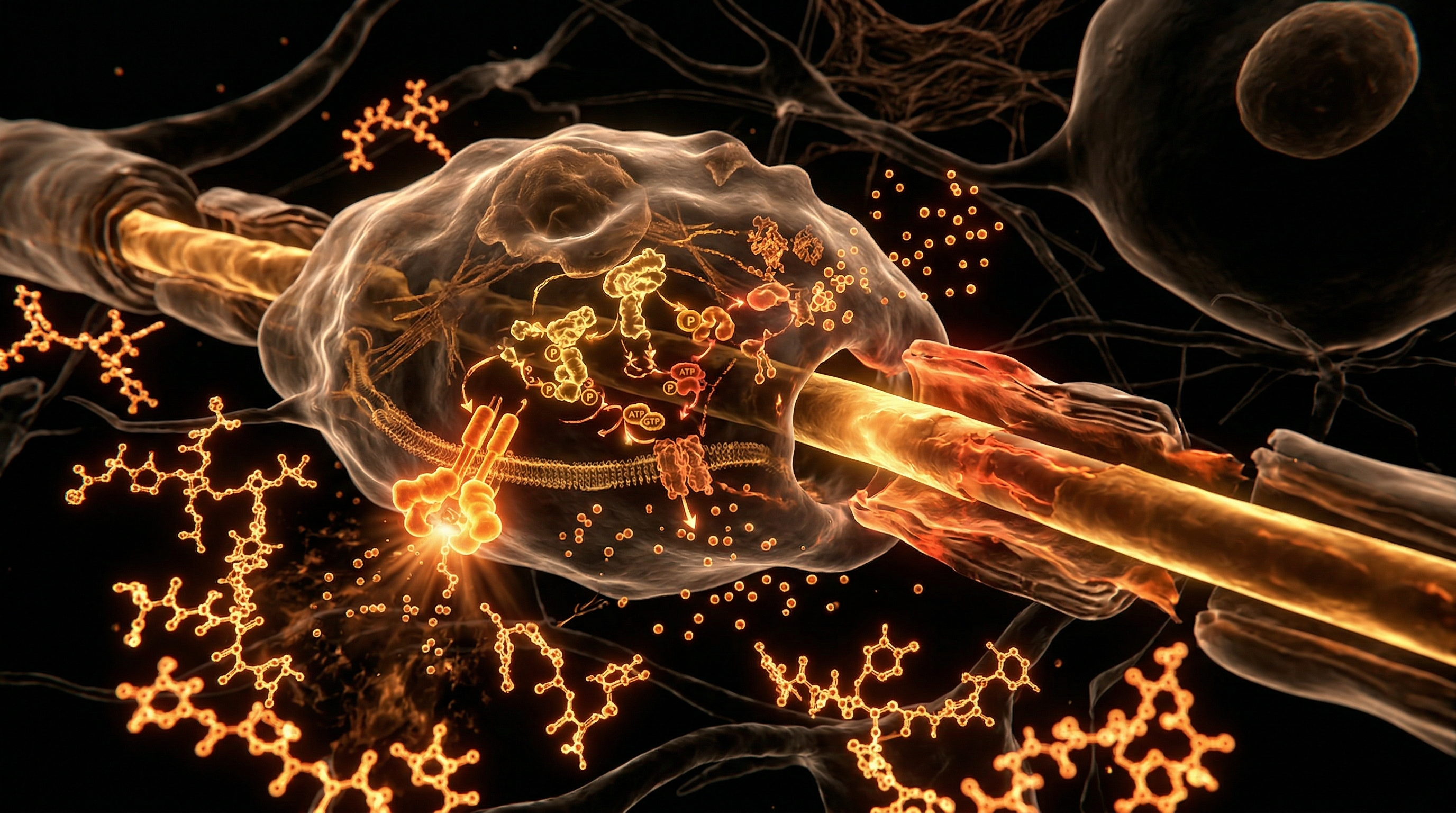
    The endocannabinoid system — comprising CB1 and CB2 receptors distributed throughout the brain, immune system, peripheral nervous system, gut, and reproductive organs; the endogenous ligands anandamide and 2-arachidonoylglycerol; and the enzymatic machinery for their synthesis and degradation — is a master regulatory network governing pain modulation, immune homeostasis, inflammatory response, gut motility, mood, memory, and appetite that was virtually unknown to medicine until 1988. Chronic stress, nutritional deficiency in omega-3 fatty acids (which provide the building blocks for endocannabinoids), environmental toxins, and modern lifestyle factors systematically deplete endocannabinoid tone, creating a state of clinical endocannabinoid deficiency that may underlie conditions including migraines, fibromyalgia, irritable bowel syndrome, and treatment-resistant depression. Its discovery demands a fundamental reconceptualisation of human biology and pharmacology.

    #endocannabinoid system#CB1
    N
    Scientific illustration for Neurotransmitter Depletion: The Biological Root of Depression & Anxiety
    Nervous System
    13 MIN READ

    Neurotransmitter Depletion: The Biological Root of Depression & Anxiety

    Depression and anxiety are not diseases of serotonin, dopamine, or GABA deficiency in any simple sense — they are the predictable neurological consequences of the multi-factorial biological breakdown that depletes the amino acid precursors, cofactor micronutrients, and neurological infrastructure required to synthesise and signal with these compounds at optimal levels. Tryptophan (the serotonin precursor) is diverted away from serotonin synthesis toward the pro-inflammatory kynurenine pathway by inflammatory cytokines; dopamine synthesis requires L-DOPA, copper, and vitamin B6 all of which are depleted by heavy metal competition and nutrient-poor diets; and GABA is synthesised from glutamate by glutamic acid decoderase, an enzyme requiring pyridoxal-5-phosphate (active B6) that is directly inhibited by aluminium. The pharmaceutical model of blocking neurotransmitter reuptake with SSRIs and SNRIs addresses none of these root causes and creates iatrogenic dependency whilst the biological causes of neurotransmitter depletion are ignored.

    #neurotransmitters#serotonin
    V
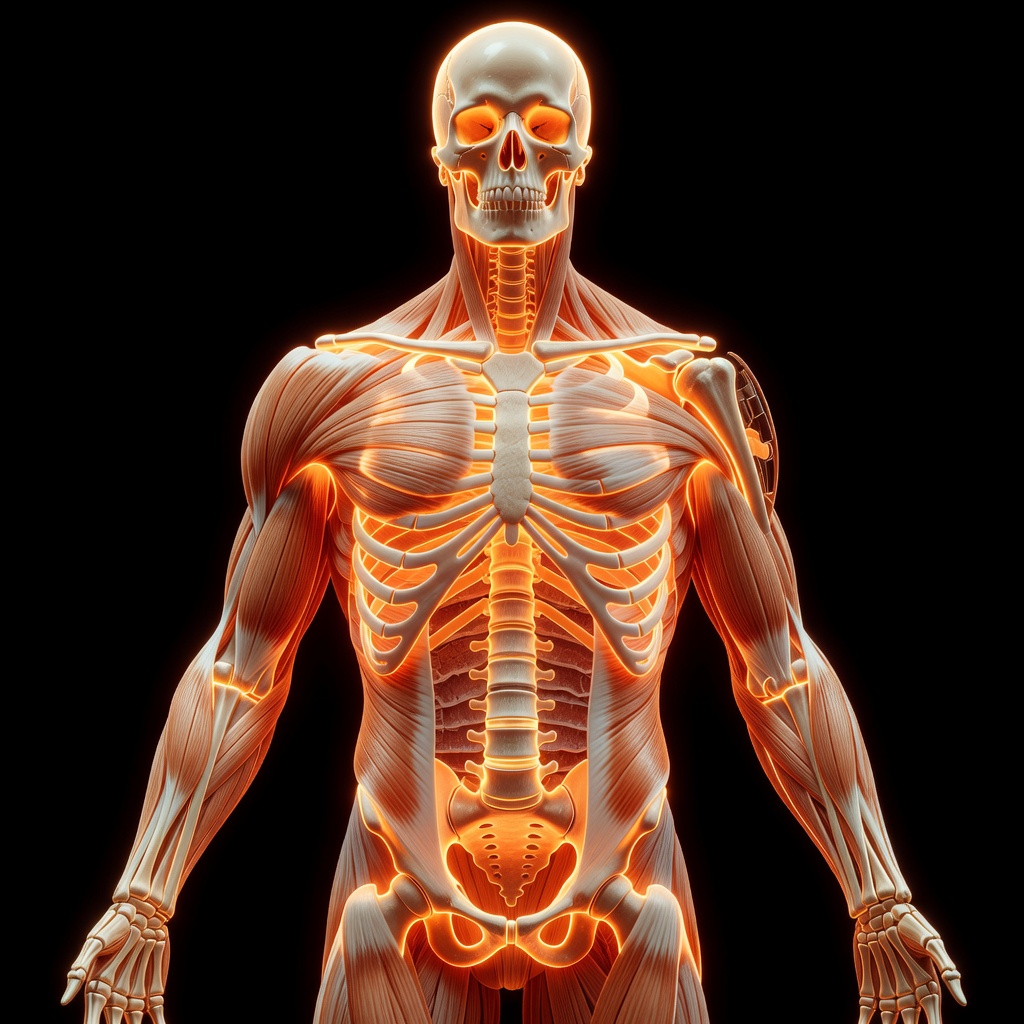
    Scientific illustration for The Vagus Nerve: The Superhighway Between Body and Brain
    Nervous System
    16 MIN READ

    The Vagus Nerve: The Superhighway Between Body and Brain

    The vagus nerve — the tenth cranial nerve and the longest nerve in the body, innervating the heart, lungs, oesophagus, stomach, small and large intestine, liver, spleen, and kidneys — carries 80% of its information upward from gut to brain (afferent signalling), making it the primary conduit through which gut health determines brain function, mood, and the activity of the parasympathetic 'rest and digest' nervous system. Vagal tone — the measure of parasympathetic nervous system activity reflected in heart rate variability — is suppressed by chronic stress, inflammatory bowel conditions, gut dysbiosis, heavy metal toxicity, and psychological trauma, creating the neurological substrate for the anxiety, depression, digestive dysfunction, and immune dysregulation of modern chronic illness. Stimulating vagal tone through cold exposure, deep breathing, singing, meditation, and gut microbiome restoration represents one of the most powerful and underutilised therapeutic tools in biological medicine.
    #vagus nerve#vagal tone