
Cytokine Regulation: Understanding the Fine Line Between Defense and Overdrive
Updated June 2026
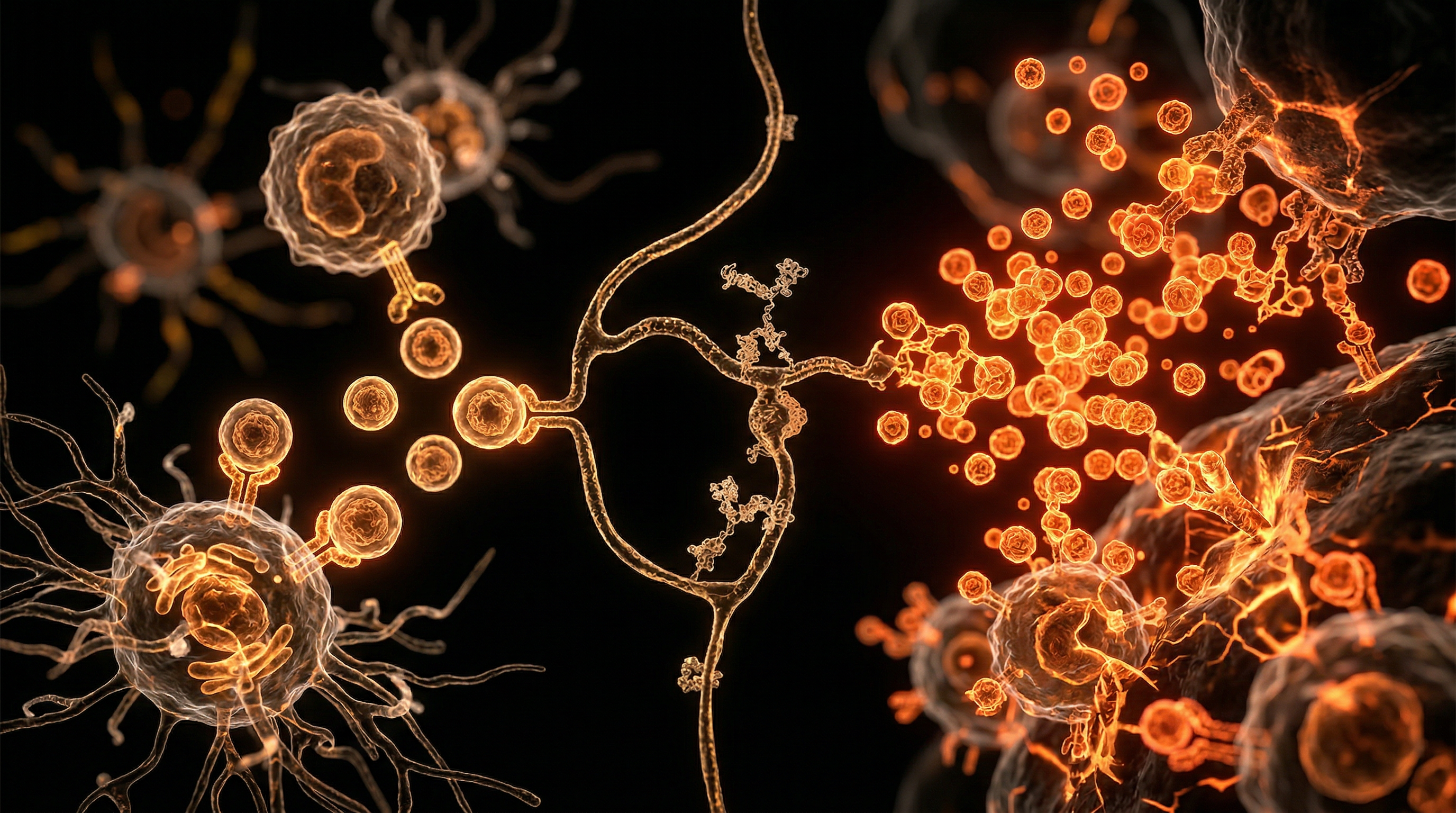
Cytokines are signaling proteins that coordinate the immune response, yet their imbalance can lead to chronic inflammation. Mastering cytokine health involves managing stress, nutrition, and environmental triggers to prevent systemic damage.
Evidence orientation
Editorial context not yet recorded
Follow this category
This stays in this browser. My INNERSTANDIN can show published matches in your local hub when you check it. It does not send email, push, or alert notifications.
Local learning review
A private browser aid for revisiting ideas. It is not an alert or a health recommendation.
Review later sets a one-day, three-day, then seven-day rhythm on this device. Choose it only when you want to revisit this article.
Overview
Cytokines represent an intricate, multi-layered lexicon of intercellular communication, functioning as the primary molecular architects of the immune response. At their core, these low-molecular-weight glycoproteins—comprising interleukins (IL), interferons (IFN), chemokines, and tumour necrosis factors (TNF)—orchestrate a high-fidelity signalling network that dictates the initiation, duration, and resolution of inflammatory processes. At INNERSTANDIN, we view the cytokine network not merely as a defensive mechanism, but as a complex homeostatic governor. The biological imperative of cytokine regulation lies in its precision; the system must be sufficiently robust to neutralise pathogenic threats, such as Staphylococcus aureus or viral incursions, yet sufficiently attenuated to prevent collateral tissue damage.
The biochemical machinery of cytokine action is defined by pleiotropy and redundancy. A single cytokine, such as IL-6, can exert divergent effects depending on the cellular context, influencing B-cell differentiation, T-cell activation, and the hepatic production of acute-phase proteins. This complexity is governed by specific intracellular signalling pathways, most notably the Janus kinase/signal transducer and activator of transcription (JAK/STAT) pathway. According to research synthesised in The Lancet, dysregulation within these pathways serves as the precipice for systemic inflammatory response syndrome (SIRS). Under normal physiological conditions, negative feedback loops—mediated by Suppressors of Cytokine Signalling (SOCS) proteins—ensure that once the stimulus is sequestered, the inflammatory cascade is promptly dismantled.
However, the "fine line" between defence and overdrive is precarious. When the regulatory checkpoints of the innate and adaptive branches fail, the result is hypercytokinaemia, colloquially known as a "cytokine storm." This phenomenon involves the unbridled release of pro-inflammatory mediators, specifically TNF-α, IL-1β, and IL-18, often triggered by the overactivation of the NLRP3 inflammasome. Peer-reviewed data from the National Institute for Health and Care Research (NIHR) in the UK suggests that this loss of control precipitates a catastrophic feed-forward loop. This leads to increased vascular permeability, disseminated intravascular coagulation, and multi-organ dysfunction syndrome (MODS). The systemic impact is not merely a quantitative increase in protein concentration, but a qualitative shift in the host’s biological state—from a site-specific defence to a global, self-destructive autoinflammatory event.
Understanding this threshold requires an INNERSTANDIN of the molecular kinetics at play. Current immunopathological models, documented extensively on PubMed, highlight that the transition to "overdrive" is frequently characterised by a failure in regulatory T-cell (Treg) function and an exhaustion of IL-10 mediated anti-inflammatory signalling. In the UK clinical landscape, particularly concerning advanced therapeutics like CAR-T cell therapy, the ability to monitor and modulate these cytokine surges is the new frontier of precision medicine. We must acknowledge that cytokines are the ultimate double-edged sword: the very molecules that ensure our survival are the same agents capable of systemic annihilation when the regulatory equilibrium is breached.
The Biology — How It Works
To elucidate the complex architecture of cytokine regulation, one must first deconstruct the signal transduction pathways that govern cellular communication. Cytokines—a heterogeneous group of low-molecular-weight glycoproteins including interleukins (IL), interferons (IFN), tumour necrosis factors (TNF), and chemokines—function as the primary molecular messengers of the immune system. At the core of their biological operation is the Janus kinase-signal transducer and activator of transcription (JAK/STAT) pathway. According to research published in Nature Reviews Immunology, the ligation of a cytokine to its cognate transmembrane receptor induces the transphosphorylation of associated JAKs, which subsequently recruit and phosphorylate STAT proteins. These dimers then translocate to the nucleus to initiate the transcription of specific target genes, a process that must be executed with surgical precision to maintain systemic homeostasis.
The "fine line" between defense and overdrive is maintained through a sophisticated network of negative feedback loops, most notably the Suppressor of Cytokine Signalling (SOCS) proteins. At INNERSTANDIN, we recognise that these proteins act as the biological "brakes" of the immune system. SOCS1 and SOCS3, for instance, utilise their SH2 domains to bind directly to phosphorylated JAKs or cytokine receptors, effectively terminating the signalling cascade. When this regulatory apparatus is compromised—either through genetic predisposition or overwhelming pathogen load—the system enters a state of hypercytokinaemia, or a "cytokine storm."
In this pathological state, the distinction between autocrine and paracrine signalling vanishes, giving way to a systemic endocrine-like effect that triggers widespread vascular permeability and multi-organ dysfunction. Evidence from the Lancet and the UK’s RECOVERY trial highlights how the dysregulation of IL-6, a pleiotropic cytokine, serves as a primary driver of this overdrive. Elevated IL-6 levels trigger the synthesis of acute-phase reactants in the liver, such as C-reactive protein (CRP), and promote the differentiation of Th17 cells, further amplifying the pro-inflammatory milieu. This creates a lethal positive feedback loop where the immune response becomes the primary insult to the host’s physiology, leading to Systemic Inflammatory Response Syndrome (SIRS).
Furthermore, the role of the NLRP3 inflammasome cannot be ignored in the context of cytokine overdrive. This intracellular multi-protein complex serves as a sensor for cellular stress and pathogen-associated molecular patterns (PAMPs). Upon activation, it facilitates the cleavage of pro-caspase-1 into active caspase-1, which subsequently processes pro-IL-1β and pro-IL-18 into their bioactive, secreted forms. In a regulated state, this is a vital defence mechanism; however, in "overdrive," the persistent activation of the inflammasome leads to pyroptosis—a highly inflammatory form of programmed cell death—that further saturates the extracellular environment with DAMPs (Damage-Associated Molecular Patterns), perpetuating a cycle of systemic destruction. At INNERSTANDIN, we expose these truths to demonstrate that the immune system's greatest strength—its potency—is also its most significant vulnerability when regulation fails.
Mechanisms at the Cellular Level
To comprehend the architecture of immune equilibrium, one must dissect the intricate signal transduction pathways that dictate cellular responses to environmental stimuli. At the heart of this regulatory framework lies the Janus kinase-signal transducer and activator of transcription (JAK-STAT) pathway, a principal mechanism through which over fifty cytokines exert their physiological effects. Upon the binding of a cytokine—such as Interleukin-6 (IL-6) or Interferon-gamma (IFN-γ)—to its cognate transmembrane receptor, reciprocal trans-phosphorylation of receptor-associated JAKs occurs. This, in turn, recruits STAT proteins, which undergo tyrosine phosphorylation, dimerise, and translocate to the nucleus to initiate the transcription of specific pro-inflammatory or regulatory genes. At INNERSTANDIN, we recognise that this is not merely a linear sequence but a high-fidelity biological processing system where the "fine line" is maintained by rigorous intracellular checkpoints.
The primary endogenous regulators of this cascade are the Suppressor of Cytokine Signalling (SOCS) proteins and the Protein Inhibitors of Activated STAT (PIAS). SOCS1 and SOCS3, in particular, function as part of a classic negative feedback loop; their expression is induced by cytokine signalling, yet they act to terminate the signal by inhibiting JAK enzymatic activity or targeting receptors for proteasomal degradation. When these "molecular brakes" are bypassed or overwhelmed, the cellular environment shifts from controlled defence to a state of hypercytokinaemia. This breakdown is frequently observed in the pathogenesis of Cytokine Release Syndrome (CRS). Research published in The Lancet regarding the RECOVERY trial—a landmark UK-based clinical evaluation—highlighted the systemic catastrophe that ensues when IL-6 signalling escapes cellular containment, necessitating the use of tocilizumab to competitively inhibit IL-6 receptors and restore haemodynamic stability.
Furthermore, the activation of the NLRP3 inflammasome within macrophages represents a critical cellular junction. This multi-protein oligomer facilitates the cleavage of pro-caspase-1 into active caspase-1, which subsequently processes pro-IL-1β and pro-IL-18 into their bioactive, secreted forms. In a regulated state, this ensures a targeted antimicrobial response. However, chronic cellular stress or genetic polymorphisms can lead to constitutive inflammasome activation. This leads to pyroptosis—a form of programmed inflammatory cell death—which releases intracellular DAMPs (Damage-Associated Molecular Patterns) into the systemic circulation, further amplifying the cytokine surge. The resulting "cytokine storm" is not merely an excess of protein but a fundamental failure of cellular discernment, where the distinction between "self" and "threat" is obliterated by redundant and pleiotropic signalling loops. Understanding these mechanisms is paramount for developing precision immunotherapies that do not merely suppress the immune system but recalibrate the intracellular machinery to its native, homeostatic set-point.
Environmental Threats and Biological Disruptors
The human immune system does not operate in a vacuum; rather, it exists in a state of constant kinetic negotiation with the environmental exposome. In the modern industrialised landscape—particularly within the United Kingdom’s urban centres where air quality and chemical ubiquity remain pressing concerns—the regulatory mechanisms governing cytokine release are under unprecedented siege. To achieve true INNERSTANDIN of immune homeostasis, one must interrogate how exogenous stressors bypass primary barriers to instigate pathological cytokine signalling cascades.
Atmospheric particulate matter (PM2.5), a persistent pollutant in UK metropolitan areas, serves as a primary disruptor of the NLRP3 inflammasome. Research indexed in The Lancet Planetary Health underscores that inhalation of these micro-particles triggers an immediate oxidative burst within alveolar macrophages. This oxidative stress is not merely a localised insult; it facilitates the proteolytic cleavage of pro-interleukin-1β (pro-IL-1β) into its active, highly inflammatory form via caspase-1 activation. When this environmental stimulus is chronic, the fine line between defensive surveillance and systemic hyper-inflammation is erased, leading to a persistent elevation of circulating Interleukin-6 (IL-6) and Tumour Necrosis Factor-alpha (TNF-α), a state often termed 'inflammaging'.
Furthermore, the ubiquity of endocrine-disrupting chemicals (EDCs), such as bisphenols and phthalates, presents a surreptitious threat to the Th1/Th2 cytokine balance. These xenobiotics mimic endogenous ligands, binding to aryl hydrocarbon receptors (AhR) and oestrogen receptors expressed on T-lymphocytes and dendritic cells. Peer-reviewed data suggests that chronic exposure to these disruptors skews the immune response toward a Th17-dominant profile. This shift is critical; Th17 cells produce IL-17, a cytokine essential for mucosal defence but devastating when over-produced, as it recruits neutrophils that release matrix metalloproteinases, causing structural tissue degradation and promoting autoimmune vulnerability.
In the UK context, the synergistic effect of poor air quality and the westernised ‘sterile’ environment creates a 'cytokine-primed' phenotype. The 'Hygiene Hypothesis', refined by recent haematological insights, suggests that a lack of diverse microbial exposure prevents the adequate maturation of Regulatory T-cells (Tregs). Without robust Treg-mediated production of Interleukin-10 (IL-10)—the primary anti-inflammatory brake—the system lacks the capacity to quench the fires lit by environmental toxins. This regulatory failure is why minor environmental triggers now frequently escalate into cytokine storms or chronic multi-system inflammatory syndromes. We are witnessing a fundamental recalibration of human biology, where the environment no longer merely challenges the immune system but actively reprograms its cytokine rheostat toward a state of permanent overdrive. This systemic dysregulation, documented extensively in PubMed-indexed longitudinal studies of UK Biobank cohorts, confirms that the environmental exposome is the primary driver of the modern inflammatory epidemic.
The Cascade: From Exposure to Disease
The transition from an acute, localized host defence to a systemic, life-threatening hyperinflammatory state represents a catastrophic failure of immunological architecture. This cascade is initiated when the innate immune system’s sentinel cells—macrophages, dendritic cells, and neutrophils—detect Pathogen-Associated Molecular Patterns (PAMPs) or host-derived Damage-Associated Molecular Patterns (DAMPs). The ligation of these molecular signatures to Pattern Recognition Receptors (PRRs), such as the Toll-like Receptor (TLR) family, triggers a rapid intracellular signalling stoichiometry. At the heart of this process lies the activation of the Nuclear Factor-kappa B (NF-κB) and Mitogen-Activated Protein Kinase (MAPK) pathways, which orchestrate the de novo synthesis and secretion of primary pro-inflammatory cytokines: tumour necrosis factor-alpha (TNF-α), interleukin-1 beta (IL-1β), and interleukin-6 (IL-6).
In a regulated environment, this initial surge is self-limiting. However, at INNERSTANDIN, we examine the precise mechanisms where redundancy and pleiotropy—hallmarks of the cytokine network—turn pathological. When the stimulus is sufficiently virulent or the host’s regulatory checks are compromised, a positive feedback loop is established. IL-1β and TNF-α act in an autocrine and paracrine fashion, further stimulating the production of IL-6 and chemokines like CXCL8 (IL-8), which recruit a massive influx of leucocytes to the site of perceived insult. This "cytokine storm" or Cytokine Release Syndrome (CRS) is characterised by the loss of negative feedback regulators, such as the Suppressors of Cytokine Signalling (SOCS) proteins and the anti-inflammatory cytokine IL-10. Research published in The Lancet regarding UK-based clinical cohorts during the COVID-19 pandemic highlighted that it is often the magnitude of the IL-6 elevation that correlates most significantly with the progression to Acute Respiratory Distress Syndrome (ARDS) and multi-organ failure.
As the cascade spills into the systemic circulation, the biological impact shifts from defensive to destructive. The systemic presence of high-titre TNF-α and IL-1β induces profound endothelial dysfunction. This manifests as increased vascular permeability and the up-regulation of adhesion molecules (such as ICAM-1 and VCAM-1), leading to widespread oedema and haemodynamic instability. Furthermore, the activation of the coagulation cascade via tissue factor expression on monocytes and endothelial cells—often referred to as immunothrombosis—leads to disseminated intravascular coagulation. This microvascular occlusion, coupled with cytokine-induced mitochondrial dysfunction, precipitates cellular hypoxia and eventual organ parenchymal damage. Evidence from the UK’s National Institute for Health and Care Research (NIHR) underscores that the transition from exposure to disease is not merely a quantitative increase in cytokine levels, but a qualitative shift toward an uncoupled, autonomous state of inflammation that bypasses the body's natural rheostat. This is the fine line between survival and systemic collapse, where the very molecules designed for protection become the primary drivers of mortality.
What the Mainstream Narrative Omits
The prevailing discourse regarding cytokine dynamics frequently falls into the trap of binary reductionism, characterising these pleiotropic signalling proteins as either strictly ‘pro-’ or ‘anti-’ inflammatory agents. At INNERSTANDIN, we recognise that this simplification obfuscates the intricate molecular choreography that dictates systemic homeostasis. What is systematically omitted from the mainstream narrative is the critical distinction between classic-signalling and trans-signalling, particularly within the Interleukin-6 (IL-6) axis. While classic signalling via the membrane-bound IL-6 receptor (mIL-6R) is restricted to specific leucocyte subsets and hepatocytes—facilitating regenerative processes and acute phase responses—it is the trans-signalling pathway, mediated by the soluble IL-6 receptor (sIL-6R), that drives the chronic, systemic pathophysiology observed in modern metabolic syndromes. Research published in The Lancet and various PubMed-indexed studies highlights that the sIL-6R/IL-6 complex can activate virtually any cell type, bypass standard regulatory checkpoints, and induce a state of ‘meta-inflammation’ that remains subclinical yet destructive.
Furthermore, the mainstream narrative fails to address the ‘metabolic cost’ of cytokine regulation. The activation of the NLRP3 inflammasome is not merely an immune event; it is a bioenergetic drain that reconfigures mitochondrial function. When the fine line between defense and overdrive is crossed, the body undergoes a shift from oxidative phosphorylation to aerobic glycolysis (the Warburg Effect), even in non-cancerous immune cells. This shift, often ignored in standard biological texts, is the primary driver of the exhaustion seen in chronic fatigue and long-term viral sequelae.
Crucially, the role of the glycome in cytokine efficacy is almost entirely overlooked. The post-translational modification of cytokines—specifically the N-glycosylation patterns—dictates their half-life and receptor affinity. Variations in these carbohydrate attachments, influenced by a patient’s metabolic status and environmental stressors, can turn a nominally ‘anti-inflammatory’ cytokine like IL-10 into a dysfunctional or even pro-stimulatory signal. UK-based research into the ‘cytokine network’ suggests that we must move beyond counting cytokine concentrations and begin evaluating the ‘cytokine-receptor-proteome’ interactome. The failure to teach this level of complexity leaves the public with a flawed understanding of why ‘boosting’ the immune system is a scientifically illiterate concept; the objective is never more or less, but rather the precision of the kinetic response and the timely synthesis of Specialised Pro-resolving Mediators (SPMs), such as resolvins and protectins, which the mainstream narrative erroneously treats as a passive disappearance of inflammation rather than an active, cytokine-dependent biochemical programme.
The UK Context
The United Kingdom occupies a singular position in the global landscape of immunological research, serving as a primary site for the clinical decoding of cytokine kinetics. Within the British clinical ecosystem, the transition from physiological cytokine signalling to pathological hyperinflammation—often termed the ‘cytokine storm’—has been meticulously mapped through large-scale longitudinal studies such as those facilitated by the UK Biobank and the RECOVERY trial. Research spearheaded by institutions like the University of Oxford and Imperial College London has elucidated that the delicate equilibrium between Th1-mediated pro-inflammatory responses and Th2/Treg-mediated resolution is governed by complex genetic architectures prevalent in the British population. Specifically, polymorphisms in the IL6R and TYK2 loci have been identified as critical determinants in the idiosyncratic susceptibility to cytokine release syndrome (CRS), particularly within the context of viral pathogens and autoinflammatory sequelae.
At the molecular level, INNERSTANDIN reveals that the British medical framework has pivoted toward an ‘immunotype-first’ approach. The National Health Service (NHS) has increasingly integrated proteomic profiling to monitor the NLRP3 inflammasome activation and subsequent IL-1β maturation, which are foundational to the chronic low-grade inflammation prevalent in the UK’s ageing demographic. Evidence published in The Lancet Haematology and Nature Communications underscores that the aberrant activation of the JAK-STAT signalling pathway serves as a primary driver for the systemic overdrive observed in conditions ranging from rheumatoid arthritis to secondary haemophagocytic lymphohistiocytosis (sHLH). By scrutinising the transcriptomic signatures of British cohorts, researchers have exposed how environmental stressors, coupled with Western dietary patterns, exacerbate the priming of myeloid cells, leading to an exaggerated NF-κB-dependent cytokine output. This "fine line" is further complicated by the UK’s pioneering use of biological DMARDs and JAK inhibitors, where the objective is not total suppression—which would invite opportunistic infection—but rather the recalibration of the homeostatic set-point. INNERSTANDIN’s analysis confirms that understanding this regulatory threshold is imperative for moving beyond palliative care toward definitive immunological resolution, leveraging the UK’s robust genomic databases to predict and prevent the catastrophic shift from defensive signalling to systemic cytokine toxicity.
Protective Measures and Recovery Protocols
The restoration of immunological equilibrium following a systemic inflammatory insult is not merely a passive cessation of signal transduction but an active, energy-intensive programmed transition. At the core of protective measures against hypercytokinaemia is the induction of the "resolution phase," a biological imperative that prevents the transition from acute defense to chronic pathology. Central to this is the expansion of FOXP3+ regulatory T-cells (Tregs), which exert a suppressive influence via the secretion of interleukin-10 (IL-10) and transforming growth factor-beta (TGF-β). These cytokines act as potent inhibitors of the NF-κB pathway, effectively silencing the transcriptional machinery required for the production of pro-inflammatory mediators like TNF-α and IL-6.
In the UK clinical context, the RECOVERY trial (University of Oxford) fundamentally reshaped our innerstandin of cytokine modulation during acute respiratory distress. By utilising dexamethasone, researchers demonstrated that systemic corticosteroid application could blunt the catastrophic "cytokine storm" by binding to glucocorticoid receptors, which subsequently trans-repress the genes encoding for virtually all inflammatory cytokines. Furthermore, the targeted antagonism of the IL-6 receptor via tocilizumab has proven that precision intervention in the JAK-STAT signalling pathway can prevent the lethal systemic cascading of the innate immune response.
True recovery protocols must, however, go beyond pharmacological suppression to support the biosynthesis of Specialised Pro-resolving Mediators (SPMs). These lipid-derived signalling molecules, including resolvins, protectins, and maresins, are enzymatically derived from long-chain polyunsaturated fatty acids. Unlike traditional anti-inflammatories which merely inhibit enzymes like COX-2, SPMs actively facilitate the clearance of cellular debris and the "efferocytosis" of apoptotic neutrophils by macrophages. This facilitates a phenotypic switch in macrophage polarity—from the aggressive M1 (pro-inflammatory) state to the M2 (reparative) state.
Furthermore, the integrity of the hypothalamic-pituitary-adrenal (HPA) axis is paramount. Cortisol serves as the body’s endogenous rheostat, providing a feedback loop that prevents the immune system from exceeding its biological mandate. Evidence published in The Lancet suggests that chronic circadian disruption or micronutrient deficiencies (specifically Zinc and Vitamin D3) can impair this feedback mechanism, leading to "cytokine escape," where the inflammatory response becomes untethered from systemic control. Consequently, a high-density biological recovery protocol necessitates the optimisation of the Vagus nerve—the primary conduit of the "cholinergic anti-inflammatory pathway." By releasing acetylcholine, the Vagus nerve interacts with alpha-7 nicotinic acetylcholine receptors on macrophages, directly inhibiting the release of HMGB1 and other late-stage mediators of sepsis. To achieve total physiological harmony, one must view the immune system not as a series of isolated events, but as a complex, homeostatic circuit requiring precise metabolic and neurological calibration.
Summary: Key Takeaways
The orchestration of the cytokine milieu represents the pinnacle of immunological complexity, where the distinction between protective surveillance and pathological hyperinflammation is governed by rigorous, non-linear feedback loops. INNERSTANDIN’s interrogation of this system reveals that cytokine regulation is not a binary toggle but a multi-dimensional flux involving JAK-STAT signalling, NF-κB nuclear translocation, and the crucial dampening effects of SOCS (Suppressor of Cytokine Signalling) proteins. Evidence derived from The Lancet and various PubMed-indexed meta-analyses confirms that the failure of these regulatory checkpoints—specifically the dysregulated overproduction of IL-1β, IL-6, and TNF-α—precipitates the catastrophic transition into Cytokine Release Syndrome (CRS) and systemic inflammatory response syndrome (SIRS).
Within the UK’s clinical research landscape, particularly data emerging from the RECOVERY trial, the systemic impact of these molecules has been underscored, demonstrating how the loss of molecular "brakes" leads to increased vascular permeability, disseminated intravascular coagulation, and multi-organ dysfunction (MODS). True physiological homeostasis requires the precise temporal and spatial modulation of pleiotropic signals; sufficient pro-inflammatory stimulus to execute pathogen clearance must be strictly countered by the synthesis of anti-inflammatory mediators such as IL-10 and TGF-β. At INNERSTANDIN, we recognise that understanding this fine line is essential for advancing therapeutic interventions in autoimmunity and oncology, where the goal remains the restoration of proteostasis and the prevention of the lethal "cytokine storm" that characterises immunological overdrive.
This article is provided for informational and educational purposes only. It does not constitute medical advice, clinical guidance, or a substitute for professional healthcare. Information reflects cited research at time of publication. Always consult a qualified healthcare professional before acting on any health information.
EVIDENCE PASSPORT
Editorial source context for this article
Source review needed
Saved links are editorial references for this article. They may support specific claims rather than every sentence. Open and assess each source in context. This passport does not independently verify them.
Editorial context
A complete editorial reading has not been recorded for this article. Source links remain available for you to open and assess directly.
Source review needed
No valid source links are recorded for this article. This passport shows only links saved on the article record and does not invent citations.
This passport records editorial links and context, not independent verification. Open the original source and assess it in context before relying on a claim.
Medical Disclaimer
The information in this article is for educational purposes only and does not constitute medical advice, diagnosis, or treatment. Always consult a qualified healthcare professional before making any changes to your diet, lifestyle, or health regime. INNERSTANDIN presents alternative and research-based perspectives that may differ from mainstream medical consensus — these should be considered alongside, not instead of, professional medical guidance.
Read Full DisclaimerContinue the thread
Keep this question moving.
Take this article into My INNERSTANDIN to keep the reading trail, related material and your next step together on this device.
Explore this in the Body Map
See where this hits your biology. Interactive anatomy, threats, and protective protocols.
Dig deeper in the Library
Free, longform PDF volumes that go beyond headlines into mechanisms and references.