Impact of PM2.5 Exposure on Pericardial Cytokine Profiles and Pro-inflammatory Signaling Pathways
This educational deep-dive explores how fine particulate matter (PM2.5) penetrates the pericardial space, disrupts cytokine homeostasis, and activates the molecular signaling pathways responsible for chronic cardiac membrane inflammation.

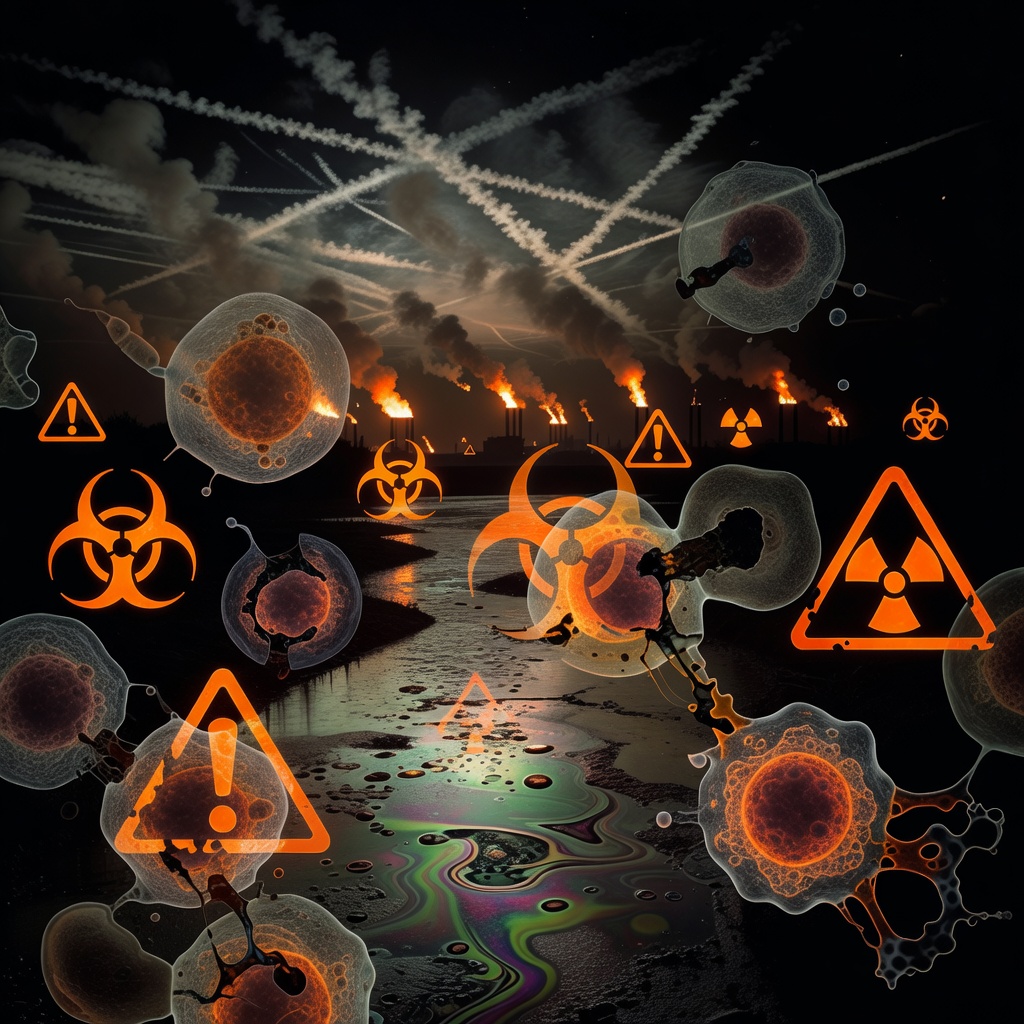
# Introduction to PM2.5 and Cardiac Vulnerability. Fine particulate matter with a diameter of less than 2.5 micrometres (PM2.5) represents one of the most pervasive environmental threats to cardiovascular health in the United Kingdom and globally. While much of the existing clinical research focuses on the pulmonary system and coronary vasculature, a critical but often overlooked frontier is the pericardium—the double-walled fibroserous sac that encases and protects the heart. At INNERSTANDING, we believe that understanding the root causes of cardiac membrane health requires a microscopic look at how environmental pollutants alter the delicate biochemical balance of the pericardial space. PM2.5 particles are small enough to bypass the primary filters of the respiratory tract, entering the bloodstream and lymphatic system, where they eventually influence the cardiac microenvironment.
This article examines the specific cytokine profiles and pro-inflammatory signaling pathways that are activated when the pericardium is subjected to chronic PM2.5 exposure. ## The Pericardial Microenvironment and Fluid Dynamics. The pericardium consists of an outer fibrous layer and an inner serous layer, the latter of which is divided into the parietal and visceral (epicardium) layers. Between these two serous layers lies the pericardial cavity, containing a small amount of plasma-derived fluid. This fluid acts as a lubricant but also serves as a sophisticated reservoir for immunological signaling. Under healthy conditions, the pericardial fluid maintains a low concentration of inflammatory markers.
However, PM2.5 exposure disrupts this equilibrium. The particles act as foreign stressors that can either directly infiltrate the pericardial space or, more commonly, trigger a systemic inflammatory response that 'spills over' into the cardiac membranes. ## Mechanisms of Infiltration: From Alveoli to Epicardium. The journey of a PM2.5 particle from the London underground or a busy motorway to the pericardium is complex. Upon inhalation, these particles induce local oxidative stress in the lung tissue. This leads to the release of primary cytokines like Interleukin-1 (IL-1) and Interleukin-6 (IL-6) into the systemic circulation.
Beyond this indirect effect, research suggests that the smallest fraction of PM2.5 can translocate across the alveolar-capillary barrier. Once in the circulation, these particles can reach the pericardial vasculature. The pericardium is highly vascularised and has an extensive lymphatic drainage system. This allows both the particulates and the systemic inflammatory signals to penetrate the pericardial fluid, where they begin to interact with the mesothelial cells that line the cardiac sac. ## Altered Cytokine Profiles: The 'Cytokine Soup'. The hallmark of PM2.5-induced pericardial damage is a significant shift in the cytokine profile of the pericardial fluid.
Studies have shown a marked increase in pro-inflammatory cytokines, specifically IL-1β, IL-6, and Tumour Necrosis Factor-alpha (TNF-α). IL-1β is particularly notable because its production is tied to the activation of the inflammasome, a multi-protein complex that serves as a 'master switch' for inflammation. In the pericardium, elevated IL-6 levels are often associated with increased capillary permeability, which can lead to the accumulation of excess fluid—a condition known as pericardial effusion. TNF-α acts as a potent stimulator of further cytokine production, creating a self-perpetuating cycle of inflammation within the confined space of the cardiac sac. This shift from a protective, anti-inflammatory environment to a pro-inflammatory 'cytokine soup' is the root cause of many chronic pericardial conditions. ## Pro-inflammatory Signaling Pathways: The TLR4/NF-κB Axis.

Clean Slate – Detoxes thousands of chemicals,heavy metals, pesticides, allergens, mold spores and fungus
Clean Slate is a cellular-level detoxifier that targets heavy metals, pesticides, and environmental toxins to unblock your body's natural defense pathways. It helps reduce systemic inflammation and restores the nutrient absorption sites often compromised by modern toxicity.
Vetting Notes
Pending
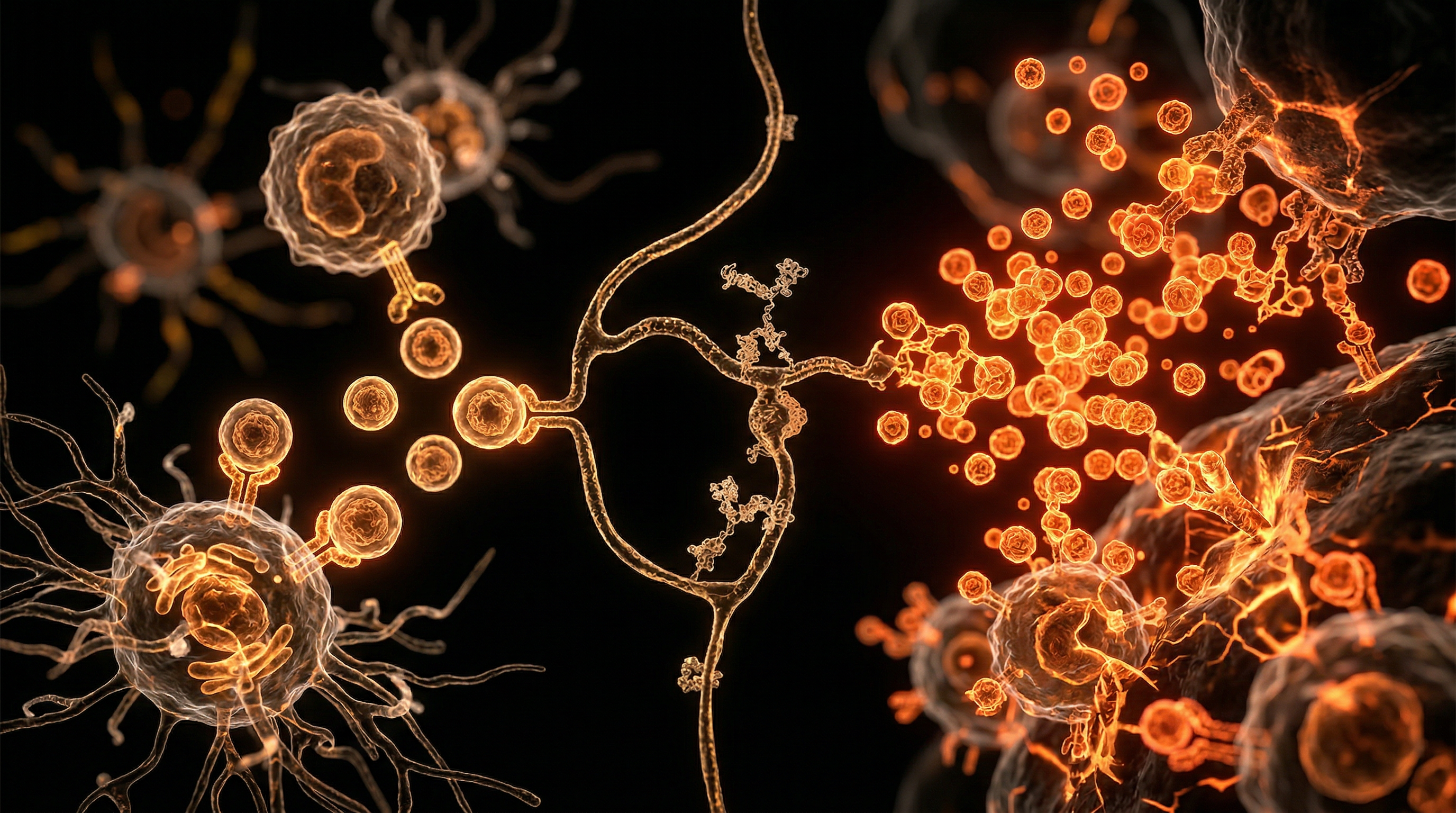
At the molecular level, PM2.5 exerts its effects through several key signaling pathways. One of the most significant is the Toll-like Receptor 4 (TLR4) and Nuclear Factor-kappa B (NF-κB) axis. PM2.5 particles, often coated with heavy metals or polycyclic aromatic hydrocarbons (PAHs), bind to TLR4 receptors on the surface of pericardial mesothelial cells. This binding initiates a cascade of intracellular events that results in the translocation of NF-κB into the cell nucleus. Once inside the nucleus, NF-κB promotes the expression of genes responsible for inflammation, including those that code for the cytokines mentioned previously.
This pathway is a primary target for root-cause interventions, as it represents the transition from an external environmental stressor to an internal genetic response. ## NLRP3 Inflammasome Activation. Another critical pathway involves the NLRP3 inflammasome. PM2.5 can cause the generation of Reactive Oxygen Species (ROS) within the mesothelial cells. This oxidative stress triggers the assembly of the NLRP3 inflammasome, which then activates the enzyme caspase-1. Caspase-1 is responsible for converting the inactive precursor pro-IL-1β into its active, secreted form.
The persistent activation of the NLRP3 inflammasome in the pericardium is a leading driver of recurrent pericarditis and the thickening of the pericardial layers, which can eventually restrict the heart's ability to expand and fill with blood (constrictive pericarditis). ## Oxidative Stress and Mesothelial-to-Mesenchymal Transition (MMT). Long-term exposure to PM2.5 doesn't just cause inflammation; it changes the very structure of the pericardium. Chronic oxidative stress and high levels of Transforming Growth Factor-beta (TGF-β) in the pericardial fluid can induce a process called Mesothelial-to-Mesenchymal Transition (MMT). In this process, the smooth, protective mesothelial cells transform into fibroblast-like cells. These cells produce excessive amounts of collagen and extracellular matrix, leading to fibrosis (scarring) of the pericardium.
This structural remodeling is a direct consequence of the pro-inflammatory signaling pathways triggered by PM2.5. ## Root-Cause Mitigation and Protective Strategies. From an INNERSTANDING perspective, addressing the impact of PM2.5 requires a multi-faceted approach. While environmental legislation to reduce air pollution is the ultimate solution, individuals can take steps to protect their cardiac membrane health. This includes: 1. Environmental Management: Using HEPA air filtration in the home and avoiding outdoor exercise during high-pollution alerts. 2.
Nutritional Antioxidants: Increasing the intake of lipid-soluble antioxidants like Vitamin E and Coenzyme Q10, which help protect the pericardial membranes from ROS-induced damage. 3. Anti-inflammatory Support: Utilising natural compounds such as curcumin and omega-3 fatty acids, which have been shown to modulate the NF-κB and NLRP3 pathways. 4. Detoxification Support: Supporting the body's natural phase II detoxification pathways in the liver to help process and excrete the heavy metals and PAHs that often hitchhike on PM2.5 particles. ## Conclusion. The impact of PM2.5 on the pericardium is a stark reminder of the inextricable link between our environment and our internal physiology. By altering cytokine profiles and hijacking pro-inflammatory signaling pathways, fine particulate matter can transform a protective cardiac shield into a source of chronic disease.
Understanding these molecular mechanisms allows us to move beyond symptomatic treatment and focus on the root causes of cardiac membrane health, empowering individuals to navigate an increasingly polluted world with greater resilience.
This article is provided for informational and educational purposes only. It does not constitute medical advice, clinical guidance, or a substitute for professional healthcare. Information reflects cited research at time of publication. Always consult a qualified healthcare professional before acting on any health information.
RESEARCH FOUNDATIONS
Biological Credibility Archive
Citations provided for educational reference. Verify via PubMed or institutional databases.
Medical Disclaimer
The information in this article is for educational purposes only and does not constitute medical advice, diagnosis, or treatment. Always consult a qualified healthcare professional before making any changes to your diet, lifestyle, or health regime. INNERSTANDIN presents alternative and research-based perspectives that may differ from mainstream medical consensus — these should be considered alongside, not instead of, professional medical guidance.
Read Full DisclaimerReady to learn more?
Continue your journey through our classified biological research.
THE ARSENAL
Based on Pericardium & Cardiac Membrane Health — products curated by our research team for educational relevance and biological support.
Clean Slate – Detoxes thousands of chemicals,heavy metals, pesticides, allergens, mold spores and fungus
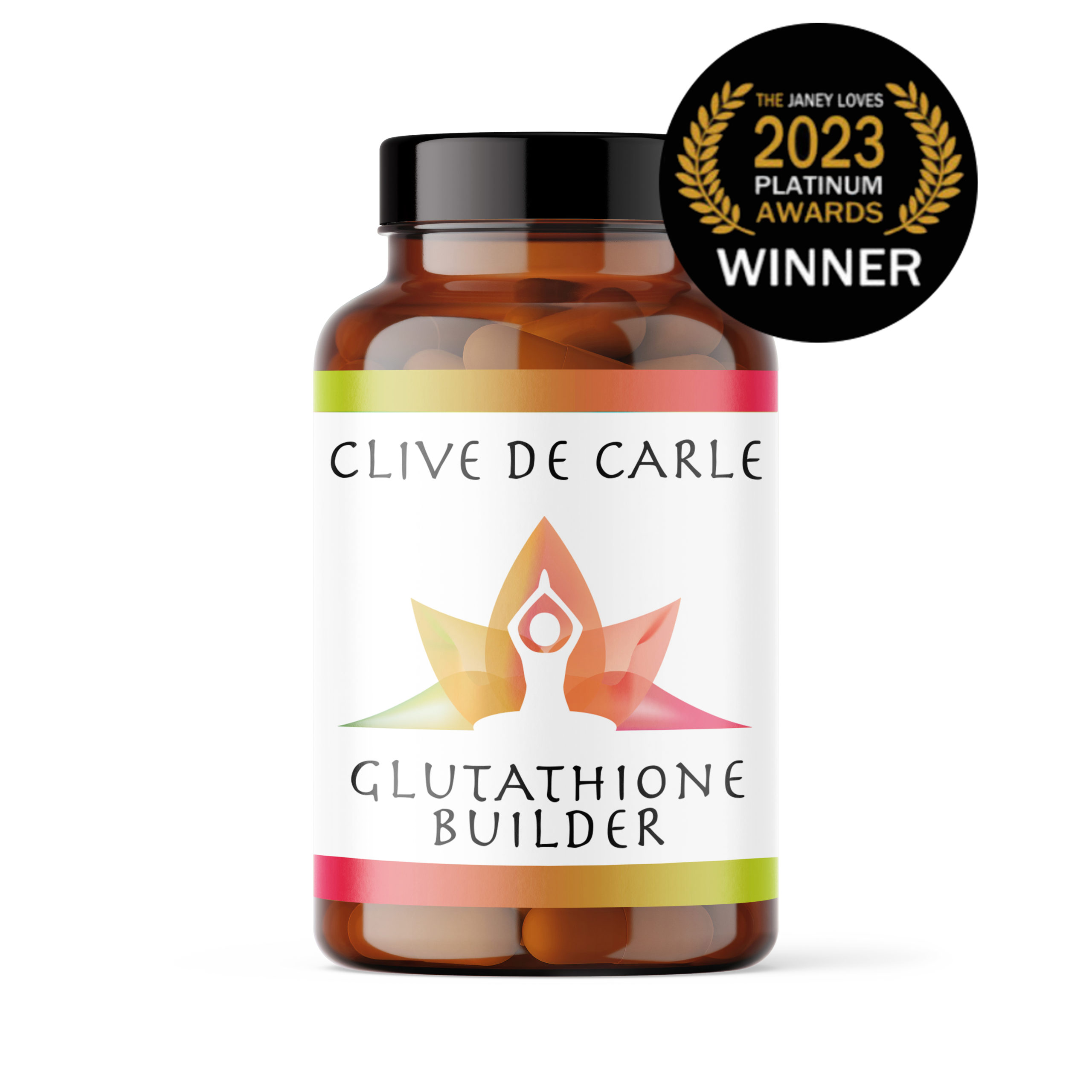
Glutathione Builder – Advanced Amino Acid Formula
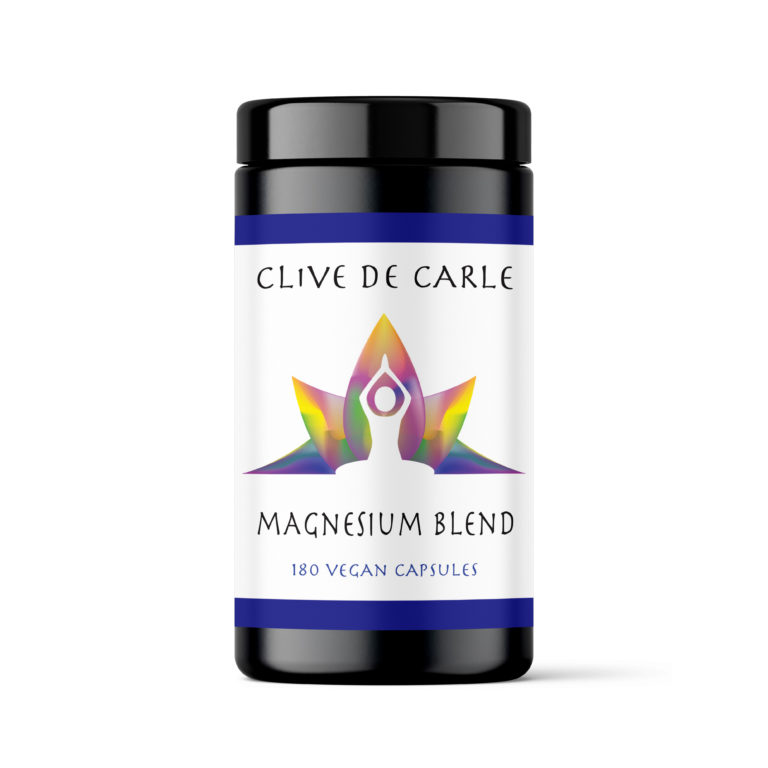
Magnesium Blend – The Most Important Mineral
INNERSTANDING may earn a commission on purchases made through these links. All products are selected based on rigorous educational relevance to our biological research.
RABBIT HOLE
Follow the biological thread deeper