Microplastic Accumulation in the Pericardial Sac: An Emerging Environmental Threat to Cardiac Membrane Integrity
An in-depth exploration of how micro- and nanoplastics (MNPs) infiltrate the human pericardium, disrupting the delicate homeostatic balance of cardiac membranes and posing a novel, systemic risk to cardiovascular health through oxidative stress and chronic inflammation.

Introduction: The Invisible Infiltration of the Cardiac Sanctum The modern era has introduced a biological variable that our ancestors never had to contend with: the persistent presence of synthetic polymers within the internal architecture of the human body. At INNERSTANDING, we focus on the intersection of environmental health and physiological integrity, moving beyond surface-level symptoms to address the root causes of modern disease. One of the most concerning developments in recent medical research is the discovery of micro- and nanoplastics (MNPs) within the cardiac tissues, specifically the pericardial sac. The pericardium, a delicate yet robust membrane that encases the heart, serves as the primary defense against infection and mechanical stress. However, as microplastics infiltrate these deep tissues, they pose a structural and functional threat that we are only beginning to comprehend.
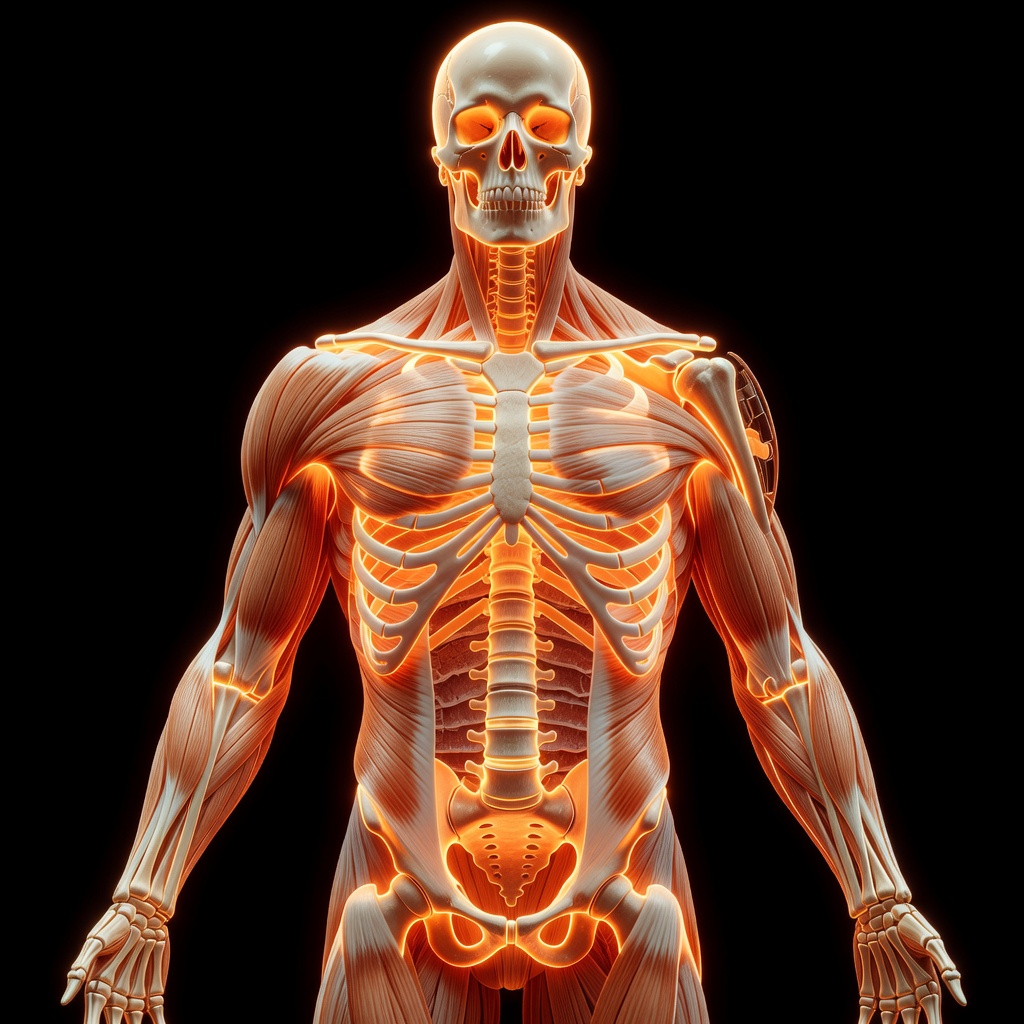
This article explores the root causes of this accumulation and the potential long-term damage to cardiac membrane health. ### The Anatomy of the Pericardial Barrier To understand the threat, we must first understand the target. The pericardium is a double-walled sac containing the heart and the roots of the great vessels. It consists of an outer fibrous layer and an inner serous layer. The serous layer is further divided into the parietal pericardium and the visceral pericardium (the epicardium), with a thin film of pericardial fluid between them. This fluid provides the lubrication necessary for the heart’s constant motion, ensuring that the friction of 100,000 daily beats does not damage the myocardium.
The integrity of this membrane is maintained by mesothelial cells, which are highly sensitive to foreign particles. In a pristine environment, the pericardium is an effective barrier. However, the unique physicochemical properties of microplastics allow them to bypass traditional biological filters, leading to an unprecedented form of environmental pericarditis. ### Pathways of Infiltration: From Environment to Heart How do plastic particles, often smaller than a human red blood cell, find their way into a protected chamber like the pericardial sac? The translocation of MNPs occurs primarily through two systemic routes: the respiratory system and the gastrointestinal tract. When microplastics are inhaled, they settle deep within the pulmonary alveoli.
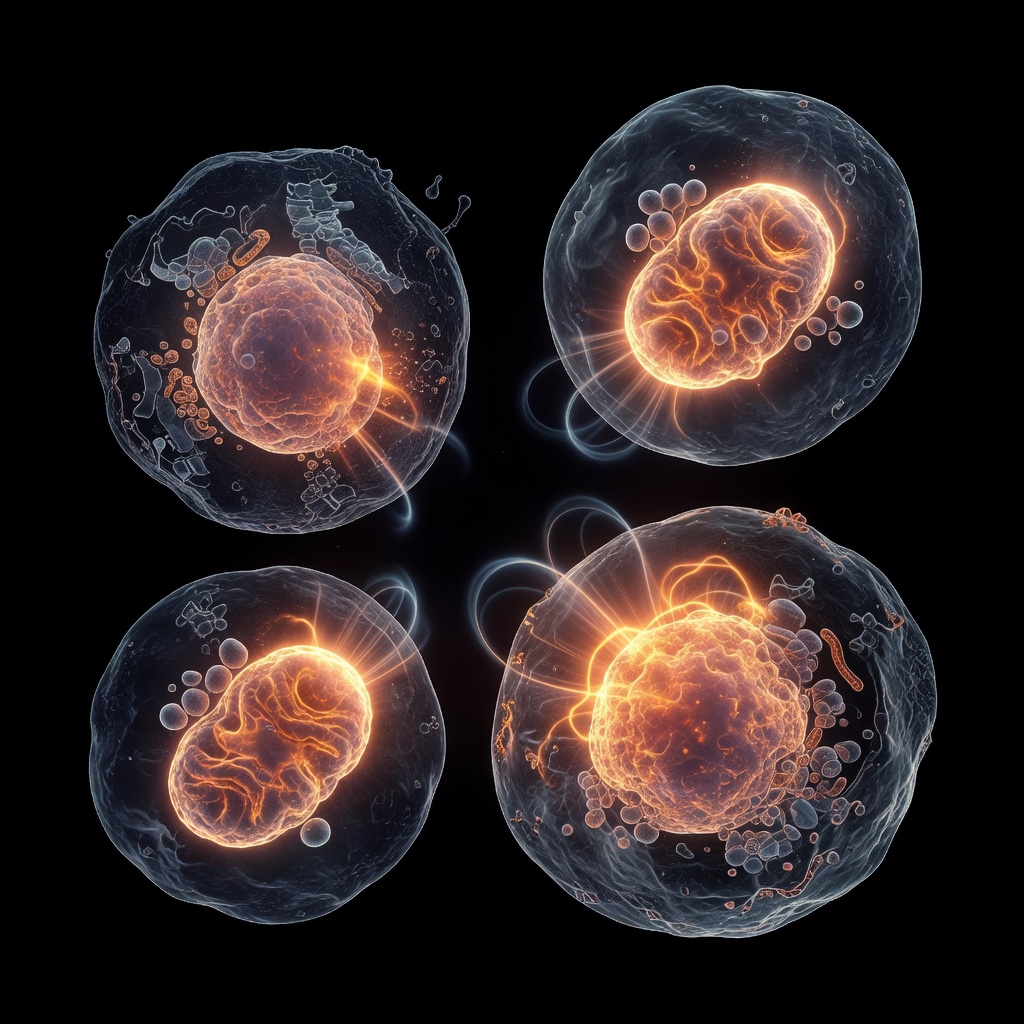
Because nanoplastics are small enough to cross the air-blood barrier, they enter the systemic circulation. Once in the bloodstream, these particles are transported to highly vascularized organs, including the heart. Recent pilot studies using laser direct infrared imaging have confirmed the presence of polyethylene (PE), polyvinyl chloride (PVC), and polyethylene terephthalate (PET) within pericardial tissue samples obtained during cardiac surgery. These particles do not merely pass through; they lodge within the mesothelial lining, where the body’s immune system struggles to clear them. Unlike biological pathogens, plastic is non-biodegradable, leading to permanent bioaccumulation within the cardiac membranes. ### Cellular Pathophysiology: Oxidative Stress and Membrane Disruption Once microplastics settle within the pericardial membranes, they initiate a cascade of cellular distress.
The primary mechanism of damage is the induction of oxidative stress. Mesothelial cells, when in contact with jagged or chemically active plastic fragments, produce reactive oxygen species (ROS). This leads to lipid peroxidation, which damages the cell membranes of the pericardium itself. Furthermore, many plastics carry 'hitchhiker' chemicals—additives like bisphenols and phthalates—which act as endocrine disruptors and further destabilize cellular homeostasis. This is a classic root-cause scenario where an external environmental toxin triggers a localized inflammatory response.
Over time, this chronic irritation can lead to the thickening of the pericardial layers, potentially progressing to constrictive pericarditis, where the heart’s ability to expand and fill with blood is compromised. Additionally, MNPs may alter the viscosity of the pericardial fluid. This fluid normally contains electrolytes and proteins that facilitate smooth cardiac contraction. The introduction of hydrophobic plastic particles can disrupt the surface tension of this fluid, potentially increasing mechanical friction during the cardiac cycle. ### Structural Integrity and the Risk of Fibrosis The presence of foreign synthetic material triggers the body’s innate wound-healing response. However, because the plastic cannot be broken down by lysosomal enzymes, the healing process becomes pathological and chronic.
Fibroblasts are recruited to the site of irritation, depositing collagen in an attempt to wall off the particles. This process, known as fibrosis, reduces the elasticity of the cardiac membranes. For the heart to function optimally, the pericardium must be both strong and flexible. Fibrosis induced by microplastics represents a hidden driver of cardiovascular stiffness and diastolic dysfunction. At INNERSTANDING, we argue that many cases of 'idiopathic' (of unknown cause) pericardial inflammation may, in fact, be linked to the rising burden of environmental MNPs.
Research in nanotoxicology is now examining how different shapes of microplastics—fibers versus spheres—impact tissue penetration. Fibers, often derived from synthetic clothing, appear to have a higher propensity for 'stabbing' into the serous membranes, whereas spheres may accumulate in the lymphatic channels draining the heart, leading to localized edema. ### The INNERSTANDING Perspective: A Root-Cause Solution Addressing microplastic accumulation requires a shift from symptomatic treatment to systemic prevention and lifestyle optimization. While we cannot yet 'detox' plastic from the heart through traditional medicine, we can reduce our body burden by addressing the root cause: environmental exposure. This involves a comprehensive lifestyle shift, including the rigorous filtration of drinking water, the reduction of plastic-packaged food consumption, and the improvement of indoor air quality through HEPA filtration. From an educational standpoint, understanding that our internal membranes are mirrors of our external environment is crucial.
The pericardium is not just a bag for the heart; it is a sentinel of our environmental health. Protecting it requires a collective movement toward reducing plastic dependency and supporting the body’s natural detoxification pathways, such as lymphatic drainage and antioxidant-rich nutrition, to mitigate the damage caused by the particles we cannot avoid. ### Conclusion: Reclaiming Cardiac Integrity The discovery of microplastics in the pericardial sac is a clarion call for modern cardiology and environmental science. It highlights the permeable nature of our biological defenses in the face of rapid industrial advancement. By recognizing the threat to cardiac membrane integrity today, we can better prepare for the public health challenges of tomorrow. The health of the heart is inextricably linked to the health of our planet; to protect the pericardium is to respect the fundamental boundaries between the synthetic and the organic.
We must move toward a world where our most vital organs are no longer repositories for industrial waste.
This article is provided for informational and educational purposes only. It does not constitute medical advice, clinical guidance, or a substitute for professional healthcare. Information reflects cited research at time of publication. Always consult a qualified healthcare professional before acting on any health information.
RESEARCH FOUNDATIONS
Biological Credibility Archive
Citations provided for educational reference. Verify via PubMed or institutional databases.
Medical Disclaimer
The information in this article is for educational purposes only and does not constitute medical advice, diagnosis, or treatment. Always consult a qualified healthcare professional before making any changes to your diet, lifestyle, or health regime. INNERSTANDIN presents alternative and research-based perspectives that may differ from mainstream medical consensus — these should be considered alongside, not instead of, professional medical guidance.
Read Full DisclaimerReady to learn more?
Continue your journey through our classified biological research.
THE ARSENAL
Based on Pericardium & Cardiac Membrane Health — products curated by our research team for educational relevance and biological support.
Magnesium Blend – The Most Important Mineral
Clean Slate – Detoxes thousands of chemicals,heavy metals, pesticides, allergens, mold spores and fungus
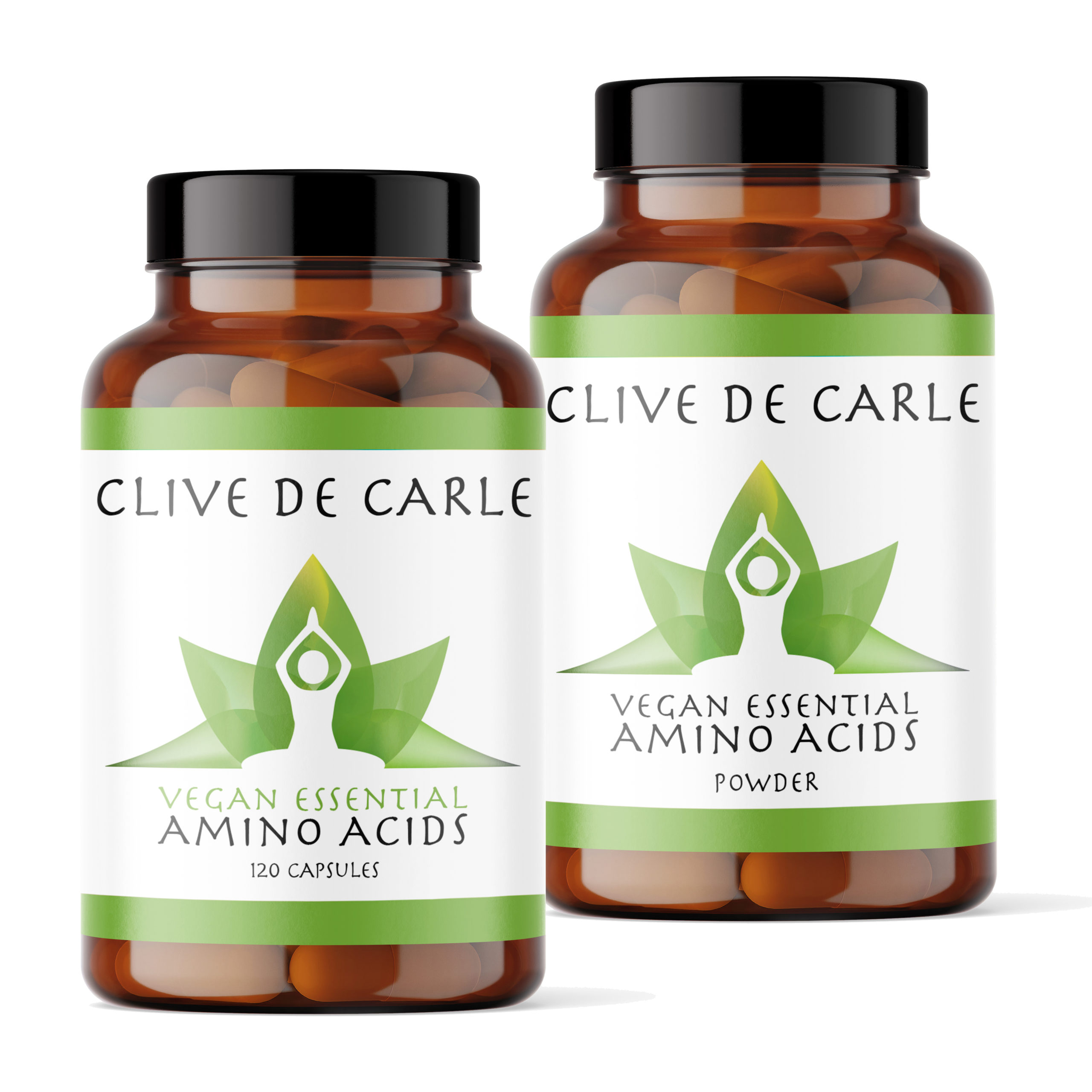
Vegan Essential Amino Acids – Plant-Powered Protein Building
INNERSTANDING may earn a commission on purchases made through these links. All products are selected based on rigorous educational relevance to our biological research.
RABBIT HOLE
Follow the biological thread deeper