
Mechanisms of Mesothelial Cell Senescence: Exploring the Biological Root of Pericardial Thickening
An in-depth educational article from INNERSTANDING on the cellular root causes of pericardial thickening, focusing on mesothelial senescence, the SASP, and the transition to cardiac membrane fibrosis.
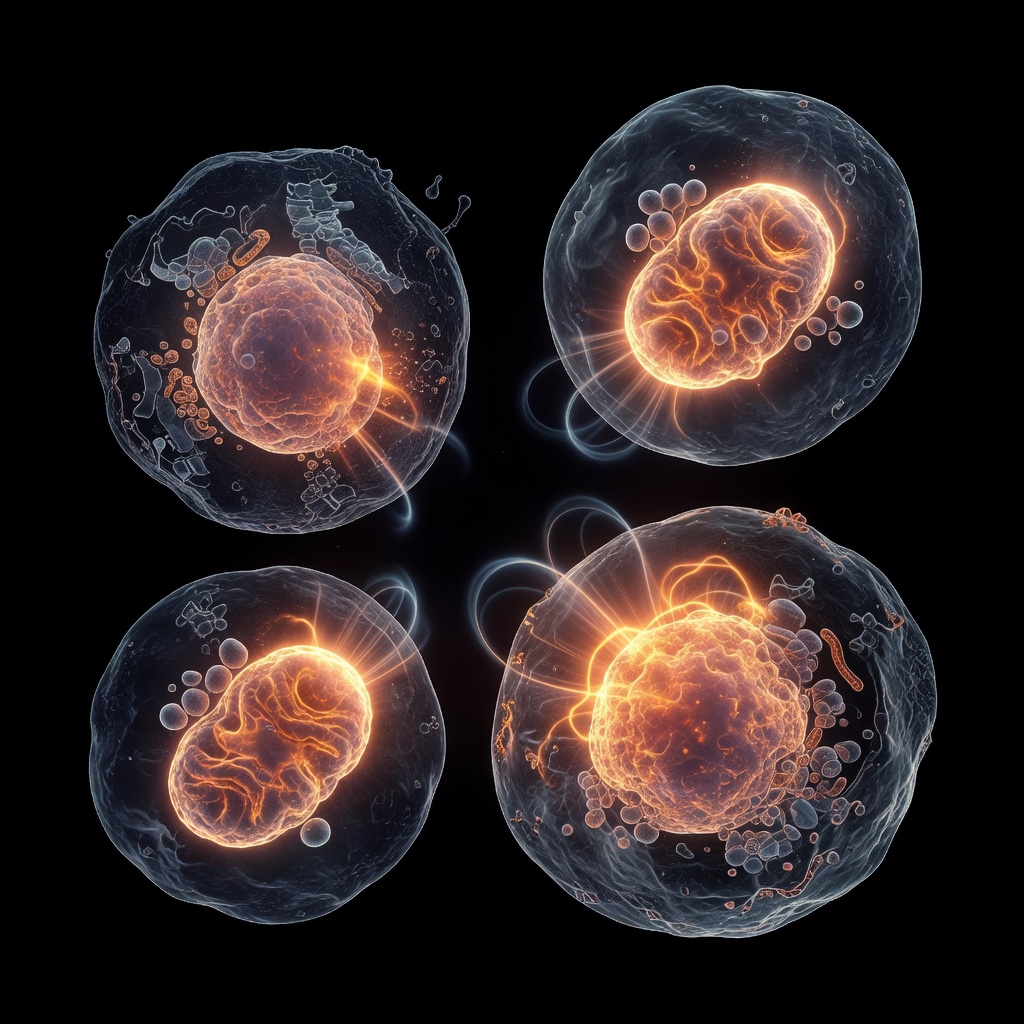
# Mechanisms of Mesothelial Cell Senescence: Exploring the Biological Root of Pericardial Thickening ## Introduction: The Forgotten Sentinel of the Heart. At INNERSTANDING, our mission is to provide a deeper comprehension of the biological foundations of health. We believe that by understanding the 'why' behind a pathology, we can better address the 'how' of recovery and maintenance. In the realm of cardiac health, the pericardium—a fibroserous sac that envelopes the heart—is often sidelined in favour of the myocardium and coronary arteries. Yet, the pericardium is a vital, dynamic organ that ensures the heart functions within a protected, friction-free environment.
Central to this function is the mesothelial cell (MC). These cells form a sophisticated monolayer that lines the pericardial cavity. However, when these cells fall into a state of cellular senescence, they undergo a transformation that changes them from protectors into drivers of disease. This article explores the mechanisms of mesothelial cell senescence as the primary biological root of pericardial thickening and fibrosis. ## The Vital Role of Mesothelial Cells. To appreciate the impact of senescence, one must first understand the healthy mesothelial cell.
These cells are more than a simple lining; they are metabolically active units that produce pericardial fluid, a lubricant rich in phospholipids and hyaluronan. This fluid is essential for the heart’s constant motion, preventing wear and tear against the surrounding structures. Furthermore, mesothelial cells act as a physical and immunological barrier. They possess microvilli that increase surface area for fluid transport and are equipped with receptors that monitor the inflammatory status of the thoracic cavity. In a healthy state, mesothelial cells regulate the turnover of the extracellular matrix (ECM), ensuring the pericardium remains thin, flexible, and strong. ## What is Cellular Senescence?
Cellular senescence is a state of permanent cell cycle arrest that occurs when a cell is no longer able to function safely or replicate. It is often triggered by DNA damage, oxidative stress, or the natural shortening of telomeres—the protective caps on our chromosomes. While senescence is an essential defence mechanism against cancer (as it prevents damaged cells from proliferating), the accumulation of senescent cells as we age or under chronic stress leads to tissue dysfunction. These 'zombie cells' do not die; instead, they remain metabolically active and begin to alter their environment in ways that promote inflammation and structural degradation. ## The Triggering Mechanisms in the Pericardium. Several factors contribute to the senescence of pericardial mesothelial cells.
Firstly, oxidative stress plays a significant role. The heart is a metabolic furnace, and the proximity of the pericardium to constant mitochondrial activity exposes it to reactive oxygen species (ROS). Over time, these ROS damage the cellular components and DNA of the mesothelial layer. Secondly, chronic low-grade inflammation, often termed 'inflammaging,' creates a persistent stress signal that forces cells into a senescent state. Lastly, mechanical strain—such as that caused by hypertension or chronic heart failure—can trigger the DNA damage response pathways (p53 and p21) that initiate the senescent transition. ## The SASP: A Pro-Inflammatory Engine.
The most damaging aspect of mesothelial senescence is the Senescence-Associated Secretory Phenotype (SASP). Once a mesothelial cell becomes senescent, it begins to secrete a potent cocktail of pro-inflammatory cytokines, including Interleukin-6 (IL-6) and Interleukin-8 (IL-8), alongside various growth factors and proteases. In the confined space of the pericardium, these secretions have a 'bystander effect,' inducing senescence in neighbouring healthy cells and recruiting inflammatory immune cells to the membrane. This creates a self-perpetuating cycle of inflammation that gradually degrades the integrity of the pericardial layers. ## From Senescence to Thickening: The Fibrotic Cascade. The definitive link between mesothelial senescence and pericardial thickening is the Mesothelial-to-Mesenchymal Transition (MMT).
Under the chronic influence of the SASP—particularly the secretion of Transforming Growth Factor-beta (TGF-beta)—mesothelial cells lose their protective, slippery characteristics. They transform into myofibroblast-like cells, which are the primary drivers of fibrosis. These transformed cells begin to deposit excessive amounts of collagen and other extracellular matrix proteins. As the collagen density increases, the pericardium loses its elasticity and begins to thicken. This is the root cause of the 'stiff heart' phenomenon seen in constrictive pericarditis, where the pericardium becomes a rigid cage that prevents the heart from filling properly during its diastolic phase. ## Clinical Consequences and the Need for a Root-Cause Approach.
Conventional cardiology often treats pericardial thickening through the lens of acute inflammation (pericarditis), using non-steroidal anti-inflammatory drugs (NSAIDs) or corticosteroids to manage pain and swelling. While these are necessary in acute phases, they do not address the underlying cellular senescence driving the chronic thickening. When the pericardium becomes sufficiently thick and rigid, the only conventional option is a pericardiectomy—a highly invasive surgical procedure. At INNERSTANDING, we advocate for a proactive approach. By focusing on the biological mechanisms of senescence, we can explore interventions that target the root cause.
This includes the use of senolytics (agents that help the body clear senescent cells), enhancing antioxidant defences, and improving metabolic health to reduce the systemic triggers of cellular stress. ## Preventing Senescence: Supporting the Pericardium. Maintaining the health of the mesothelial layer requires a multi-faceted approach. Nutritional strategies that include high-quality polyphenols can help mitigate oxidative damage. Regular, moderate physical activity promotes healthy circulation and reduces systemic inflammation. Furthermore, managing metabolic health—specifically insulin sensitivity—is crucial, as high levels of circulating glucose can accelerate cellular ageing through the formation of advanced glycation end-products (AGEs). ## Conclusion: Restoring Cardiac Freedom.
The pericardium is a vital sentinel, and its health is dictated by the microscopic life of mesothelial cells. By recognizing mesothelial senescence as the root cause of pericardial thickening, we move away from viewing cardiac stiffness as an inevitable part of aging and toward a proactive model of cellular maintenance. True health comes from 'innerstanding' the body’s deepest processes. By protecting our mesothelial cells from the triggers of senescence, we ensure that our hearts remain free to beat, unencumbered by the constraints of a rigid and thickened pericardium. Our journey toward cardiac longevity begins at the cellular level, fostering a heart that is not only strong on the inside but also gracefully supported from the outside.
This article is provided for informational and educational purposes only. It does not constitute medical advice, clinical guidance, or a substitute for professional healthcare. Information reflects cited research at time of publication. Always consult a qualified healthcare professional before acting on any health information.
RESEARCH FOUNDATIONS
Biological Credibility Archive
Citations provided for educational reference. Verify via PubMed or institutional databases.
Medical Disclaimer
The information in this article is for educational purposes only and does not constitute medical advice, diagnosis, or treatment. Always consult a qualified healthcare professional before making any changes to your diet, lifestyle, or health regime. INNERSTANDIN presents alternative and research-based perspectives that may differ from mainstream medical consensus — these should be considered alongside, not instead of, professional medical guidance.
Read Full DisclaimerReady to learn more?
Continue your journey through our classified biological research.
DISCUSSION ROOM
Members of THE COLLECTIVE discussing "Mechanisms of Mesothelial Cell Senescence: Exploring the Biological Root of Pericardial Thickening"
SILENT CHANNEL
Be the first to discuss this article. Your insight could help others understand these biological concepts deeper.
THE ARSENAL
Based on Pericardium & Cardiac Membrane Health — products curated by our research team for educational relevance and biological support.
Magnesium Blend – The Most Important Mineral

Clean Slate – Detoxes thousands of chemicals,heavy metals, pesticides, allergens, mold spores and fungus
Vegan Essential Amino Acids – Plant-Powered Protein Building
INNERSTANDING may earn a commission on purchases made through these links. All products are selected based on rigorous educational relevance to our biological research.
RABBIT HOLE
Follow the biological thread deeper