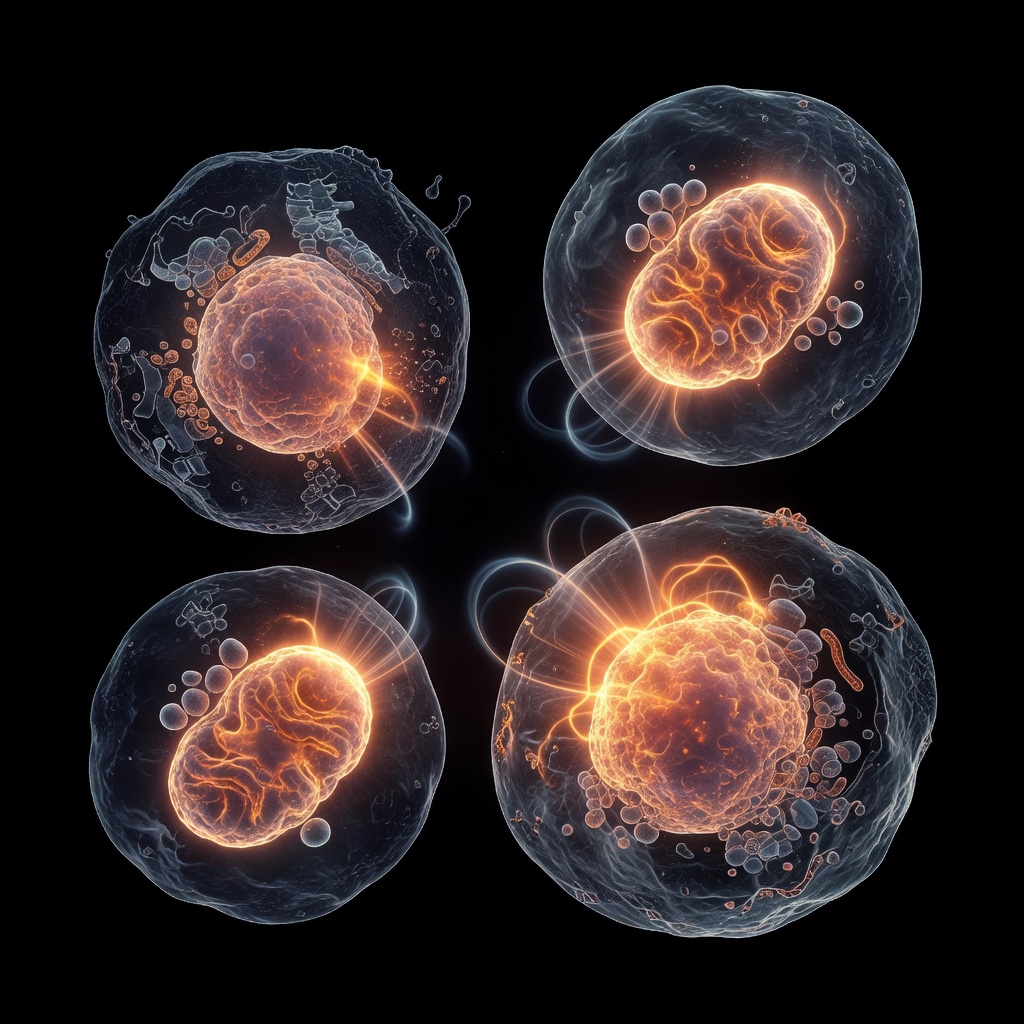
Mitochondrial Bioenergetics in Pericardial Mesothelial Cells: Implications for Fibrotic Progression
An in-depth exploration into the metabolic pathways of the pericardium, examining how mitochondrial dysfunction within mesothelial cells triggers fibrotic remodeling and looking at root-cause bioenergetic interventions.

# Mitochondrial Bioenergetics in Pericardial Mesothelial Cells: Implications for Fibrotic Progression ## Introduction The pericardium is more than a mere anatomical casing for the heart; it is a dynamic, multi-layered membrane essential for cardiac stability, lubrication, and immune modulation. At the heart of this membrane's functionality is a specialized monolayer of Pericardial Mesothelial Cells (PMCs). These cells are not just structural barriers; they are metabolically active sentinels that respond to mechanical stress and biochemical signals. However, when the bioenergetic engines of these cells—the mitochondria—begin to fail, a pathological process known as fibrosis is often the result. Understanding the link between mitochondrial health and pericardial integrity is vital for addressing the root causes of chronic pericarditis and cardiac constriction. ## The Sentinel Role of Pericardial Mesothelial Cells PMCs line the serous pericardium, secretively producing a phospholipid-rich lubricant that ensures the heart beats with minimal friction.
Beyond lubrication, they act as an immunological interface, secreting cytokines and growth factors. Because the heart is a high-energy organ with constant mechanical movement, the pericardium is subjected to repetitive stretching and pressure changes. To maintain homeostasis under these conditions, PMCs require a robust and efficient energy supply. This energy is provided primarily through mitochondrial oxidative phosphorylation (OXPHOS), making the bioenergetic capacity of these cells a fundamental determinant of their health and, by extension, the health of the cardiac membrane. ## Mitochondrial Bioenergetics: The Engine of Membrane Integrity Mitochondria are the primary source of Adenosine Triphosphate (ATP) in mesothelial cells. This ATP fuels critical cellular functions, including the maintenance of ion gradients, protein synthesis for membrane repair, and the active transport of pericardial fluid.
However, bioenergetics is not solely about energy production. Mitochondria are also central to cellular signaling, calcium homeostasis, and the regulation of programmed cell death (apoptosis). In a healthy state, PMCs maintain a delicate balance between energy production and the generation of reactive oxygen species (ROS). When this balance is disrupted—whether by chronic inflammation, viral infection, or metabolic syndrome—the resulting bioenergetic crisis triggers a cascade of structural changes. ## Metabolic Reprogramming: The Path to Fibrosis Fibrosis in the pericardium is characterized by the excessive deposition of extracellular matrix (ECM) proteins, primarily collagen, leading to the thickening and stiffening of the membrane. This process is often driven by Mesothelial-to-Mesenchymal Transition (MMT).
During MMT, PMCs lose their epithelial characteristics and transform into myofibroblast-like cells, which are the primary drivers of fibrosis. Recent research suggests that this transition is fundamentally a metabolic event. Under conditions of chronic stress, PMCs undergo a process similar to the Warburg effect observed in cancer cells, shifting their metabolism from efficient mitochondrial OXPHOS to less efficient aerobic glycolysis. This metabolic reprogramming results in a decrease in ATP production and an increase in metabolic intermediates that fuel the rapid proliferation and collagen-secreting activities of myofibroblasts. This 'bioenergetic switch' is a key root cause of the fibrotic progression that leads to constrictive pericarditis. ## ROS, Mitochondrial DNA Damage, and the Feedback Loop One of the most significant consequences of impaired mitochondrial bioenergetics is the leakage of electrons from the electron transport chain, leading to the excessive production of Superoxide and other ROS.
In the pericardium, oxidative stress damages Mitochondrial DNA (mtDNA), which lacks the robust repair mechanisms found in nuclear DNA. Damaged mtDNA leads to the production of dysfunctional respiratory chain proteins, creating a self-perpetuating cycle of increasing ROS and decreasing energy output. This oxidative environment further promotes MMT by activating pro-fibrotic signaling pathways, such as the Transforming Growth Factor-beta (TGF-β) pathway. TGF-β is a potent stimulator of collagen synthesis and is directly modulated by the redox state of the cell. Thus, mitochondrial dysfunction is not just a symptom of pericardial disease; it is an active driver of the fibrotic architecture. ## Addressing the Root Cause: Bioenergetic Support Traditional treatments for pericardial fibrosis often focus on suppressing inflammation through corticosteroids or surgical intervention (pericardiectomy).

Methylene Blue – Advanced Cellular Chemistry
A pharmaceutical-grade compound designed to optimise mitochondrial function and cellular energy production. This high-purity formula supports metabolic efficiency and mental clarity by acting as a powerful electron donor within your cells.
Vetting Notes
Pending
While necessary in acute cases, these approaches do not always address the underlying bioenergetic failure. At INNERSTANDING, we emphasize a root-cause approach that focuses on restoring mitochondrial health to prevent or slow fibrotic progression. 1. Mitochondrial Co-factors: Nutrients such as Coenzyme Q10 (CoQ10), Alpha-Lipoic Acid (ALA), and Nicotinamide Adenine Dinucleotide (NAD+) precursors are essential for the electron transport chain. Supplementation may help optimize OXPHOS efficiency and reduce the need for glycolytic compensation. 2. Redox Modulation: Antioxidants that specifically target the mitochondria, such as MitoQ or PQQ (Pyrroloquinoline quinone), can help neutralize ROS at the source, protecting mtDNA from damage and preventing the activation of the TGF-β pathway. 3.
Mitophagy Induction: The process of mitophagy—clearing out damaged mitochondria—is essential for maintaining a healthy mitochondrial pool. Lifestyle interventions such as intermittent fasting and targeted exercise have been shown to stimulate mitophagy, potentially reversing some of the metabolic reprogramming seen in PMCs. 4. Anti-fibrotic Phytochemicals: Certain polyphenols, such as resveratrol and quercetin, have demonstrated the ability to inhibit MMT by modulating mitochondrial biogenesis and silencing pro-fibrotic genes. ## Conclusion The health of the pericardium is inextricably linked to the bioenergetic state of its mesothelial cells. When mitochondria fail, the resulting metabolic shift toward glycolysis and the surge in oxidative stress provide the perfect environment for fibrotic remodeling. By shifting our focus toward mitochondrial preservation and metabolic health, we can offer more comprehensive strategies for maintaining cardiac membrane integrity.
Protecting the 'engine room' of the pericardial cell is not just about energy—it is about preserving the very structure that allows the heart to function without constraint.
This article is provided for informational and educational purposes only. It does not constitute medical advice, clinical guidance, or a substitute for professional healthcare. Information reflects cited research at time of publication. Always consult a qualified healthcare professional before acting on any health information.
RESEARCH FOUNDATIONS
Biological Credibility Archive
Citations provided for educational reference. Verify via PubMed or institutional databases.
Medical Disclaimer
The information in this article is for educational purposes only and does not constitute medical advice, diagnosis, or treatment. Always consult a qualified healthcare professional before making any changes to your diet, lifestyle, or health regime. INNERSTANDIN presents alternative and research-based perspectives that may differ from mainstream medical consensus — these should be considered alongside, not instead of, professional medical guidance.
Read Full DisclaimerReady to learn more?
Continue your journey through our classified biological research.
DISCUSSION ROOM
Members of THE COLLECTIVE discussing "Mitochondrial Bioenergetics in Pericardial Mesothelial Cells: Implications for Fibrotic Progression"
SILENT CHANNEL
Be the first to discuss this article. Your insight could help others understand these biological concepts deeper.
THE ARSENAL
Based on Pericardium & Cardiac Membrane Health — products curated by our research team for educational relevance and biological support.

Fulvic Minerals – Natural Rare Earth Minerals. The essential trace elements missing from modern processed foods.

Magnesium Blend – The Most Important Mineral

Clean Slate – Detoxes thousands of chemicals,heavy metals, pesticides, allergens, mold spores and fungus
INNERSTANDING may earn a commission on purchases made through these links. All products are selected based on rigorous educational relevance to our biological research.
RABBIT HOLE
Follow the biological thread deeper