Dysregulated Collagen Type I and III Ratios: The Science of Constrictive Pericardial Remodeling
A deep dive into the molecular mechanics of the pericardium, exploring how shifts in collagen ratios drive fibrosis and constrictive remodeling, leading to impaired cardiac function and diastolic dysfunction.
# Dysregulated Collagen Type I and III Ratios: The Science of Constrictive Pericardial Remodeling## Introduction: The Pericardium as a Dynamic MatrixThe human pericardium is often overlooked as a mere protective sac, yet it is a sophisticated, biomechanically active membrane that modulates cardiac chamber pressure and protects the heart from over-distension. At the heart of its function lies the Extracellular Matrix (ECM), a complex scaffold composed primarily of collagen fibers. In a healthy state, the pericardium possesses a specific elasticity that allows for the heart's natural expansion during diastole. However, when the delicate balance of collagen types—specifically Type I and Type III—is disrupted, the pericardium undergoes a pathological transformation known as constrictive remodeling. This article explores the root-cause mechanisms behind this shift and its implications for cardiac health.## The Collagen Hierarchy: Type I vs.
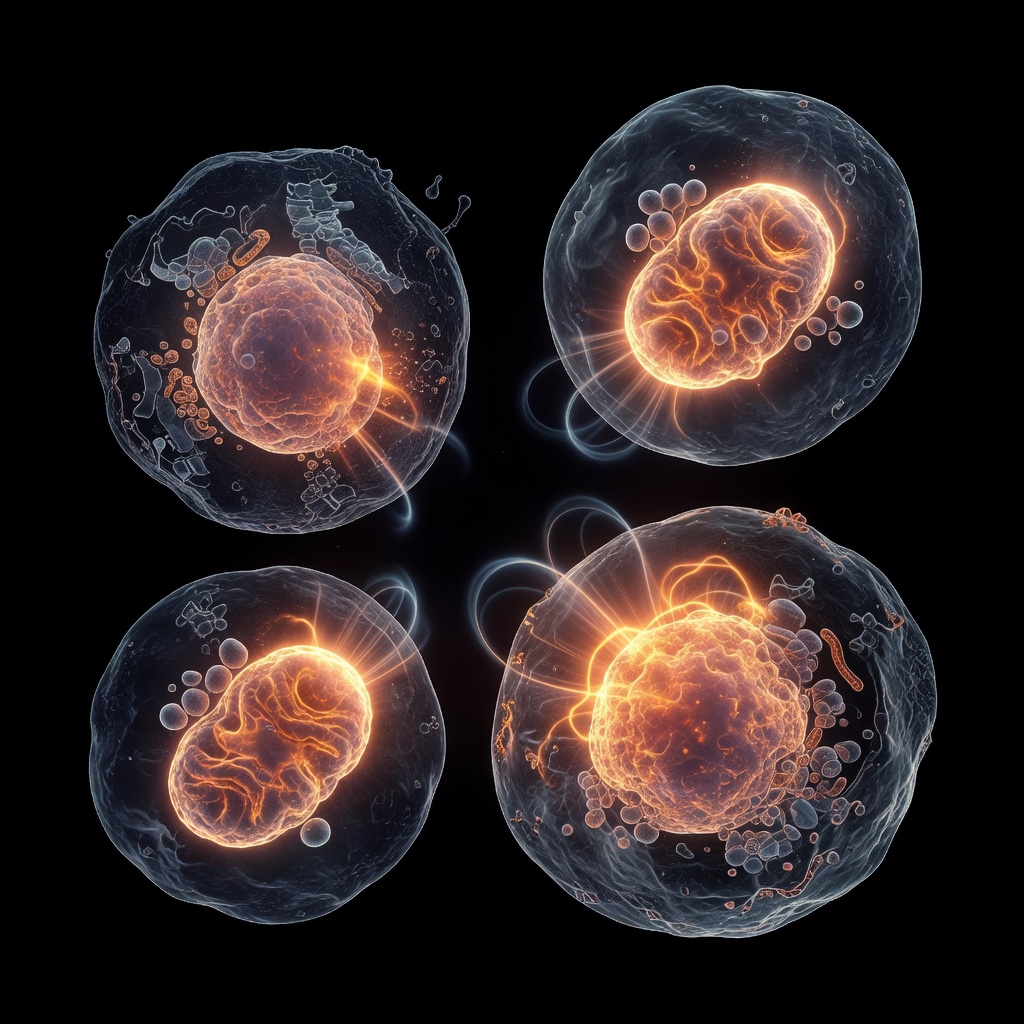
Type IIICollagen is the most abundant protein in the human body, but it is not a monolithic substance. In the pericardial layers, two primary isoforms dictate mechanical properties:1. Type I Collagen: These are thick, robust fibers characterized by high tensile strength and rigidity. They provide the structural integrity required to prevent the heart from over-expanding under high pressure.2. Type III Collagen: Often referred to as 'fetal' or 'repair' collagen, Type III fibers are thinner and more distensible. They provide the 'give' or elasticity that allows the pericardium to stretch during the cardiac cycle.In a physiologically balanced pericardium, Type III collagen provides the necessary flexibility, while Type I ensures the membrane does not fail. Constrictive pericarditis (CP) and chronic remodeling are defined by a significant shift in this ratio, where Type III collagen is systematically replaced by an overabundance of Type I collagen, leading to a stiff, non-compliant, and eventually calcified 'shell' around the heart.## The Mechanism of Fibrotic Shift: The Role of MyofibroblastsThe transition from a flexible membrane to a restrictive one is driven by the activation of resident fibroblasts into myofibroblasts.
This activation is typically a response to chronic inflammation or injury. When the pericardium is insulted—whether by viral infection, post-surgical trauma, or metabolic stress—pro-inflammatory cytokines like Transforming Growth Factor-beta (TGF-β) are released.TGF-β is the master regulator of the fibrotic response. It signals fibroblasts to upregulate the synthesis of Type I collagen while simultaneously suppressing the enzymes (Matrix Metalloproteinases or MMPs) responsible for breaking down excess scar tissue. Furthermore, the myofibroblasts themselves express alpha-smooth muscle actin (α-SMA), which gives them contractile properties. As these cells populate the pericardium, they literally pull the matrix together, densifying the collagen network and increasing the ratio of rigid Type I fibers.## Root Causes of Collagen DysregulationWhat triggers this permanent shift in the ECM?
Identifying the root cause is essential for understanding the progression toward constrictive remodeling:### 1. Chronic Inflammation and Cytokine StormsPersistent low-grade inflammation, often stemming from autoimmune conditions like lupus or rheumatoid arthritis, keeps the TGF-β pathway permanently 'on'. This results in a slow but steady accumulation of Type I collagen.### 2. Oxidative Stress and GlycationMetabolic dysfunction, particularly chronic hyperglycemia, leads to the formation of Advanced Glycation End-products (AGEs). AGEs form cross-links between collagen fibers, making them resistant to natural degradation.
This chemical 'gluing' of the collagen matrix mimics the stiffness of a Type I dominant ratio, even before the physical ratio has fully shifted.### 3. Post-Infectious RemodelingViral or bacterial pericarditis (notably Tuberculosis in global contexts) triggers an aggressive immune response. If the resolution phase of inflammation is impaired, the 'provisional' Type III collagen laid down during acute repair is not replaced by healthy tissue but is instead remodeled into dense, Type I-rich scar tissue.## The Clinical Consequence: Diastolic ImpairmentAs the Type I:III ratio increases, the pericardium loses its ability to stretch. This creates a state of 'diastolic suction' or impaired filling. During diastole, the ventricles cannot expand fully because they are encased in a rigid, non-compliant cage.
This leads to elevated filling pressures, reduced stroke volume, and the classic signs of heart failure—fatigue, edema, and shortness of breath—despite the heart muscle (the myocardium) often being perfectly healthy. This is the hallmark of Constrictive Pericarditis.## Therapeutic Horizons: Beyond PericardiectomyHistorically, the primary treatment for a severely remodeled pericardium has been surgical removal (pericardiectomy). However, emerging research into the root causes of collagen dysregulation suggests that targeting the ECM balance could offer non-invasive alternatives:* Antifibrotic Agents: Research into TGF-β inhibitors and SMAD pathway modulators aims to stop the conversion of fibroblasts into myofibroblasts.* MMP Modulation: Exploring ways to upregulate Matrix Metalloproteinases could potentially allow the body to 're-absorb' excess Type I collagen.* Metabolic Optimization: Addressing systemic inflammation and glycation through nutrition and lifestyle can slow the rate of collagen cross-linking, preserving the integrity of the Type III fibers.## ConclusionThe health of the cardiac membrane is a delicate dance of molecular ratios. The shift from the elastic Type III collagen to the rigid Type I collagen is not merely a sign of aging, but a pathological response to chronic systemic triggers. By focusing on the root causes of fibrosis—inflammation, oxidative stress, and metabolic signaling—we can move toward a more proactive approach to maintaining pericardial flexibility and ensuring long-term cardiovascular resilience.
Understanding the science of collagen remodeling is the first step in protecting the heart from the 'silent constriction' of fibrotic change.
This article is provided for informational and educational purposes only. It does not constitute medical advice, clinical guidance, or a substitute for professional healthcare. Information reflects cited research at time of publication. Always consult a qualified healthcare professional before acting on any health information.
RESEARCH FOUNDATIONS
Biological Credibility Archive
Citations provided for educational reference. Verify via PubMed or institutional databases.
Medical Disclaimer
The information in this article is for educational purposes only and does not constitute medical advice, diagnosis, or treatment. Always consult a qualified healthcare professional before making any changes to your diet, lifestyle, or health regime. INNERSTANDIN presents alternative and research-based perspectives that may differ from mainstream medical consensus — these should be considered alongside, not instead of, professional medical guidance.
Read Full DisclaimerReady to learn more?
Continue your journey through our classified biological research.
DISCUSSION ROOM
Members of THE COLLECTIVE discussing "Dysregulated Collagen Type I and III Ratios: The Science of Constrictive Pericardial Remodeling"
SILENT CHANNEL
Be the first to discuss this article. Your insight could help others understand these biological concepts deeper.
THE ARSENAL
Based on Pericardium & Cardiac Membrane Health — products curated by our research team for educational relevance and biological support.
Magnesium Blend – The Most Important Mineral
Clean Slate – Detoxes thousands of chemicals,heavy metals, pesticides, allergens, mold spores and fungus
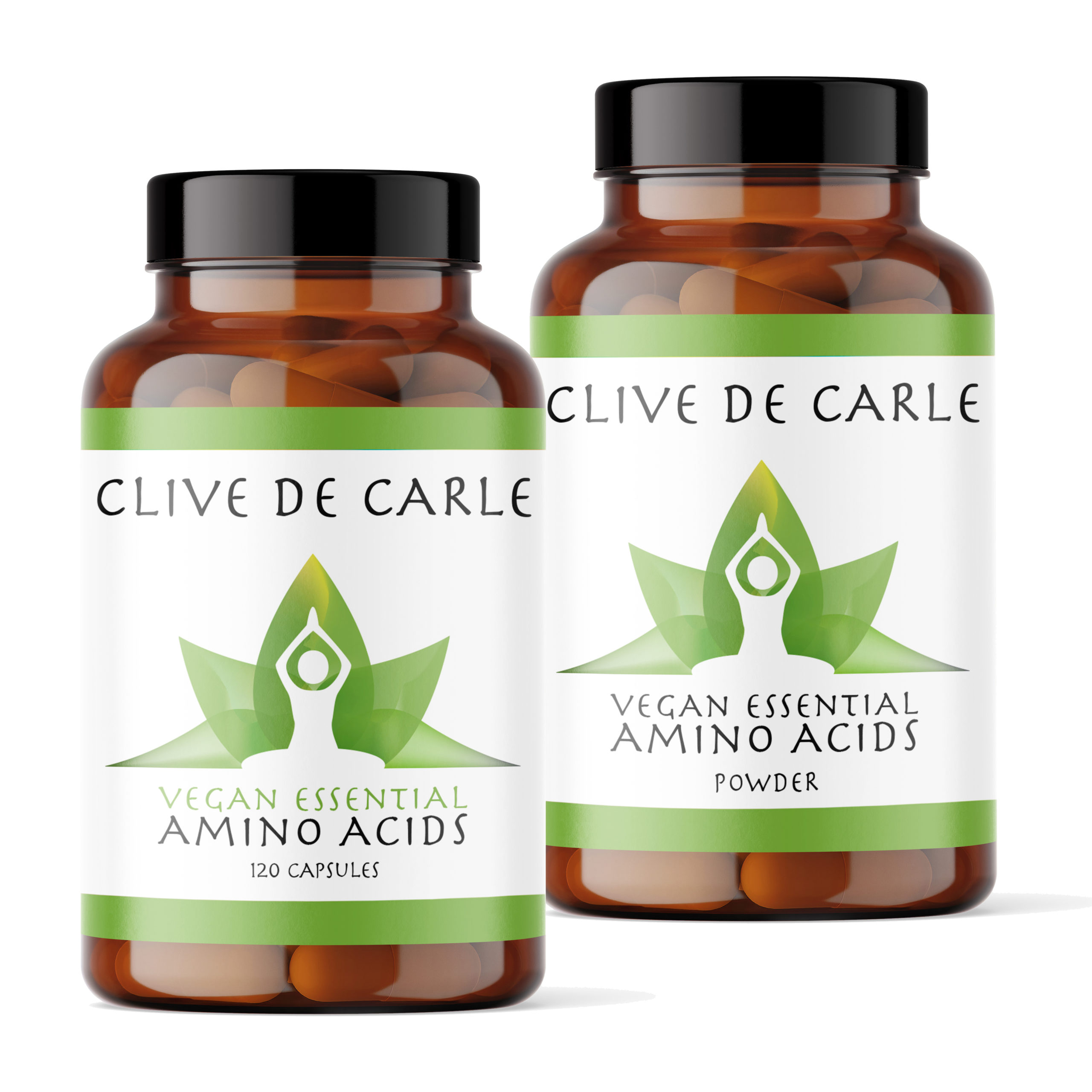
Vegan Essential Amino Acids – Plant-Powered Protein Building
INNERSTANDING may earn a commission on purchases made through these links. All products are selected based on rigorous educational relevance to our biological research.
RABBIT HOLE
Follow the biological thread deeper