The Role of Epicardial Adipose Tissue Interaction with the Pericardium in Localised Inflammatory Cascades
This comprehensive guide explores the bio-molecular relationship between epicardial fat and the pericardium, highlighting how metabolic dysfunction triggers localised inflammatory cascades that impact cardiac membrane integrity and overall heart health.

# The Role of Epicardial Adipose Tissue Interaction with the Pericardium in Localised Inflammatory Cascades\n\nIn the traditional view of cardiac anatomy, the heart is often depicted as an isolated pump, and the pericardium as its simple, protective wrapper. However, modern physiological research, championed by platforms like INNERSTANDING, reveals a far more complex and dynamic environment. Central to this complexity is Epicardial Adipose Tissue (EAT)—a metabolically active fat depot situated between the myocardium and the visceral layer of the pericardium. Understanding the interaction between EAT and the pericardium is essential for uncovering the root causes of localised inflammatory cascades that drive many common cardiac pathologies.\n\n## Defining Epicardial Adipose Tissue (EAT)\n\nEpicardial Adipose Tissue is a unique visceral fat depot that accounts for approximately 20% of the heart's total weight under normal conditions. Unlike other adipose stores, EAT is located directly on the surface of the heart, predominantly in the atrioventricular and interventricular grooves.
Most importantly, EAT shares the same micro-vasculature as the underlying myocardium, meaning there is no fibrous fascia separating the two. This anatomical proximity allows for direct paracrine and vasocrine signalling between the fat, the heart muscle, and the surrounding pericardial layers.\n\nIn a healthy state, EAT performs vital physiological roles. It serves as a local energy reservoir, providing free fatty acids to the myocardium during times of high metabolic demand. It also secretes adiponectin, a cardioprotective protein that is anti-inflammatory, anti-fibrotic, and promotes nitric oxide production in the coronary arteries. However, when metabolic health declines, EAT undergoes a dramatic phenotypic shift.\n\n## The Pericardial Interface: More than a Membrane\n\nThe pericardium is a double-walled sac containing the heart and the roots of the great vessels.
It consists of an outer tough fibrous layer and an inner serous layer. The serous layer itself is divided into the parietal layer (lining the fibrous sac) and the visceral layer (the epicardium), which is in direct contact with EAT. The space between these layers, the pericardial cavity, contains a small amount of lubricating fluid.\n\nResearch now indicates that the pericardium is not merely a physical barrier but a biologically active interface. It is highly sensitive to the secretome—the collection of proteins and cytokines—emitted by the adjacent epicardial fat. When EAT becomes dysfunctional, the pericardium is the first line of tissue to experience the resulting localised inflammatory storm.\n\n## The Inflammatory Cascade: From Protection to Pathogenesis\n\nThe transition from healthy EAT to pathogenic EAT is the primary driver of localised inflammatory cascades.
This transition is typically triggered by systemic metabolic stressors, such as hyperinsulinaemia, obesity, and chronic systemic inflammation. As EAT expands, it becomes hypoxic and infiltrated by pro-inflammatory immune cells, specifically M1-type macrophages.\n\nThis shift results in a fundamental change in the EAT secretome:\n\n1. Pro-inflammatory Cytokines: There is a marked increase in the production of Interleukin-1β (IL-1β), Interleukin-6 (IL-6), and Tumour Necrosis Factor-alpha (TNF-α).\n2. Adipokine Imbalance: The secretion of protective adiponectin decreases, while levels of leptin and resistin—which can promote fibrosis—increase.\n3. Oxidative Stress: Pathogenic EAT produces reactive oxygen species (ROS) that contribute to mitochondrial dysfunction in the surrounding tissues.\n\nThese molecules diffuse through the visceral pericardium into the pericardial fluid. Because the pericardial space is enclosed, these inflammatory markers reach high concentrations, bathing the heart and its membranes in a pro-inflammatory 'soup'. This is known as a localised inflammatory cascade, where the damage is concentrated specifically within the cardiac microenvironment, often independent of systemic inflammatory markers like C-Reactive Protein (CRP).\n\n## Impact on Pericardial and Cardiac Health\n\nThe interaction between pathogenic EAT and the pericardium has several significant clinical consequences:\n\n### Pericardial Thickening and Fibrosis\nChronic exposure to pro-inflammatory cytokines from EAT triggers the transformation of pericardial fibroblasts into myofibroblasts. These cells produce excess collagen, leading to the thickening and stiffening of the pericardium.
In severe cases, this contributes to restrictive physiology, where the heart can no longer expand fully during diastole.\n\n### Atrial Fibrillation (AFib)\nEAT is particularly prominent around the atria. Localised inflammation from EAT can penetrate the thin atrial wall, leading to structural remodeling and electrical instability. This 'fat-to-muscle' crosstalk is now recognised as a major root cause of non-valvular atrial fibrillation.\n\n### Pericardial Effusion\nInflammation of the serous pericardium increases the permeability of its capillaries. This can lead to an accumulation of fluid in the pericardial space—an effusion—which can impair cardiac function and, in extreme cases, lead to tamponade.\n\n## Root Causes: Why Does EAT Become Dysfunctional?\n\nAt INNERSTANDING, we focus on the 'why' behind the pathology. The dysfunction of the EAT-pericardium axis is rarely a primary cardiac event; rather, it is a secondary manifestation of systemic metabolic neglect.
The primary root causes include:\n\n* Chronic Hyperinsulinaemia: High circulating insulin levels promote the storage of fat in visceral depots, including the epicardium.\n* Dietary Inflammagens: High intake of ultra-processed foods, refined seed oils (rich in Omega-6), and excessive fructose leads to oxidative stress that initiates the EAT phenotypic shift.\n* Sedentary Behaviour: Physical inactivity reduces the heart's metabolic flexibility, encouraging the accumulation of ectopic fat around the myocardium.\n* Circadian Mismatch: Poor sleep and lack of natural light exposure disrupt the hormonal regulation of adipose tissue, making it more prone to inflammatory behaviour.\n\n## Strategic Interventions for Cardiac Membrane Health\n\nAddressing the EAT-pericardium inflammatory cascade requires a multi-faceted, root-cause approach. Standard anti-inflammatories may mask symptoms, but they do not reverse the underlying fat dysfunction.\n\n1. Metabolic Restoration: Adopting a low-glycaemic, whole-food diet is the most effective way to reduce visceral fat volume. Reducing insulin levels allows the body to mobilise and 'burn' EAT for fuel.\n2. Targeted Exercise: High-intensity interval training (HIIT) and Zone 2 aerobic exercise have been shown to specifically reduce EAT thickness more effectively than general weight loss alone.\n3. Anti-inflammatory Nutrients: Supplementation with high-quality Omega-3 fatty acids (EPA/DHA) and polyphenols (like curcumin or resveratrol) can help modulate the EAT secretome, shifting it back toward a protective state.\n4. Stress Management: Chronic cortisol elevation promotes visceral adiposity. Practices such as breathwork and meditation can dampen the sympathetic nervous system, reducing the inflammatory output of EAT.\n\n## Conclusion\n\nThe epicardial adipose tissue and the pericardium exist in a state of constant biochemical dialogue. While this relationship is designed to be protective, modern lifestyle stressors have turned it into a primary source of localised cardiac inflammation.
By looking beyond the surface and addressing the metabolic root causes of EAT dysfunction, we can protect the pericardium, preserve cardiac function, and ensure long-term heart health. The heart does not beat in isolation; it thrives only when its surrounding environment is in balance.","tags":["Cardiovascular Health","Epicardial Fat","Pericardium","Inflammatory Cascade","Root Cause Medicine","Metabolic Health","UK Health"],"reading_time":8}
This article is provided for informational and educational purposes only. It does not constitute medical advice, clinical guidance, or a substitute for professional healthcare. Information reflects cited research at time of publication. Always consult a qualified healthcare professional before acting on any health information.
RESEARCH FOUNDATIONS
Biological Credibility Archive
Citations provided for educational reference. Verify via PubMed or institutional databases.
Medical Disclaimer
The information in this article is for educational purposes only and does not constitute medical advice, diagnosis, or treatment. Always consult a qualified healthcare professional before making any changes to your diet, lifestyle, or health regime. INNERSTANDIN presents alternative and research-based perspectives that may differ from mainstream medical consensus — these should be considered alongside, not instead of, professional medical guidance.
Read Full DisclaimerReady to learn more?
Continue your journey through our classified biological research.
DISCUSSION ROOM
Members of THE COLLECTIVE discussing "The Role of Epicardial Adipose Tissue Interaction with the Pericardium in Localised Inflammatory Cascades"
SILENT CHANNEL
Be the first to discuss this article. Your insight could help others understand these biological concepts deeper.
THE ARSENAL
Based on Pericardium & Cardiac Membrane Health — products curated by our research team for educational relevance and biological support.
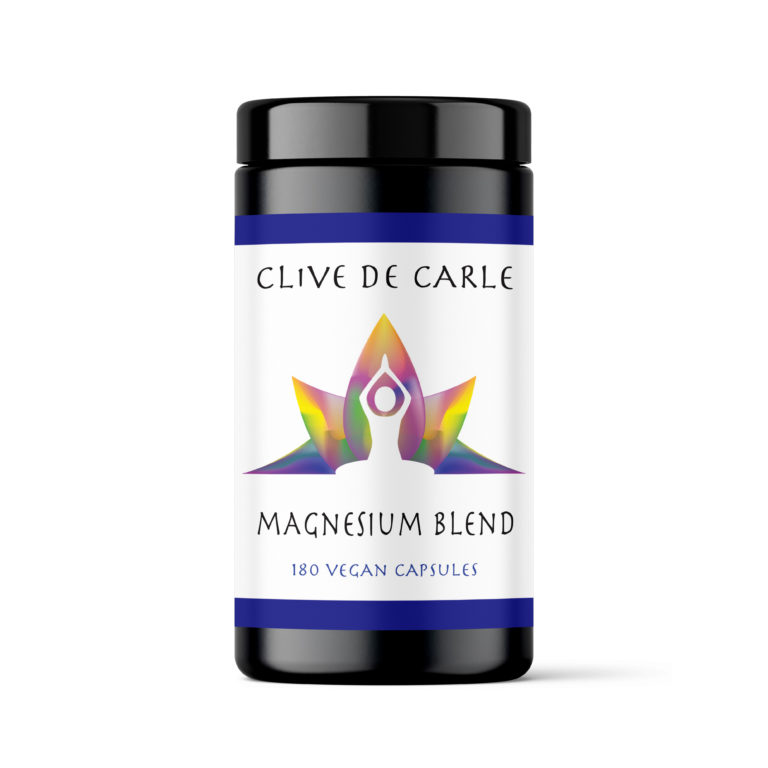
Magnesium Blend – The Most Important Mineral
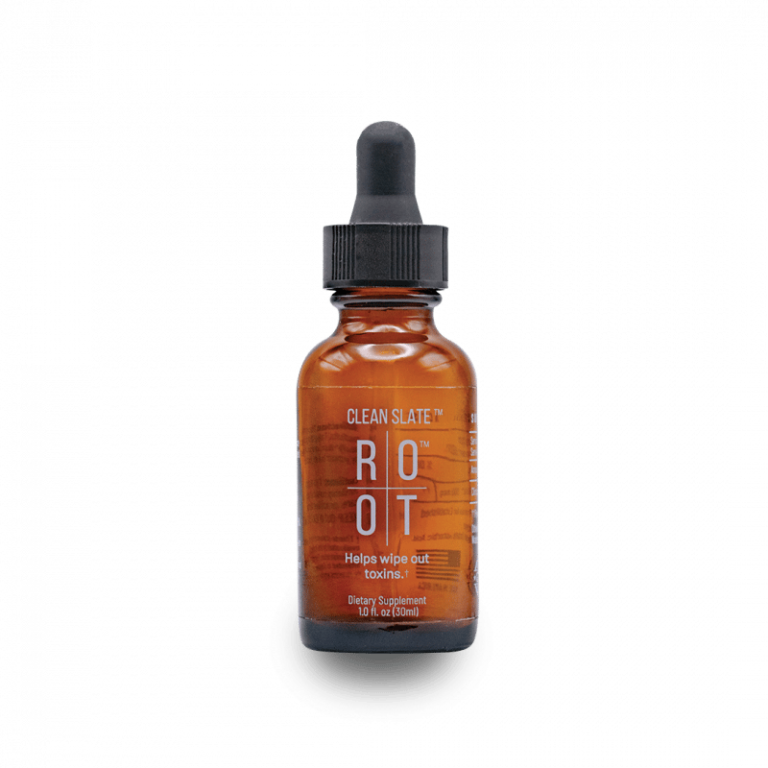
Clean Slate – Detoxes thousands of chemicals,heavy metals, pesticides, allergens, mold spores and fungus
Vegan Essential Amino Acids – Plant-Powered Protein Building
INNERSTANDING may earn a commission on purchases made through these links. All products are selected based on rigorous educational relevance to our biological research.
RABBIT HOLE
Follow the biological thread deeper