Molecular Mimicry and the Pathogenesis of Post-Cardiac Injury Syndrome: A Root-Cause Analysis
A comprehensive exploration of Post-Cardiac Injury Syndrome (PCIS), examining how molecular mimicry and the release of sequestered cardiac antigens lead to immune-mediated inflammation of the pericardium.
# Molecular Mimicry and the Pathogenesis of Post-Cardiac Injury Syndrome: A Root-Cause Analysis\n\n## Introduction\n\nPost-Cardiac Injury Syndrome (PCIS) represents a significant clinical challenge within the field of cardiology, manifesting as a complex inflammatory response following trauma to the heart or pericardium. Traditionally, this syndrome has been subdivided into various categories based on the precipitating event, such as Dressler’s Syndrome following a myocardial infarction, post-pericardiotomy syndrome after cardiac surgery, or post-traumatic pericarditis. However, at INNERSTANDING, we advocate for a unified perspective that looks beyond these labels to the underlying biological mechanisms. The pathogenesis of PCIS is a masterclass in immune complexity, primarily driven by a phenomenon known as molecular mimicry. This article provides a comprehensive root-cause analysis of how the body's defence systems can, under specific conditions, fail to distinguish between the 'self' of the cardiac tissue and the 'non-self' of external pathogens, leading to a systemic inflammatory cascade that impacts the very membranes that protect the heart.\n\n## The Architecture of PCIS: An Umbrella of Inflammation\n\nPCIS is essentially an umbrella term for a suite of inflammatory conditions that share a common immunopathologic pathway.
Whether the initial insult is an invasive surgical procedure involving a sternotomy or a spontaneous myocardial infarction, the result is a disturbance of the pericardial environment. The pericardium itself is a fibroserous sac that serves several critical functions: it provides mechanical protection, prevents over-distension of the heart, and produces a lubricating fluid that reduces friction during the cardiac cycle. In PCIS, this delicate balance is disrupted. The syndrome typically presents with a latent period—often weeks or even months after the initial event—suggesting that it is not the direct result of the trauma itself, but rather a secondary, 'adaptive' immune response. This delay is a crucial clue in our root-cause investigation, pointing toward the involvement of T-cells and B-cells rather than just the immediate response of neutrophils and macrophages.\n\n## The Spark: Tissue Injury and the Release of Sequestered Antigens\n\nTo find the root cause, we must look at the 'First Hit': the release of sequestered antigens.
Under normal circumstances, certain proteins within the heart, such as cardiac myosin, are hidden from the immune system. They exist in an 'immunologically privileged' environment. However, when the heart muscle or the pericardial membranes are damaged, these proteins are spilled into the surrounding fluid and the systemic circulation. These proteins are recognised by the immune system as 'Damage-Associated Molecular Patterns' (DAMPs). In the UK, research into 'danger signals' has highlighted how these DAMPs bind to Pattern Recognition Receptors (PRRs) on innate immune cells, effectively sounding the alarm.
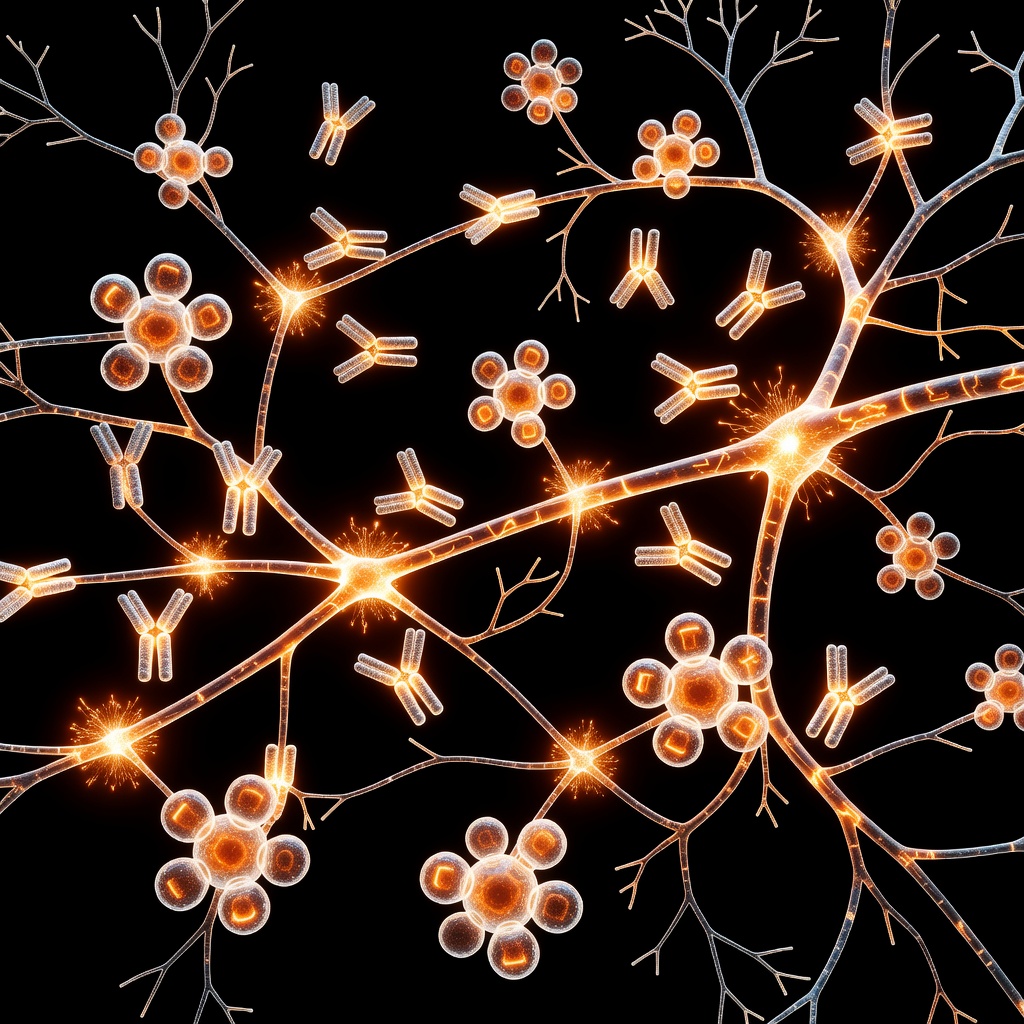
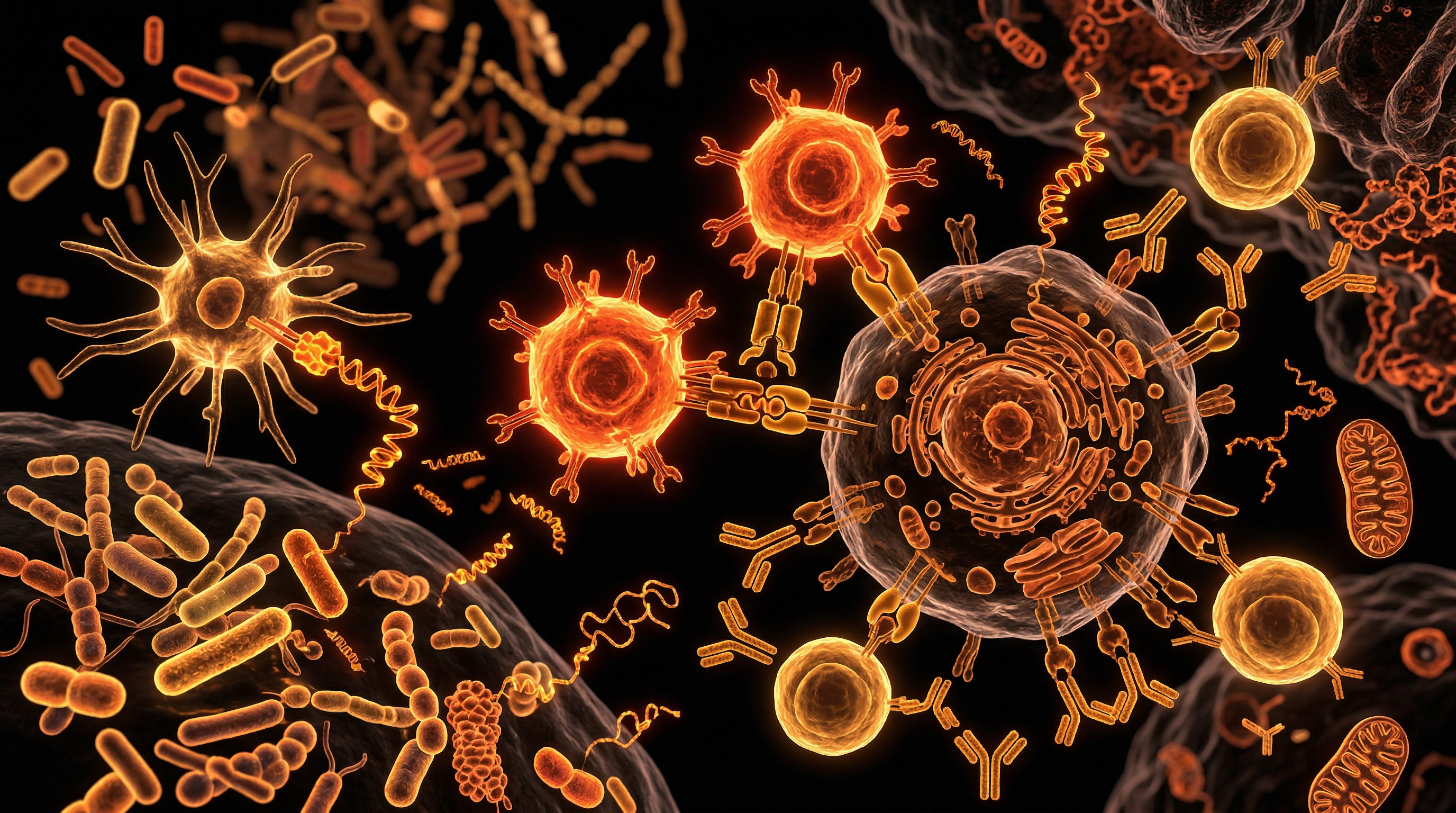
This initial proinflammatory state is necessary for healing, but in susceptible individuals, it sets the stage for a more sinister progression. The immune system, once alerted to these 'new' proteins, begins the process of sensitisation, creating a memory of the cardiac tissue as a potential threat.\n\n## Molecular Mimicry: The Root of Immune Confusion\n\nThe core of PCIS pathogenesis lies in molecular mimicry. This occurs when there is a high degree of structural similarity between the cardiac antigens released during injury and the antigens of common pathogens, such as viruses or bacteria. For instance, the heavy chain of cardiac myosin shares significant sequence homology with certain streptococcal proteins and viral capsids. When the immune system develops an adaptive response to the 'foreign' looking cardiac proteins, it inadvertently creates antibodies and T-cells that can cross-react with healthy cardiac tissue.
This is not a random error but a consequence of 'epitope spreading.' Initially, the immune response might be focused on a small, damaged part of the heart, but as the inflammation persists, the immune system begins to recognise and attack a wider range of 'self' proteins. This creates a self-perpetuating cycle of inflammation where the immune system is essentially fighting a ghost of a previous infection, triggered by the recent cardiac trauma.\n\n## The Pericardial Battlefield and Haemodynamic Implications\n\nIn PCIS, the pericardium becomes the primary battlefield. The inflammation of the pericardial layers—pericarditis—leads to an increase in vascular permeability. This causes an exudative fluid to accumulate within the pericardial sac, known as a pericardial effusion. For the patient, this can manifest as pleuritic chest pain that is characteristically relieved by sitting forward.
From a physiological standpoint, the root cause of the pain is the irritation of the phrenic nerve and the stretching of the parietal pericardium. If the fluid accumulates rapidly or in large volumes, it can lead to cardiac tamponade, a life-threatening condition where the pressure of the fluid prevents the heart from filling properly. Furthermore, the persistent inflammation can lead to 'constrictive' pericarditis, where the pericardium becomes fibrotic and scarred, permanently encasing the heart in a rigid shell. This progression highlights why understanding the molecular root cause—the immune cross-reactivity—is so vital for long-term cardiac health.\n\n## Root-Cause Susceptibility: The Role of Genetics and the Microbiome\n\nWhy do some patients recover flawlessly from heart surgery while others develop the systemic malaise, fever, and effusions of PCIS? A root-cause analysis must consider individual susceptibility.
First, genetic factors, specifically the Human Leucocyte Antigen (HLA) system, determine how antigens are presented to the immune system. Certain HLA genotypes are far more likely to 'mispresent' cardiac myosin as a foreign invader. Second, the 'Previous Viral Load' theory suggests that patients who have had prior exposure to cardiotropic viruses (like Coxsackie B) have 'primed' immune cells already circulating. The cardiac injury acts as the 'Second Hit' that activates these dormant cells. Lastly, the state of the systemic microbiome cannot be ignored.
A healthy gut microbiome promotes 'regulatory T-cells' (Tregs) which help to suppress autoimmune responses. Conversely, gut dysbiosis can create a 'pro-inflammatory' baseline, making the individual more prone to the runaway immune response seen in PCIS.\n\n## Integrative Management and Future Horizons\n\nBy identifying molecular mimicry as the root cause, we can refine our approach to management. While standard therapies like NSAIDs and colchicine are essential for dampening the immediate inflammatory response, a more holistic approach involves supporting the body's natural 'resolution' pathways. This includes ensuring adequate levels of Vitamin D and Omega-3 fatty acids, both of which are crucial for the proper functioning of regulatory T-cells. Moreover, the use of colchicine—a plant-derived alkaloid—is particularly interesting from a root-cause perspective as it inhibits the 'inflammasome,' the very protein complex responsible for processing the 'danger signals' released during cardiac injury.
Looking forward, the frontier of PCIS treatment lies in immunomodulation—learning how to 're-educate' the immune system to restore tolerance to cardiac antigens, effectively turning off the molecular mimicry at its source.\n\n## Conclusion\n\nPost-Cardiac Injury Syndrome is more than a post-operative complication; it is a profound demonstration of the immune system’s capacity for both protection and confusion. Through the lens of molecular mimicry, we can see how an initial physical trauma to the heart is transformed into a systemic autoimmune dialogue. For those within the INNERSTANDING community, understanding this root cause is the first step toward proactive pericardial health. It empowers us to look beyond the effusion and the pain, to the underlying immune balance that governs our recovery. As we continue to map the molecular landscape of the heart, our goal remains clear: to foster a state of internal harmony where the body’s defences work in concert with its remarkable capacity for healing.
This article is provided for informational and educational purposes only. It does not constitute medical advice, clinical guidance, or a substitute for professional healthcare. Information reflects cited research at time of publication. Always consult a qualified healthcare professional before acting on any health information.
RESEARCH FOUNDATIONS
Biological Credibility Archive
Citations provided for educational reference. Verify via PubMed or institutional databases.
Medical Disclaimer
The information in this article is for educational purposes only and does not constitute medical advice, diagnosis, or treatment. Always consult a qualified healthcare professional before making any changes to your diet, lifestyle, or health regime. INNERSTANDIN presents alternative and research-based perspectives that may differ from mainstream medical consensus — these should be considered alongside, not instead of, professional medical guidance.
Read Full DisclaimerReady to learn more?
Continue your journey through our classified biological research.
DISCUSSION ROOM
Members of THE COLLECTIVE discussing "Molecular Mimicry and the Pathogenesis of Post-Cardiac Injury Syndrome: A Root-Cause Analysis"
SILENT CHANNEL
Be the first to discuss this article. Your insight could help others understand these biological concepts deeper.
THE ARSENAL
Based on Pericardium & Cardiac Membrane Health — products curated by our research team for educational relevance and biological support.
Magnesium Blend – The Most Important Mineral
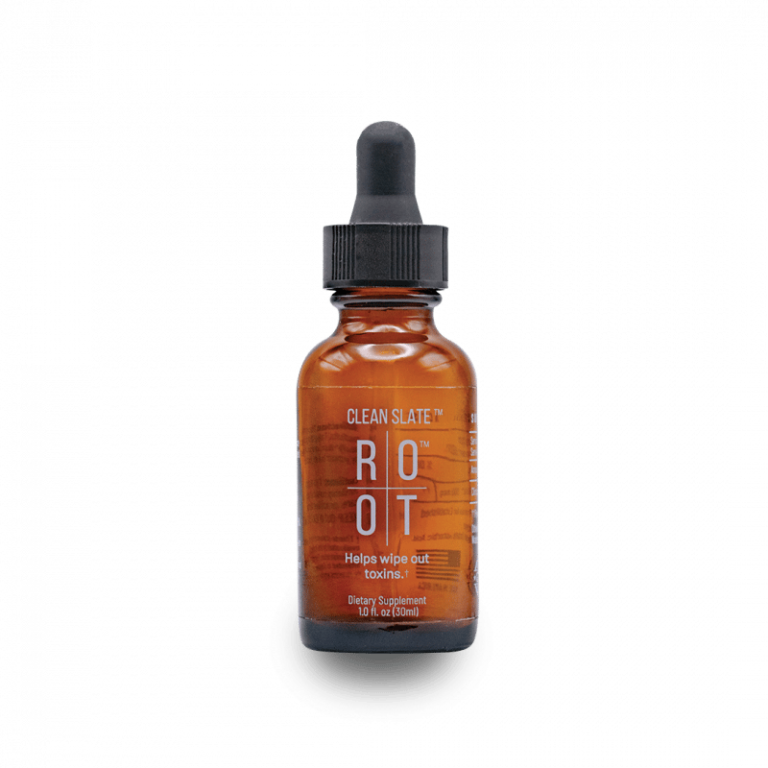
Clean Slate – Detoxes thousands of chemicals,heavy metals, pesticides, allergens, mold spores and fungus
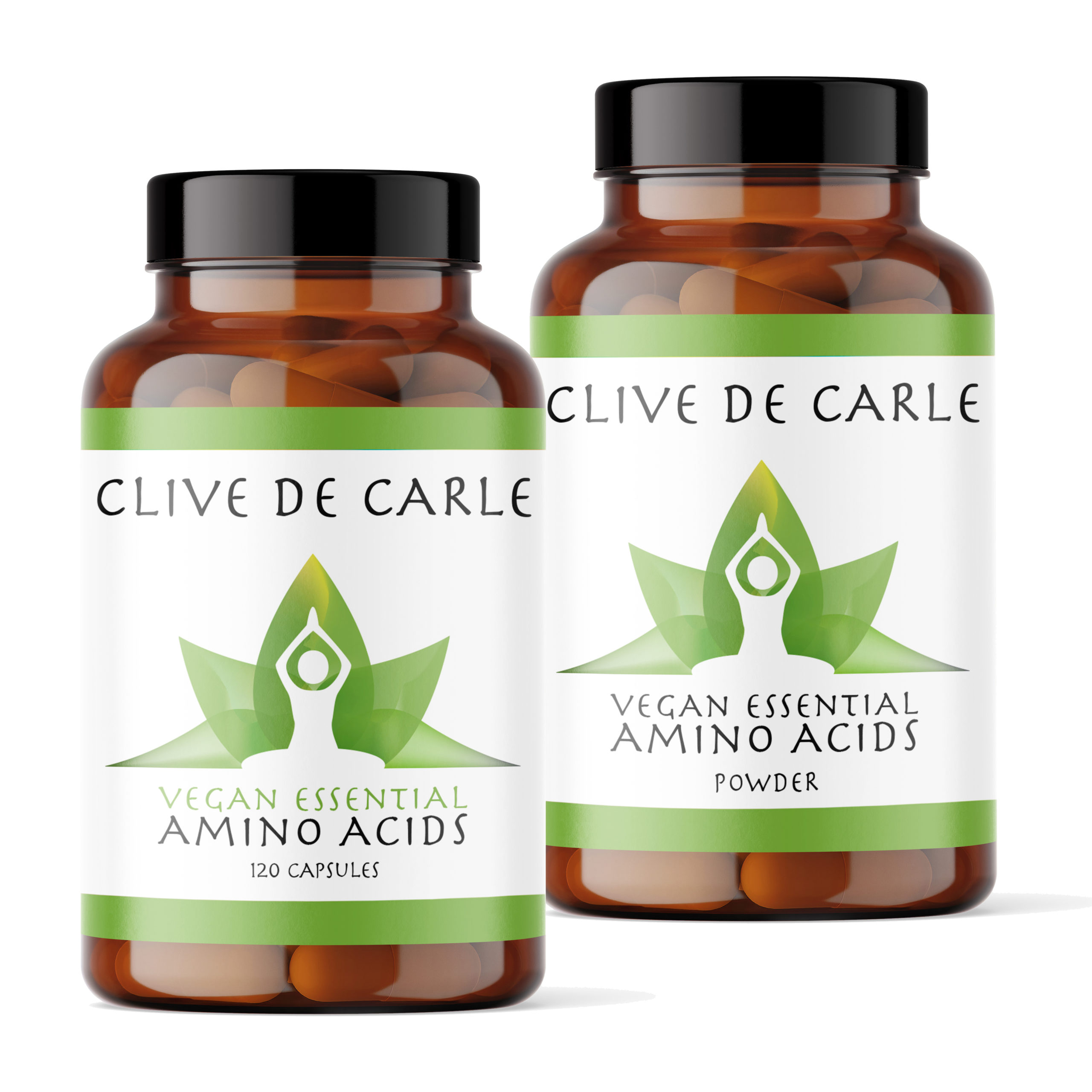
Vegan Essential Amino Acids – Plant-Powered Protein Building
INNERSTANDING may earn a commission on purchases made through these links. All products are selected based on rigorous educational relevance to our biological research.
RABBIT HOLE
Follow the biological thread deeper