All INNERSTANDIN content is for educational purposes only — not medical advice, diagnosis or treatment. Full Disclaimer →

    Biological overview of the Immune System system
    SYSTEM OVERVIEW // Immune System

    IMMUNE SYSTEM

    Your Body's Armed Forces. Know Your Defense.

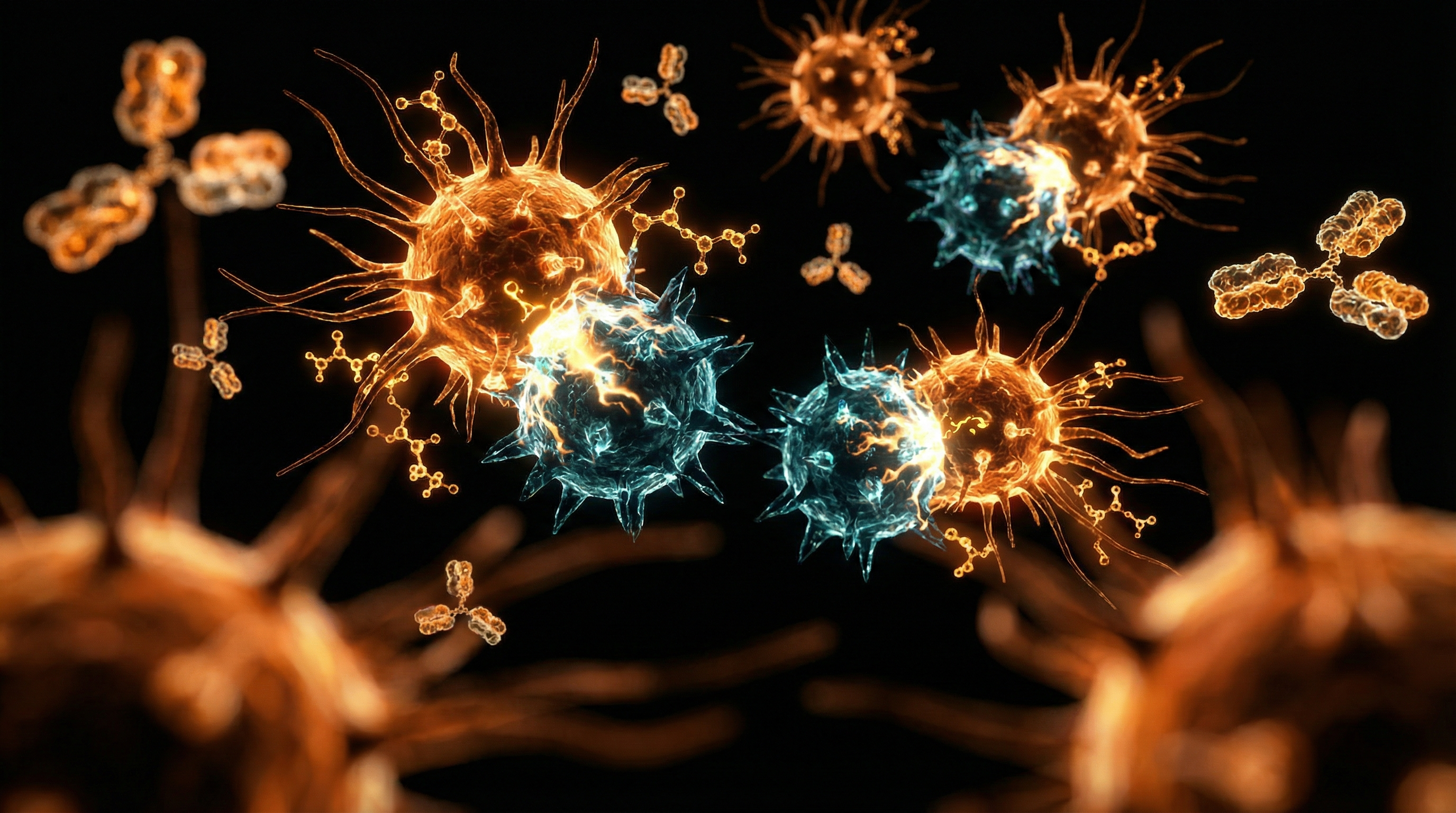
    The immune system is a sophisticated, multi-layered defense network. Innate immunity. Adaptive immunity. Inflammation. Autoimmunity. Understand the difference between a healthy immune response and one hijacked by chronic toxin exposure, poor nutrition, and environmental assault.

    2TImmune Cells in the Body
    1 BillionAntibodies Possible
    70%of Immune System in the Gut
    YOUR PROGRESS:
    0 / 35 TRANSMISSIONS READ
    0%

    LATEST RESEARCH

    In-depth analysis of biological systems and environmental factors.
    Browse Full Archive
    A
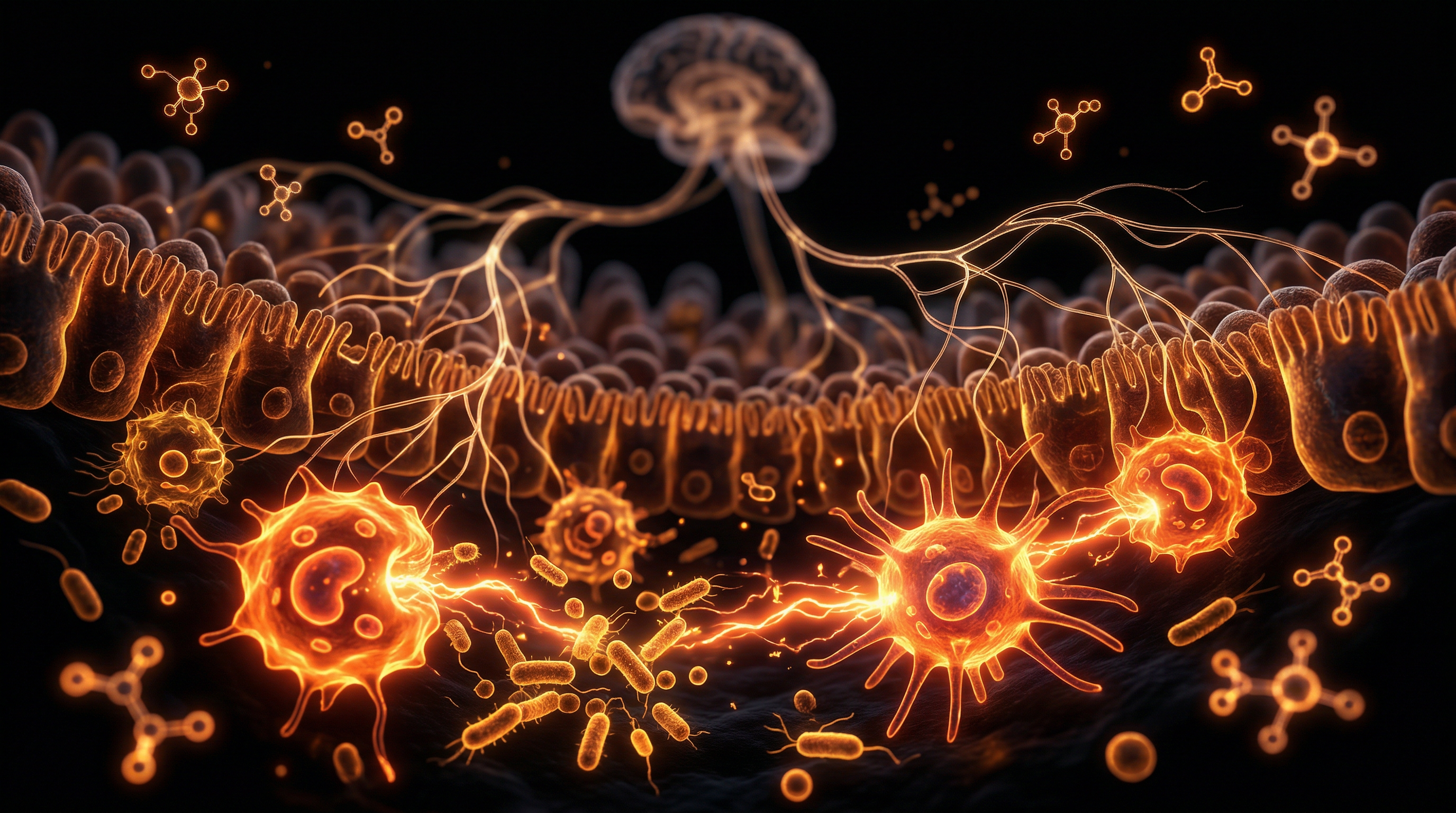
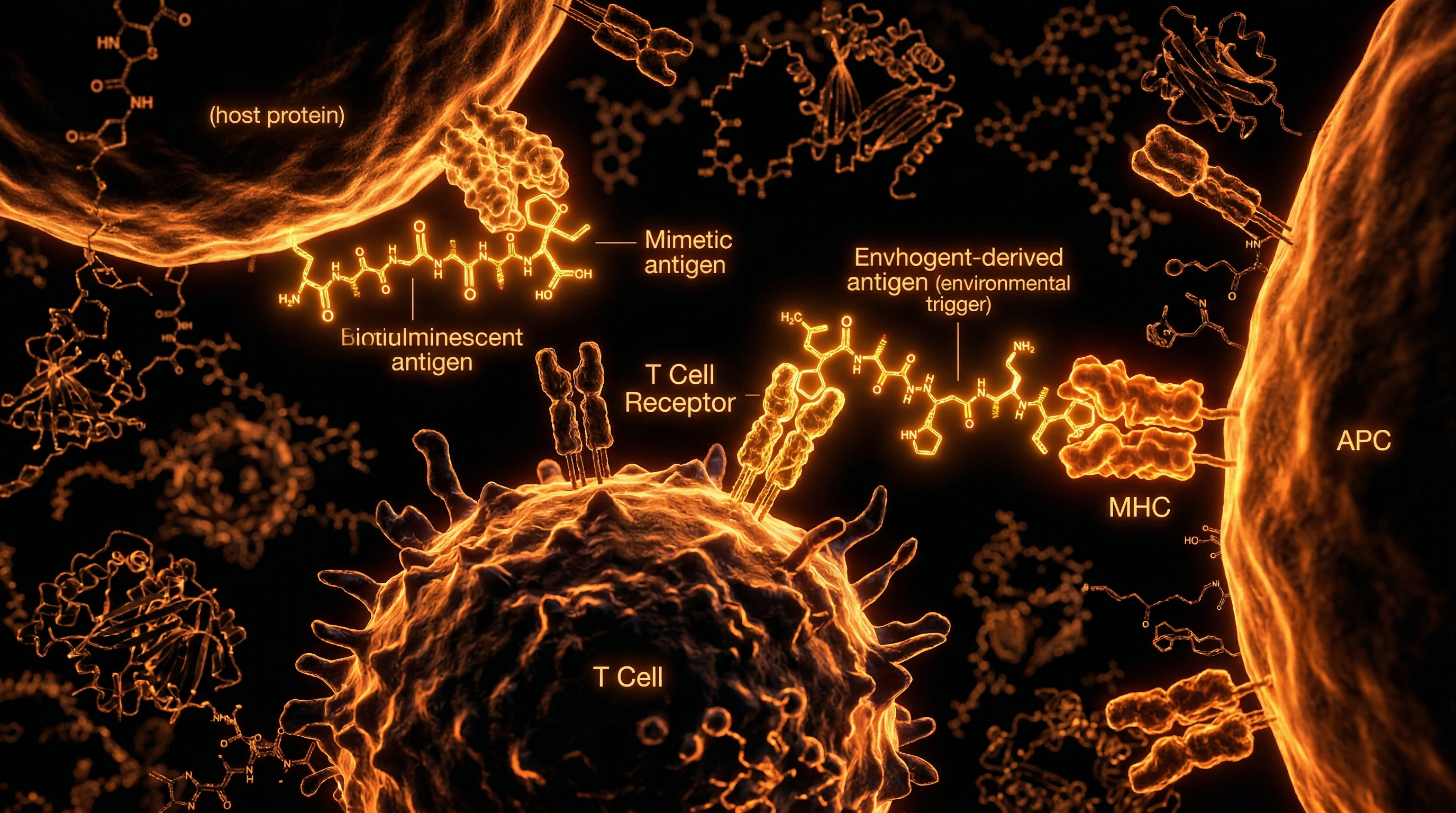
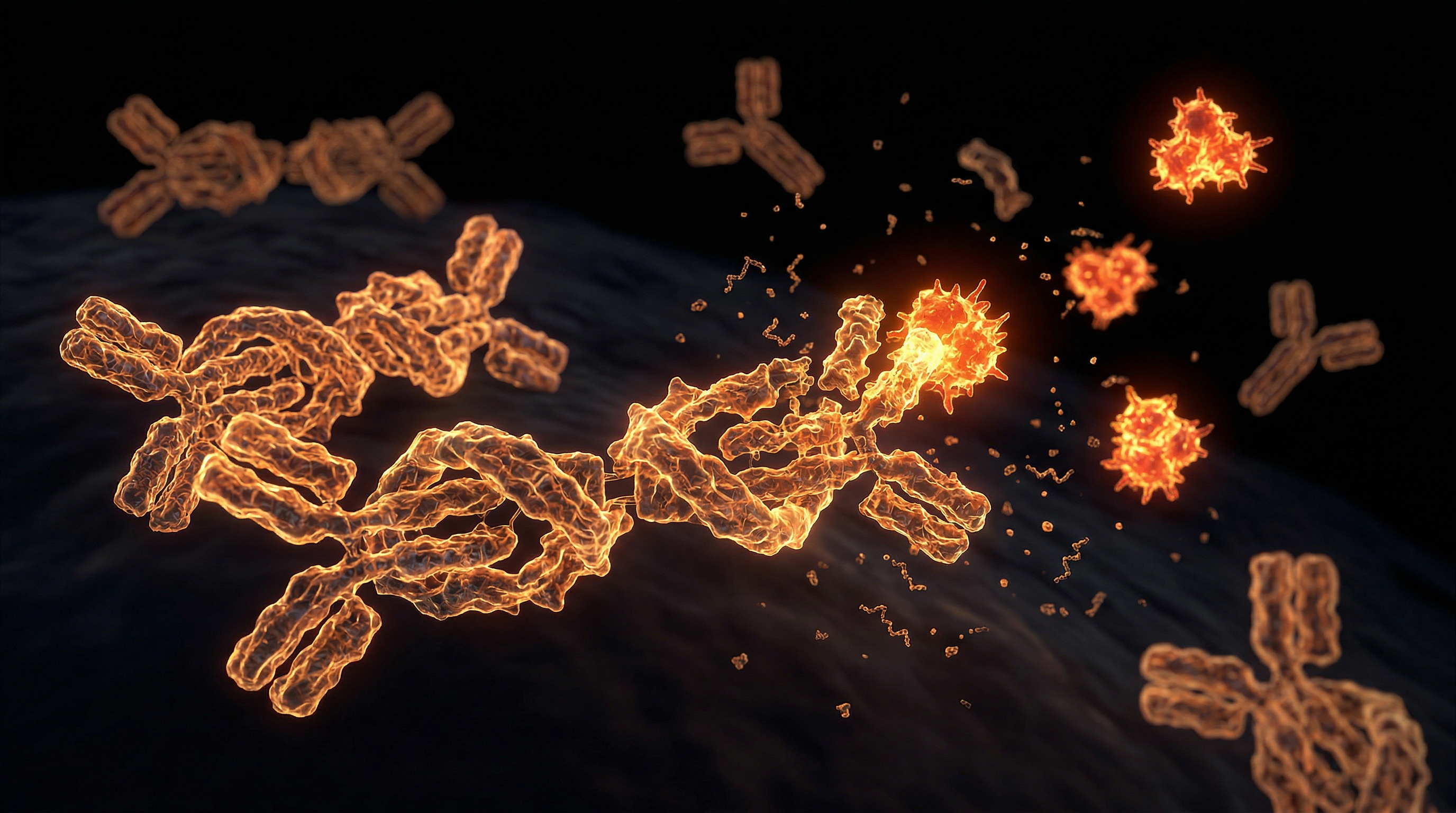
    Scientific illustration for Autoimmunity: When the Immune System Attacks the Body It Was Built to Protect
    Immune System
    14 MIN READ

    Autoimmunity: When the Immune System Attacks the Body It Was Built to Protect

    Autoimmune disease — a category encompassing over 80 distinct conditions in which the immune system generates antibodies and T-cell responses directed against the body's own tissues — now affects an estimated 4 million people in the UK, with incidence increasing at a rate that cannot be explained by genetic factors alone and demands an environmental explanation. The primary mechanisms by which environmental triggers convert a healthy immune system to an autoimmune one include molecular mimicry (where immune responses to microbial antigens cross-react with structurally similar self-proteins), bystander activation (where inflammation in one tissue non-specifically activates autoreactive lymphocytes), and epitope spreading (where tissue damage releases novel self-antigens that prime new autoreactive responses) — all of which are initiated and perpetuated by environmental toxins, chronic infections, gut permeability, and the adjuvant-like effects of heavy metals and other xenobiotics. The three-hit hypothesis — requiring genetic susceptibility, environmental trigger, and loss of tolerance — explains why autoimmunity cannot be reduced to genetics and why the environmental piece is both the cause and the therapeutic target.

    #autoimmunity#molecular mimicry
    S
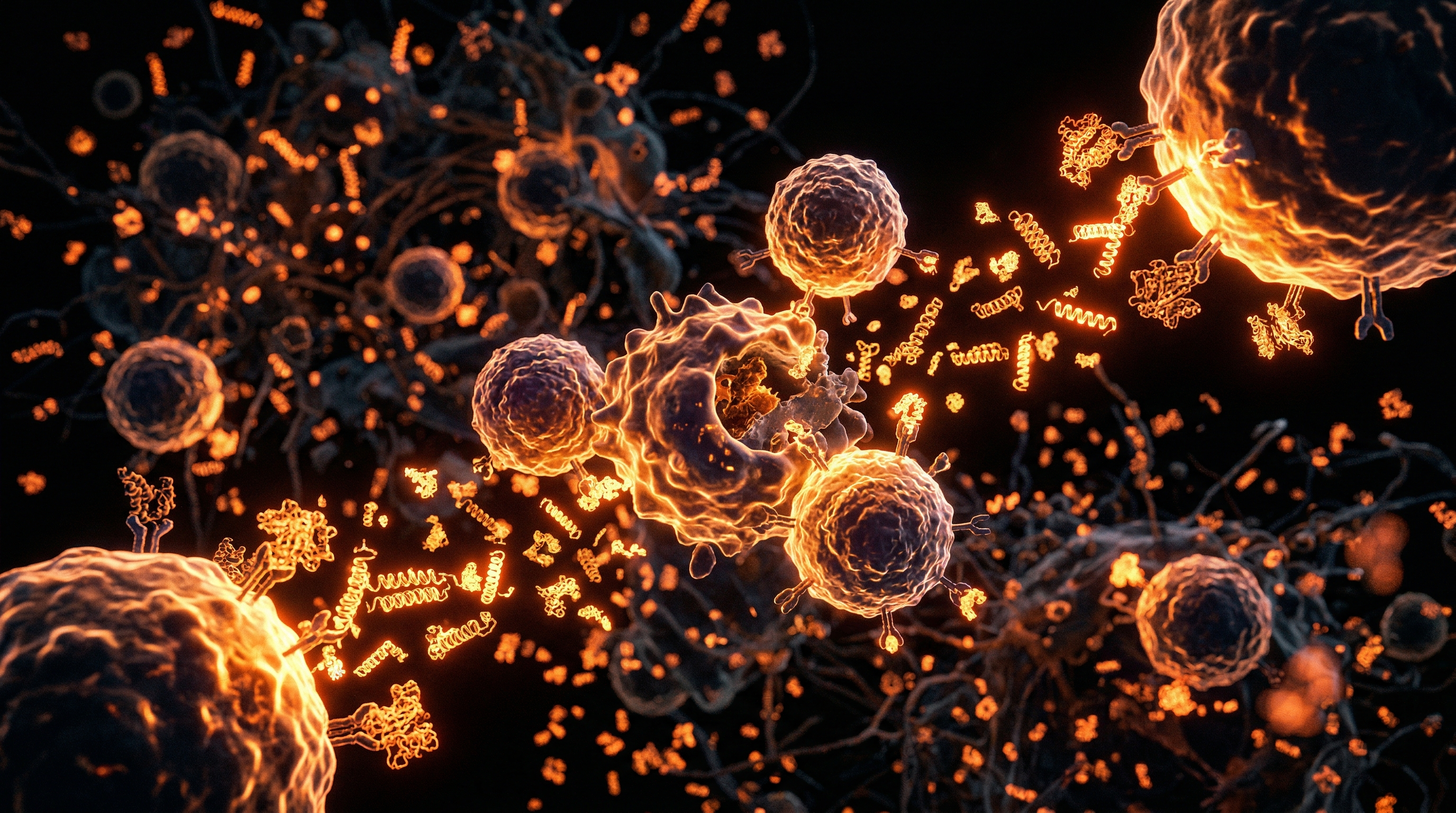
    Scientific illustration for Secretory IgA: The Mucosal Shield Being Systematically Dismantled
    Immune System
    14 MIN READ

    Secretory IgA: The Mucosal Shield Being Systematically Dismantled

    Secretory IgA (sIgA) — the most abundant immunoglobulin in the human body — is a dimeric antibody produced by plasma cells in the lamina propria of mucosal tissues and secreted in vast quantities into the gut lumen, respiratory tract, urogenital tract, breast milk, and saliva, where it serves as the primary non-inflammatory immune defence against pathogen colonisation, toxin absorption, and antigen translocation. Unlike IgG-mediated responses that rely on complement activation and phagocytosis, sIgA works through 'immune exclusion' — binding to pathogens, food antigens, and toxic compounds at the mucosal surface and preventing their adherence and translocation across the epithelial barrier without triggering the inflammatory cascade. Chronic psychological stress, malnutrition, sleep deprivation, and dysbiosis all suppress sIgA secretion — creating the mucosal vulnerability through which environmental toxins, undigested food proteins, and microbial products gain access to the systemic immune system, initiating the sensitisation and inflammatory responses that manifest as food intolerances, allergies, and autoimmune conditions.

    #secretory IgA#mucosal immunity
    C
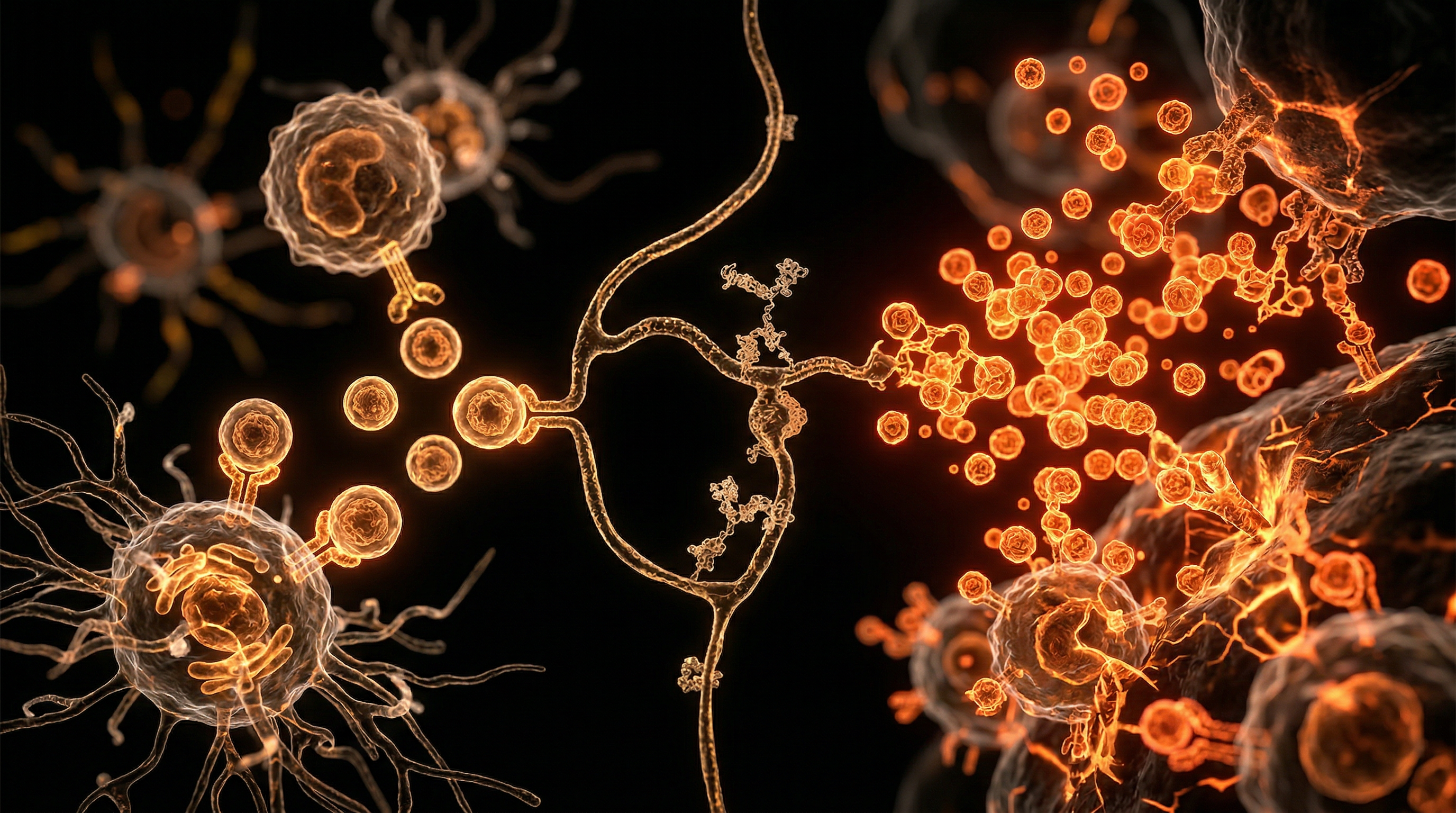
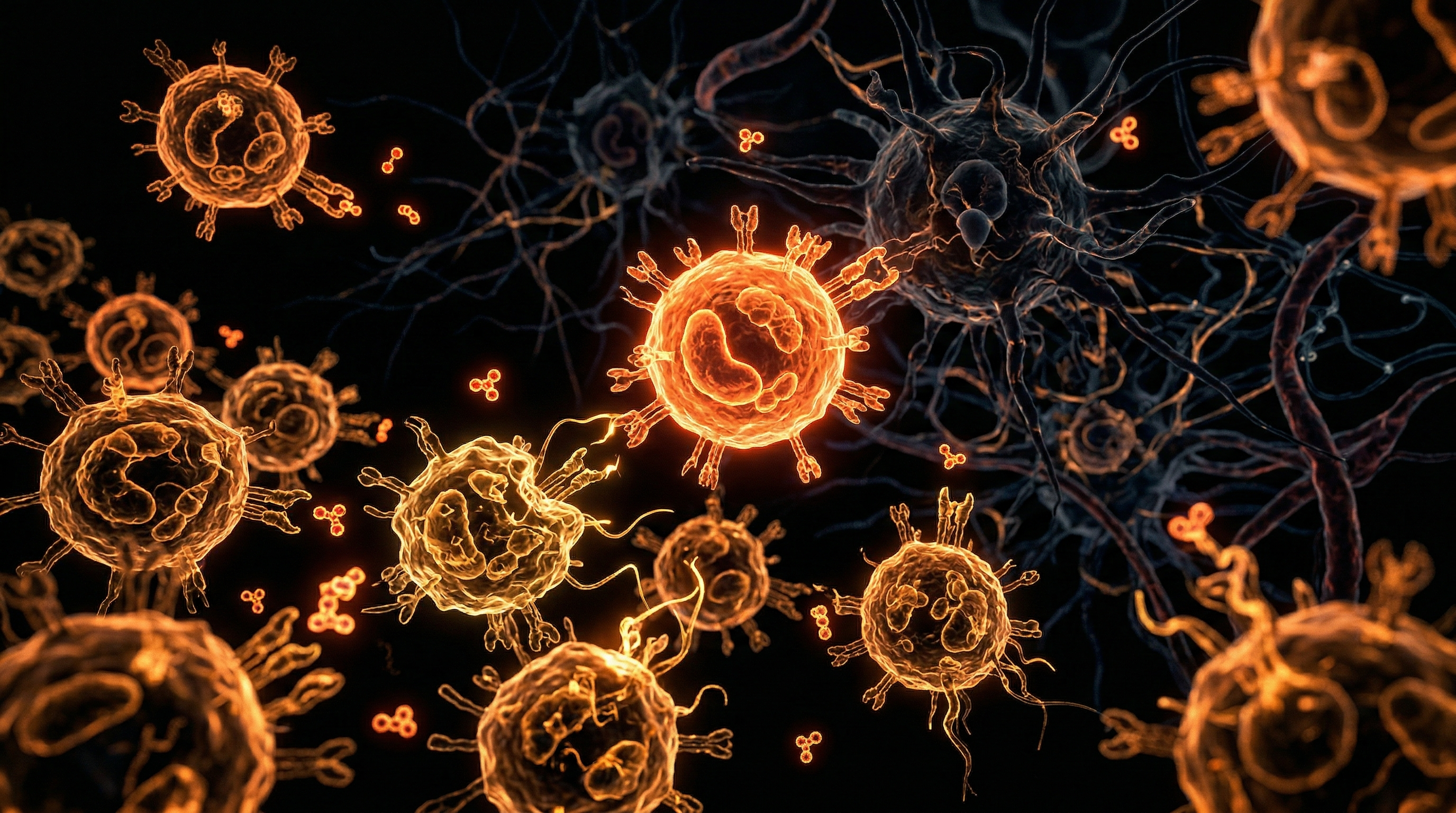
    Scientific illustration for Cytokines: The Chemical Messengers of Immune Warfare
    Immune System
    14 MIN READ

    Cytokines: The Chemical Messengers of Immune Warfare

    Cytokines — a diverse superfamily of small secreted proteins including interleukins, interferons, tumour necrosis factors, and chemokines — serve as the primary chemical communication network of the immune system, coordinating the activation, proliferation, differentiation, migration, and resolution of immune responses across both innate and adaptive immune compartments. The exquisitely balanced pro-inflammatory and anti-inflammatory cytokine networks that characterise a healthy immune response are systematically disrupted by environmental toxins: heavy metals including mercury and lead stimulate aberrant Th2-dominant responses; pesticides including organophosphates impair interferon-gamma production; lipopolysaccharide (LPS) from leaky gut triggers chronic low-grade TNF-alpha and IL-6 elevation; and EMF exposure has been shown to activate NF-kappaB — the master transcription factor governing inflammatory cytokine production. The resulting state of cytokine dysregulation — detectable as chronically elevated high-sensitivity CRP, IL-6, and TNF-alpha — is now recognised as the common thread linking virtually every chronic disease condition in the modern epidemic.

    #cytokines#interleukins
    N
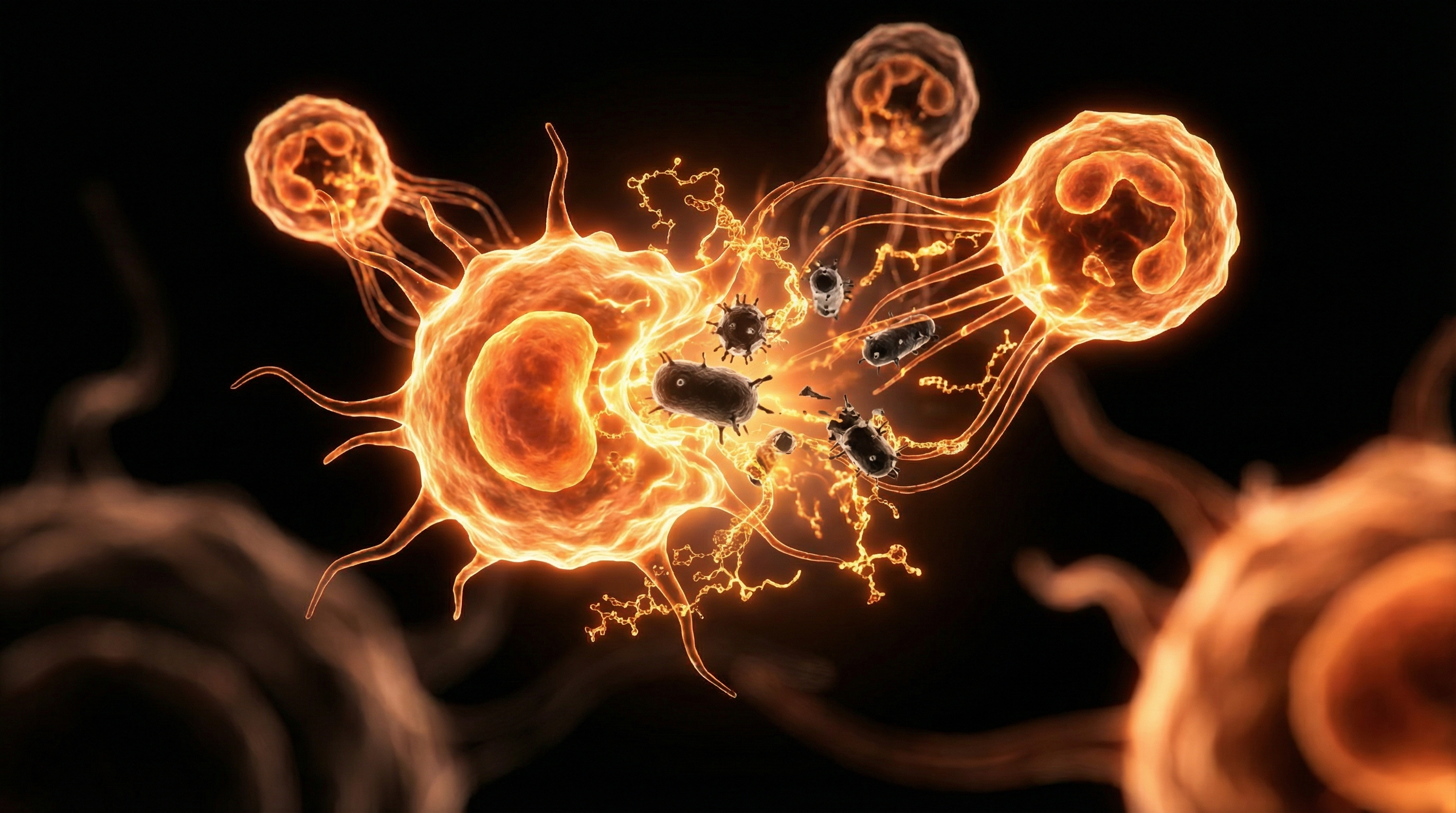
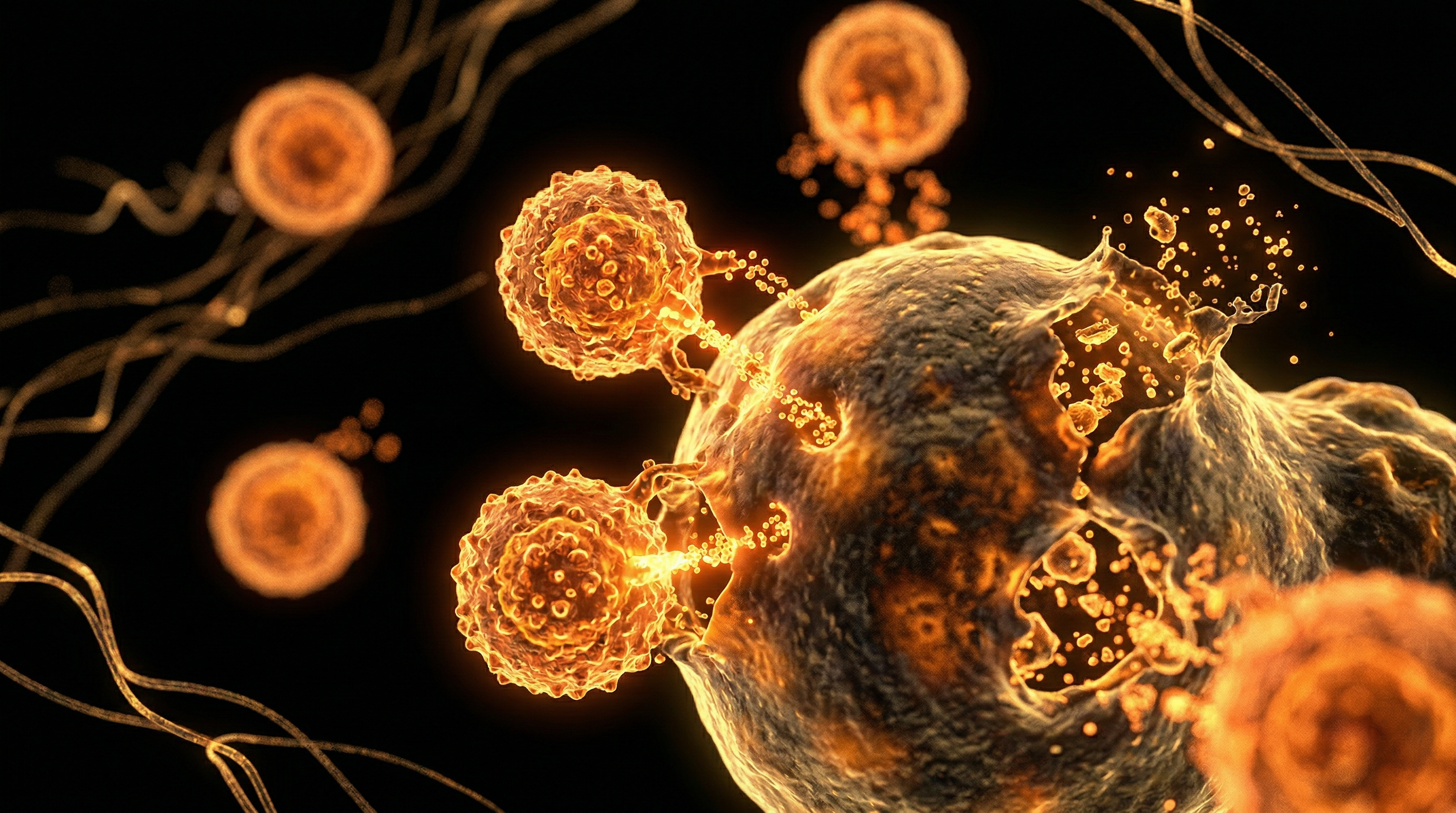
    Scientific illustration for Natural Killer Cells: The First Line of Cancer Defence
    Immune System
    16 MIN READ

    Natural Killer Cells: The First Line of Cancer Defence

    Natural Killer (NK) cells are innate immune lymphocytes that patrol the body in constant surveillance, identifying and eliminating cells that display markers of viral infection, cellular stress, or oncogenic transformation — serving as the immune system's first and most immediate line of defence against cancer and viral disease without requiring prior sensitisation or antigen-specific activation. NK cell cytotoxicity is regulated by a sophisticated balance of activating and inhibitory receptor signals: healthy cells express HLA class I molecules that engage inhibitory receptors and prevent NK attack, whilst virus-infected and tumour cells frequently downregulate HLA expression, losing the 'don't kill me' signal and becoming vulnerable to NK-mediated destruction via perforin-granzyme and Fas-ligand pathways. Environmental toxins — particularly organic pollutants, heavy metals, and ionising radiation — are well-documented NK cell suppressors, and chronic NK cell dysfunction is now correlated with cancer susceptibility, herpesvirus reactivation, and the chronic fatigue phenotype of post-viral illness.

    #NK cells#cancer surveillance
    N
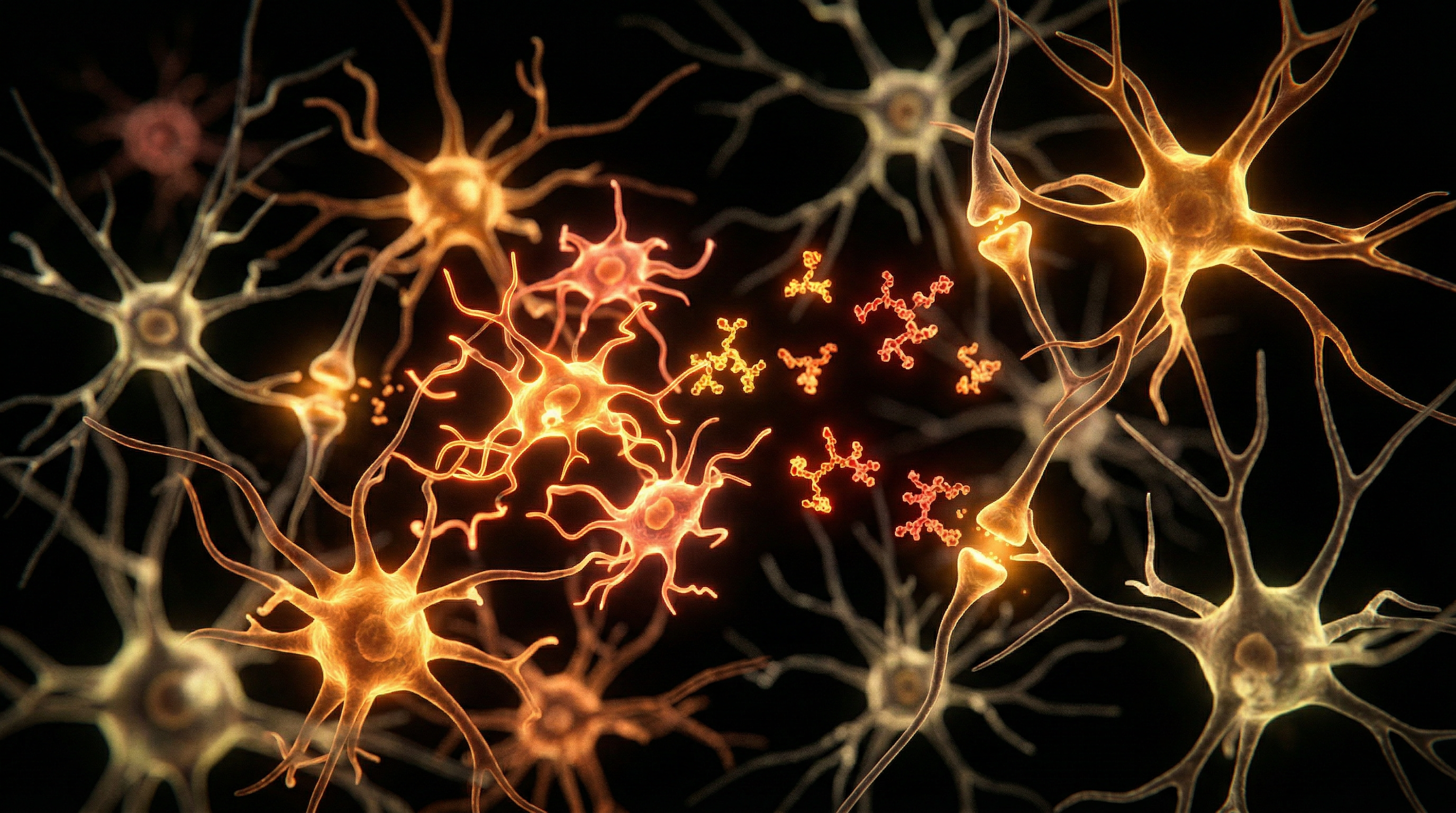
    Scientific illustration for Neuroinflammation: The Biological Root of Mental Illness
    Immune System
    12 MIN READ

    Neuroinflammation: The Biological Root of Mental Illness

    Neuroinflammation — the activation of the brain's resident immune cells, the microglia, in response to blood-brain barrier disruption, systemic inflammatory signals, heavy metal accumulation, viral or bacterial insult, or oxidative stress — is now recognised by leading neuroscientists as the primary biological driver of depression, anxiety disorders, bipolar disorder, schizophrenia, and the majority of conditions currently categorised as psychiatric illness. Pro-inflammatory cytokines including IL-1β, IL-6, and TNF-α cross the blood-brain barrier and directly inhibit tryptophan hydroxylase (reducing serotonin synthesis), disrupt dopamine signalling, and impair hippocampal neurogenesis — the biological mechanisms of the mood disorders for which the NHS prescribes SSRIs and antipsychotics without addressing the underlying inflammatory aetiology. This paradigm shift from chemical imbalance to immune-inflammatory models of mental illness has profound and largely unimplemented implications for psychiatry.

    #neuroinflammation#microglia
    L
    Scientific illustration for Leaky Gut & Autoimmunity: The Connection Medicine Won't Make
    Immune System
    13 MIN READ

    Leaky Gut & Autoimmunity: The Connection Medicine Won't Make

    Intestinal hyperpermeability — the pathological opening of the tight junction proteins claudin, occludin, and zonulin that seal the gaps between intestinal epithelial cells — allows partially digested dietary proteins, bacterial endotoxins (particularly lipopolysaccharide), and environmental chemicals to enter the systemic circulation and trigger the immune dysregulation that drives every autoimmune condition from multiple sclerosis to rheumatoid arthritis, Hashimoto's thyroiditis, and type 1 diabetes. The mechanisms of leaky gut are now well-established in the scientific literature — triggered primarily by glyphosate, dietary emulsifiers, non-steroidal anti-inflammatory drugs, alcohol, and chronic psychological stress — yet gastroenterology continues to diagnose and treat the downstream autoimmune consequences in isolation whilst ignoring the upstream intestinal lesion. Resolving intestinal permeability is the non-negotiable foundation of genuine autoimmune recovery.

    #leaky gut#intestinal permeability
    P
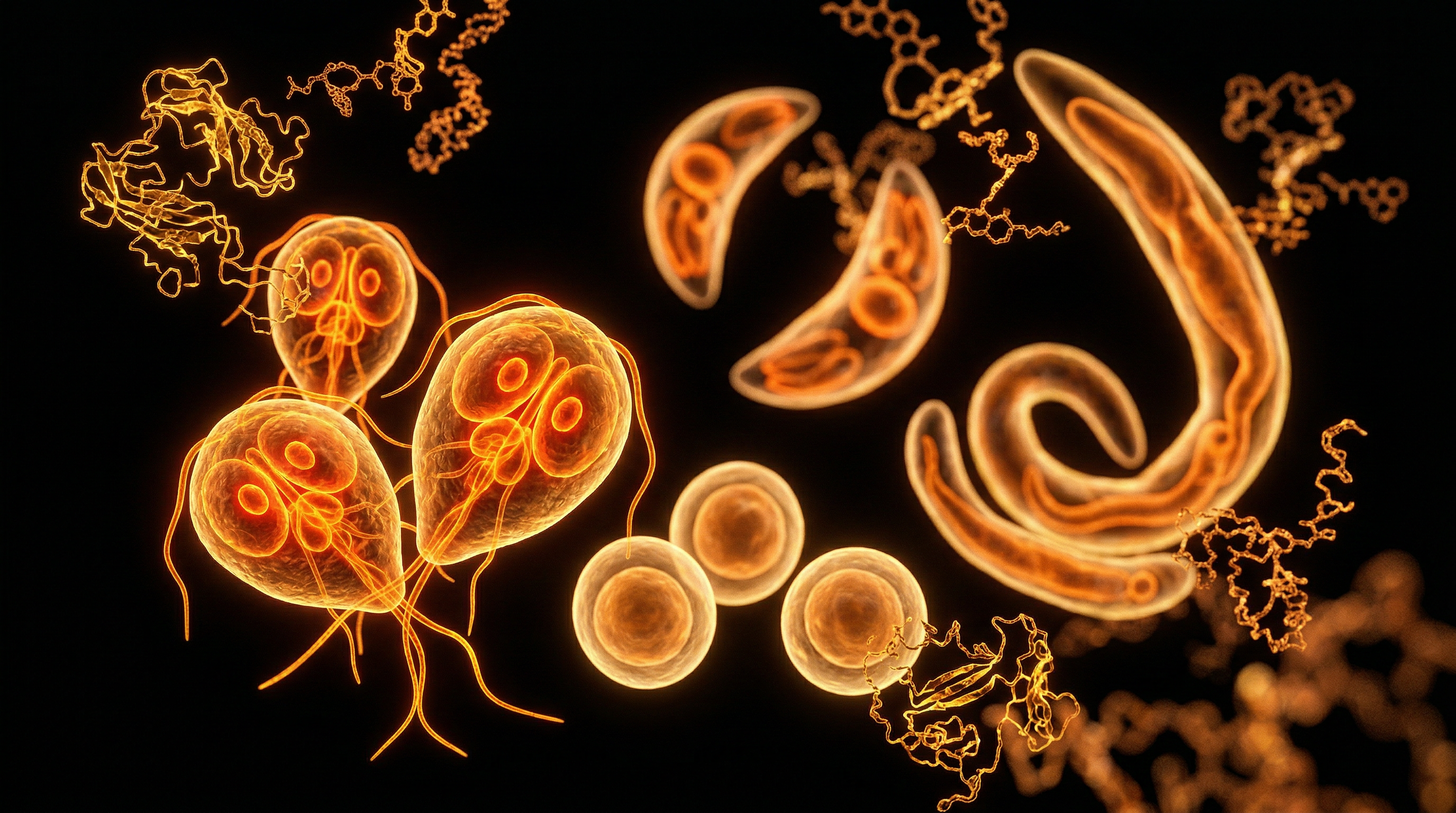
    Scientific illustration for Parasites: The Overlooked Epidemic in the UK Population
    Immune System
    14 MIN READ

    Parasites: The Overlooked Epidemic in the UK Population

    Parasitic infections — including helminths such as Toxocara, Strongyloides, and Ascaris; protozoa including Blastocystis hominis, Giardia lamblia, and Entamoeba histolytica; and intracellular organisms such as Toxoplasma gondii — are dramatically underdiagnosed in the UK population, where NHS testing is inadequate, practitioner awareness is minimal, and the global population's increasing mobility has created unprecedented exposure routes. These organisms actively suppress host immune function to ensure their survival, creating a state of chronic Th2 immune skewing that predisposes to allergic conditions, autoimmune disease, nutritional deficiency (through direct competition for nutrients and malabsorption), hormonal disruption, and the systemic inflammation that drives chronic fatigue and cognitive dysfunction. Comprehensive parasitological assessment through specialist stool analysis is one of the most clinically revealing investigations available to the health-seeking UK resident.

    #parasites#Blastocystis
    Z
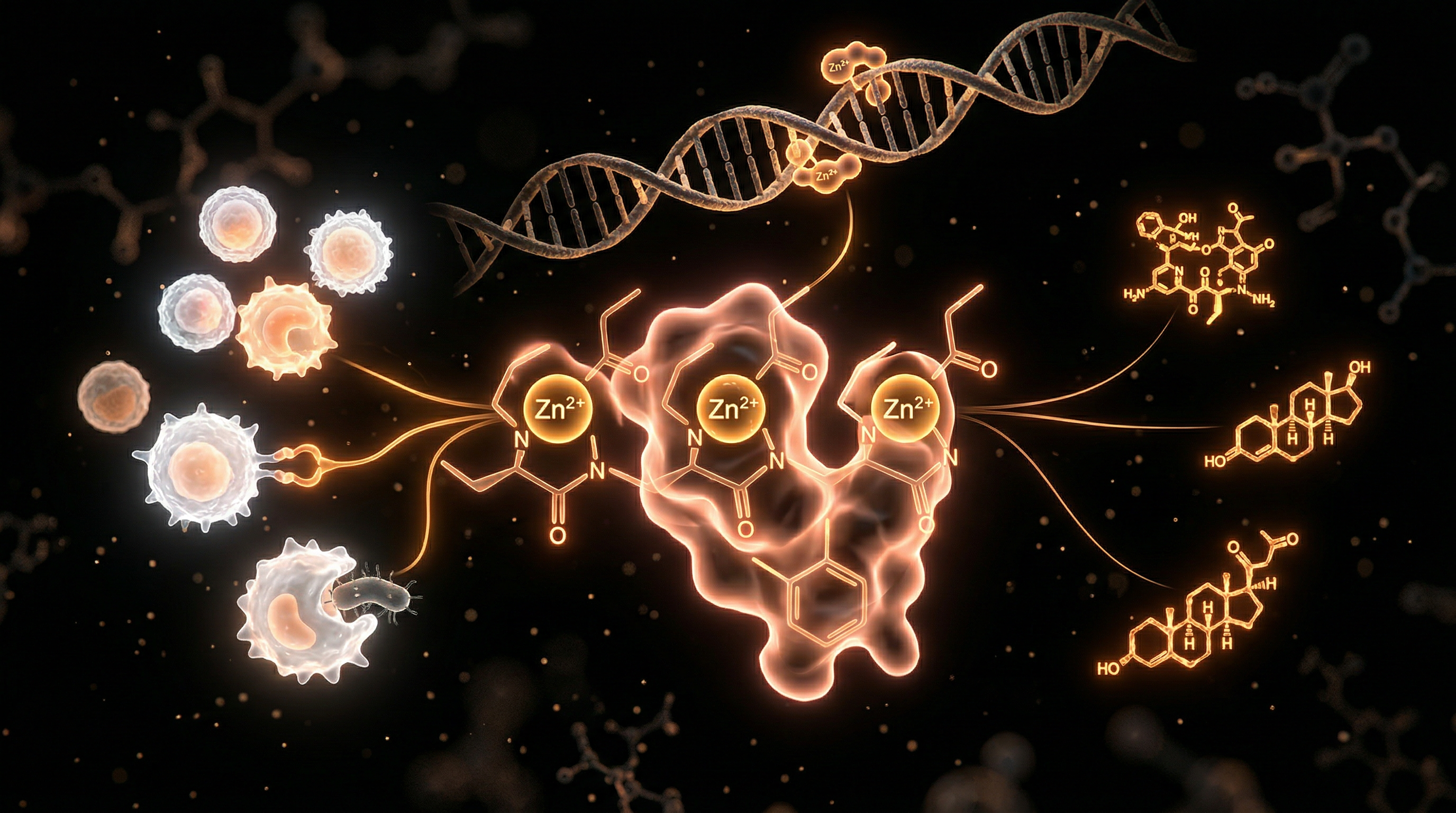
    Scientific illustration for Zinc: The Mineral Most Critical for Immunity, Repair, and Hormones
    Immune System
    14 MIN READ

    Zinc: The Mineral Most Critical for Immunity, Repair, and Hormones

    Zinc is a cofactor for over 300 enzymatic reactions and is required for the structural integrity of over 2,500 transcription factors — including p53, the most important tumour suppressor protein in the human genome — making it arguably the most functionally critical mineral in human biology. It is essential for T-cell maturation and NK cell function (immune surveillance), thymulin production (thymic hormone driving immune education), testosterone biosynthesis, insulin signalling, wound healing, DNA repair, and the function of taste and smell receptors whose loss is now recognised as a clinical sign of zinc deficiency. Soil zinc depletion in UK agricultural land, combined with the phytate content of cereal-heavy diets that blocks zinc absorption, has created widespread subclinical zinc deficiency that manifests as impaired immunity, reduced reproductive function, poor wound healing, and cognitive dysfunction that conventional medicine routinely fails to identify or treat.

    #zinc#immunity
    V
    Scientific illustration for Vitamin D: The Immune Regulator Britain Is Chronically Deficient In
    Immune System
    14 MIN READ

    Vitamin D: The Immune Regulator Britain Is Chronically Deficient In

    Vitamin D3 — technically a secosteroid hormone rather than a vitamin — is synthesised in the skin from 7-dehydrocholesterol upon UVB radiation exposure, converted to 25-hydroxyvitamin D in the liver, and then to the active 1,25-dihydroxyvitamin D (calcitriol) in the kidney and immune tissues, where it regulates the expression of over 2,000 genes involved in immune modulation, antimicrobial peptide production, calcium homeostasis, cancer suppression, and cardiovascular protection. An estimated 1 in 5 UK adults are deficient in vitamin D — a figure that rises dramatically in winter months and among darker-skinned individuals due to the UK's northern latitude and insufficient sunlight — creating widespread immune dysregulation, increased susceptibility to infection, elevated cancer risk, and the autoimmune conditions that optimal vitamin D status is documented to prevent. The UK government's recommendation of 400 IU daily is orders of magnitude below the therapeutic levels demonstrated in clinical research.

    #vitamin D#immune function
    I
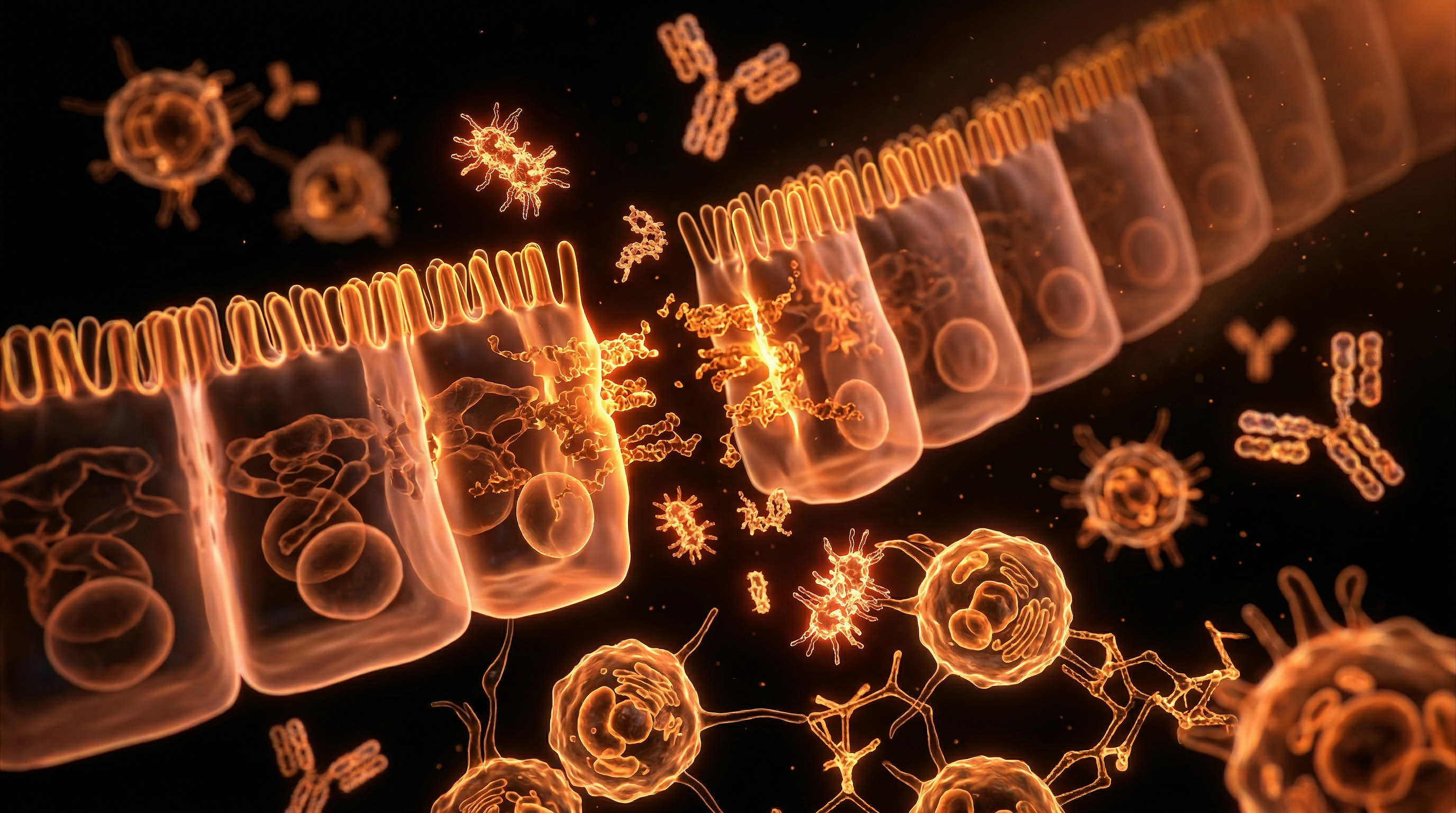
    Scientific illustration for The Immune-Gut Barrier: 70% of Your Defences Begin in the Intestine
    Immune System
    14 MIN READ

    The Immune-Gut Barrier: 70% of Your Defences Begin in the Intestine

    Approximately 70% of the body's immune cells — including intestinal intraepithelial lymphocytes, lamina propria B and T cells, Peyer's patches, and mesenteric lymph nodes collectively termed gut-associated lymphoid tissue (GALT) — reside in or adjacent to the intestinal wall, making the gut the body's primary site of immune education, tolerance induction, and pathogen surveillance. The integrity of this immune barrier is entirely dependent on the health of the intestinal epithelium, the diversity of the microbiome that trains mucosal immunity, and the production of secretory IgA — the first-line antibody defence against luminal antigens. Environmental perturbations including glyphosate-driven dysbiosis, NSAID-induced mucosal damage, and stress-mediated cortisol suppression of secretory IgA production all conspire to undermine the gut immune barrier, creating the systemic immune dysfunction that is the biological foundation of the modern allergy, autoimmunity, and infection susceptibility epidemic.

    #gut immunity#GALT
    Curated Recommendations

    THE ARSENAL

    Based on Immune System content — products curated by our research team for educational relevance and biological support.

    Energy Blend Supports
    Supplements
    CLIVE DE CARLE

    Energy Blend Supports

    Energy Metabolism Hormones
    Est. Price£45.00
    Magnesium Blend – The Most Important Mineral
    Supplements
    CLIVE DE CARLE

    Magnesium Blend – The Most Important Mineral

    Magnesium Nervous System Sleep
    Est. Price£45.00
    Magnesium L-Threonate
    Supplements
    CLIVE DE CARLE

    Magnesium L-Threonate

    Brain Health Nervous System Cognitive Function
    Est. Price£45.00

    INNERSTANDING may earn a commission on purchases made through these links. All products are selected based on rigorous educational relevance to our biological research.