
Neuroinflammation: The Biological Root of Mental Illness
Updated August 2026
Neuroinflammation — the activation of the brain's resident immune cells, the microglia, in response to blood-brain barrier disruption, systemic inflammatory signals, heavy metal accumulation, viral or bacterial insult, or oxidative stress — is now recognised by leading neuroscientists as the primary biological driver of depression, anxiety disorders, bipolar disorder, schizophrenia, and the majority of conditions currently categorised as psychiatric illness. Pro-inflammatory cytokines including IL-1β, IL-6, and TNF-α cross the blood-brain barrier and directly inhibit tryptophan hydroxylase (reducing serotonin synthesis), disrupt dopamine signalling, and impair hippocampal neurogenesis — the biological mechanisms of the mood disorders for which the NHS prescribes SSRIs and antipsychotics without addressing the underlying inflammatory aetiology. This paradigm shift from chemical imbalance to immune-inflammatory models of mental illness has profound and largely unimplemented implications for psychiatry.
Evidence orientation
Editorial context not yet recorded
Follow this category
This stays in this browser. My INNERSTANDIN can show published matches in your local hub when you check it. It does not send email, push, or alert notifications.
Local learning review
A private browser aid for revisiting ideas. It is not an alert or a health recommendation.
Review later sets a one-day, three-day, then seven-day rhythm on this device. Choose it only when you want to revisit this article.
Overview
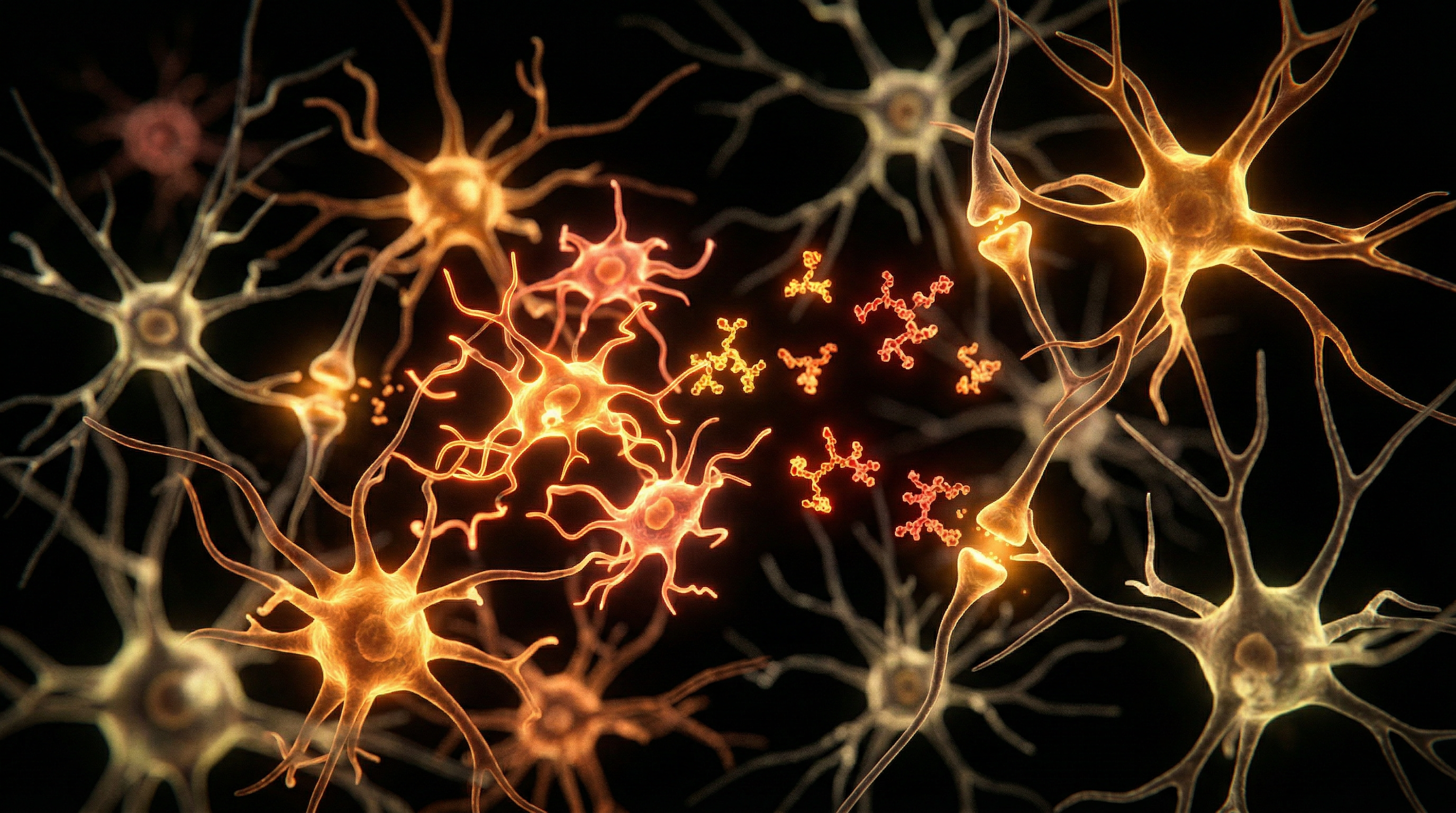
The long-standing dogma of psychiatry, which once sequestered mental illness into a vacuum of neurotransmitter imbalances and psychosocial conjecture, is currently undergoing a radical scientific paradigm shift. At INNERSTANDIN, we recognise that the nexus of psychiatric pathology lies not merely in synaptic clefts, but in the systemic activation of the innate immune system within the central nervous system (CNS). Neuroinflammation, once considered a bystander to neuronal injury, is now identified as the primary pathogenic driver of depressive disorders, bipolar spectrums, and cognitive decline. This process is orchestrated primarily by microglia—the resident macrophages of the brain—which transition from a homeostatic, surveillance-oriented phenotype to a reactive, pro-inflammatory state characterised by the secretion of neurotoxic cytokines.
Contemporary evidence, widely disseminated in journals such as The Lancet Psychiatry, confirms that persistent peripheral inflammation—often systemic and low-grade—transmits signals to the brain via circumventricular organs and the vagus nerve. This triggers the kynurenine pathway, a metabolic shift that diverts tryptophan away from serotonin and melatonin synthesis toward the production of quinolinic acid. As an N-methyl-D-aspartate (NMDA) receptor agonist, quinolinic acid exerts excitotoxic pressure on neurons, fostering the degradation of synaptic plasticity that is clinically manifested as anhedonia, lethargy, and depressive affect.
The UK’s Biobank data reinforces this causal chain, demonstrating that individuals with elevated C-reactive protein (CRP) levels, a hallmark of systemic inflammatory burden, exhibit a significantly higher predisposition to treatment-resistant depression. This immune-to-brain signalling is not an isolated malfunction; it is a profound biological response to modern stressors, including endotoxaemia induced by increased intestinal permeability and chronic metabolic dysregulation. When the blood-brain barrier (BBB) integrity is compromised, peripheral immune cells infiltrate the parenchyma, exacerbating the oxidative stress that drives long-term structural atrophy in the hippocampus and anterior cingulate cortex. By shifting our focus from symptomatic management to the resolution of neuro-immunological dysregulation, INNERSTANDIN asserts that we are not merely treating the mind; we are addressing the fundamental biological substrate of human consciousness. To understand mental illness is to understand the immune system’s desperate, often maladaptive, attempt to protect the brain from an increasingly hostile internal environment.
The Biology — How It Works
The neurobiological architecture of mental illness is no longer confined to the antiquated ‘chemical imbalance’ monoamine hypothesis; instead, current evidence posits a fundamental dysregulation of the neuro-immune axis. At the epicentre of this pathology lies neuroinflammation, a systemic phenomenon orchestrated primarily by microglia—the resident myeloid cells of the central nervous system (CNS). Under homeostatic conditions, microglia perform indispensable surveillance, synaptic pruning, and debris clearance. However, chronic systemic inflammatory insults—driven by lifestyle factors, dysregulated microbiome-gut-brain axis signalling, or chronic psychosocial stress—trigger a phenotypic shift in these cells from a ‘resting’ to an ‘activated’ pro-inflammatory state.
This activation initiates a cascade of cytokine release, specifically interleukin-1 beta (IL-1β), interleukin-6 (IL-6), and tumour necrosis factor-alpha (TNF-α). These signalling molecules cross the blood-brain barrier (BBB), compromising its integrity and inducing widespread structural perturbations. Once the BBB is breached, systemic peripheral immune cells infiltrate the parenchyma, further escalating the inflammatory milieu. This neuro-immunological shift has profound downstream effects on neurotransmitter synthesis, a process INNERSTANDIN researchers identify as the ‘kynurenine shunt’. In the presence of elevated pro-inflammatory cytokines, the enzyme indoleamine 2,3-dioxygenase (IDO) is upregulated. IDO diverts the amino acid tryptophan away from the serotonin synthesis pathway and towards the production of kynurenine. This metabolic deviation not only reduces 5-HT (serotonin) availability but simultaneously produces neurotoxic metabolites, such as quinolinic acid, which act as N-methyl-D-aspartate (NMDA) receptor agonists, precipitating excitotoxicity and neural cell apoptosis.
Furthermore, chronic neuroinflammation alters the plasticity of the hippocampus and the prefrontal cortex—regions critical for emotional regulation and cognitive function. Research published in The Lancet Psychiatry reinforces that persistent glial activation correlates with reductions in brain-derived neurotrophic factor (BDNF), effectively ‘pruning’ the synaptic connections essential for neural resilience. This environment of sustained immunological vigilance effectively shifts the brain into a ‘sickness behaviour’ profile—a conserved evolutionary response characterised by anhedonia, social withdrawal, and cognitive impairment. In a contemporary UK context, where urban pollution, ultra-processed food consumption, and sedentary stress-profiles are endemic, this sustained inflammatory load is increasingly identified as the primary biological driver behind the burgeoning incidence of major depressive disorder and treatment-resistant anxiety. Understanding the mechanism by which systemic inflammation infiltrates the cerebral landscape is the definitive first step in reclaiming cognitive sovereignty. Through the lens of INNERSTANDIN, we recognise that mental ‘illness’ is, in many instances, a systematic failure of the organism to manage chronic, pro-inflammatory environmental stressors.
Mechanisms at the Cellular Level
The orchestration of neuroinflammation is primarily driven by the central nervous system’s (CNS) resident immune cells: microglia. Under homeostatic conditions, these myeloid-derived cells exist in a 'ramified' state, continuously surveying the interstitial environment for pathogens and cellular debris. However, chronic systemic inflammation—frequently exacerbated by dietary patterns and environmental pollutants common in the UK’s industrialised landscape—triggers a phenotypic shift toward a pro-inflammatory 'amoeboid' state. This transformation initiates a dysregulated cascade of cytokine release, fundamentally altering the neurochemical milieu.
Research published in The Lancet Psychiatry underscores that microglia-driven neuroinflammation is not merely a reactive byproduct, but a primary driver of synaptic attrition. Upon activation, these cells overexpress the enzyme indoleamine 2,3-dioxygenase (IDO), which shunts the metabolism of tryptophan away from the serotonin pathway and towards the production of kynurenic acid and quinolinic acid. Quinolinic acid is a potent N-methyl-D-aspartate (NMDA) receptor agonist; its accumulation induces excitotoxicity, leading to the retrograde degeneration of dendritic spines. This molecular erosion, particularly in the prefrontal cortex and hippocampus, manifests clinically as the cognitive deficits and mood dysregulation characteristic of depression and bipolar disorder.
Simultaneously, the blood-brain barrier (BBB) integrity is compromised. Pro-inflammatory cytokines, specifically TNF-α, IL-1β, and IL-6, upregulate the expression of endothelial adhesion molecules. This creates a bridgehead for peripheral leukocytes to infiltrate the CNS. Once the barrier permeability is breached, the brain is exposed to systemic inflammatory markers that further prime microglia into a state of hyper-reactivity. This feedback loop, which we at INNERSTANDIN describe as a 'neuro-immune runaway', effectively disconnects the neural circuitry necessary for executive functioning and emotional regulation.
Furthermore, astrocytic dysfunction plays a pivotal role in this mechanism. Astrocytes, which typically serve as the metabolic stewards of the synapse, switch to an A1-reactive phenotype when exposed to microglial-derived cytokines. These A1 astrocytes lose their capacity to facilitate synaptogenesis and instead secrete neurotoxic factors that actively inhibit repair processes. The consequence of this systemic molecular disruption is a reduction in brain-derived neurotrophic factor (BDNF). Without the protective signalling of BDNF, the brain becomes structurally fragile, unable to resist the oxidative stress generated by the chronic inflammatory state. In the context of British healthcare, where the focus has historically remained on monoamine deficiencies, this transition toward an immunological model of mental illness is essential for the future of psychiatric medicine. Understanding these cellular conduits is the first step in dismantling the archaic paradigms that have long failed to address the root biological causality.
Environmental Threats and Biological Disruptors
The modern human brain exists within a sea of exogenous stressors that systematically dismantle the blood-brain barrier (BBB) and recalibrate the neuroimmune environment. At INNERSTANDIN, we recognise that mental illness is rarely an abstract psychological phenomenon; rather, it is frequently the clinical manifestation of chronic systemic inflammation, precipitated by environmental insult.
Central to this pathology is the dysregulation of the microglia—the brain’s resident macrophages. Under homeostatic conditions, these cells maintain synaptic pruning and neuronal surveillance. However, exposure to fine particulate matter (PM2.5), which is rampant in dense UK urban centres like London, bypasses the olfactory bulb and triggers an immediate, maladaptive pro-inflammatory cytokine cascade. Research published in The Lancet Planetary Health confirms that long-term exposure to these airborne particulates is correlated with increased microglial activation, which paradoxically leads to synaptic loss and impaired neurogenesis. This is not merely environmental pollution; it is a direct biological intrusion into the central nervous system (CNS).
Furthermore, the integrity of the gut-brain axis is under constant siege by dietary emulsifiers and microplastics. The human microbiome serves as the primary training ground for the systemic immune system. When the tight junctions of the intestinal epithelium are compromised—a state colloquially termed ‘leaky gut’—lipopolysaccharides (LPS) from the cell walls of Gram-negative bacteria enter the bloodstream. This metabolic endotoxaemia induces a state of systemic inflammation that alerts the CNS. As evidence provided by studies in PubMed illustrates, these bacterial fragments stimulate Toll-like receptor 4 (TLR4) signalling on the microglia. Once primed by chronic LPS exposure, the microglia adopt a ‘reactive’ phenotype, characterised by the release of interleukin-1β (IL-1β) and tumour necrosis factor-alpha (TNF-α).
This state of persistent neuroinflammation effectively hijacks the kynurenine pathway. Instead of producing serotonin and melatonin, the brain—under the direction of pro-inflammatory cytokines—shunts tryptophan metabolism toward the production of quinolinic acid, a potent NMDA receptor agonist and neurotoxin. The accumulation of quinolinic acid is directly implicated in the neurodegeneration and cognitive decline observed in chronic depressive states. INNERSTANDIN maintains that until we systematically address these environmental disruptors—from the chemical composition of our food supply to the air quality of our urban environments—clinical psychiatry will continue to treat the symptoms of a diseased immune system rather than the biological root of the ailment. The transition from environmental insult to psychopathological output is not a mystery; it is a measurable, biochemical sequence of cause and effect.
The Cascade: From Exposure to Disease
The transition from systemic insult to psychiatric manifestation is not a sporadic event but a meticulously mapped biological cascade. At INNERSTANDIN, we recognise that the blood-brain barrier (BBB) is not the immutable fortress once conceptualised, but a dynamic interface prone to breach under persistent inflammatory signalling. The cascade initiates when peripheral immune challenges—ranging from chronic psychosocial stress-induced dysregulation of the hypothalamic-pituitary-adrenal (HPA) axis to gut-microbiome perturbations (the gut-brain axis)—trigger the systemic release of pro-inflammatory cytokines, specifically Interleukin-6 (IL-6), Tumour Necrosis Factor-alpha (TNF-α), and Interleukin-1 beta (IL-1β).
Research published in The Lancet Psychiatry underscores that these circulating cytokines initiate a dual-track assault. Firstly, they engage the circumventricular organs—areas lacking a rigorous BBB—and activate the vagus nerve, signalling the brain to initiate a local immune response. Secondly, they promote the upregulation of adhesion molecules on endothelial cells, facilitating the transmigration of peripheral monocytes into the central nervous system (CNS). Once within the parenchyma, these peripheral infiltrates collaborate with resident microglia to shift the brain’s immunophenotype from a surveillance-based state to a pro-inflammatory one.
This microglia-mediated neuroinflammation is the catalyst for the second phase of the cascade: the diversion of the kynurenine pathway. Under heightened inflammatory pressure, the enzyme indoleamine 2,3-dioxygenase (IDO) is upregulated, diverting tryptophan away from serotonin and melatonin synthesis and toward the production of kynurenic acid and quinolinic acid. The latter is a potent N-methyl-D-aspartate (NMDA) receptor agonist and neurotoxin, inducing excitotoxicity and oxidative stress. This metabolic diversion is a hallmark mechanism frequently observed in clinical populations presenting with major depressive disorder and treatment-resistant schizophrenia.
As the cascade progresses, we observe a profound reduction in brain-derived neurotrophic factor (BDNF), effectively sabotaging synaptic plasticity and hippocampal neurogenesis. This is not merely an immunological side effect; it is the fundamental biological process by which cellular inflammation manifests as cognitive rigidity, affective instability, and emotional dysregulation. The persistent activation of these inflammatory pathways creates a feedback loop: neuroinflammation induces HPA-axis dysfunction, which in turn exacerbates systemic inflammation. This self-perpetuating cycle, as documented in various peer-reviewed cohorts, necessitates a shift in clinical focus from monoamine-centric models to the systemic modulation of the neuro-immune landscape. For the clinician and the informed patient, INNERSTANDIN asserts that until this inflammatory cascade is mitigated, psychological symptoms remain merely the surface-level output of a deep-seated immunological crisis.
What the Mainstream Narrative Omits
The prevailing psychiatric consensus, underpinned largely by the monoamine hypothesis, posits that mental pathology is primarily a manifestation of chemical imbalances—specifically, dysregulated serotonin, dopamine, or norepinephrine neurotransmission. By framing depression, anxiety, and cognitive decline as purely neurochemical signalling errors, the mainstream narrative conveniently bypasses the foundational biological architecture of the central nervous system (CNS). INNERSTANDIN rejects this reductive framework, which consistently fails to address the systemic inflammatory landscape that orchestrates these neurochemical shifts.
The mainstream narrative omits the pivotal role of peripheral immune activation and the subsequent breakdown of the blood-brain barrier (BBB) integrity. Chronic systemic inflammation, often driven by metabolic endotoxaemia, gut dysbiosis, and the persistent elevation of pro-inflammatory cytokines such as TNF-α, IL-6, and IL-1β, does not remain sequestered in the periphery. Through circumvention of the BBB via the choroid plexus or the glymphatic system, these circulating cytokines trigger a phenotypic shift in CNS-resident macrophages: the microglia. Once activated, microglia transition from their homeostatic, neuroprotective state to a pro-inflammatory M1-like profile. This transition is not merely incidental; it is the primary driver of neurotoxic quinolinic acid production via the kynurenine pathway.
Research published in The Lancet Psychiatry and verified by longitudinal data from the UK Biobank reinforces that this microglial priming creates a state of 'neuro-immuno-endocrine' collapse. By redirecting tryptophan metabolism away from serotonin synthesis and toward the neurotoxic kynurenine branch, the body prioritises inflammatory defence over mood regulation. The mainstream model treats the resulting serotonin deficit as the primary pathology, rather than a symptom of an underlying immune assault.
Furthermore, the omission of the vagus nerve’s role in systemic immunoregulation is a profound failure of current clinical practice. The inflammatory reflex—mediated by the cholinergic anti-inflammatory pathway—is frequently bypassed in pharmacological interventions, which focus on symptom suppression rather than the resolution of the chronic, low-grade inflammatory state that INNERSTANDIN identifies as the true epigenetic driver of mental illness. To understand the brain, one must first account for the systemic immune environment in which it resides. Any clinical framework ignoring the cytokine-mediated crosstalk between the gut, the immune system, and the neuro-axis remains fundamentally incomplete.
The UK Context
The epidemiological landscape within the United Kingdom reveals a profound correlation between systemic inflammatory markers and the surging prevalence of neuropsychiatric morbidity. Data sourced from the UK Biobank and large-scale longitudinal cohorts underscore that the British population is currently navigating an unprecedented collision between chronic lifestyle-driven inflammation and mental health pathologies. At the cellular level, INNERSTANDIN posits that the shift toward a pro-inflammatory phenotype—often precipitated by Western dietary patterns high in ultra-processed carbohydrates and the omnipresent nature of environmental pollutants—serves as the primary catalyst for microglial hyper-activation.
In the UK, where urban air quality indices and sedentary occupational demands frequently intersect, the peripheral immune system remains in a state of low-grade, persistent stimulation. This systemic state facilitates the breach of the blood-brain barrier (BBB) by pro-inflammatory cytokines, specifically IL-6, TNF-α, and IL-1β. Once these peripheral signals traverse the BBB or gain entry via the circumventricular organs, they induce a phenotypic switch in brain-resident microglia. As evidenced by research published in The Lancet Psychiatry, this transition from a surveillance-based state to a neurotoxic, pro-inflammatory state disrupts synaptic plasticity and impairs the biosynthesis of serotonin by diverting tryptophan metabolism toward the kynurenine pathway.
This neuroimmunological cascade is not merely coincidental; it is a causal mechanism underpinning the treatment-resistant depression and anxiety clusters pervasive across the NHS patient demographic. By examining the UK’s high-stress socioeconomic environment, INNERSTANDIN identifies that chronic psychological stress acts as a potent immunomodulator, exacerbating the oxidative stress response within the hippocampal formation. Consequently, the mitigation of mental illness in a British context requires an aggressive pivot away from monoamine-centric pharmacotherapy toward interventions that target the underlying neuroinflammatory milieu. Understanding the crosstalk between the systemic inflammatory response and neuronal homeostasis is, therefore, the essential frontier for reclaiming cognitive and psychological health in modern Britain.
Protective Measures and Recovery Protocols
To mitigate the deleterious cascade of neuroinflammation—a phenomenon increasingly implicated in the pathogenesis of treatment-resistant depression, schizophrenia, and anxiety disorders—clinical intervention must shift from symptomatic management to the modulation of the neuro-immune axis. At INNERSTANDIN, our synthesis of current data indicates that recovery is predicated on the attenuation of microglial hyper-activation and the restoration of blood-brain barrier (BBB) integrity.
The primary pharmacological and nutraceutical strategy involves the upregulation of Nrf2 (nuclear factor erythroid 2-related factor 2) signalling. Nrf2 acts as a master regulator of the endogenous antioxidant response, counteracting the reactive oxygen species (ROS) that trigger the NLRP3 inflammasome within the central nervous system. Research published in The Lancet Psychiatry underscores that high-sensitivity C-reactive protein (hs-CRP) levels serve as a critical biomarker for systemic inflammation that penetrates the CNS. Consequently, protocols utilising omega-3 polyunsaturated fatty acids—specifically eicosapentaenoic acid (EPA) at doses exceeding 2g daily—demonstrate significant efficacy in inhibiting the production of pro-inflammatory cytokines such as TNF-α and IL-6, which are synonymous with synaptic pruning anomalies.
Furthermore, the gut-brain axis represents a pivotal target for recovery. Dysbiosis-induced translocation of lipopolysaccharides (LPS) into the systemic circulation activates Toll-like receptor 4 (TLR4), triggering a systemic inflammatory state that disrupts the BBB. To counteract this, restorative protocols must prioritise the stabilisation of the intestinal epithelium. The integration of targeted prebiotics and spore-based probiotics is essential to shift the microbiota composition away from Gram-negative, LPS-producing populations. In the UK clinical context, emerging evidence supports the use of short-chain fatty acids (SCFAs) like butyrate, which possess the unique capacity to cross the BBB and exert direct neuroprotective effects, including the stimulation of Brain-Derived Neurotrophic Factor (BDNF) expression.
Recovery also necessitates the rigorous control of metabolic endotoxaemia. Intermittent fasting and caloric restriction have been shown to induce autophagy—the lysosomal degradation of damaged organelles—within astrocytes and neurons, thereby clearing the accumulated cellular debris that sustains chronic neuroinflammation. By combining targeted anti-inflammatory phytonutrients, such as high-bioavailability curcumin and luteolin, with lifestyle interventions that normalise the hypothalamic-pituitary-adrenal (HPA) axis, we can effectively dampen the chronic immune arousal underpinning neuropsychiatric decline. INNERSTANDIN maintains that shifting the metabolic landscape from a state of immune-mediated 'sickness behaviour' to one of homeostasis is the only scientifically robust pathway for reversing the biological roots of mental illness.
Summary: Key Takeaways
Neuroinflammation represents a paradigm shift in psychiatric medicine, transitioning our conceptual framework from purely monoaminergic dysfunction to a systemic immunological crisis. As evidenced by seminal research in The Lancet Psychiatry, the activation of the CNS innate immune system—specifically the polarisation of microglia toward an M1-like proinflammatory phenotype—serves as the biological bedrock for various psychiatric morbidities. Chronic peripheral inflammation, driven by cytokine-mediated blood-brain barrier permeability, triggers the kynurenine pathway, shunting tryptophan metabolism away from serotonin synthesis and towards the production of neurotoxic metabolites like quinolinic acid. This shift precipitates synaptic pruning, reduced neuroplasticity, and excitotoxicity, directly correlating with the structural atrophy observed in treatment-resistant depression and schizophrenia. INNERSTANDIN maintains that until clinical practice adopts this immunometabolic perspective, we remain tethered to archaic, symptomatic treatment models. Addressing the systemic inflammatory load, from gut dysbiosis to chronic cytokine signalling, is the fundamental requirement for authentic neurological restoration and psychiatric healing.
This article is provided for informational and educational purposes only. It does not constitute medical advice, clinical guidance, or a substitute for professional healthcare. Information reflects cited research at time of publication. Always consult a qualified healthcare professional before acting on any health information.
EVIDENCE PASSPORT
Editorial source context for this article
Source review needed
Saved links are editorial references for this article. They may support specific claims rather than every sentence. Open and assess each source in context. This passport does not independently verify them.
Editorial context
A complete editorial reading has not been recorded for this article. Source links remain available for you to open and assess directly.
Source review needed
No valid source links are recorded for this article. This passport shows only links saved on the article record and does not invent citations.
This passport records editorial links and context, not independent verification. Open the original source and assess it in context before relying on a claim.
Medical Disclaimer
The information in this article is for educational purposes only and does not constitute medical advice, diagnosis, or treatment. Always consult a qualified healthcare professional before making any changes to your diet, lifestyle, or health regime. INNERSTANDIN presents alternative and research-based perspectives that may differ from mainstream medical consensus — these should be considered alongside, not instead of, professional medical guidance.
Read Full DisclaimerContinue the thread
Keep this question moving.
Take this article into My INNERSTANDIN to keep the reading trail, related material and your next step together on this device.
Explore this in the Body Map
See where this hits your biology. Interactive anatomy, threats, and protective protocols.
Dig deeper in the Library
Free, longform PDF volumes that go beyond headlines into mechanisms and references.