All INNERSTANDIN content is for educational purposes only — not medical advice, diagnosis or treatment. Full Disclaimer →

    BACK TO DATABASE
    TAGGED RESEARCH

    #neuroinflammation

    40TRANSMISSIONS FOUND
    A
    Scientific illustration for Air Pollution: PM2.5 and the Invisible Killer Over UK Cities
    Environmental Threats
    14 MIN READ

    Air Pollution: PM2.5 and the Invisible Killer Over UK Cities

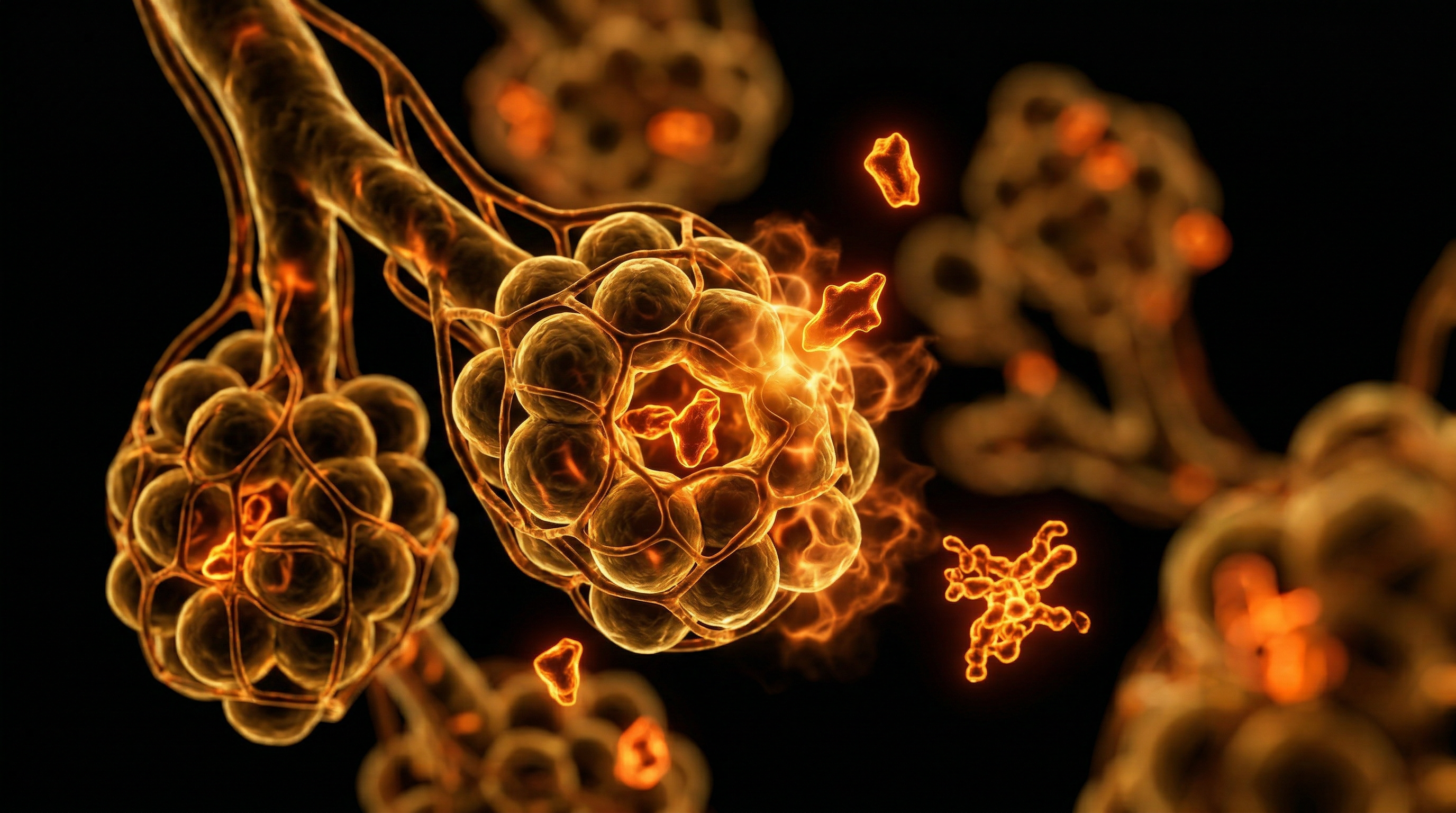
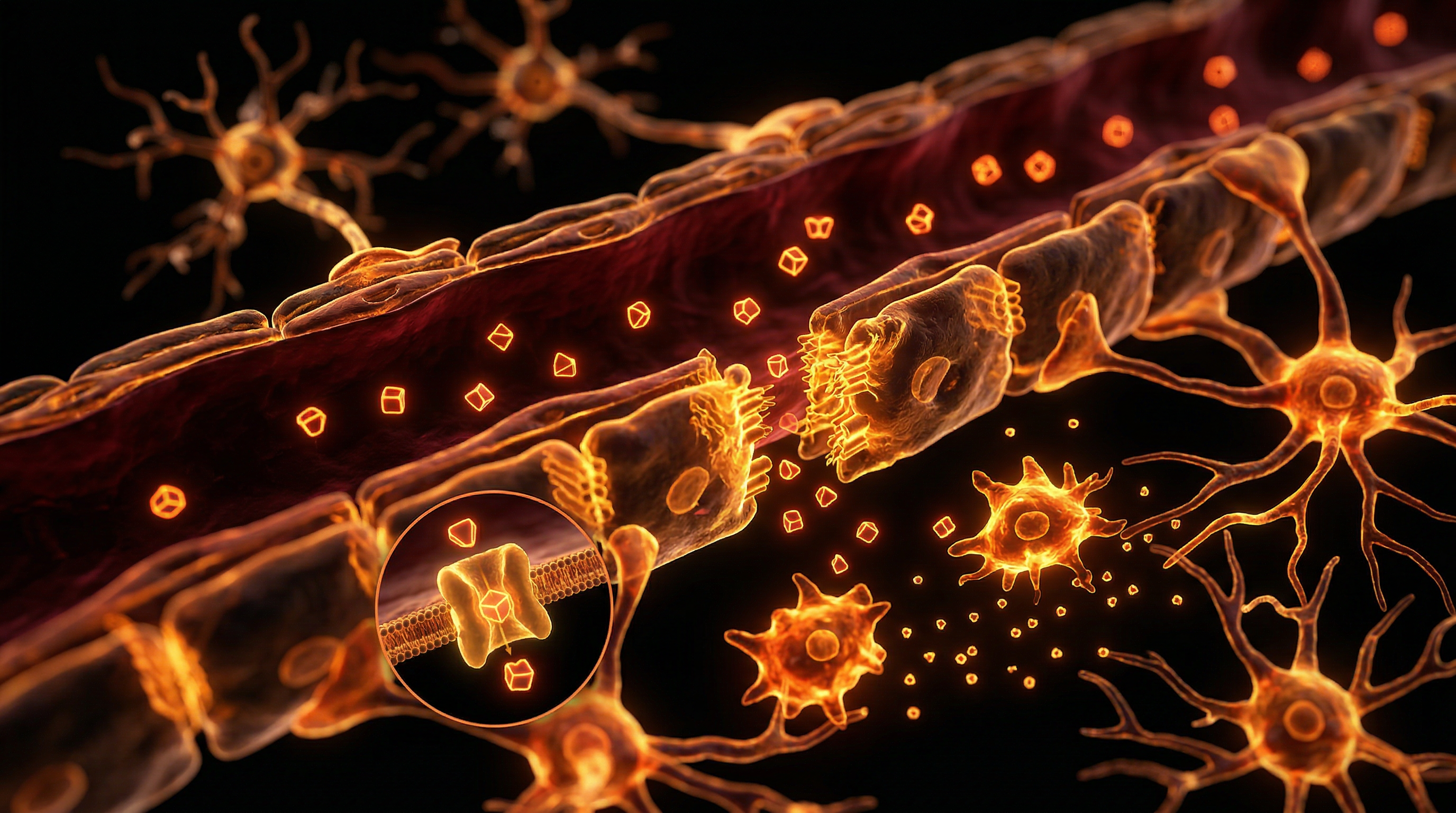
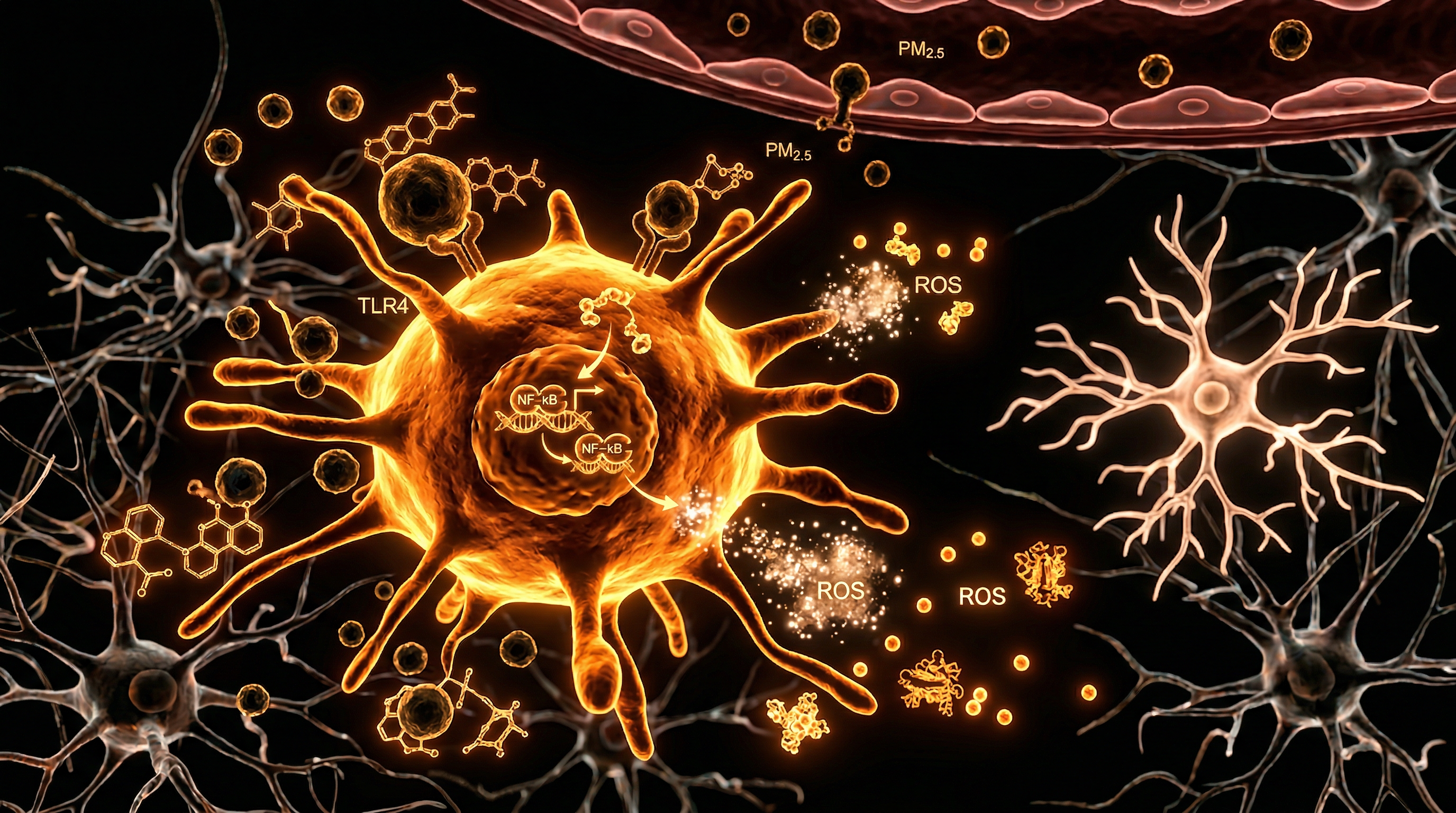
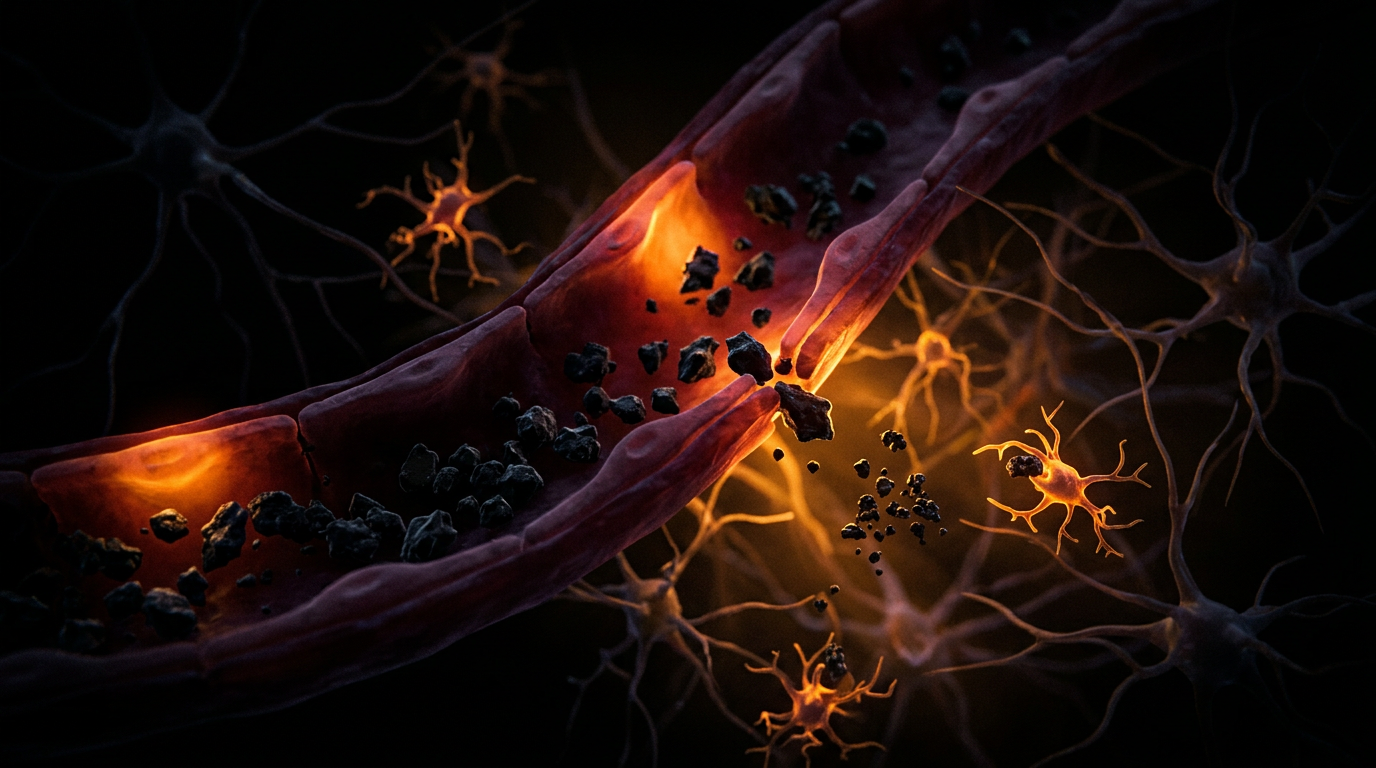
    Particulate matter with an aerodynamic diameter of 2.5 micrometres or less (PM2.5) — generated by traffic emissions, industrial combustion, agricultural burning, and secondary atmospheric chemical reactions — is the most thoroughly characterised environmental health threat in existence, responsible for an estimated 40,000 premature deaths in the UK annually according to the Royal College of Physicians. Unlike larger particles filtered by nasal mucosa, PM2.5 penetrates deep into the alveolar spaces of the lungs and crosses the alveolar-capillary membrane to enter systemic circulation, where it triggers endothelial dysfunction, systemic inflammation, and oxidative stress in organs far removed from the respiratory system. Most critically, ultrafine particles (PM0.1 and smaller) have been shown to cross the blood-brain barrier via the olfactory nerve, depositing directly in brain tissue and triggering the neuroinflammatory cascade that is now linked to dementia, stroke, and psychiatric conditions — with WHO air quality guidelines routinely exceeded in London and other major UK cities.

    #air pollution#PM2.5
    N
    Scientific illustration for Neuroinflammation: The Biological Root of Mental Illness
    Immune System
    12 MIN READ

    Neuroinflammation: The Biological Root of Mental Illness

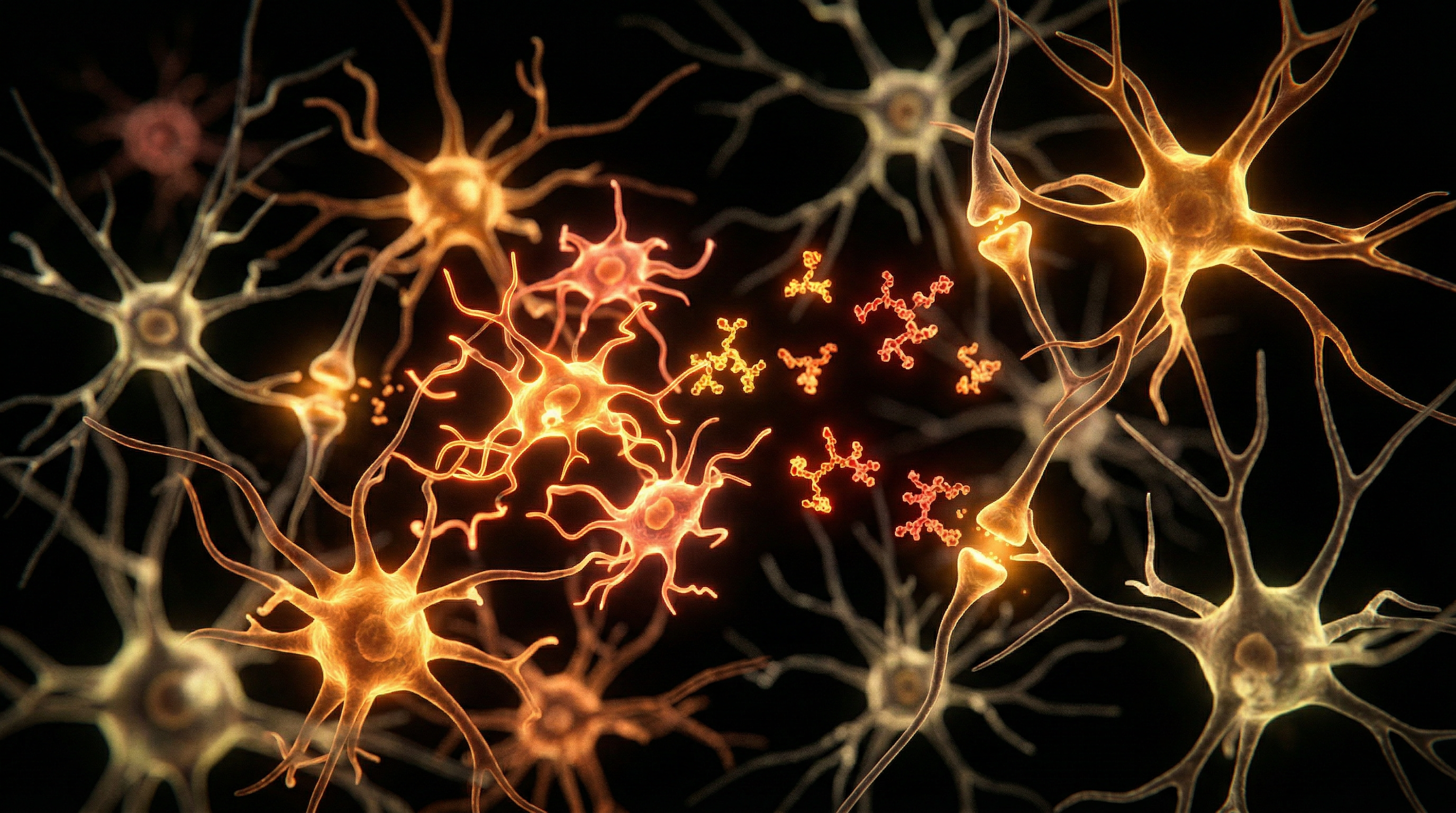
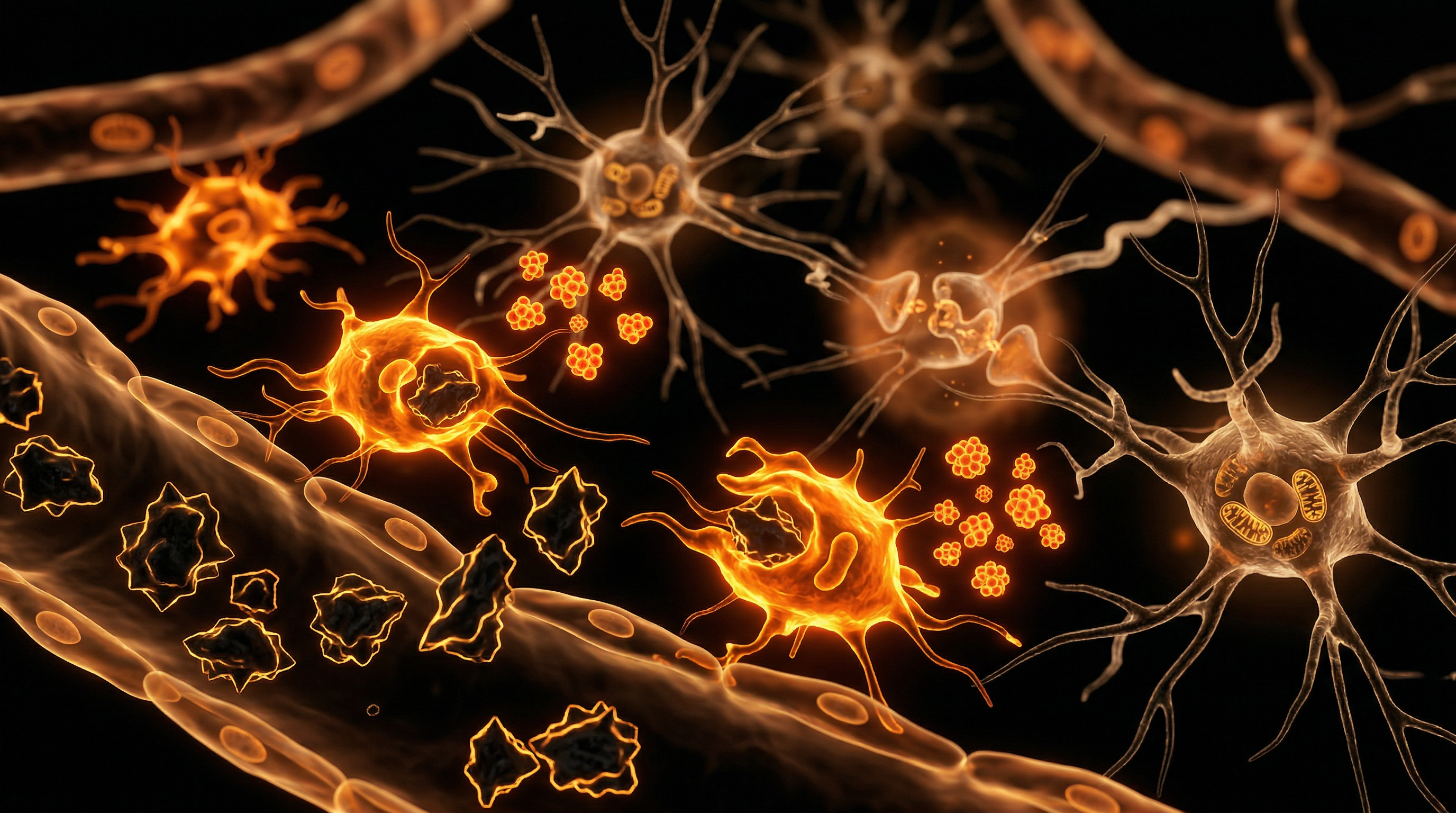
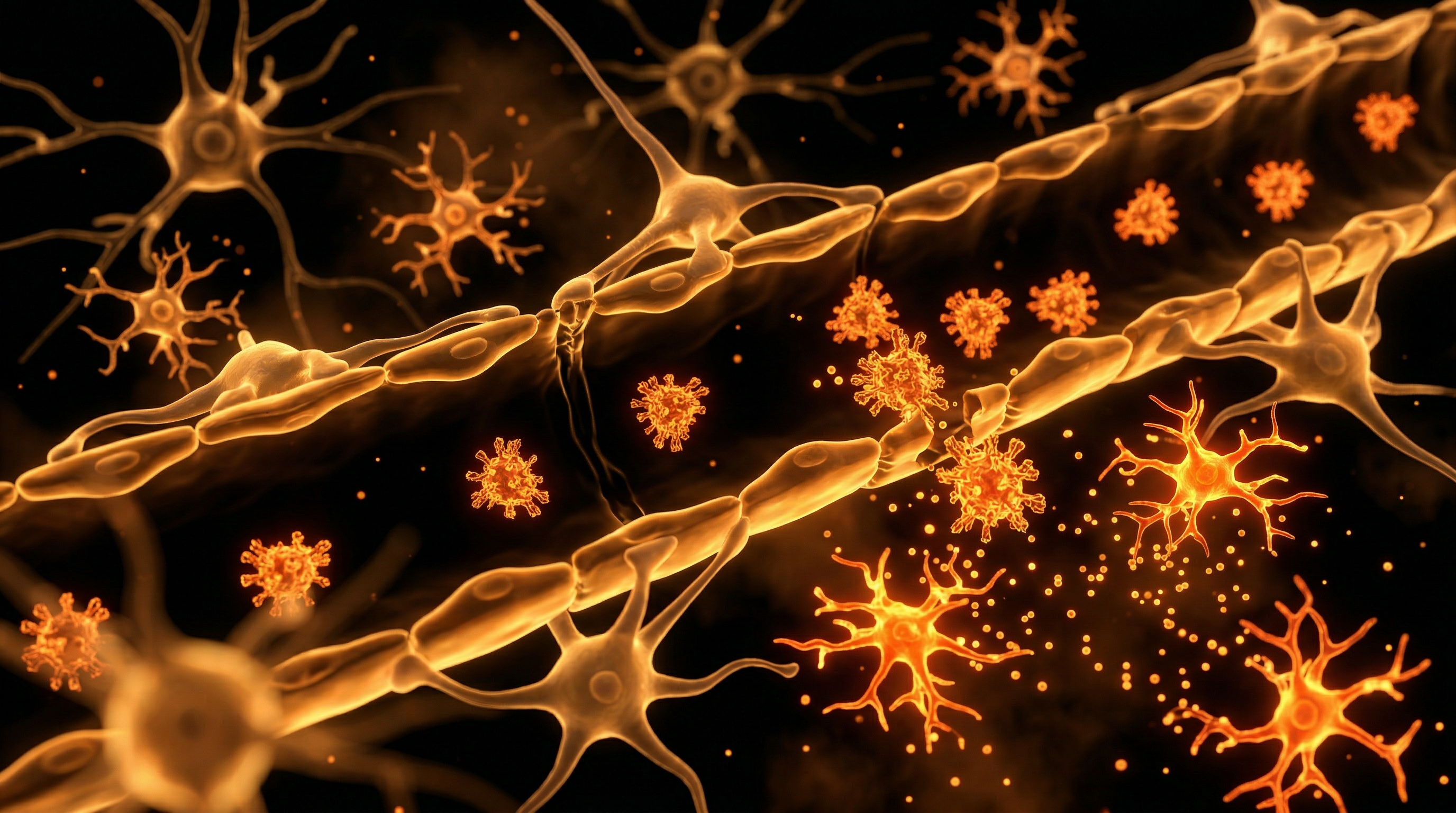
    Neuroinflammation — the activation of the brain's resident immune cells, the microglia, in response to blood-brain barrier disruption, systemic inflammatory signals, heavy metal accumulation, viral or bacterial insult, or oxidative stress — is now recognised by leading neuroscientists as the primary biological driver of depression, anxiety disorders, bipolar disorder, schizophrenia, and the majority of conditions currently categorised as psychiatric illness. Pro-inflammatory cytokines including IL-1β, IL-6, and TNF-α cross the blood-brain barrier and directly inhibit tryptophan hydroxylase (reducing serotonin synthesis), disrupt dopamine signalling, and impair hippocampal neurogenesis — the biological mechanisms of the mood disorders for which the NHS prescribes SSRIs and antipsychotics without addressing the underlying inflammatory aetiology. This paradigm shift from chemical imbalance to immune-inflammatory models of mental illness has profound and largely unimplemented implications for psychiatry.

    #neuroinflammation#microglia