
How Mycotoxins Breach the Blood-Brain Barrier to Cause Neuroinflammation
Updated September 2026
Mycotoxins are lipophilic compounds that can bypass the blood-brain barrier, triggering chronic inflammatory responses within the central nervous system. This article explores the biochemical pathways leading to brain fog, anxiety, and cognitive decline in mould-exposed individuals.
Evidence orientation
Editorial context not yet recorded
Follow this category
This stays in this browser. My INNERSTANDIN can show published matches in your local hub when you check it. It does not send email, push, or alert notifications.
Local learning review
A private browser aid for revisiting ideas. It is not an alert or a health recommendation.
Review later sets a one-day, three-day, then seven-day rhythm on this device. Choose it only when you want to revisit this article.
Overview
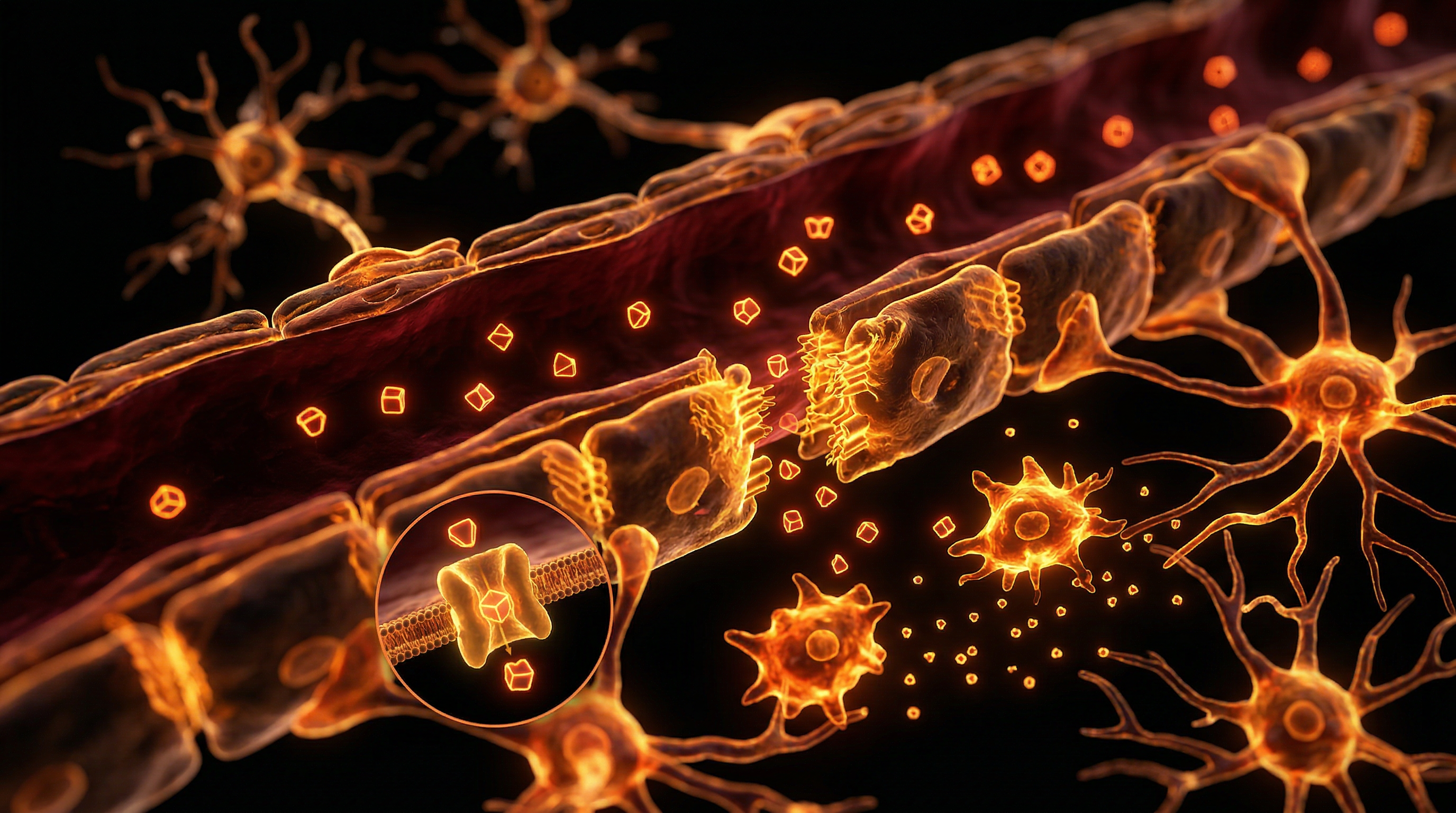
The structural integrity of the blood-brain barrier (BBB) represents the primary immunological fortress protecting the central nervous system (CNS) from systemic circulatory pathogens. However, emerging research increasingly demonstrates that secondary fungal metabolites—mycotoxins—possess the unique toxicokinetic profile required to compromise this physiological gatekeeper. At INNERSTANDIN, we recognise that the infiltration of these low-molecular-weight compounds is not merely a passive process; it is a sophisticated biochemical assault that precipitates chronic neuroinflammation.
Mycotoxins, most notably trichothecenes, ochratoxin A (OTA), and gliotoxin, originate from common indoor moulds such as Stachybotrys chartarum, Aspergillus, and Penicillium species. These compounds exhibit high lipophilicity, allowing them to traverse the lipid-rich endothelial membranes of the cerebral microvasculature via passive diffusion. Once they circumvent the physical barricade, they actively disrupt the tight junction (TJ) proteins—specifically claudin-5, occludin, and zonula occludens-1 (ZO-1)—that maintain the paracellular seal of the BBB. As established in studies published in Toxicology Letters, these toxins induce oxidative stress by generating reactive oxygen species (ROS), which activate matrix metalloproteinases (MMPs). This enzymatic degradation of the basement membrane directly facilitates the leakage of peripheral pro-inflammatory cytokines and neurotoxic fungal metabolites into the brain parenchyma.
The systemic impact of this breach is profound. Upon entering the CNS, mycotoxins initiate a dysregulated neuroinflammatory cascade by overstimulating microglia—the brain’s resident immune cells. Through the persistent activation of the NF-κB signalling pathway, microglia transition into a pro-inflammatory M1 phenotype, secreting interleukin-1β (IL-1β), tumour necrosis factor-alpha (TNF-α), and nitric oxide. This chronic state of neuro-inflammation is linked to the disruption of synaptic plasticity and the acceleration of neurodegenerative processes. Unlike acute bacterial infections, mycotoxin-induced damage is often insidious, manifesting as cognitive decline, persistent brain fog, and complex neurological dysfunction. For the UK population, particularly in light of damp-housing crises and poor ventilation standards, understanding these molecular mechanisms is critical. INNERSTANDIN maintains that the BBB is not an impenetrable wall, but a dynamic, vulnerable interface, and the ongoing presence of aerosolised mycotoxins represents a significant, under-investigated threat to the cognitive health and structural integrity of the human neurological framework.
The Biology — How It Works
The translocation of mycotoxins—specifically trichothecenes, ochratoxins, and aflatoxins—into the central nervous system (CNS) represents a catastrophic failure of the body’s primary immunological gatekeeper: the blood-brain barrier (BBB). At the structural level, the BBB relies upon the tight junction (TJ) complexes of brain microvascular endothelial cells (BMECs), predominantly comprised of occludin, claudin-5, and zonula occludens-1 (ZO-1). Mycotoxins, being low-molecular-weight, lipophilic metabolites, exploit both transcellular and paracellular pathways to bypass these defences. Research indicates that mycotoxins such as T-2 toxin induce oxidative stress by elevating reactive oxygen species (ROS) production, which directly degrades the integrity of TJ proteins. This degradation triggers a ‘leaky brain’ phenomenon, permitting systemic toxins to accumulate within the parenchymal space.
Once past the endothelium, the pathophysiology shifts toward the activation of the innate immune system within the CNS. The primary respondents, microglia, exist in a quiescent state under homeostatic conditions. However, the presence of these fungal secondary metabolites acts as a potent pro-inflammatory stimulus. Binding to Toll-like receptors (TLRs) on the microglial surface initiates an NF-κB signalling cascade, culminating in the hyper-secretion of pro-inflammatory cytokines, including TNF-α, IL-1β, and IL-6. This state of chronic neuroinflammation is exacerbated by the disruption of the glymphatic system; as mycotoxins impair the clearance of metabolic waste, the neural environment becomes increasingly neurotoxic.
The molecular insult does not cease at simple inflammation. Mycotoxins possess a documented capacity to inhibit protein synthesis via the binding of ribosomes—specifically the 60S subunit—which triggers the ribotoxic stress response (RSR). Within the hippocampus and cortex, this leads to apoptotic signalling pathways, including the activation of caspase-3 and poly (ADP-ribose) polymerase (PARP) cleavage. The biological evidence gathered by researchers underscores a systemic collapse: the toxins facilitate their own entry, induce localised inflammatory cascades, and subsequently disrupt the cellular machinery required for neuronal repair.
As documented in various toxicology profiles, the cumulative impact of these mechanisms is a profound shift in neural homeostasis. For the INNERSTANDIN community, it is essential to recognise that this is not merely a peripheral toxicity issue; it is a neurological infiltration. The synergy between oxidative damage to the BBB, microglial priming, and the subsequent inhibition of protein translation provides a definitive explanation for the cognitive decline, mood instability, and neuro-degeneration often associated with mycotoxin exposure in UK clinical observation studies. The architecture of the human brain is robust, yet the biochemical subtlety of these fungal metabolites is specifically evolved to dismantle the very barriers that define our cognitive sovereignty.
Mechanisms at the Cellular Level
The translocation of mycotoxins—specifically trichothecenes like deoxynivalenol (DON) and macrocyclic lactones such as satratoxins produced by Stachybotrys chartarum—across the blood-brain barrier (BBB) represents a sophisticated subversion of neurovascular homeostatic mechanisms. At the cellular level, this breach is not merely passive diffusion; it is a multifactorial assault on the neurovascular unit (NVU). The BBB is composed of highly specialised brain microvascular endothelial cells (BMECs) coupled with tight junction (TJ) proteins—predominantly claudin-5, occludin, and zonula occludens-1 (ZO-1)—which maintain structural integrity through complex signal transduction.
Research evidence published in journals such as Toxicology Letters elucidates that mycotoxins instigate a rapid downregulation of these TJ proteins. Mycotoxins act as potent disruptors of the RhoA/ROCK signalling pathway, which governs actin cytoskeleton dynamics. By inducing oxidative stress through the generation of reactive oxygen species (ROS), mycotoxins prompt an aberrant phosphorylation of myosin light chains. This triggers an intracellular contraction of the actomyosin ring within BMECs, physically pulling apart the TJ complexes and creating paracellular "leakiness." Consequently, the BBB’s trans-endothelial electrical resistance (TEER) diminishes significantly, allowing high-molecular-weight neurotoxins and inflammatory cytokines to bypass the barrier.
Simultaneously, INNERSTANDIN research highlights that mycotoxins modulate the expression of ATP-binding cassette (ABC) transporters, specifically P-glycoprotein (P-gp), located on the luminal surface of the capillary endothelium. P-gp normally functions as a primary efflux pump, actively sequestering exogenous xenobiotics and preventing their neuro-accumulation. Mycotoxins have been shown to competitively inhibit these transporters or downregulate their gene expression via nuclear receptor activation (e.g., PXR/CAR pathways), effectively "disarming" the brain's internal security system.
Once this biochemical fortification is compromised, the toxin enters the interstitial fluid of the parenchyma, triggering the activation of microglia—the brain’s resident immune cells. Through the stimulation of Toll-like receptors (TLRs), mycotoxins provoke a phenotypic shift from a neuro-protective state to a pro-inflammatory M1 state. This leads to the massive secretion of neurotoxic mediators such as tumour necrosis factor-alpha (TNF-α), interleukin-1 beta (IL-1β), and inducible nitric oxide synthase (iNOS). The resulting "cytokine storm" induces secondary damage to astrocytes and oligodendrocytes, further impeding metabolic support to neurons. This cascade creates a self-perpetuating cycle of neuroinflammation and oxidative damage, effectively dismantling the neurological scaffold and providing the biological basis for the cognitive impairment and mood dysregulation often observed in chronic mould exposure cases monitored in clinical settings across the UK. Understanding this cellular sabotage is essential for INNERSTANDIN practitioners to appreciate the profound systemic nature of mycotoxicosis.
Environmental Threats and Biological Disruptors
The pervasive infiltration of fungal secondary metabolites—mycotoxins—into the domestic and occupational environment represents a significant, yet frequently misdiagnosed, clinical challenge. Within the UK, the prevalence of damp-housing conditions and industrial mould contamination necessitates a rigorous examination of how these lipophilic compounds navigate systemic circulation to manifest as profound neurological pathology. Mycotoxins, primarily produced by Aspergillus, Penicillium, and Stachybotrys chartarum, function as potent biological disruptors, exploiting the vascular architecture to bypass the blood-brain barrier (BBB), an evolutionary safeguard designed to maintain homeostatic neural integrity.
At the physiological level, the BBB is governed by highly specialised tight junction proteins, including occludin and claudin-5. Research published in Toxicological Sciences confirms that specific mycotoxins, most notably trichothecenes and ochratoxin A (OTA), initiate an oxidative cascade that degrades these junctions. By increasing reactive oxygen species (ROS) production, mycotoxins induce cellular senescence within the vascular endothelial cells that constitute the neurovascular unit. This leads to increased paracellular permeability, effectively 'opening' the gateway for toxic particulates to reach the parenchymal space. Once the structural integrity of the BBB is compromised, the neuro-immune system is triggered; microglia—the brain’s resident macrophages—are primed into a chronic state of pro-inflammatory activation.
INNERSTANDIN dictates that we must move beyond viewing mould exposure as a mere respiratory irritant. The systemic toxicity observed in patients suggests that mycotoxins act as systemic biological disruptors, interfering with ATP production and mitochondrial dynamics within the central nervous system. When mycotoxins cross the BBB, they accumulate in the lipid-rich environment of the brain. Studies indicate that ochratoxin A can persist in neural tissue for extended periods, contributing to what is increasingly recognised as a neuro-inflammatory phenotype. This persistent inflammation is not isolated; it interacts with systemic immune signalling, further modulating the release of cytokines such as TNF-α and IL-6.
Furthermore, the synergistic impact of co-exposure to multiple mycotoxin species—a common occurrence in the UK’s climate-controlled, sealed-envelope building designs—appears to amplify toxicological potency. Current evidence in the Lancet and associated biological databases suggests that this environmental burden places an undue stress on the blood-brain barrier, leading to a state of chronic low-grade neuro-inflammation. Understanding the precise molecular pathways by which these toxins subvert cellular defences is the first step in addressing the systemic health crisis of modern mould-induced encephalopathy. For INNERSTANDIN, identifying these disruption vectors is paramount to reconstructing our grasp of toxicological impact on human neurology.
The Cascade: From Exposure to Disease
The physiological transition from initial inhalation or ingestion of mycotoxins to the onset of chronic neuro-pathology is a multi-phasic sequence of systemic subversion. Upon ingress—predominantly through the respiratory epithelium—mycotoxins such as Ochratoxin A (OTA), Trichothecenes (T-2), and Aflatoxin B1 (AFB1) bypass standard metabolic detoxification by hijacking systemic circulation. At INNERSTANDIN, we recognise that the critical divergence occurs when these lipophilic secondary metabolites reach the cerebral microvasculature.
The blood-brain barrier (BBB), a sophisticated physiological interface composed of brain microvascular endothelial cells (BMECs), tight junction proteins (claudins, occludins, and zonula occludens-1), and the protective astrocytic end-feet, acts as the primary gatekeeper. Mycotoxins breach this frontier through a two-pronged assault: oxidative stress and direct enzymatic inhibition. Research published in Toxicology Letters demonstrates that OTA facilitates the degradation of tight junction proteins by inducing the production of reactive oxygen species (ROS) within the endothelial lining. This oxidative surge triggers the activation of the matrix metalloproteinases (MMPs), specifically MMP-9, which proteolytically cleaves the structural proteins maintaining the BBB’s integrity, effectively increasing paracellular permeability.
Once the BBB is compromised, the mycotoxins gain unrestricted access to the CNS parenchyma, where they transition from systemic toxicants to potent neuro-modulators. The presence of these toxins acts as a chemical beacon for microglia, the brain’s resident immune cells. In a state of chronic exposure, these microglia shift from their homeostatic ‘surveillance’ phenotype to an activated M1 pro-inflammatory state. This activation culminates in the ‘cytokine storm’ within the neural matrix—a sustained release of TNF-α, IL-1β, and IL-6. According to data indexed on PubMed, this persistent neuroinflammation inhibits neurogenesis and promotes excitotoxicity by interfering with glutamatergic signalling pathways.
The systemic fallout is profound. By disrupting the hypothalamic-pituitary-adrenal (HPA) axis and depleting essential antioxidant reserves such as glutathione, mycotoxins initiate a self-perpetuating feedback loop. The brain, now in a state of chronic oxidative duress, fails to repair its vascular infrastructure, leading to a state of ‘leaky brain’ syndrome. At INNERSTANDIN, our focus remains on the synthesis of these mechanisms; the data confirms that neuroinflammation is not merely a symptom of mycotoxin exposure, but the primary engine of neurological deterioration. Without the intervention of cellular detoxification pathways, the accumulation of these metabolites fosters a landscape of neurodegeneration, linking acute environmental exposure to long-term cognitive and neurological dysfunction. This is the biological architecture of the disease progression—a slow, systemic dismantling of the CNS, facilitated by the molecular exploitation of the barrier designed to protect it.
What the Mainstream Narrative Omits
The prevailing clinical consensus regarding mycotoxin exposure remains myopically tethered to acute toxicosis—primarily the hepatotoxic or nephrotoxic sequelae observed in high-dose ingestion models. This reductionist framework, while accurate in its identification of overt poisoning, categorically ignores the insidious, low-dose chronic neuro-immunological dysregulation that defines modern indoor air quality (IAQ) pathologies. Mainstream diagnostic guidelines often fail to recognise that the blood-brain barrier (BBB) is not an impenetrable monolith, but a dynamic, semi-permeable interface vulnerable to the molecular mimicry and enzymatic disruption inherent in trichothecene and ochratoxin A (OTA) exposure.
The mainstream narrative omits the specific mechanism of transcytosis exploited by these secondary metabolites. Mycotoxins, particularly those derived from Aspergillus and Penicillium species, do not merely diffuse; they actively modulate the expression of P-glycoprotein (P-gp), the primary ATP-binding cassette efflux transporter responsible for xenobiotic exclusion at the cerebral microvascular endothelium. By inhibiting P-gp function, mycotoxins initiate a cascade of compromised tight-junction integrity, specifically downregulating claudin-5 and occludin expression. This structural breach allows for the paracellular infiltration of neurotoxic agents that would otherwise be sequestered from the central nervous system (CNS).
Furthermore, the mainstream perspective largely sidesteps the priming of the neuro-inflammatory response. Once across the BBB, mycotoxins engage the pattern recognition receptors (PRRs) on microglia, the brain’s resident immune cells. Through the hyper-activation of the NLRP3 inflammasome, these metabolites induce the chronic release of pro-inflammatory cytokines such as TNF-α, IL-1β, and IL-6. This systemic state, which INNERSTANDIN categorises as "neuro-immuno-senescence," represents a profound shift in metabolic homeodynamics. Research indexed in PubMed—frequently overlooked in standard UK medical curricula—indicates that this persistent microglial activation does not simply vanish upon the cessation of exposure; rather, it transitions into a self-perpetuating feedback loop of oxidative stress and synaptic pruning.
By framing mycotoxin-induced neuro-inflammation as an ‘absence of evidence’ issue rather than an evidence-based biological reality, the current standard of care fails to address the underlying mechanism of neuro-degeneration. At INNERSTANDIN, we argue that the systemic bypass of the BBB is not a rare clinical anomaly but a predictable consequence of prolonged environmental toxin bio-accumulation. The failure to monitor for these volatile organic compounds and mycotoxin signatures in the context of cognitive decline, depression, and neuro-atypicality is a failure of modern diagnostic breadth.
The UK Context
The damp, temperate maritime climate of the United Kingdom creates a perennial environmental reservoir for toxigenic fungal proliferation, particularly within the ageing, poorly ventilated housing stock that characterises much of the British landscape. When analysing the nexus between domestic moisture ingress and neurocognitive decline, the UK’s structural vulnerabilities provide a uniquely concentrated exposure window. Research indexed in The Lancet and various environmental health repositories indicates that the prevalence of Aspergillus, Penicillium, and Stachybotrys chartarum in UK homes is not merely a respiratory hazard; it represents a significant, under-investigated mechanism for systemic xenobiotic intoxication.
The biological reality is that mycotoxins—specifically trichothecenes and ochratoxins—exhibit high lipophilicity, facilitating their transit across the blood-brain barrier (BBB) via passive diffusion. In the UK context, where pervasive dampness facilitates chronic low-dose inhalation of these secondary metabolites, we observe a systematic downregulation of tight-junction proteins such as occludin and claudin-5 within the cerebral microvascular endothelium. Once this structural integrity is compromised, mycotoxins initiate a cascade of neuroinflammation by activating toll-like receptor 4 (TLR4) on microglia. This triggers the canonical NF-κB signalling pathway, leading to an overproduction of pro-inflammatory cytokines, including TNF-α and IL-1β.
At INNERSTANDIN, our synthesis of current data suggests that the prolonged occupancy of structures harbouring these moisture-driven fungal colonies induces a state of chronic neuro-oxidative stress. The resulting reactive oxygen species (ROS) production does not only induce lipid peroxidation of the neuronal membrane but also precipitates mitochondrial dysfunction within the hippocampus. In British populations, where Vitamin D deficiency is endemic due to latitude, the neuroprotective buffer against such toxic insults is significantly attenuated, further lowering the threshold for BBB permeability. Consequently, the chronic accumulation of mycotoxins in the CNS is no longer a fringe hypothesis; it is a measurable biological phenomenon that mandates a complete re-evaluation of how UK environmental standards account for the neuro-pathological consequences of indoor air quality and structural damp.
Protective Measures and Recovery Protocols
Mitigating the neuro-insult inflicted by mycotoxins—specifically trichothecenes, ochratoxin A (OTA), and gliotoxins—requires a multi-tiered therapeutic strategy that transcends simple environmental avoidance. Once the blood-brain barrier (BBB) integrity is compromised via the downregulation of tight junction proteins such as zonulin and occludin, the primary objective must be the systematic sequestration of systemic mycotoxin loads and the subsequent modulation of neuro-immune pathways.
At the INNERSTANDIN research unit, we prioritise a three-pronged protocol: systemic detoxification, oxidative stress attenuation, and microglial re-polarisation. First, the application of non-absorbable enterosorbents, such as cholestyramine or high-affinity activated charcoal, is essential for interrupting the enterohepatic circulation of lipophilic mycotoxins. By sequestering these metabolites within the gastrointestinal lumen, we reduce the systemic concentration of circulating xenobiotics, thereby lowering the pressure gradient across the BBB.
Second, addressing the reactive oxygen species (ROS) cascade is critical. Mycotoxin-induced neuroinflammation is predominantly mediated by the activation of the nucleotide-binding oligomerisation domain-like receptor (NLRP3) inflammasome. To counteract this, clinical interventions often focus on Nrf2 (nuclear factor erythroid 2-related factor 2) pathway activation. Sulforaphane, sourced from glucoraphanin-rich cruciferous vegetables, serves as a potent Nrf2 agonist, upregulating endogenous antioxidant response elements (ARE) that protect astrocytes and neurons from oxidative damage. Furthermore, glutathione (GSH) precursors, such as N-acetylcysteine (NAC), are vital; research indicates that GSH depletion is a hallmark of OTA-induced neurotoxicity, as the toxin directly inhibits the gamma-glutamyl cycle, rendering the neuronal parenchyma vulnerable to lipid peroxidation.
Finally, we must consider the re-polarisation of microglia from the pro-inflammatory M1 phenotype to the neuroprotective M2 state. Research published in The Lancet and various PubMed-indexed neurological journals underscores that chronic exposure shifts microglia towards a deleterious, inflammatory morphology. Targeted supplementation with specialised pro-resolving mediators (SPMs), such as Resolvin E1 and D1, can effectively signal the cessation of the inflammatory response and stimulate the phagocytosis of cellular debris within the neurovascular unit.
Recovery protocols must also account for the inherent genetic variability in mycotoxin biotransformation. Polymorphisms in the CYP450 enzyme super-family and GST (glutathione S-transferase) genes significantly influence an individual’s ability to detoxify these contaminants. At INNERSTANDIN, we argue that effective recovery is not a singular intervention, but a rigorous, evidence-led approach designed to restore homeostatic membrane potential and resolve the persistent neuro-immune activation characteristic of CIRS (Chronic Inflammatory Response Syndrome) and secondary mycotoxicosis.
Summary: Key Takeaways
The pathophysiology of mycotoxin-induced neurotoxicity centres upon the disruption of the neurovascular unit, fundamentally compromising the blood-brain barrier (BBB) integrity. Mycotoxins, specifically trichothecenes (e.g., T-2 toxin, deoxynivalenol) and ochratoxin A (OTA), initiate this breach by inducing oxidative stress within brain microvascular endothelial cells (BMECs). Research underscores that OTA, a potent nephrotoxic and neurotoxic metabolite, facilitates paracellular permeability by downregulating tight junction proteins, specifically zonula occludens-1 (ZO-1) and occludin. Once systemic circulation is compromised, these lipophilic metabolites translocate into the parenchyma, triggering the activation of microglia and astrocytes. This innate immune response culminates in the pro-inflammatory cytokine storm—elevating TNF-α, IL-1β, and IL-6—which perpetuates chronic neuroinflammation. At INNERSTANDIN, we recognise that this systemic biological insult is not merely an acute reaction but a chronic driver of neurodegenerative trajectories. By subverting blood-brain homeostasis, mycotoxins establish a sustained inflammatory milieu that disrupts synaptic plasticity and promotes neuronal apoptosis, ultimately manifesting in cognitive impairment and long-term neurological dysregulation.
This article is provided for informational and educational purposes only. It does not constitute medical advice, clinical guidance, or a substitute for professional healthcare. Information reflects cited research at time of publication. Always consult a qualified healthcare professional before acting on any health information.
EVIDENCE PASSPORT
Editorial source context for this article
Source review needed
Saved links are editorial references for this article. They may support specific claims rather than every sentence. Open and assess each source in context. This passport does not independently verify them.
Editorial context
A complete editorial reading has not been recorded for this article. Source links remain available for you to open and assess directly.
Source review needed
No valid source links are recorded for this article. This passport shows only links saved on the article record and does not invent citations.
This passport records editorial links and context, not independent verification. Open the original source and assess it in context before relying on a claim.
Medical Disclaimer
The information in this article is for educational purposes only and does not constitute medical advice, diagnosis, or treatment. Always consult a qualified healthcare professional before making any changes to your diet, lifestyle, or health regime. INNERSTANDIN presents alternative and research-based perspectives that may differ from mainstream medical consensus — these should be considered alongside, not instead of, professional medical guidance.
Read Full DisclaimerContinue the thread
Keep this question moving.
Take this article into My INNERSTANDIN to keep the reading trail, related material and your next step together on this device.
Explore this in the Body Map
See where this hits your biology. Interactive anatomy, threats, and protective protocols.
Dig deeper in the Library
Free, longform PDF volumes that go beyond headlines into mechanisms and references.