
Hyperglycemia-Induced Advanced Glycation End-Products (AGEs) and the Fragmentation of the Basement Membrane
An in-depth exploration of how chronic high blood glucose triggers the formation of Advanced Glycation End-products (AGEs), leading to the structural breakdown of the blood-brain barrier's basement membrane and subsequent neurovascular dysfunction.

# Hyperglycemia-Induced Advanced Glycation End-Products (AGEs) and the Fragmentation of the Basement Membrane\n\nIn the landscape of metabolic health, the blood-brain barrier (BBB) stands as the most critical frontier of protection. It is a highly selective semipermeable border of endothelial cells that prevents solutes in the circulating blood from non-selectively crossing into the extracellular fluid of the central nervous system. However, this sophisticated security system is increasingly under threat from the modern epidemic of metabolic dysfunction. Specifically, chronic hyperglycemia—persistently high blood glucose—initiates a silent, molecular erosion of the BBB. At the heart of this destruction are Advanced Glycation End-products (AGEs) and their subsequent impact on the basement membrane, a structural foundation that, when fragmented, leaves the brain vulnerable to systemic toxins and inflammation.\n\n## Understanding the Root Cause: The Birth of AGEs\n\nTo understand why high blood sugar is neurotoxic, we must look beyond simple energy metabolism.
When glucose levels in the bloodstream remain elevated, the excess sugar begins to bind haphazardly to proteins, lipids, and nucleic acids. This process, known as non-enzymatic glycation (or the Maillard reaction), is distinct from the regulated, enzymatic process of glycosylation required for cellular function. \n\nThrough a series of complex rearrangements, these initial glycation events evolve into permanent, irreversible cross-linked structures called Advanced Glycation End-products (AGEs). In the context of the vascular system, AGEs act like metabolic 'glue,' stiffening tissues and altering the biological activity of every protein they touch. While AGEs can be consumed via diet (exogenous AGEs), the most significant burden in metabolic disease is the endogenous formation driven by internal hyperglycemia.\n\n## The Basement Membrane: The BBB’s Structural Anchor\n\nThe blood-brain barrier is not merely a layer of endothelial cells; it is a multi-component unit known as the Neurovascular Unit (NVU). A key, yet often overlooked, component of the NVU is the basement membrane (BM).
The BM is a specialised extracellular matrix that provides physical support to the endothelial cells and pericytes. It is composed primarily of Type IV collagen, laminins, nidogen, and heparan sulphate proteoglycans like perlecan.\n\nIn a healthy state, the basement membrane acts as both a mechanical scaffold and a signalling hub. It helps maintain the 'tight junctions' between endothelial cells, which are the literal seals that prevent unwanted substances from entering the brain. When the basement membrane is healthy, the BBB is airtight. When it is compromised, the entire architectural integrity of the brain’s vascular system begins to fail.\n\n## Mechanisms of Fragmentation: How AGEs Dismantle the Barrier\n\nHyperglycemia-induced damage to the basement membrane occurs through three primary pathological pathways: structural cross-linking, RAGE activation, and the upregulation of Matrix Metalloproteinases (MMPs).\n\n### 1.
Structural Cross-linking and Stiffening\n\nType IV collagen is the backbone of the basement membrane. Because collagen has a long half-life, it is particularly susceptible to glycation. AGEs form covalent cross-links between collagen fibres, causing the basement membrane to become abnormally thick yet paradoxically brittle. This loss of elasticity makes the microvasculature of the brain less resilient to changes in blood pressure, leading to micro-ruptures and impaired nutrient exchange.\n\n### 2. The RAGE Pathway: A Pro-Inflammatory Vicious Cycle\n\nThe damage is not merely structural; it is biochemical.
Cells in the neurovascular unit express a specific receptor known as RAGE (Receptor for Advanced Glycation End-products). When AGEs bind to RAGE, they trigger a cascade of intracellular signalling, most notably the activation of Nuclear Factor-kappa B (NF-̀́B). This pro-inflammatory master switch leads to the production of reactive oxygen species (ROS) and inflammatory cytokines. This oxidative stress environment further accelerates the formation of more AGEs, creating a self-sustaining cycle of vascular decay.\n\n### 3. Activation of Matrix Metalloproteinases (MMPs)\n\nPerhaps the most direct cause of basement membrane fragmentation is the activation of Matrix Metalloproteinases, specifically MMP-2 and MMP-9.
These are enzymes designed to remodel the extracellular matrix. However, in the presence of hyperglycemia and RAGE signalling, MMPs become overactive. They begin to 'digest' the very proteins—laminin and Type IV collagen—that hold the basement membrane together. As these proteins are proteolytically cleaved, the membrane fragments. Holes appear in the scaffold, pericytes detach from the capillary walls, and the tight junctions between endothelial cells begin to unzip. \n\n## Consequences of a Fragmented Barrier\n\nThe fragmentation of the basement membrane is a sentinel event in the development of 'Leaky Brain.' Once the barrier is breached, molecules that are normally excluded from the brain, such as albumin and fibrinogen, begin to leak into the brain parenchyma.
Fibrinogen, in particular, is highly neurotoxic; its presence in the brain triggers microglia (the brain's immune cells) into a chronic state of activation, leading to neuroinflammation and the eventual death of neurons.\n\nFurthermore, the loss of basement membrane integrity impairs the clearance of metabolic waste, including beta-amyloid. There is now a strong scientific consensus that the vascular damage caused by AGEs and BM fragmentation is a significant driver of 'Type 3 Diabetes'—a term often used to describe the metabolic roots of Alzheimer’s disease. Without a functional basement membrane, the brain’s 'Glymphatic' drainage system fails, leading to the protein aggregation seen in neurodegenerative conditions.\n\n## Root-Cause Mitigation: Protecting the Brain\n\nFrom an INNERSTANDING perspective, the goal is to address the root cause—blood sugar volatility—to prevent the formation of AGEs before they can damage the basement membrane. \n\n1. Glycaemic Variability Management: It is not just the average blood sugar (HbA1c) that matters, but the height of the post-prandial (after-meal) spikes. High spikes are the primary driver of rapid glycation. Utilising continuous glucose monitoring (CGM) and adopting low-glycaemic, whole-food dietary patterns can significantly reduce the internal production of AGEs.\n\n2. Enhancing Metabolic Flexibility: By training the body to switch efficiently between burning glucose and fats (ketones), we reduce the chronic reliance on high-dose glucose, thereby lowering the opportunity for non-enzymatic glycation to occur.\n\n3. Anti-Glycative Nutrients: Certain compounds, such as benfotiamine (a fat-soluble form of Vitamin B1), have been shown to inhibit the biochemical pathways that lead to AGE formation.
Similarly, alpha-lipoic acid can help mitigate the oxidative stress produced by RAGE activation.\n\n## Conclusion\n\nThe fragmentation of the basement membrane via hyperglycemia-induced AGEs is a sophisticated process of structural and chemical decline. It represents a transition from a healthy, protected brain to one that is vulnerable to the systemic chaos of the body. By understanding that the blood-brain barrier's integrity is directly linked to our metabolic health, we can take proactive steps to preserve our cognitive longevity. The basement membrane is the foundation of our neurological fortress; keeping it intact requires a rigorous commitment to metabolic balance and the mitigation of the 'sticky' consequences of chronic hyperglycemia.
This article is provided for informational and educational purposes only. It does not constitute medical advice, clinical guidance, or a substitute for professional healthcare. Information reflects cited research at time of publication. Always consult a qualified healthcare professional before acting on any health information.
RESEARCH FOUNDATIONS
Biological Credibility Archive
Citations provided for educational reference. Verify via PubMed or institutional databases.
Medical Disclaimer
The information in this article is for educational purposes only and does not constitute medical advice, diagnosis, or treatment. Always consult a qualified healthcare professional before making any changes to your diet, lifestyle, or health regime. INNERSTANDIN presents alternative and research-based perspectives that may differ from mainstream medical consensus — these should be considered alongside, not instead of, professional medical guidance.
Read Full DisclaimerReady to learn more?
Continue your journey through our classified biological research.
DISCUSSION ROOM
Members of THE COLLECTIVE discussing "Hyperglycemia-Induced Advanced Glycation End-Products (AGEs) and the Fragmentation of the Basement Membrane"
SILENT CHANNEL
Be the first to discuss this article. Your insight could help others understand these biological concepts deeper.
THE ARSENAL
Based on Blood-Brain Barrier Disruption — products curated by our research team for educational relevance and biological support.
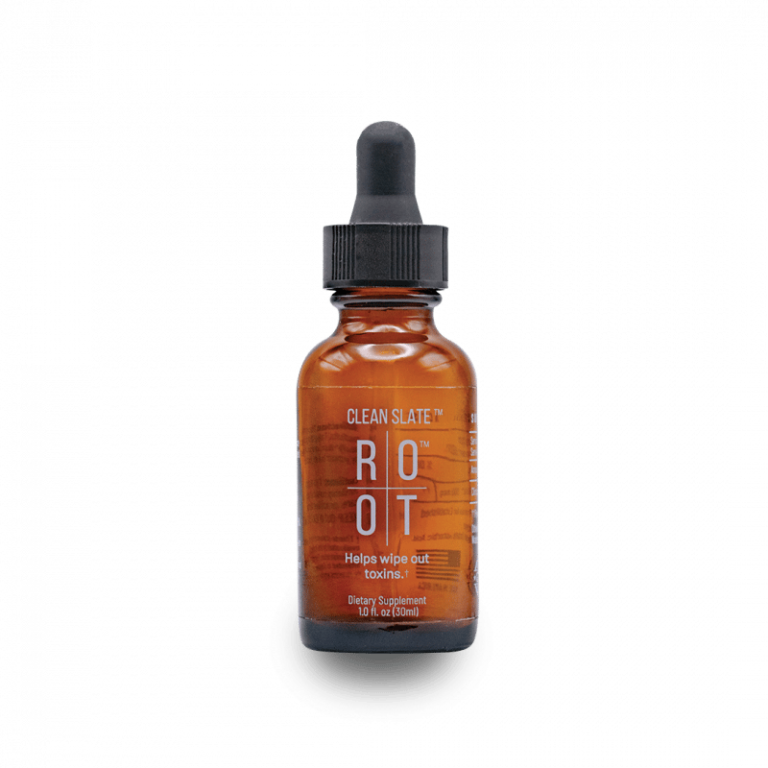
Clean Slate – Detoxes thousands of chemicals,heavy metals, pesticides, allergens, mold spores and fungus
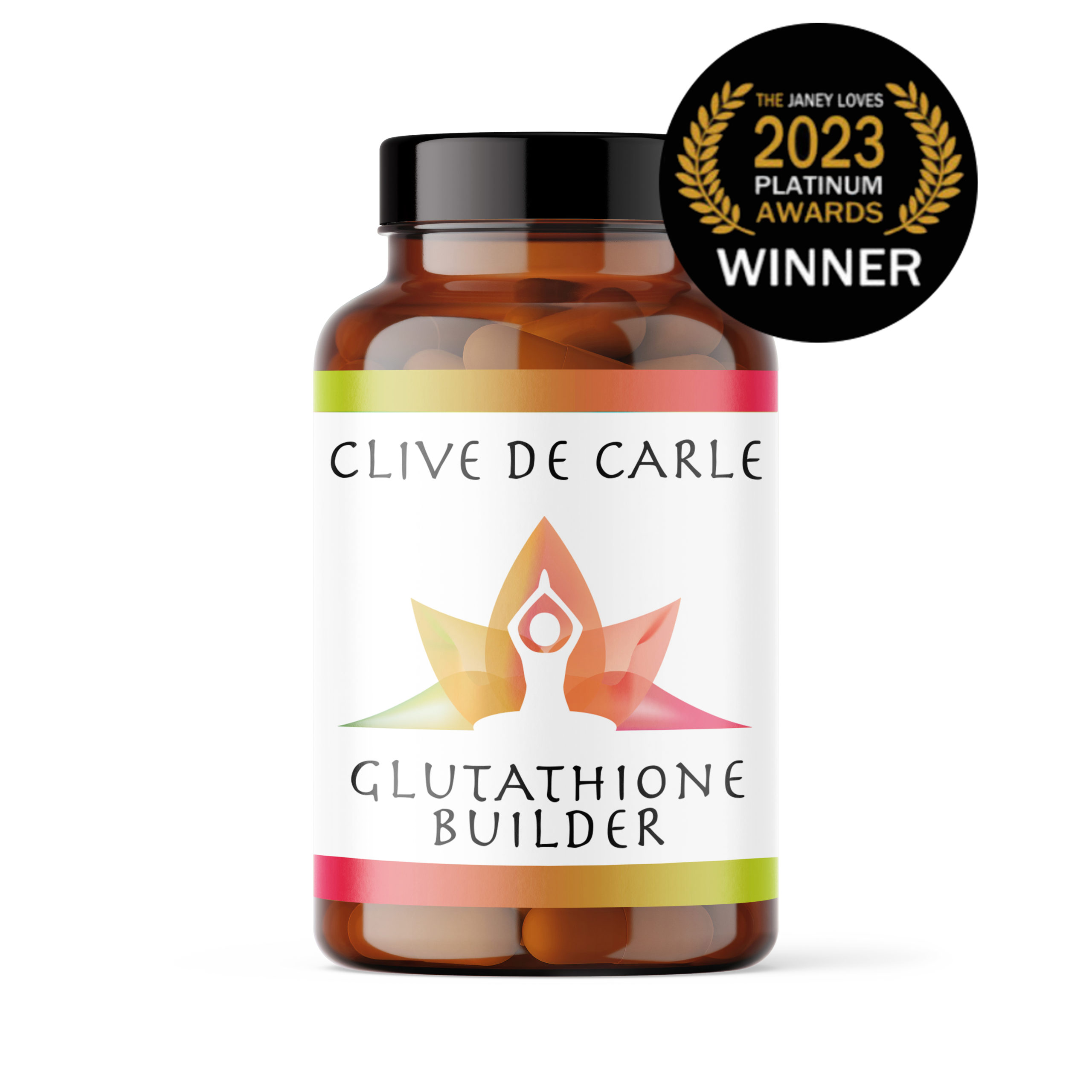
Glutathione Builder – Advanced Amino Acid Formula

Immuno – Daily Support for the Immune System
INNERSTANDING may earn a commission on purchases made through these links. All products are selected based on rigorous educational relevance to our biological research.
RABBIT HOLE
Follow the biological thread deeper
