
Particulate Matter 2.5 and Neurovascular Permeability: Assessing the Impact of Inhaled Nanoparticles on Endothelial Integrity
This comprehensive analysis explores the mechanistic pathways through which fine particulate matter (PM2.5) crosses the blood-brain barrier, inducing oxidative stress, neuroinflammation, and the breakdown of endothelial tight junctions.
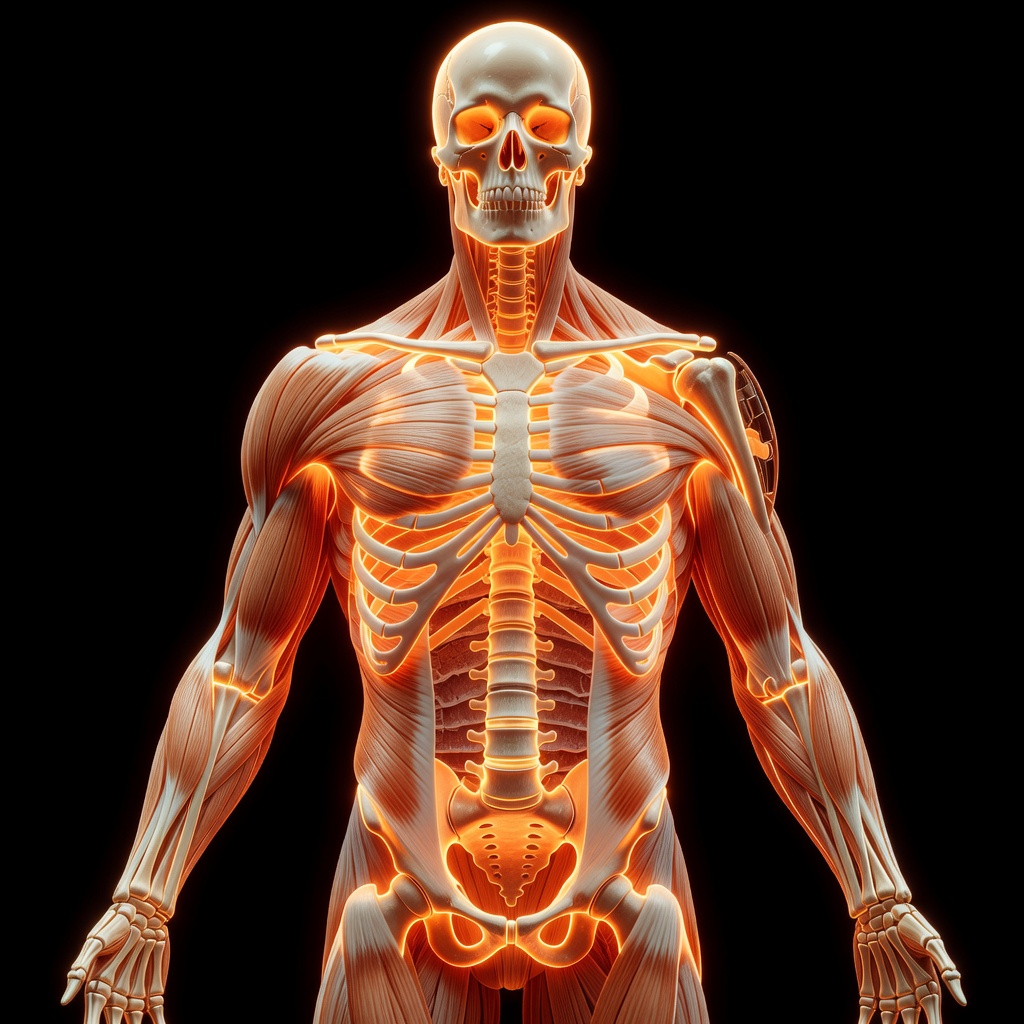
# The Invisible Threat: PM2.5 and the Neurovascular Unit\n\nIn the landscape of modern environmental health, the focus has shifted from the obvious pollutants of the industrial age to the invisible, microscopic threats that permeate our urban environments. Among these, Particulate Matter 2.5 (PM2.5)—particles with a diameter of 2.5 micrometres or less—represents one of the most significant challenges to human longevity and neurological health. While the respiratory and cardiovascular consequences of air pollution are well-documented, a more insidious process is occurring: the erosion of the blood-brain barrier (BBB) and the subsequent degradation of neurovascular permeability.\n\nAt INNERSTANDING, we believe in addressing health through a root-cause lens. To understand neurological decline, we must look beyond the brain itself and examine the integrity of the barrier that protects it. This article assesses how inhaled nanoparticles bypass physiological safeguards to compromise the endothelial integrity of the brain.\n\n## Understanding the Blood-Brain Barrier (BBB)\n\nThe blood-brain barrier is not a single wall, but a highly complex, dynamic interface known as the neurovascular unit (NVU).
It consists of specialized endothelial cells, pericytes, astrocytes, and a basement membrane. The primary function of the BBB is to maintain the brain’s homeostatic environment, allowing essential nutrients to enter while strictly excluding pathogens, toxins, and peripheral inflammatory markers.\n\nThe "seal" of this barrier is maintained by tight junction (TJ) proteins, including claudins, occludins, and zonula occludens (ZO-1). When these proteins are functioning correctly, the BBB is almost impermeable to large molecules and foreign particulates. However, PM2.5 possesses unique physical and chemical properties that allow it to bypass or dismantle these protections.\n\n## The Path of Least Resistance: Routes to the Brain\n\nHow does a particle inhaled into the lungs end up in the cerebral cortex? There are two primary pathways identified by current toxicological research:\n\n1. The Systemic Pathway: Inhaled nanoparticles reach the alveoli of the lungs, where they are small enough to cross into the bloodstream.
Once in systemic circulation, these particles circulate to the brain's microvasculature. Here, they trigger a cascade of systemic inflammation, increasing the levels of pro-inflammatory cytokines such as IL-6 and TNF-alpha, which indirectly weaken the BBB.\n\n2. The Olfactory Pathway: Perhaps more concerning is the direct route. Research suggests that ultrafine particles can bypass the systemic circulation entirely by traveling along the olfactory nerve. By entering the nasal cavity, these particles can be translocated via the olfactory bulb directly into the brain tissue, effectively "skipping" the primary filtration systems of the body.\n\n## Mechanistic Insights: How PM2.5 Degrades the Barrier\n\nOnce PM2.5 reaches the neurovascular interface, it initiates a series of destructive processes that compromise endothelial integrity.\n\n### Oxidative Stress and the Endothelial Glycocalyx\n\nThe first line of defense within the blood vessel is the glycocalyx—a gel-like layer of glycoproteins that coats the endothelial surface. PM2.5, often carrying heavy metals and polycyclic aromatic hydrocarbons (PAHs), generates significant Reactive Oxygen Species (ROS).
This oxidative stress strips away the glycocalyx, exposing the endothelial cells to direct physical and chemical damage. The loss of the glycocalyx is often the first step in increased permeability.\n\n### The Dissolution of Tight Junctions\n\nThe presence of PM2.5 triggers the activation of Matrix Metalloproteinases (MMPs), specifically MMP-2 and MMP-9. These enzymes are designed to remodel tissues but, when overactivated by pollution, they begin to digest the very proteins—claudin-5 and occludin—that hold the BBB together. As these "stitches" are dissolved, the barrier becomes "leaky," allowing circulating toxins and immune cells to infiltrate the brain parenchyma.\n\n### Activation of Microglia\n\nAs nanoparticles and inflammatory markers breach the BBB, they activate the brain’s resident immune cells: the microglia. In a healthy state, microglia are neuroprotective.
However, chronic exposure to PM2.5 keeps microglia in a permanently activated, pro-inflammatory state (the M1 phenotype). This results in a feedback loop where neuroinflammation further damages the endothelial lining, leading to a self-perpetuating cycle of barrier breakdown.\n\n## Clinical Implications: Beyond General Pollution\n\nThe consequences of neurovascular permeability are profound. A compromised BBB is no longer an effective filter, leading to:\n\n* Amyloid-Beta Accumulation: A leaky barrier impairs the clearance of metabolic waste. PM2.5 exposure has been linked to increased deposition of amyloid-beta plaques, a hallmark of Alzheimer’s Disease.\n* Neurovascular Uncoupling: The brain’s ability to regulate blood flow in response to neural activity becomes impaired, leading to cognitive fatigue, or "brain fog."\n* Autoimmune Triggering: When the brain's internal proteins leak out into the peripheral blood, the immune system may identify them as foreign, potentially contributing to neuro-autoimmune conditions.\n\n## Root-Cause Mitigation: Protecting the Brain\n\nWhile we cannot always control the air we breathe in urban environments, we can strengthen the biological systems that PM2.5 targets. From a root-cause perspective, the following interventions are critical:\n\n1. Endothelial Support: Nutrients that support the glycocalyx and endothelial nitric oxide production, such as rhamnan sulphate and L-arginine, can help maintain the physical integrity of the vessels.\n2. Upregulating Glutathione: As the body’s master antioxidant, glutathione is essential for neutralizing the ROS generated by inhaled nanoparticles.
Supporting the Nrf2 pathway through sulforaphane or NAC (N-Acetyl Cysteine) can enhance the brain's resilience.\n3. Environmental Control: The use of HEPA (High-Efficiency Particulate Air) filtration in the home and workplace is not a luxury, but a neurological necessity in polluted areas. These filters are capable of capturing the majority of PM2.5 before it enters the lungs.\n4. Anti-Inflammatory Nutrition: A diet rich in polyphenols (found in dark berries, green tea, and turmeric) can help dampen the systemic cytokine response that precedes BBB breakdown.\n\n## Conclusion\n\nThe impact of Particulate Matter 2.5 on the brain represents a new frontier in environmental medicine. We must move beyond viewing air pollution as a purely respiratory issue and recognize it as a direct threat to neurovascular integrity. By understanding the mechanisms of BBB disruption—from the dissolution of tight junctions to the activation of microglia—we can take proactive steps to fortify our internal barriers and protect our cognitive longevity against the invisible particulates of the modern world.
This article is provided for informational and educational purposes only. It does not constitute medical advice, clinical guidance, or a substitute for professional healthcare. Information reflects cited research at time of publication. Always consult a qualified healthcare professional before acting on any health information.
RESEARCH FOUNDATIONS
Biological Credibility Archive
Citations provided for educational reference. Verify via PubMed or institutional databases.
Medical Disclaimer
The information in this article is for educational purposes only and does not constitute medical advice, diagnosis, or treatment. Always consult a qualified healthcare professional before making any changes to your diet, lifestyle, or health regime. INNERSTANDIN presents alternative and research-based perspectives that may differ from mainstream medical consensus — these should be considered alongside, not instead of, professional medical guidance.
Read Full DisclaimerReady to learn more?
Continue your journey through our classified biological research.
DISCUSSION ROOM
Members of THE COLLECTIVE discussing "Particulate Matter 2.5 and Neurovascular Permeability: Assessing the Impact of Inhaled Nanoparticles on Endothelial Integrity"
SILENT CHANNEL
Be the first to discuss this article. Your insight could help others understand these biological concepts deeper.
THE ARSENAL
Based on Blood-Brain Barrier Disruption — products curated by our research team for educational relevance and biological support.
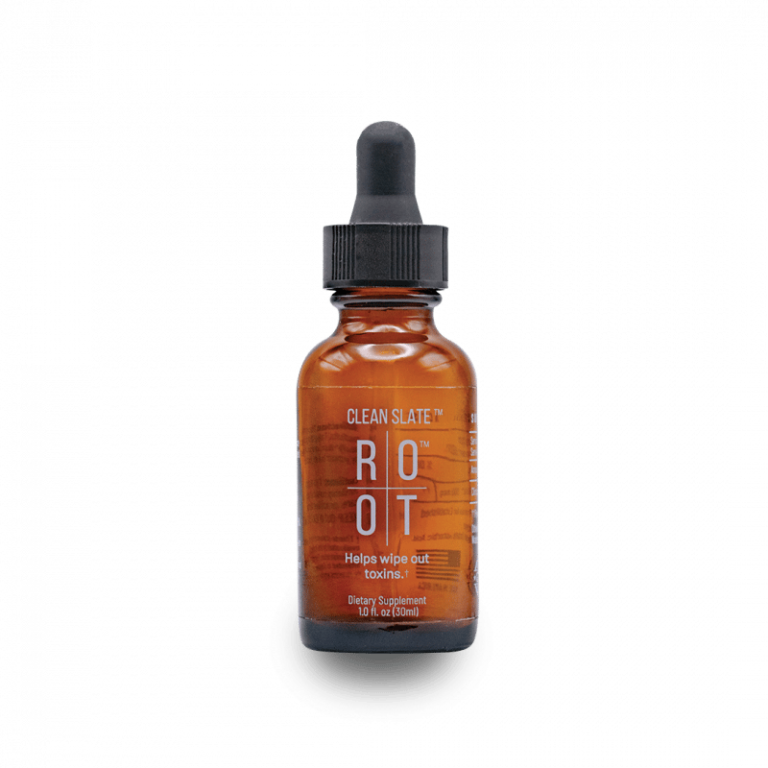
Clean Slate – Detoxes thousands of chemicals,heavy metals, pesticides, allergens, mold spores and fungus
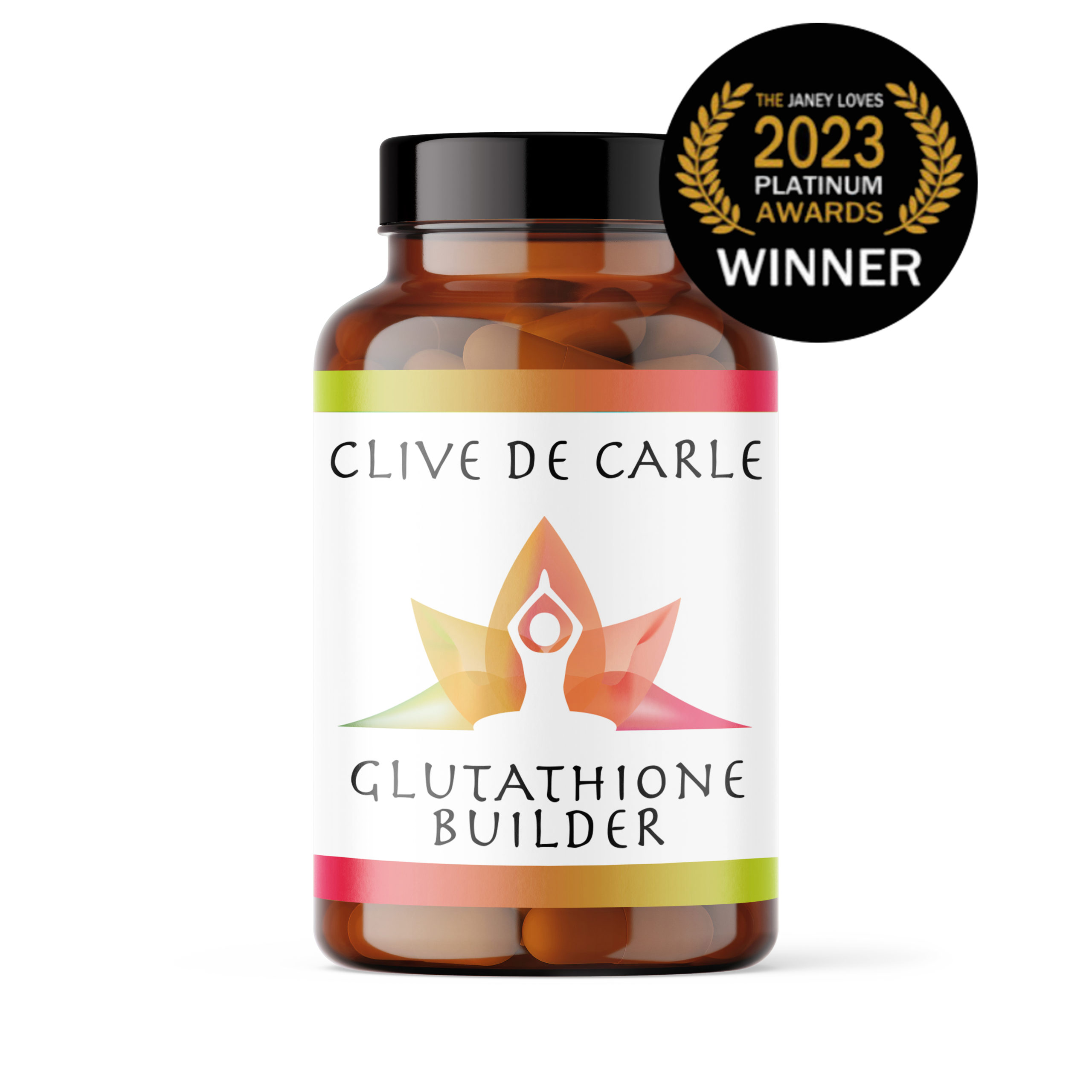
Glutathione Builder – Advanced Amino Acid Formula

Immuno – Daily Support for the Immune System
INNERSTANDING may earn a commission on purchases made through these links. All products are selected based on rigorous educational relevance to our biological research.
RABBIT HOLE
Follow the biological thread deeper
