
The Appendix-Brain Axis: Investigating the Link Between Appendicular Biofilms and Neuroinflammatory Regulation
An in-depth exploration of the appendix's role as a microbial sanctuary and its critical influence on neuroinflammation and the prevention of neurodegenerative diseases.

# The Appendix-Brain Axis: Investigating the Link Between Appendicular Biofilms and Neuroinflammatory Regulation
Introduction: Beyond the Vestigial Narrative
In the traditional medical curriculum, the human vermiform appendix has long been treated as a biological remnant of our evolutionary past—a 'vestigial' organ with no clear function other than to occasionally become inflamed and require surgical removal. However, at INNERSTANDING, we focus on the root causes of health and disease, and the emerging science of the appendix-brain axis suggests that this small, finger-like pouch is anything but redundant. On the contrary, the appendix appears to serve as a critical immune reservoir and a central hub for the regulation of the human microbiome. Most importantly, recent research has unveiled a profound connection between the appendix and the central nervous system, suggesting that the health of our appendicular biofilms may be a primary determinant of neuroinflammatory status and long-term neurological health. This long-form investigation delves into the mechanics of the Appendix-Brain Axis, exploring how a tiny organ at the end of the cecum might hold the key to preventing modern neurodegenerative epidemics.
The 'Safe House' Theory: Appendicular Biofilms and Microbial Resilience
The paradigm shift regarding the appendix began in earnest in 2007 when evolutionary biologists and immunologists proposed the 'safe house' theory. This theory posits that the appendix serves as a sanctuary for beneficial gut bacteria, protecting them from the 'flush out' that occurs during bouts of acute diarrhea or gastrointestinal infection. This protection is facilitated by the presence of robust biofilms—dense, organized colonies of bacteria encased in a protective matrix of extracellular polymeric substances (EPS) and host-derived mucus.
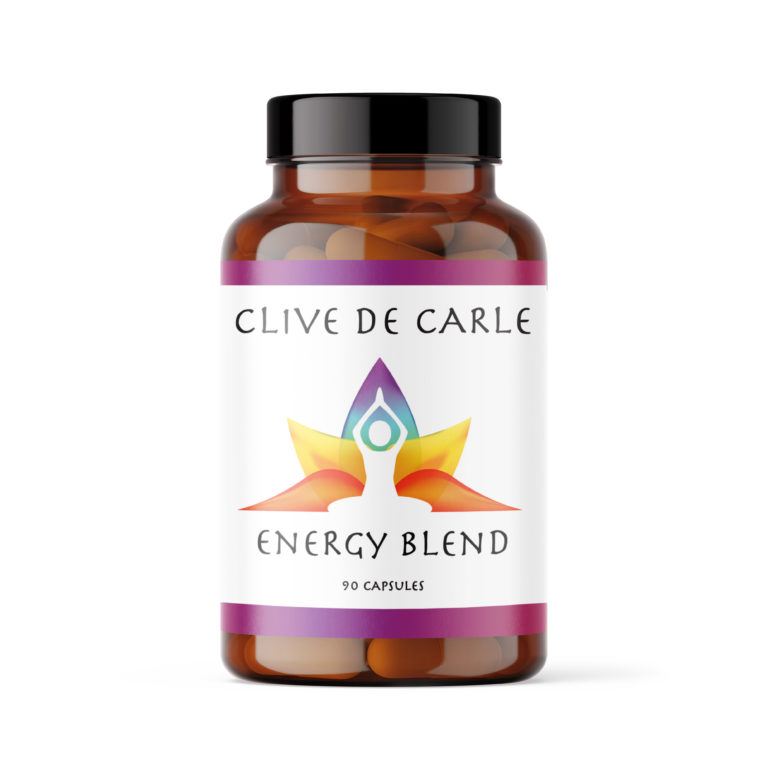
Energy Blend Supports
Energy Blend is a comprehensive formula designed to fuel your body at a cellular level, promoting sustained physical stamina and mental clarity without synthetic spikes. It targets fundamental metabolic pathways to ensure your nervous system and hormonal activity remain balanced and resilient.
Vetting Notes
Pending
Within the lumen of the appendix, these biofilms are not merely passive clusters; they are highly active immunological sites. The appendix is exceptionally rich in gut-associated lymphoid tissue (GALT), particularly B-cells and T-cells, which interact closely with the microbial inhabitants. This symbiotic relationship ensures that the immune system 'recognizes' beneficial bacterial strains while maintaining a reservoir of these microbes to repopulate the large intestine following a disturbance. When this reservoir is healthy and diverse, it supports systemic homeostasis. However, when the appendicular biofilm becomes dysbiotic—characterized by an overgrowth of pathobionts or a lack of diversity—the signals sent throughout the body begin to shift from protective to inflammatory.
The Enteric Nervous System and the Vagal Connection
To understand how the appendix influences the brain, we must look at the anatomical highways connecting the gut to the cranium. The appendix is densely populated with nerve endings that feed directly into the enteric nervous system (ENS), often referred to as the 'second brain.' The ENS is a complex network of hundreds of millions of neurons embedded in the walls of the gastrointestinal tract. Through the ENS, signals from the appendix can travel to the brain via the vagus nerve, the primary conduit for gut-brain communication.
The vagus nerve is a bi-directional highway. While the brain sends signals down to regulate motility and digestion, approximately 80-90% of the vagal fibers are afferent, meaning they carry information from the gut up to the brain. If the appendix is harboring a healthy, diverse biofilm, the biochemical messages sent to the brain are typically anti-inflammatory. Conversely, if the appendix is the site of chronic low-grade inflammation or bacterial imbalance, it can initiate a cascade of pro-inflammatory signaling. This persistent 'background noise' of inflammation can alter microglial activity in the brain, leading to the neuroinflammatory states associated with 'brain fog,' anxiety, and cognitive decline.
Neuroinflammation and the Alpha-Synuclein Link
One of the most startling discoveries in recent years is the link between the appendix and Parkinson’s disease. Parkinson’s is pathologically characterized by the accumulation of misfolded alpha-synuclein proteins in the brain, which leads to the death of dopamine-producing neurons. However, emerging research, including a landmark 2018 study published in Science Translational Medicine, suggests that this protein misfolding may actually begin in the gut—specifically in the appendix.
The appendix contains high concentrations of alpha-synuclein. In a healthy state, this protein may play a role in the local immune response. However, in the presence of chronic inflammation or appendicular dysbiosis, alpha-synuclein can begin to misfold and aggregate. These aggregates can then 'propagate' like prions, traveling up the vagus nerve to the brain. The aforementioned study, which analyzed records from over 1.6 million individuals, found that an appendectomy early in life was associated with a 19% reduction in the risk of developing Parkinson’s disease. This suggests that the appendix, when dysfunctional, can act as a 'ground zero' for the neurodegenerative processes that eventually manifest in the central nervous system.
The Appendix as an Immune Regulator
The appendix’s influence on the brain is also mediated by the systemic immune system. The lymphoid tissue in the appendix is instrumental in the production of Immunoglobulin A (IgA), which is the primary antibody responsible for mucosal immunity. IgA regulates the composition and behavior of the gut microbiota, preventing the overgrowth of harmful bacteria and ensuring that the intestinal barrier remains intact.
When the appendix is functioning optimally, it helps maintain the integrity of the 'gut-blood barrier.' When the appendix is absent or dysfunctional, there is an increased statistical risk of 'leaky gut' (increased intestinal permeability). This allow bacterial lipopolysaccharides (LPS)—potent pro-inflammatory molecules—to enter the bloodstream. Once systemic, LPS can cross the blood-brain barrier and activate the brain’s resident immune cells, the microglia. Chronic microglial activation is the hallmark of neuroinflammation, linked not only to Parkinson’s but also to Alzheimer’s disease and major depressive disorder. By maintaining the health of the appendicular reservoir, we are essentially maintaining a critical line of defense for the brain.
Root-Cause Perspectives: Preservation and Restoration
Given the appendix’s newly recognized role in neuroprotection, the traditional 'remove it just in case' approach is being increasingly scrutinized. At INNERSTANDING, we advocate for a root-cause approach that prioritizes the health of the appendicular biofilm. This involves moving beyond the reactive model of surgery and toward a proactive model of microbial management. Strategies to support the Appendix-Brain Axis include:
- —Microbial Diversification: Consuming a wide variety of plant fibers and resistant starches (like green bananas or cooked-and-cooled potatoes) to provide the necessary substrates for the beneficial bacteria living in the appendicular sanctuary.
- —Supporting Mucosal Integrity: Utilizing nutrients like L-glutamine, zinc carnosine, and omega-3 fatty acids to ensure the lining of the appendix remains robust and the protective biofilm matrix is well-maintained.
- —Optimizing Vagal Tone: Since the communication between the appendix and brain is bidirectional, improving vagal tone through practices like diaphragmatic breathing, cold exposure, and gargling can help regulate the inflammatory environment of the gut.
- —Judicious Use of Antibiotics: Antibiotics can devastate biofilms. When their use is necessary, following up with targeted prebiotics and probiotics is essential to help the appendix 'safe house' recover its diversity.
Conclusion: A New Frontier in Neuroprotection
The investigation into the appendix-brain axis represents a new frontier in our understanding of the human holobiont—the symbiotic entity of human and microbial cells. By recognizing the appendix as a sophisticated immune reservoir and a regulator of neuroinflammation, we move away from the vestigial myth and toward a more integrated model of systemic health. The health of our brains is inextricably linked to the health of our gut, and the humble appendix stands at the center of this vital connection. Protecting our appendicular biofilms is not just about avoiding surgery; it is a fundamental strategy for safeguarding our cognitive future against the rising tide of neurodegenerative disease.
This article is provided for informational and educational purposes only. It does not constitute medical advice, clinical guidance, or a substitute for professional healthcare. Information reflects cited research at time of publication. Always consult a qualified healthcare professional before acting on any health information.
RESEARCH FOUNDATIONS
Biological Credibility Archive
Citations provided for educational reference. Verify via PubMed or institutional databases.
Medical Disclaimer
The information in this article is for educational purposes only and does not constitute medical advice, diagnosis, or treatment. Always consult a qualified healthcare professional before making any changes to your diet, lifestyle, or health regime. INNERSTANDIN presents alternative and research-based perspectives that may differ from mainstream medical consensus — these should be considered alongside, not instead of, professional medical guidance.
Read Full DisclaimerReady to learn more?
Continue your journey through our classified biological research.
DISCUSSION ROOM
Members of THE COLLECTIVE discussing "The Appendix-Brain Axis: Investigating the Link Between Appendicular Biofilms and Neuroinflammatory Regulation"
SILENT CHANNEL
Be the first to discuss this article. Your insight could help others understand these biological concepts deeper.
THE ARSENAL
Based on Appendix Function & Immune Reservoir — products curated by our research team for educational relevance and biological support.
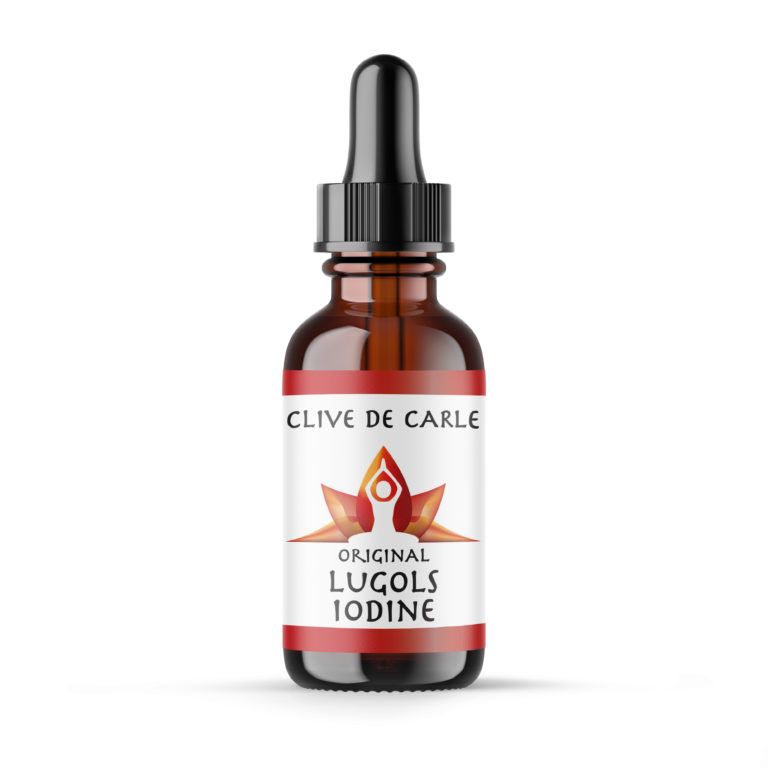
Lugol’s Iodine – Hormonal Issues, Menopause, Immune System, Brain Fog, Memory, Thyroid, Dry Skin

Rejuvenation Pack – Essential Vitamins and Minerals for Health Restoration

Glutathione Builder – Advanced Amino Acid Formula
INNERSTANDING may earn a commission on purchases made through these links. All products are selected based on rigorous educational relevance to our biological research.