
Ultra-Processed Foods and the Hypothalamus: Investigating Dietary Triggers of Chronic Neuroinflammation
Updated April 2026
Evidence orientation
Editorial context not yet recorded
Follow this category
This stays in this browser. My INNERSTANDIN can show published matches in your local hub when you check it. It does not send email, push, or alert notifications.
Local learning review
A private browser aid for revisiting ideas. It is not an alert or a health recommendation.
Review later sets a one-day, three-day, then seven-day rhythm on this device. Choose it only when you want to revisit this article.
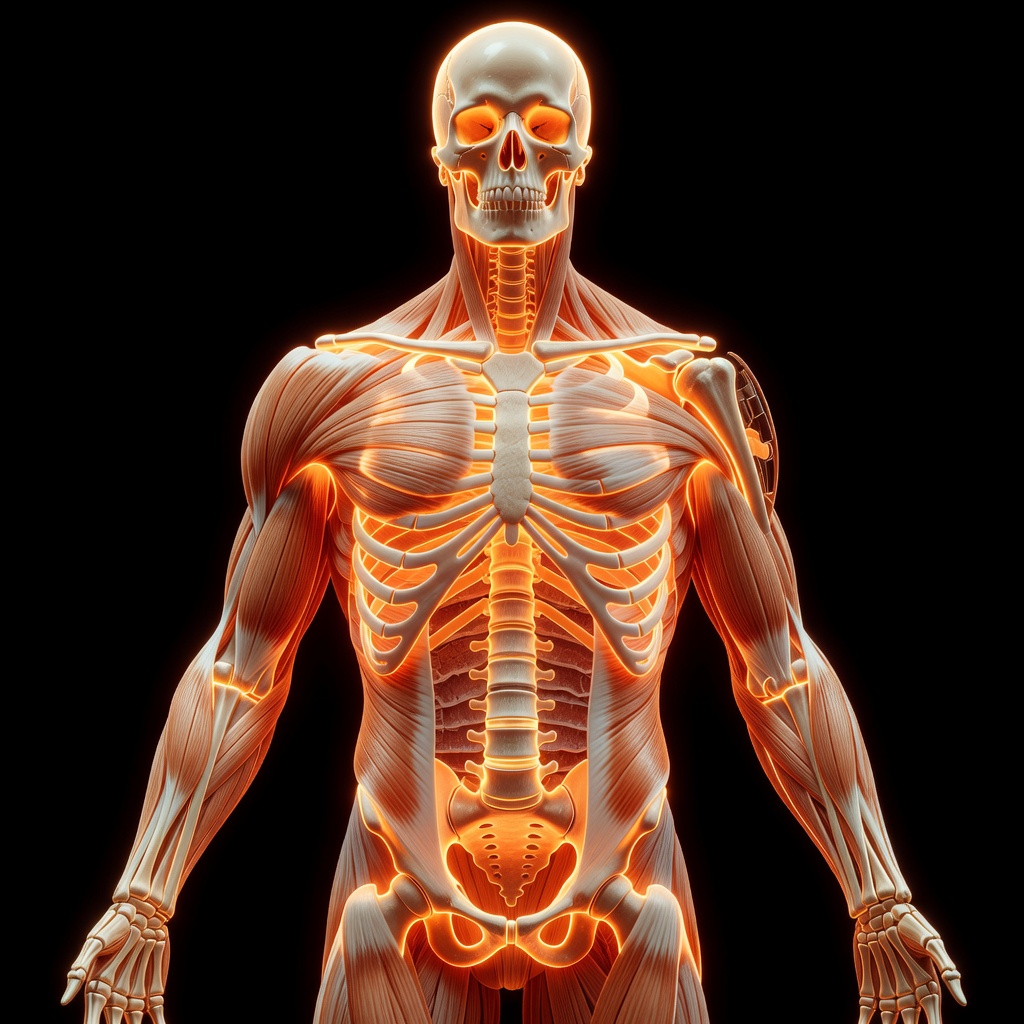
The modern British diet has undergone a radical transformation over the last five decades. We have shifted from a foundation of whole, single-ingredient foods to a landscape dominated by Ultra-Processed Foods (UPFs)—industrial formulations engineered for hyper-palatability and infinite shelf life. While the public health discourse has long focused on the caloric density of these foods and their link to obesity, a more insidious reality is emerging from the frontiers of neuroscience.
Recent research suggests that UPFs are not merely expanding our waistlines; they are setting fire to our brains. Specifically, they are triggering chronic neuroinflammation within the hypothalamus, the master regulator of our metabolism, hormones, and internal balance. This article explores the biological mechanisms of this dietary assault, the unique challenges within the UK landscape, and how we can shield our neurology from industrial interference.
The Hypothalamus: The Vulnerable Command Centre
The hypothalamus is a small but vital region located at the base of the brain. Often described as the "Command Centre," it coordinates the autonomic nervous system and the endocrine system. It governs everything from hunger and thirst to body temperature, sleep cycles, and emotional responses.
Unlike much of the brain, which is shielded by the highly selective Blood-Brain Barrier (BBB), certain parts of the hypothalamus are "leaky" by design. This allows it to "sample" the blood for hormones like leptin (the satiety hormone) and gholin (the hunger hormone). However, this inherent openness makes the hypothalamus uniquely vulnerable to circulating pro-inflammatory markers and industrial toxins found in UPFs.
"The hypothalamus is the bridge between the nervous system and the endocrine system. When this bridge is compromised by dietary-induced inflammation, the fundamental homeostatic signals of the body begin to fail."
Biological Mechanisms: How UPFs Trigger Neuroinflammation
The link between a diet high in ultra-processed ingredients and brain inflammation is mediated through several complex pathways. It is not just about sugar or fat; it is about the synergy of industrial additives and the absence of protective nutrients.
1. Hypothalamic Gliosis
When we consume high-fat, high-sugar UPFs, the brain’s immune cells—microglia and astrocytes—become overactive. In a healthy state, these cells protect neurons. However, in response to the constant influx of industrial fats and refined carbohydrates, they undergo gliosis. This is a scarring process where the cells change shape and begin secreting pro-inflammatory cytokines like TNF-alpha and Interleukin-6.
Remarkably, studies have shown that hypothalamic inflammation can occur within 24 to 48 hours of consuming a "Western-style" meal, often long before any measurable weight gain occurs.
2. The Disruption of Leptin and Insulin Signalling
Chronic neuroinflammation in the hypothalamus leads to central leptin resistance. In a healthy brain, leptin tells the hypothalamus that the body has enough energy stores, suppressing appetite. When the hypothalamus is inflamed, the "satiety signal" is blocked. The brain perceives the body as starving despite an abundance of stored energy, leading to a relentless drive to consume more UPFs.
3. Emulsifiers and the "Leaky Gut-Brain" Axis
UPFs are laden with emulsifiers (such as carboxymethylcellulose and polysorbate 80) designed to improve texture. Research indicates these compounds erode the protective mucus layer of the gut. This leads to intestinal permeability (leaky gut), allowing bacterial components like Lipopolysaccharides (LPS) to enter the bloodstream. LPS is a potent neurotoxin that can cross into the brain, directly activating the inflammatory cascade in the hypothalamus.
4. Oxidative Stress and Mitochondrial Dysfunction
Industrial processing often strips foods of antioxidants and replaces them with oxidised seed oils and synthetic preservatives. These compounds increase the production of Reactive Oxygen Species (ROS) within hypothalamic neurons. This oxidative stress damages the mitochondria (the powerhouses of the cell), leading to neuronal dysfunction and further fuelling the cycle of chronic inflammation.
The UK Context: A Public Health Crisis
The United Kingdom currently has the highest consumption of ultra-processed foods in Europe. Recent data suggests that UPFs account for more than 50% of the average British calorie intake, with this figure rising to as high as 80% in children and low-income demographics.
The "British Paradox"
Despite the NHS’s long-standing guidelines on "balanced diets," the prevalence of metabolic syndrome and neurodegenerative conditions continues to climb. This is largely because the UK food environment is "obesogenic" by design. Supermarket aisles are dominated by items containing five or more ingredients—many of which are not found in a domestic kitchen—such as modified starches, hydrolysed proteins, and high-fructose corn syrup.
The Socioeconomic Divide
In the UK, there is a stark correlation between lower socioeconomic status and UPF consumption. Highly processed, calorie-dense foods are often significantly cheaper than fresh produce. This creates a "neuro-inflammatory trap" where those with the least resources are most exposed to dietary triggers that impair cognitive function and metabolic health, further entrenching health inequalities.
Environmental Factors and Industrial "Hacking"
The rise in hypothalamic neuroinflammation cannot be blamed solely on individual choice; it is a product of an environment engineered for overconsumption.
- Hyper-Palatability: UPFs are designed using the "bliss point"—a precise ratio of salt, sugar, and fat that overrides the brain’s natural satiety mechanisms. This triggers a massive dopamine release in the reward centres, which the hypothalamus must then attempt to balance, often failing under the constant chemical barrage.
- Food Deserts and Swamps: Many urban areas in Britain are "food swamps," saturated with fast-food outlets and convenience stores but lacking affordable access to fresh, whole foods.
- Hidden Additives: From MSG derivatives to artificial sweeteners like aspartame, many legal additives in the UK food supply have been implicated in excitotoxicity—a process where nerve cells are overstimulated to the point of damage.
Protective Strategies: Reclaiming Your Brain Health
The damage caused by UPFs is significant, but the brain possesses a degree of neuroplasticity. By removing dietary triggers and introducing neuro-protective compounds, it is possible to dampen hypothalamic inflammation and restore metabolic sensitivity.
1. The "Real Food" Mandate
The most effective strategy is the total or near-total elimination of NOVA Category 4 foods (ultra-processed). Shift toward a diet of whole, single-ingredient foods: pasture-raised meats, wild-caught fish, organic vegetables, and fermented foods. If a product has a long list of ingredients you don't recognise, it is an industrial product, not a food.
2. Prioritise Omega-3 Fatty Acids
Docosahexaenoic acid (DHA) and Eicosapentaenoic acid (EPA), found in oily fish like mackerel and sardines, are potent anti-inflammatories. They have been shown to directly inhibit the activation of microglia in the hypothalamus, helping to "cool" the neuro-inflammatory fire.
3. Polyphenol-Rich Nutrition
Compounds found in colourful plants—such as curcumin (turmeric), quercetin (onions/apples), and anthocyanins (blueberries)—can cross the blood-brain barrier and activate the Nrf2 pathway, the body’s internal antioxidant defence system.
4. Circadian Alignment and Fasting
The hypothalamus is the master of the circadian rhythm. Eating late at night, especially UPFs, severely disrupts hypothalamic signalling. Implementing Time-Restricted Eating (TRE)—such as a 16:8 window—gives the brain a "housekeeping" period to clear out metabolic waste via the glymphatic system.
5. Fibre and Gut Integrity
Increasing intake of soluble and insoluble fibre from whole plants feeds the beneficial gut bacteria. These bacteria produce Short-Chain Fatty Acids (SCFAs) like butyrate, which have systemic anti-inflammatory effects and help maintain the integrity of both the gut and the blood-brain barrier.
Key Takeaways: Understanding the Silent Threat
To protect our long-term health, we must move beyond the "calories in vs. calories out" myth and recognise the biological impact of food processing.
- UPFs are Neurotoxic: Ultra-processed foods trigger a rapid inflammatory response in the hypothalamus, the brain's homeostatic control centre.
- Biological Hacking: The combination of additives, industrial fats, and refined sugars bypasses natural satiety, leading to central leptin resistance.
- The UK Crisis: Britain’s reliance on UPFs (over 50% of the diet) is a primary driver of the national neuroinflammation and metabolic health crisis.
- The Barrier Breach: Additives like emulsifiers damage the gut-brain axis, allowing toxins to migrate from the intestines to the brain.
- Recovery is Possible: Through whole-food nutrition, Omega-3 supplementation, and circadian discipline, the hypothalamus can begin to heal.
Final Thought: We are currently living through a massive, uncontrolled experiment in human nutrition. For the first time in history, the majority of our calories come from substances our ancestors would not recognise as food. To protect the hypothalamus is to protect the very core of our biological identity. It is time to stop eating "products" and return to eating life.
Author Note: This article is for educational purposes for INNERSTANDING. If you are struggling with chronic health issues, consult a healthcare professional or a registered nutritional therapist who understands the nuances of neuroinflammation.
This article is provided for informational and educational purposes only. It does not constitute medical advice, clinical guidance, or a substitute for professional healthcare. Information reflects cited research at time of publication. Always consult a qualified healthcare professional before acting on any health information.
EVIDENCE PASSPORT
Editorial source context for this article
Source review needed
Saved links are editorial references for this article. They may support specific claims rather than every sentence. Open and assess each source in context. This passport does not independently verify them.
Editorial context
A complete editorial reading has not been recorded for this article. Source links remain available for you to open and assess directly.
Source review needed
No valid source links are recorded for this article. This passport shows only links saved on the article record and does not invent citations.
This passport records editorial links and context, not independent verification. Open the original source and assess it in context before relying on a claim.
Medical Disclaimer
The information in this article is for educational purposes only and does not constitute medical advice, diagnosis, or treatment. Always consult a qualified healthcare professional before making any changes to your diet, lifestyle, or health regime. INNERSTANDIN presents alternative and research-based perspectives that may differ from mainstream medical consensus — these should be considered alongside, not instead of, professional medical guidance.
Read Full DisclaimerContinue the thread
Keep this question moving.
Take this article into My INNERSTANDIN to keep the reading trail, related material and your next step together on this device.
Explore this in the Body Map
See where this hits your biology. Interactive anatomy, threats, and protective protocols.
Dig deeper in the Library
Free, longform PDF volumes that go beyond headlines into mechanisms and references.