
Myokines and the Neuro-Immune Axis: How Exercise-Induced Signalling Protects the Ageing Brain
Updated April 2026
Explore how exercise-induced myokines and the neuro-immune axis protect the ageing brain. Learn how muscle signalling combats neuroinflammation naturally.
Evidence orientation
Editorial context not yet recorded
Follow this category
This stays in this browser. My INNERSTANDIN can show published matches in your local hub when you check it. It does not send email, push, or alert notifications.
Local learning review
A private browser aid for revisiting ideas. It is not an alert or a health recommendation.
Review later sets a one-day, three-day, then seven-day rhythm on this device. Choose it only when you want to revisit this article.
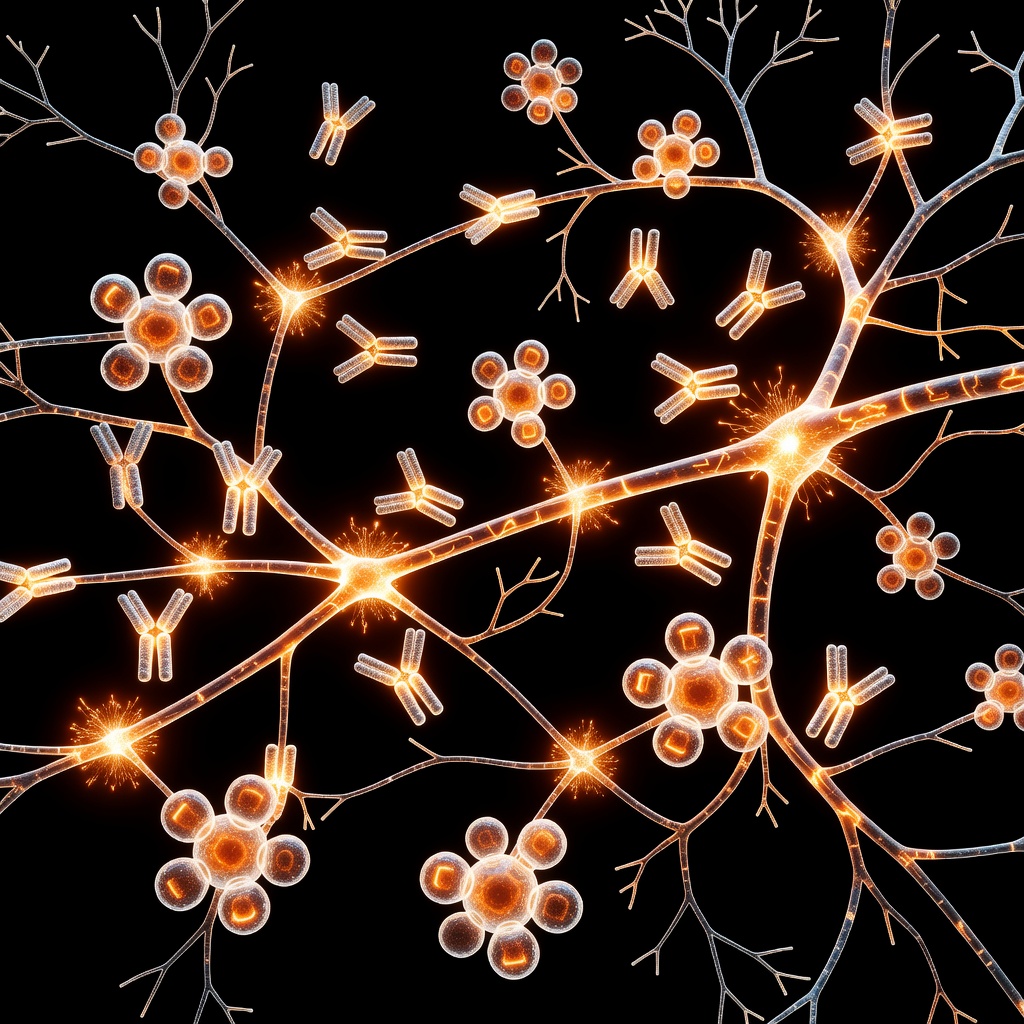
The modern medical narrative has long treated the human body as a collection of isolated compartments. We are told the brain is protected by a near-impenetrable barrier, that the immune system is a roving military force, and that skeletal muscle is merely a mechanical lever for locomotion. This reductionist view is not only outdated—it is dangerous.
Emerging research into the neuro-immune axis has revealed a profound biological truth: our muscles are the largest endocrine organ in the body, and every time they contract, they secrete a potent cocktail of "messenger molecules" known as myokines. These chemicals act as the primary communication link between physical exertion and cognitive resilience. In an era where neurodegenerative diseases are reaching epidemic proportions in the UK, understanding the muscle-brain dialogue is no longer optional; it is a prerequisite for survival in an ageing society.
The Endocrine Muscle: Breaking the "Mechanical" Myth
For decades, skeletal muscle was viewed through the lens of physics: force, torque, and leverage. We now know that muscle is a sophisticated chemical factory. When muscle fibres contract, they synthesise and release hundreds of different peptides into the bloodstream. These are myokines.
Unlike local growth factors, myokines have systemic effects. They travel through the circulatory system to interact with distant organs, including the liver, adipose tissue, and, most crucially, the brain. This discovery has revolutionised our understanding of neuroinflammation. It suggests that the "brain fog," cognitive decline, and depression often associated with ageing are not inevitable biological decays, but are frequently the result of "silenced" muscles.
"The sedentary state is not a neutral state; it is a pro-inflammatory state. By failing to engage the muscular system, we deprive the brain of the essential chemical signals required for its repair and maintenance."
Biological Mechanisms: How Myokines Cross the Divide
The brain is shielded by the Blood-Brain Barrier (BBB), a selective membrane designed to keep toxins out. However, evolution has ensured that the "pharmacy of the body"—the muscles—has a VIP pass.
The Power of Irisin and the PGC-1α Pathway
One of the most significant breakthroughs in exercise physiology was the discovery of Irisin. Triggered by the protein PGC-1α during aerobic exercise, Irisin is cleaved from the muscle membrane and enters the blood.
Once it reaches the brain, Irisin stimulates the expression of Brain-Derived Neurotrophic Factor (BDNF). BDNF is often described by neuroscientists as "Miracle-Gro" for the brain. It supports the survival of existing neurons, encourages the growth of new ones (neurogenesis), and strengthens the synapses that allow for learning and memory.
Cathepsin B: The Memory Molecule
Another critical player is Cathepsin B, a myokine that increases significantly after high-intensity movement. Research indicates that Cathepsin B can cross the BBB and directly enhance the expression of genes involved in memory consolidation. In animal models, when the gene for Cathepsin B is "knocked out," the cognitive benefits of exercise vanish, proving that the muscle-to-brain signal is the primary driver of mental acuity.
Modulating the Microglia
The brain has its own resident immune system, primarily composed of microglia. In a healthy brain, microglia are "surveyors," cleaning up debris. However, as we age—a process termed inflammageing—microglia can become hyper-reactive or "primed." They enter a state of chronic activation, pumping out pro-inflammatory cytokines that kill healthy neurons.
Myokines (specifically IL-6, when produced by muscle rather than fat) act as potent anti-inflammatory signals that "calm" the microglia. They shift the neuro-immune environment from a pro-inflammatory, neurotoxic state to an anti-inflammatory, neuroprotective state.
The UK Context: A Crisis of Inactivity
The United Kingdom is currently facing a public health "perfect storm." According to the NHS, dementia is the leading cause of death in the UK, and the economic cost of physical inactivity is estimated at over £7 billion annually.
The British "screen culture" and the shift toward sedentary service-sector roles have effectively decommissioned the human muscular system. We are living through a biological mismatch: our genetic blueprint requires the high-volume myokine signalling of a hunter-gatherer, but our environment provides the stagnant physiology of a desk-dweller.
Furthermore, the UK's ageing population is increasingly reliant on pharmaceutical interventions for mood and memory. Yet, no drug in existence can replicate the multi-target, systemic benefits of the myokine surge produced by a 30-minute bout of resistance training.
Environmental Factors and the "Sedentary Office" Trap
The environment we inhabit directly dictates our neuro-immune health. The modern office is essentially an "anti-brain" environment.
- Circadian Mismatch: Lack of natural light suppresses the hormonal precursors needed for optimal muscle-nerve communication.
- Air Quality: UK urban areas often suffer from high levels of particulate matter (PM2.5). These particles can cross into the brain, triggering the very neuroinflammation that myokines are meant to suppress.
- Ultra-Processed Foods (UPFs): A diet high in UPFs creates systemic insulin resistance. When muscles become insulin resistant, their ability to produce myokines like Irisin is severely impaired.
Key Fact: Research shows that just two weeks of physical inactivity (less than 1,500 steps a day) leads to significant muscle loss and a measurable decline in metabolic health, effectively "muting" the neuro-protective signals from the muscles to the brain.
Protective Strategies: Activating the Neuro-Immune Axis
To protect the ageing brain, we must move beyond the "calories in, calories out" model of exercise. Movement must be viewed as biological information.
1. Resistance Training: The Foundation of Myokines
While aerobic exercise is vital for BDNF, resistance training (weightlifting, calisthenics) is the primary driver of muscle hypertrophy and the release of insulin-like growth factor 1 (IGF-1). IGF-1 works synergistically with BDNF to improve cognitive processing speed. Aim for at least two "heavy" sessions per week to maintain the endocrine capacity of the muscle.
2. High-Intensity Interval Training (HIIT)
HIIT has been shown to be particularly effective at boosting the PGC-1α pathway. Short bursts of intense effort create a transient "metabolic stress" that forces the muscle to pump out a higher concentration of myokines in a shorter period.
3. The "Movement Snack"
To counter the "Sedentary Office" trap, implement movement snacks. A three-minute burst of air squats or brisk walking every hour prevents the "slumping" of the metabolic rate and keeps a trickle of myokines flowing to the brain throughout the day.
4. Nutrition for Signal Support
To optimise the neuro-immune axis, the body requires specific building blocks:
- Omega-3 Fatty Acids: Critical for maintaining the fluidity of the BBB and the sensitivity of myokine receptors.
- Magnesium: Required for the synthesis of ATP, the fuel that allows muscles to contract and secrete peptides.
- Polyphenols: Found in berries and dark chocolate, these compounds work alongside myokines to reduce oxidative stress in the brain.
Key Takeaways: The Innerstanding Perspective
The protection of the ageing brain does not happen in a doctor’s surgery; it happens on the gym floor, in the park, and in the daily choices we make to move our bodies.
- Muscle is an Organ: Recognise that your muscles are your brain's primary support system. They are not just for aesthetics; they are for cognitive longevity.
- The Axis is Dynamic: The neuro-immune axis is a two-way street. Physical movement signals to the brain that the environment is "active," prompting the brain to invest in repair and neurogenesis.
- Fight Inflammageing: Chronic low-grade inflammation is the root of most British health woes. Myokines are the body's natural "fire extinguishers" for this inflammation.
- Autonomy is Mastery: By understanding the myokine-brain connection, you move from being a passive victim of "ageing" to an active architect of your own neurological future.
In conclusion, the "truth" that modern society often obscures is that we are biologically wired for movement. When we stop moving, the dialogue between our body and our brain ceases, and the brain begins to atrophy in the silence. By re-engaging our skeletal muscles, we reignite the neuro-immune axis, flooding the brain with the protective, regenerative signals it evolved to receive. The pharmacy is within you; it is time to start the "programme."
"References & Further Reading:"
- Pedersen, B. K. (2011). Muscles and their receptors. Journal of Experimental Biology.
- Bostrom, P., et al. (2012). A PGC1-α-dependent myokine that drives brown-fat-like development of white fat and thermogenesis. Nature.
- Moon, H. Y., et al. (2016). Running-Induced Systemic Cathepsin B Mediates Cognitive Function. Cell Metabolism.
This article is provided for informational and educational purposes only. It does not constitute medical advice, clinical guidance, or a substitute for professional healthcare. Information reflects cited research at time of publication. Always consult a qualified healthcare professional before acting on any health information.
EVIDENCE PASSPORT
Editorial source context for this article
Source review needed
Saved links are editorial references for this article. They may support specific claims rather than every sentence. Open and assess each source in context. This passport does not independently verify them.
Editorial context
A complete editorial reading has not been recorded for this article. Source links remain available for you to open and assess directly.
Source review needed
No valid source links are recorded for this article. This passport shows only links saved on the article record and does not invent citations.
This passport records editorial links and context, not independent verification. Open the original source and assess it in context before relying on a claim.
Medical Disclaimer
The information in this article is for educational purposes only and does not constitute medical advice, diagnosis, or treatment. Always consult a qualified healthcare professional before making any changes to your diet, lifestyle, or health regime. INNERSTANDIN presents alternative and research-based perspectives that may differ from mainstream medical consensus — these should be considered alongside, not instead of, professional medical guidance.
Read Full DisclaimerContinue the thread
Keep this question moving.
Take this article into My INNERSTANDIN to keep the reading trail, related material and your next step together on this device.
Explore this in the Body Map
See where this hits your biology. Interactive anatomy, threats, and protective protocols.
Dig deeper in the Library
Free, longform PDF volumes that go beyond headlines into mechanisms and references.