Microglial Activation and Neuroinflammation: Investigating Pro-Inflammatory Cytokines as Drivers of Premenstrual Distress
An in-depth exploration of the neurobiological mechanisms underlying Premenstrual Dysphoric Disorder (PMDD), shifting the focus from simple hormonal fluctuations to the complex interplay of microglial activation, pro-inflammatory cytokines, and neuroinflammation in the central nervous system.
# Microglial Activation and Neuroinflammation: Investigating Pro-Inflammatory Cytokines as Drivers of Premenstrual Distress
Beyond the Uterus: The Neuroinflammatory Landscape of PMDD
For decades, Premenstrual Dysphoric Disorder (PMDD) was dismissed as a standard 'hormonal imbalance' or a psychological inability to cope with the natural menstrual cycle. However, emerging research from the field of immunopsychiatry is reframing PMDD not as a disorder of hormone levels, but as a disorder of cellular sensitivity—specifically, a neuroinflammatory response to the fluctuations of oestrogen and progesterone. At the heart of this response are microglia: the brain's resident immune cells. When these cells become over-activated, they release a cascade of pro-inflammatory cytokines that disrupt neural signalling, leading to the severe emotional and physical distress characteristic of PMDD. This article investigates the root causes of this activation and how it drives the debilitating symptoms experienced during the luteal phase.
The Role of Microglia: The Brain's Sentinels
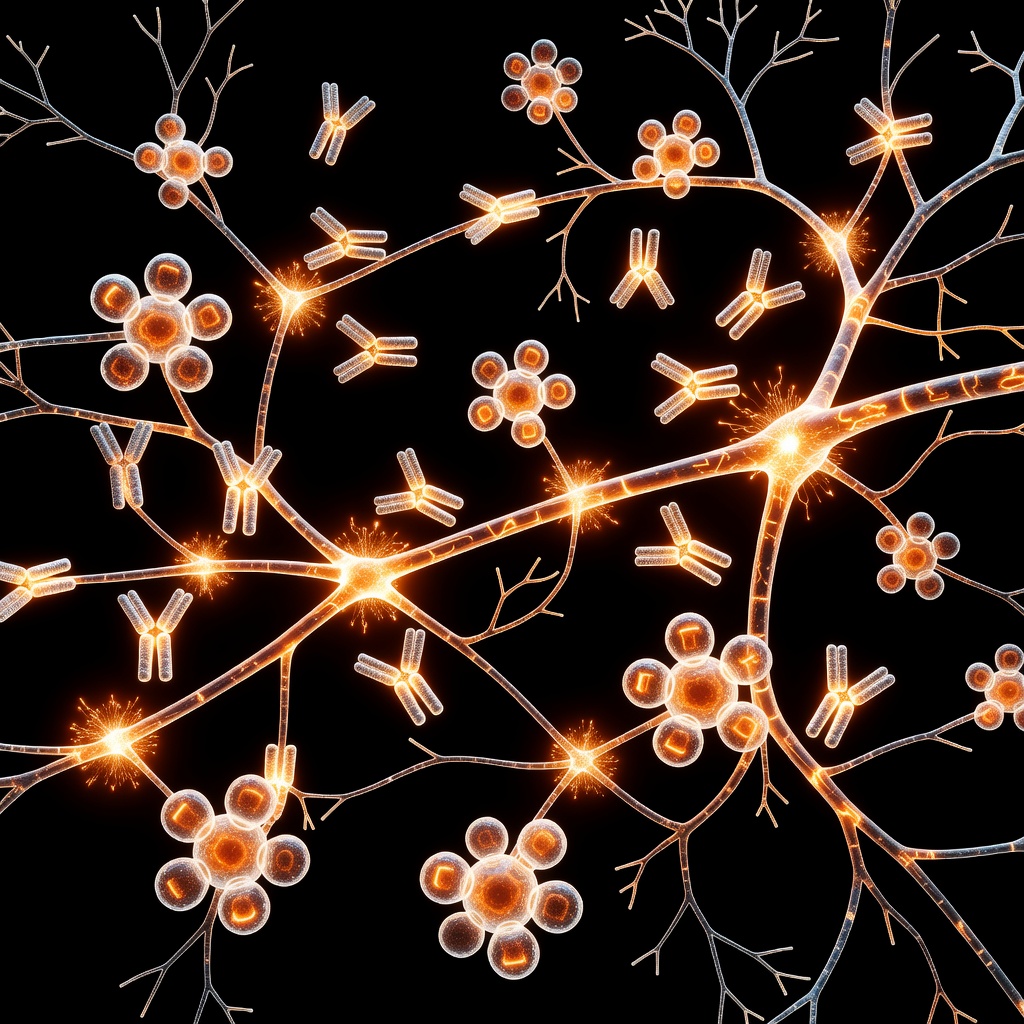
Microglia constitute approximately 10-15% of all cells within the central nervous system (CNS). Historically viewed as mere 'support cells' for neurons, we now understand that microglia are dynamic immune sentinels. They are responsible for synaptic pruning, the removal of cellular debris, and, most crucially, the orchestration of the brain’s inflammatory response.
In a healthy state, microglia exist in a 'resting' or 'surveying' mode. However, in individuals with PMDD, these cells appear to be 'primed' or hypersensitive. During the luteal phase—the period after ovulation and before menstruation—the rapid fluctuations in neurosteroids can act as a trigger. For those with a genetic or epigenetic predisposition, these fluctuations shift microglia from their surveying state into a pro-inflammatory 'M1' phenotype. Once activated, microglia change their morphology and begin secreting potent chemical messengers known as cytokines.
Pro-Inflammatory Cytokines: The Chemical Drivers of Distress
Cytokines are small proteins that mediate and regulate immunity and inflammation. In the context of PMDD, three specific pro-inflammatory cytokines have been identified as primary drivers of neuroinflammation: Interleukin-6 (IL-6), Interleukin-1 beta (IL-1̢), and Tumour Necrosis Factor-alpha (TNF-α).
- —Interleukin-6 (IL-6): Elevated levels of IL-6 during the luteal phase have been significantly correlated with the severity of depressive symptoms and 'brain fog' in PMDD patients. IL-6 has the unique ability to cross the blood-brain barrier and can also be produced locally by activated microglia, where it interferes with neurotransmitter synthesis.
- —TNF-alpha (TNF-α): This cytokine is a potent master regulator of the inflammatory cascade. Chronic elevation of TNF-α in the brain is known to alter the permeability of the blood-brain barrier, allowing systemic inflammatory markers to leak into the CNS, further exacerbating the cycle of neuroinflammation.
- —Interleukin-1 beta (IL-1̢): IL-1̢ is a key product of the NLRP3 inflammasome, a multi-protein complex that is increasingly implicated in mood disorders. High levels of IL-1̢ are linked to heightened anxiety and physical pain sensitivity, common hallmarks of the premenstrual experience for those with PMDD.
The Oestrogen-Microglia Crosstalk
Oestrogen (specifically oestradiol) is generally neuroprotective; it typically exerts anti-inflammatory effects by inhibiting microglial activation. However, the 'root cause' of PMDD lies in a dysfunctional response to the *withdrawal* or fluctuation of oestrogen. In the premenstrual phase, as oestrogen levels drop, the protective 'brake' on the immune system is removed.
Recent genomic studies have highlighted variations in the ESR1 gene (which encodes oestrogen receptor alpha) in individuals with PMDD. These genetic variations mean that immune cells in the brain do not receive the 'calm down' signal from oestrogen effectively. Instead, the immune system overreacts to the drop in hormones, triggering an inflammatory 'storm' that affects regions of the brain responsible for emotional regulation, such as the amygdala and the prefrontal cortex.
From Inflammation to Mood: The Kynurenine Pathway and Glutamate
How does a cytokine like IL-6 translate into a panic attack or a depressive episode? The bridge is the Kynurenine pathway. When neuroinflammation is high, the body shunts the amino acid tryptophan away from the production of serotonin (the 'feel-good' neurotransmitter) and towards the production of kynurenine.
From kynurenine, the brain produces quinolinic acid, a neurotoxin that activates NMDA receptors, leading to an excess of glutamate. This creates a state of 'excitotoxicity'—where neurons are over-stimulated, resulting in acute anxiety, irritability, and insomnia. Simultaneously, the lack of serotonin leads to the low mood and carbohydrate cravings typical of the luteal phase. In PMDD, the brain is essentially suffering from a temporary, cycle-linked state of excitotoxic neuroinflammation.
Systemic Inflammation and the Gut-Brain Axis
While the primary focus is on the brain, the root cause of microglial activation often begins in the body. Systemic inflammation, driven by gut dysbiosis (an imbalance of gut bacteria) or chronic stress, 'primes' the microglia. When the gut barrier is compromised (often called 'leaky gut'), lipopolysaccharides (LPS) from bacteria enter the bloodstream. These LPS molecules are some of the most potent activators of microglia. For a person with PMDD, a baseline of systemic inflammation makes the brain’s immune system far more likely to 'over-fire' when the hormonal shifts of the menstrual cycle occur.
Therapeutic Frontiers: Calming the Storm
Understanding PMDD as a neuroinflammatory disorder opens up new avenues for treatment that go beyond the birth control pill or standard antidepressants.
- —Anti-Inflammatory Nutrition: Diets rich in polyphenols (found in berries and dark chocolate) and omega-3 fatty acids (found in oily fish) have been shown to dampen microglial activation. Curcumin, the active compound in turmeric, is currently being studied for its ability to cross the blood-brain barrier and inhibit the NLRP3 inflammasome.
- —Magnesium and Zinc: These minerals act as natural NMDA receptor antagonists, helping to mitigate the effects of excess glutamate caused by neuroinflammation.
- —Targeting the ESR1 Pathway: Future pharmaceutical developments may focus on selective oestrogen receptor modulators (SERMs) that specifically target the immune-stabilising properties of oestrogen without affecting the reproductive system.
- —Vagus Nerve Stimulation: Techniques that increase vagal tone can inhibit the production of systemic cytokines, providing a 'bottom-up' approach to reducing neuroinflammation.
Conclusion: A New Paradigm for PMDD
By reframing PMDD as a condition of microglial activation and neuroinflammation, we move away from the stigma of 'hormonal moodiness' and toward a sophisticated biological model. PMDD is an immune-metabolic-endocrine disorder where the brain's immune system reacts inappropriately to the standard ebb and flow of reproductive life. Recognising the role of pro-inflammatory cytokines like IL-6 and TNF-α allows patients and practitioners to focus on root-cause interventions—calming the nervous system, healing the gut, and reducing the systemic inflammatory load to ultimately dampen the neuroinflammatory storm of the luteal phase.
This article is provided for informational and educational purposes only. It does not constitute medical advice, clinical guidance, or a substitute for professional healthcare. Information reflects cited research at time of publication. Always consult a qualified healthcare professional before acting on any health information.
RESEARCH FOUNDATIONS
Biological Credibility Archive
Citations provided for educational reference. Verify via PubMed or institutional databases.
Medical Disclaimer
The information in this article is for educational purposes only and does not constitute medical advice, diagnosis, or treatment. Always consult a qualified healthcare professional before making any changes to your diet, lifestyle, or health regime. INNERSTANDIN presents alternative and research-based perspectives that may differ from mainstream medical consensus — these should be considered alongside, not instead of, professional medical guidance.
Read Full DisclaimerReady to learn more?
Continue your journey through our classified biological research.
THE ARSENAL
Based on PMDD & Premenstrual Dysphoric Disorder — products curated by our research team for educational relevance and biological support.
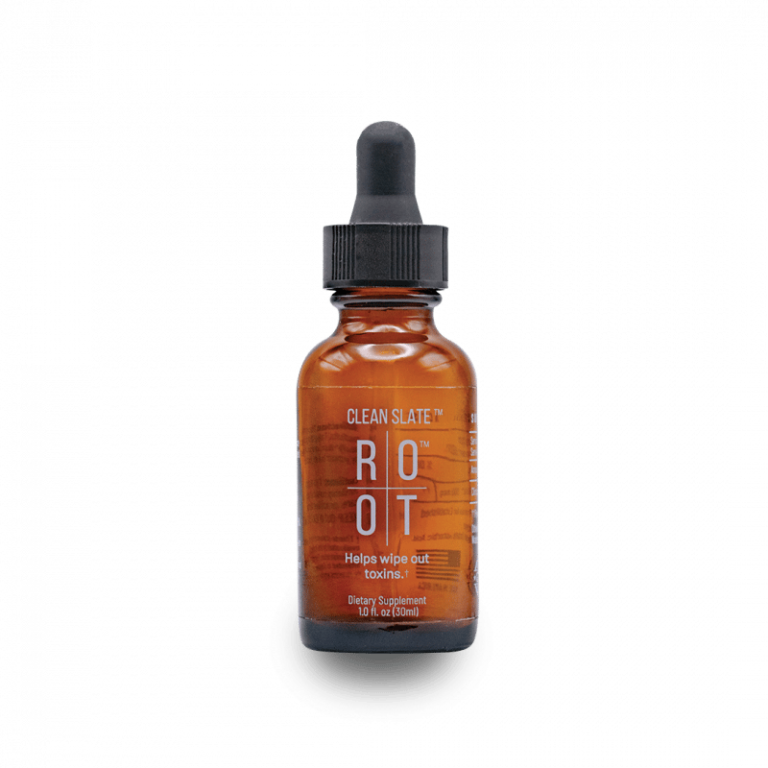
Clean Slate – Detoxes thousands of chemicals,heavy metals, pesticides, allergens, mold spores and fungus
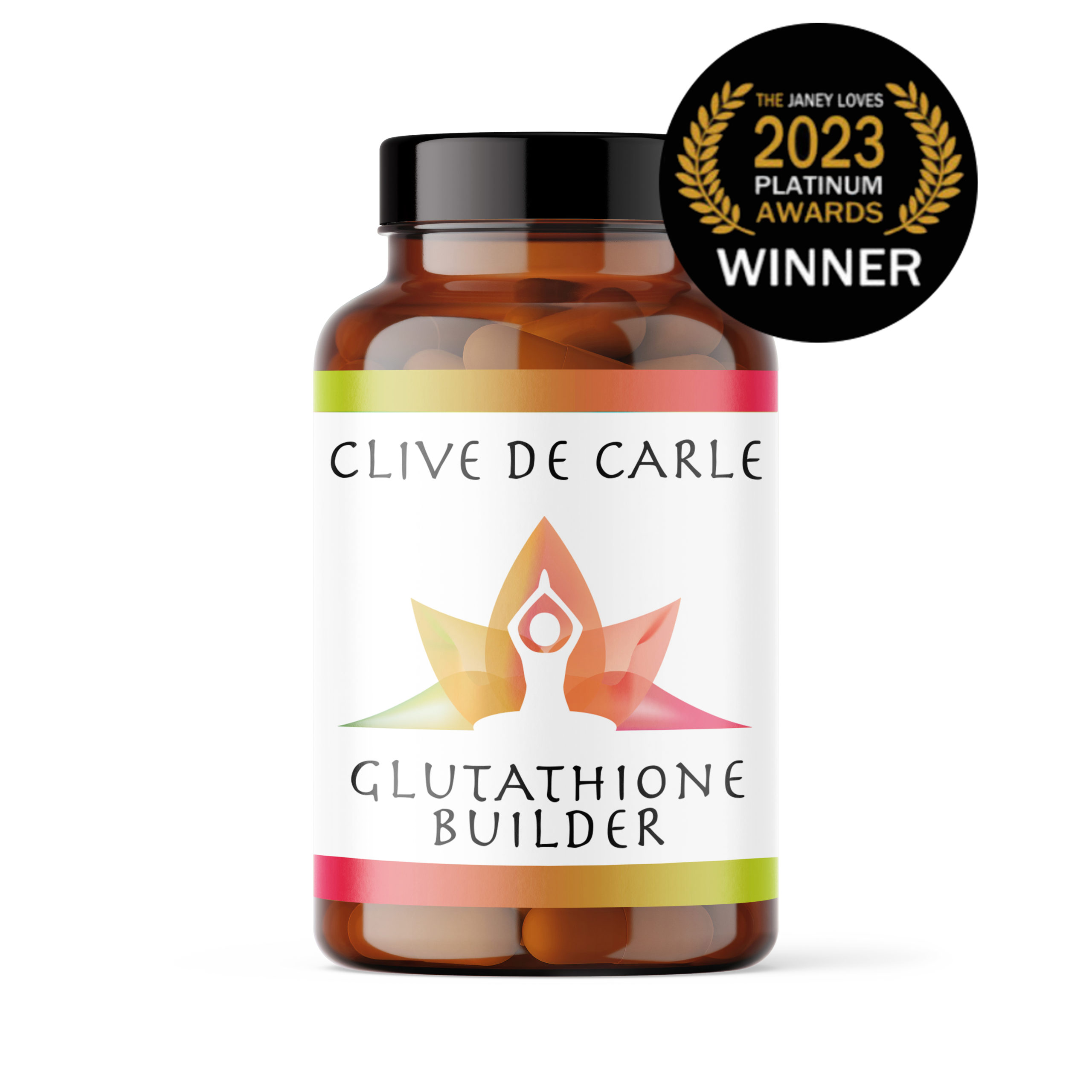
Glutathione Builder – Advanced Amino Acid Formula

Immuno – Daily Support for the Immune System
INNERSTANDING may earn a commission on purchases made through these links. All products are selected based on rigorous educational relevance to our biological research.
RABBIT HOLE
Follow the biological thread deeper