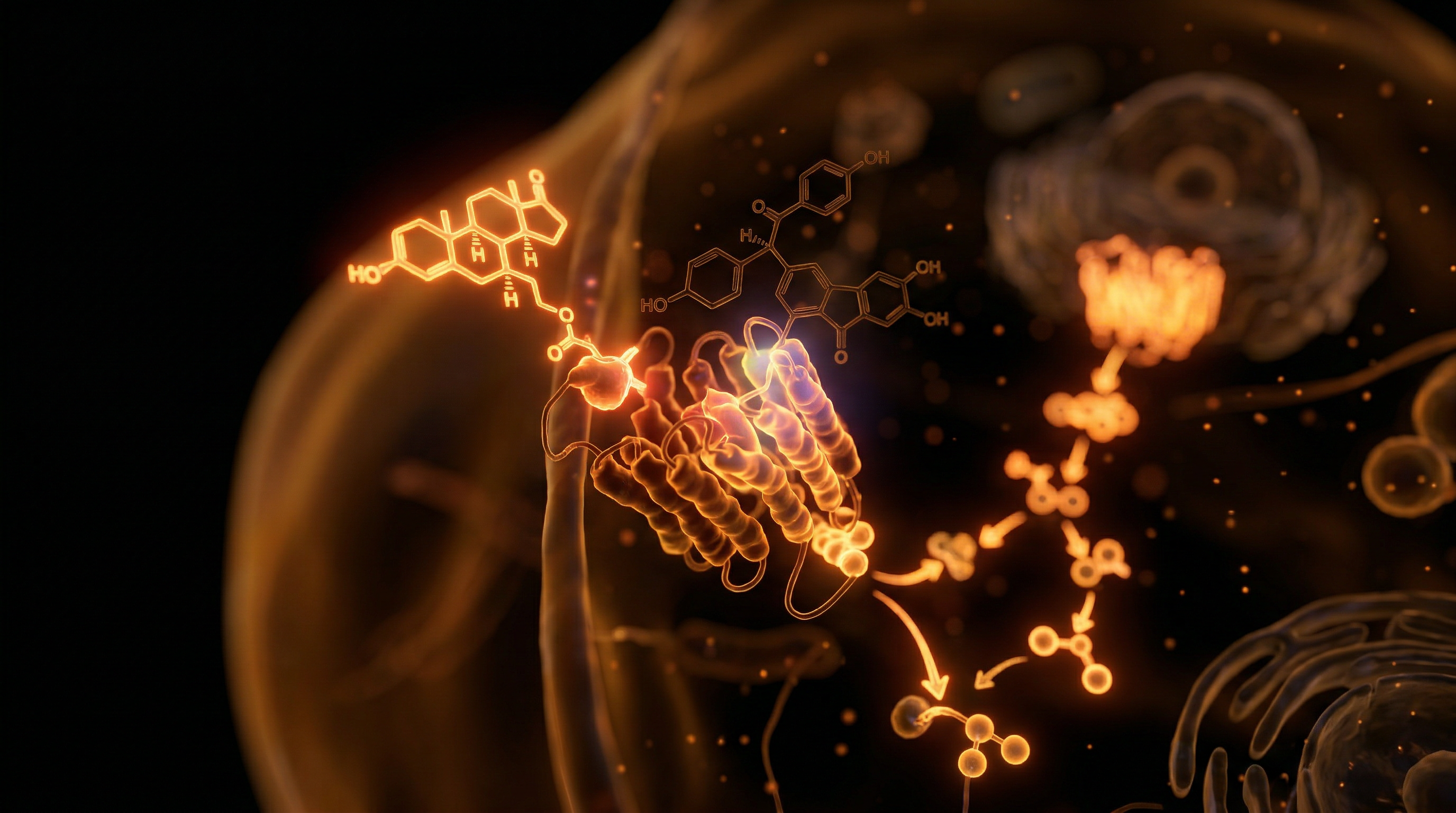
Endocrine Disrupting Chemicals and Estrogen Metabolism: Identifying Environmental Triggers for Severe Premenstrual Dysphoria
An in-depth exploration of how environmental endocrine disruptors (EDCs) interfere with oestrogen metabolism and neurosteroid sensitivity, providing a root-cause perspective on managing severe Premenstrual Dysphoric Disorder (PMDD).
The Environmental Dimension of PMDD
Premenstrual Dysphoric Disorder (PMDD) is traditionally framed as a psychiatric or gynaecological condition. However, emerging research suggests that PMDD is fundamentally a neurobiological sensitivity to hormonal fluctuations. While the core of the disorder lies in the brain's reaction to allopregnanolone (a metabolite of progesterone), the role of oestrogen and its metabolic pathways cannot be ignored. Specifically, the presence of Endocrine Disrupting Chemicals (EDCs) in our modern environment is increasingly identified as a silent driver of hormonal chaos, exacerbating the severity of premenstrual distress.
Understanding the Oestrogen-PMDD Connection
In individuals with PMDD, the issue is rarely a simple 'hormone imbalance' in the sense of having too much or too little oestrogen. Instead, the problem is often one of cellular sensitivity and metabolic processing. Oestrogen modulates neurotransmitters like serotonin and dopamine, which govern mood. When oestrogen levels fluctuate during the luteal phase, those with PMDD experience a heightened, often debilitating, neurological response.
When we introduce EDCs into this delicate system, we disrupt the 'metabolic clearance' of oestrogen. If the body cannot effectively break down and excrete oestrogen, it can lead to oestrogen dominance or the production of 'dirty' oestrogen metabolites. These metabolites can further sensitise the nervous system, making the inevitable drop in hormones during the premenstrual phase even more traumatic for the body.
What are Endocrine Disrupting Chemicals (EDCs)?
EDCs are exogenous (external) substances that interfere with the synthesis, secretion, transport, binding, or elimination of natural hormones. They are 'molecular mimics' that can dock into hormone receptors, sending false signals to the brain and endocrine glands. Common EDCs include:
- —Phthalates: Found in synthetic fragrances, PVC, and plastics.
- —Bisphenol A (BPA): Found in till receipts, tin can linings, and hard plastics.
- —Parabens: Used as preservatives in personal care products.
- —Pesticides: Such as organophosphates used in non-organic farming.
How EDCs Impair Oestrogen Metabolism
The liver is responsible for detoxifying oestrogen through two primary phases:
- —Phase I (Hydroxylation): Oestrogen is converted into metabolites like 2-OH (the 'protective' pathway), 4-OH, or 16-OH (the 'pro-inflammatory' pathways).
- —Phase II (Methylation): These metabolites are made water-soluble so they can be excreted via the gut or kidneys.
EDCs place an immense burden on these pathways. For example, many pesticides and plasticisers induce the CYP1B1 enzyme, which pushes oestrogen down the 4-OH pathway. This pathway produces catechol oestrogens that can cause DNA damage and oxidative stress. For someone with PMDD, this increased oxidative stress and inflammation can heighten the 'brain fog' and irritability characteristic of the luteal phase.
Furthermore, EDCs can inhibit the COMT (Catechol-O-methyltransferase) enzyme, which is vital for Phase II methylation. If COMT is sluggish due to genetic SNPs (like the MTHFR or COMT V158M variants) and is further burdened by environmental toxins, oestrogen metabolites recirculate in the bloodstream, leading to a state of 'oestrogenic burden' that worsens premenstrual symptoms.
Identifying Environmental Triggers
To manage PMDD from a root-cause perspective, we must identify where these EDCs are entering our system. The 'toxic bucket' theory suggests that our bodies can handle a certain amount of stress, but once the bucket overflows, symptoms manifest.
- —Personal Care: The 'fragrance' listed on shampoo or perfume labels is often a cocktail of phthalates. These bypass the digestive system and enter the blood directly via the skin.
- —Dietary Intake: Non-organic produce carries pesticide residues that act as xenoestrogens. Additionally, heating food in plastic containers leaches BPA and phthalates directly into the meal.
- —Water Supply: Tap water may contain trace amounts of pharmaceutical hormones and industrial runoff. High-quality filtration is essential for reducing this load.
Supporting the Body: Strategies for Resilience
Reducing the impact of EDCs on PMDD requires a two-pronged approach: reducing exposure and supporting detoxification.
#### 1. Reduce the External Load Transition to 'clean' beauty and household products. Look for labels that explicitly state 'phthalate-free,' 'paraben-free,' and 'fragrance-free.' Switch from plastic storage containers to glass or stainless steel, particularly for hot foods.
#### 2. Enhance Phase I and II Detoxification Cruciferous vegetables (broccoli, kale, Brussels sprouts) contain Sulforaphane and Indole-3-Carbinol (I3C), which promote the healthy 2-OH oestrogen pathway. Supporting methylation through B-vitamins (B6, B12, and Folate) is also crucial for clearing hormones from the system.
#### 3. Gut Health and the Estrobolome The 'estrobolome' is a collection of bacteria in the gut specifically tasked with metabolising oestrogen. If you are constipated, oestrogen that has been processed by the liver can be reabsorbed into the body. High-fibre diets and probiotic-rich foods ensure that once oestrogen is processed, it is actually eliminated.
Conclusion
While PMDD is a complex, multi-faceted disorder, the influence of our environment cannot be ignored. Endocrine Disrupting Chemicals create a 'metabolic noise' that interferes with the body's natural hormonal rhythm. by identifying these environmental triggers and supporting the liver and gut in oestrogen metabolism, we can lower the physiological 'volume' of PMDD symptoms. Education and environmental awareness are not just lifestyle choices; they are essential tools for reclaimining hormonal health and mental well-being.
This article is provided for informational and educational purposes only. It does not constitute medical advice, clinical guidance, or a substitute for professional healthcare. Information reflects cited research at time of publication. Always consult a qualified healthcare professional before acting on any health information.
RESEARCH FOUNDATIONS
Biological Credibility Archive
Citations provided for educational reference. Verify via PubMed or institutional databases.
Medical Disclaimer
The information in this article is for educational purposes only and does not constitute medical advice, diagnosis, or treatment. Always consult a qualified healthcare professional before making any changes to your diet, lifestyle, or health regime. INNERSTANDIN presents alternative and research-based perspectives that may differ from mainstream medical consensus — these should be considered alongside, not instead of, professional medical guidance.
Read Full DisclaimerReady to learn more?
Continue your journey through our classified biological research.
THE ARSENAL
Based on PMDD & Premenstrual Dysphoric Disorder — products curated by our research team for educational relevance and biological support.
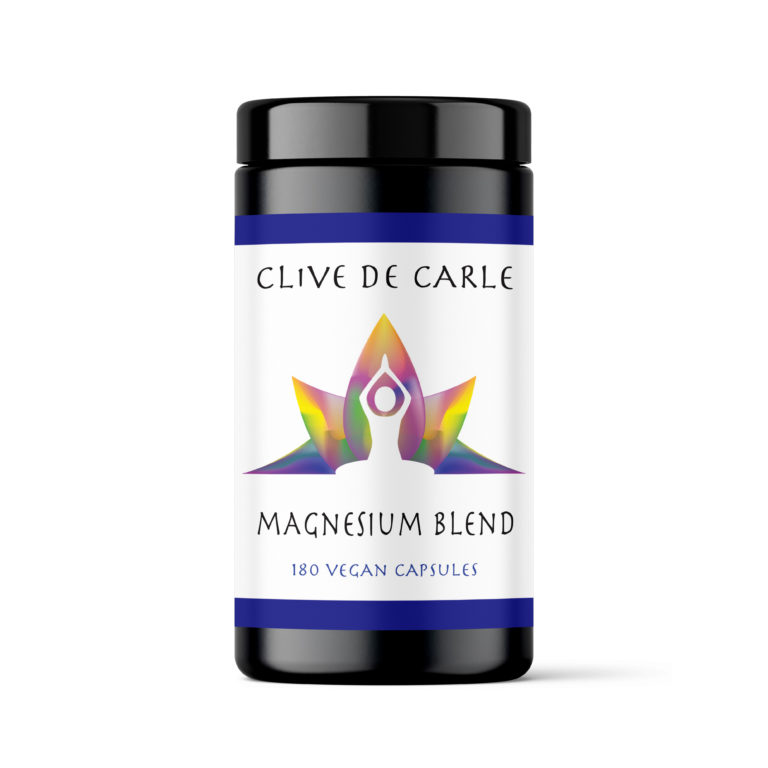
Magnesium Blend – The Most Important Mineral
Magnesium L-Threonate
Energy Blend Supports
INNERSTANDING may earn a commission on purchases made through these links. All products are selected based on rigorous educational relevance to our biological research.
RABBIT HOLE
Follow the biological thread deeper