
How Endocrine-Disrupting Chemicals (EDCs) Alter Pediatric Hormonal Pathways
Updated May 2026
Understanding how common environmental chemicals mimic or block natural hormones is essential for protecting childhood development. This article explores the biological mechanisms of EDCs and provides actionable steps for British households.
Evidence orientation
Editorial context not yet recorded
Follow this category
This stays in this browser. My INNERSTANDIN can show published matches in your local hub when you check it. It does not send email, push, or alert notifications.
Local learning review
A private browser aid for revisiting ideas. It is not an alert or a health recommendation.
Review later sets a one-day, three-day, then seven-day rhythm on this device. Choose it only when you want to revisit this article.
Overview
We are currently living in a biological experiment without precedent. For the first time in human history, children are being conceived, gestated, and raised in a "chemical soup" of synthetic compounds that did not exist eighty years ago. At INNERSTANDING, we do not shy away from the confronting reality: the fundamental biological architecture of the next generation is being systematically altered.
Endocrine-Disrupting Chemicals (EDCs) are not merely pollutants; they are molecular hijackers. They are exogenous substances or mixtures that alter the function(s) of the endocrine system and consequently cause adverse health effects in an intact organism, or its progeny. In the context of pediatric biology, the stakes are incomparably high. Children are not "small adults." They are organisms in a state of rapid, programmed expansion. From the moment of conception through to the end of adolescence, the human body relies on a precise, exquisitely timed symphony of hormonal signals to dictate everything from brain architecture to reproductive organ development.
Critical Statistic: Research indicates that the average newborn baby in the UK is born with over 200 industrial chemicals and pollutants already circulating in their umbilical cord blood, many of which are known endocrine disruptors.
The endocrine system is the body’s internal communication network, using chemical messengers (hormones) to regulate long-term processes. When EDCs enter a child’s body—via breast milk, plastic toys, household dust, or tap water—they scramble these messages. They can mimic natural hormones, block their receptors, or interfere with their production and breakdown. Because these systems are most sensitive during "windows of vulnerability," an exposure that might be harmless to a 40-year-old man can be catastrophic for a 4-month-old fetus or a 4-year-old toddler. This article exposes the deep biological mechanisms of this interference and provides the essential knowledge required to defend the hormonal integrity of the British family.
##
##
The Biology — How It Works
To understand the devastation caused by EDCs, one must first appreciate the elegance of the endocrine system. It is a system of glands—including the hypothalamus, pituitary, thyroid, adrenals, and gonads—that secrete hormones directly into the circulatory system. Unlike the nervous system, which sends rapid electrical signals, the endocrine system manages the "slow-burn" processes: growth, metabolism, tissue function, and sexual development.
The Sensitivity of the Picomolar Scale
Hormones do not operate in large quantities. They function at picomolar or nanomolar concentrations. To put this in perspective, a picomolar concentration is roughly equivalent to a single drop of ink in twenty Olympic-sized swimming pools. The body is designed to be hyper-sensitive to these minute signals.
When a child is exposed to EDCs like Bisphenol A (BPA) or Phthalates, the body cannot easily distinguish these synthetic imposters from natural hormones like Oestradiol or Testosterone. Because the endocrine system is tuned to such high sensitivity, even infinitesimal amounts of environmental toxins can trigger or suppress massive biological shifts.
The Three Axes of Development
In pediatric biology, three primary hormonal axes are under constant threat from EDCs:
- The HPT Axis (Hypothalamus-Pituitary-Thyroid): This governs metabolic rate and, crucially, brain development. Thyroid hormones are the "master switches" for neuronal migration and myelination in the developing brain.
- The HPG Axis (Hypothalamus-Pituitary-Gonadal): This dictates sexual differentiation and puberty. EDCs are notorious for "feminising" or "masculinising" these pathways prematurely or inappropriately.
- The HPA Axis (Hypothalamus-Pituitary-Adrenal): This manages the stress response and glucose metabolism. Disruption here leads to life-long struggles with anxiety, obesity, and systemic inflammation.
Biological Fact: The blood-brain barrier in infants is significantly more permeable than in adults, allowing EDCs to directly access the developing hypothalamus, the command centre for the entire endocrine system.
##
##
Mechanisms at the Cellular Level
The interference of EDCs occurs at the most fundamental level of our biology: the cell receptor and the gene. There are four primary ways these chemicals sabotage pediatric development.
1. Mimicry (Agonism)
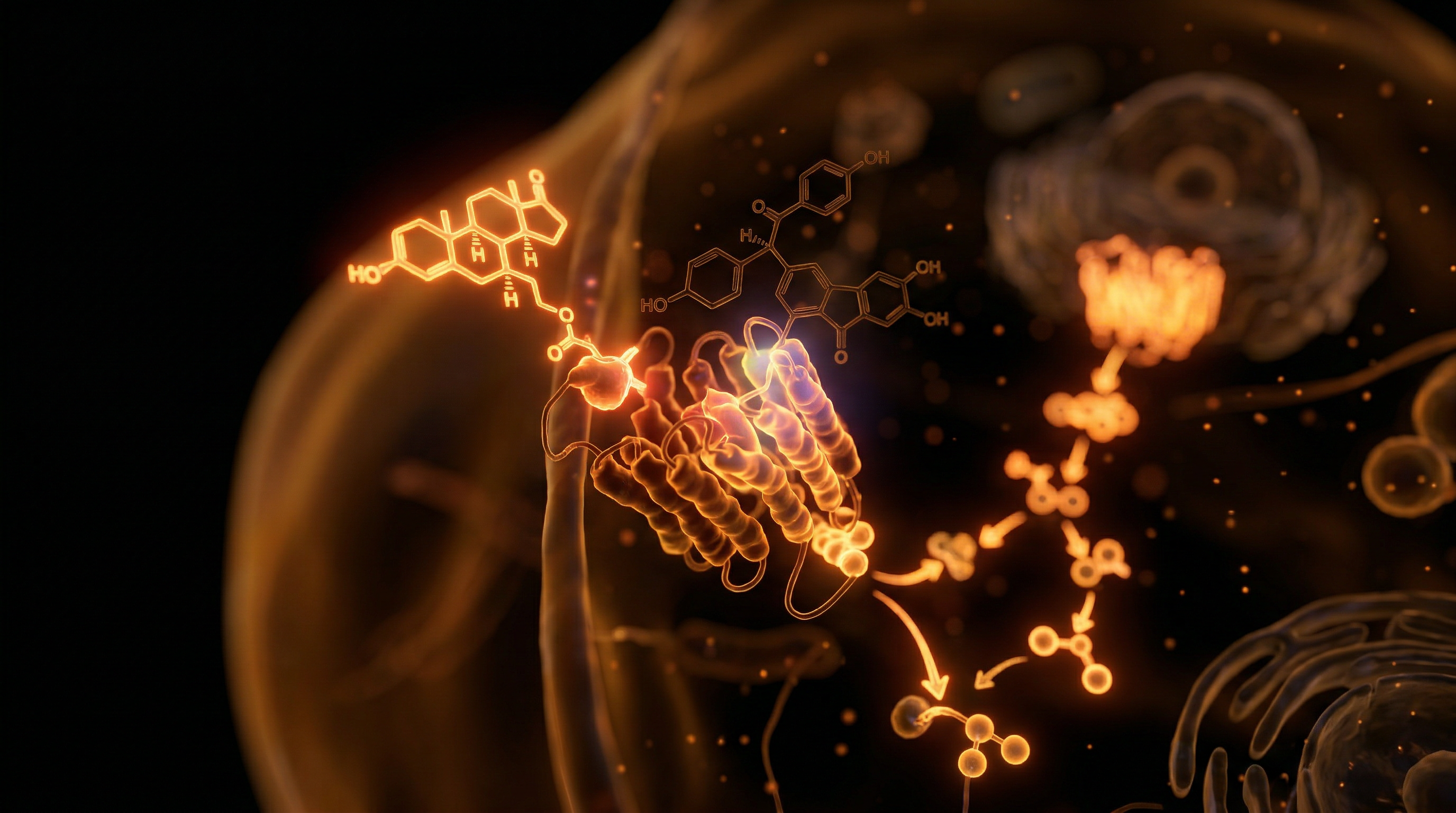
Many EDCs are structurally similar to natural hormones. Bisphenol A (BPA), for instance, is a structural analogue to oestrogen. It can bind to oestrogen receptors (ERα and ERβ) and "turn on" the cellular machinery as if oestrogen were present. In a young boy, this can lead to the development of breast tissue (gynaecomastia) and undescended testes (cryptorchidism).
2. Blocking (Antagonism)
Conversely, some EDCs bind to a receptor but do not activate it; they simply sit there, blocking the natural hormone from doing its job. Phthalates are notorious anti-androgens. They block the androgen receptor (AR), preventing testosterone from signaling for the development of male characteristics during key foetal windows. This is a primary driver behind the "Phthalate Syndrome," characterised by shortened anogenital distance and reduced sperm quality later in life.
3. Epigenetic Reprogramming
This is perhaps the most insidious mechanism. EDCs can alter DNA methylation and histone acetylation. They don't change the genetic code itself, but they change the "software" that tells the genes when to turn on or off.
- The Germline Effect: Exposure to EDCs in a pregnant mother can alter the epigenetic signatures in the developing foetus's primordial germ cells. This means the chemical exposure of a grandmother can potentially affect the hormonal health of her grandchildren, even if the grandchildren are never directly exposed.
4. Enzymatic Interference
Hormones are produced and broken down by specific enzymes. Many EDCs interfere with Cytochrome P450 enzymes, such as Aromatase (CYP19A1). Aromatase is responsible for converting androgens into oestrogens. Some pesticides, like Atrazine, have been shown to over-induce aromatase, leading to an unnatural excess of oestrogen in the body, effectively "chemical castrating" male biology and accelerating puberty in females.
##
##
Environmental Threats and Biological Disruptors
The British household is a minefield of EDCs. Understanding the specific chemicals and their sources is the first step toward mitigation.
Bisphenols (BPA, BPS, BPF)
Found in the linings of food tins, polycarbonate plastics, and thermal till receipts. Although "BPA-Free" labels are now common, manufacturers often substitute it with BPS or BPF, which scientific literature suggests are equally, if not more, disruptive to the endocrine system.
Phthalates (DEHP, DBP, BBP)
Known as "plasticisers," these make PVC plastic flexible. They are found in vinyl flooring, shower curtains, and—critically—synthetic fragrances (perfumes, air fresheners, scented laundry detergents). Phthalates are not chemically bound to the plastics they inhabit; they constantly "off-gas" into the air and leach into food.
PFAS (Per- and Polyfluoroalkyl Substances)
The "Forever Chemicals." Used for non-stick cookware (Teflon), grease-proof food packaging, and water-resistant clothing. PFAS are structurally indestructible in the environment and are potent thyroid disruptors. They interfere with the transport proteins that carry thyroid hormones through the blood, potentially lowering the IQ of developing children.
Organophosphate Pesticides
Commonly used in non-organic British agriculture. These chemicals were originally developed as nerve agents. In children, they inhibit acetylcholinesterase, but they also disrupt the HPA axis, contributing to the "obesogen" effect—programming the child’s body to store fat regardless of caloric intake.
PBDEs (Flame Retardants)
The UK has some of the strictest furniture flammability laws in the world, which has resulted in exceptionally high levels of Polybrominated Diphenyl Ethers (PBDEs) in British household dust. These chemicals are structurally similar to thyroid hormones and compete for binding sites in the brain.
The Dust Danger: Because toddlers spend a significant amount of time on the floor and engage in hand-to-mouth behaviour, their exposure to flame retardants via household dust is often 10 to 20 times higher than that of adults in the same home.
##
##
The Cascade: From Exposure to Disease
The disruption of these pathways does not result in immediate poisoning. Instead, it creates a "slow-motion" health crisis that manifests as chronic disease.
Precocious Puberty
The age of onset for puberty in the UK has been steadily declining. Early puberty (before age 8 in girls) is not just a social challenge; it is a biological red flag. It is linked to increased risks of breast and ovarian cancer later in life, as the body is exposed to oestrogen for a longer cumulative duration. EDCs like DDE (a breakdown product of DDT) and certain phthalates are primary drivers of this acceleration.
The Neurodevelopmental Link
The thyroid gland is the architect of the brain. When EDCs interfere with the HPT axis during the first two years of life, the result is often neurodevelopmental "mismatching."
- ADHD and Autism: Research has correlated higher maternal urinary phthalate levels with increased ADHD-like behaviours in children.
- IQ Loss: Even a slight shift in thyroid hormone availability during gestation can lead to a measurable drop in a child's cognitive potential.
Metabolic Syndrome and "Obesogens"
We are witnessing an epidemic of childhood obesity that cannot be explained by "laziness" or "gluttony" alone. EDCs function as obesogens—they hijack the hormonal control of adipogenesis (the creation of fat cells).
- Chemicals like Tributyltin (TBT) activate the PPAR-γ receptor, which acts as a master switch for fat cell development. Once these fat cells are created, they remain for life, making it biologically harder for the individual to maintain a healthy weight.
##
##
What the Mainstream Narrative Omits
The public is often told that "the dose makes the poison." This is a fundamental tenet of 16th-century toxicology that is utterly false when applied to Endocrine-Disrupting Chemicals.
1. Non-Monotonic Dose Response
In standard toxicology, more of a chemical equals more harm. EDCs do not follow this rule. They often show a U-shaped or inverted U-shaped response curve. This means a chemical can have a powerful effect at a very low dose (by mimicking a hormone) but a different or lesser effect at a high dose (by overwhelming or shutting down the receptor entirely). Regulatory bodies often miss these "low-dose effects" because they only test for high-dose toxicity.
2. The "Cocktail Effect"
Regulatory safety limits are calculated for individual chemicals in isolation. However, no child is exposed to just one chemical. They are exposed to hundreds. Science is beginning to show that chemicals which are "safe" at individual levels can become highly toxic when combined—a phenomenon known as synergistic toxicity. A mixture of five anti-androgenic phthalates can completely block testosterone production even if each phthalate is present at a level the government deems "safe."
3. The Transgenerational Time Bomb
Mainstream health advice focuses on the individual's current lifestyle. It ignores the fact that a child's hormonal health was partially determined by the environmental exposures of their parents and grandparents. This is the "Epigenetic Ghost" in our biology. By the time a child is born, their metabolic and reproductive destiny has already been influenced by the chemicals in their mother's environment.
Truth-Expose: Many "safe" plastic alternatives use chemicals like Antimony as catalysts. When heated, these can leach into baby bottles, acting as a potent endocrine-disrupting metal (metallooestrogen).
##
##
The UK Context
The regulatory landscape in the United Kingdom regarding EDCs is currently in a state of flux and, many argue, regression.
Post-Brexit Regulatory Gaps
Prior to Brexit, the UK followed the EU's REACH (Registration, Evaluation, Authorisation and Restriction of Chemicals) regulations, which are among the most stringent in the world. Since leaving, the UK has established "UK REACH." However, concerns have been raised by the Environment Agency and groups like CHEM Trust that the UK is falling behind. The UK has been slower to ban specific phthalates and PFAS compounds that the EU has already moved to restrict.
The Role of the FSA and Water Quality
The Food Standards Agency (FSA) monitors levels of contaminants in our food, but their testing protocols often rely on outdated "safe limit" models that do not account for the low-dose effects discussed earlier. Furthermore, the UK's water infrastructure is a significant source of EDCs. Modern sewage treatment plants are not designed to filter out synthetic hormones (like those from contraceptive pills) or industrial EDCs. Consequently, these chemicals are recycled back into the drinking water supply.
The "Scented" Culture
The UK has a particularly high market penetration for synthetic fragrances and "home scents." From scented candles to plug-in air fresheners and laundry "scent boosters," the average British home has significantly higher concentrations of indoor phthalates than homes in many other European nations. This is a direct, yet often ignored, assault on the pediatric endocrine system.
##
##
Protective Measures and Recovery Protocols
While the systemic challenge is vast, the biological integrity of a child can be defended through deliberate, science-based actions. The goal is to reduce the "Total Body Burden."
1. Water Filtration
Standard carbon filters (like many jug filters) are insufficient for removing PFAS and pharmaceutical hormones.
- Action: Install a Reverse Osmosis (RO) filtration system for all drinking and cooking water. This is the only reliable way to remove the majority of EDCs, including "Forever Chemicals."
2. Radical Plastic Reduction
- Action: Purge all plastic food storage containers. Switch exclusively to glass, stainless steel, or ceramic.
- Action: Never heat food in plastic, even if it is labelled "Microwave Safe." Heat accelerates the leaching of bisphenols and phthalates by orders of magnitude.
- Action: Replace plastic baby bottles with glass or high-grade silicone alternatives.
3. The Organic Imperative
While organic food is more expensive, for a developing child, it is a biological necessity.
- Action: Prioritise organic versions of the "Dirty Dozen" (produce with the highest pesticide residues).
- Action: Focus on organic dairy and meat, as EDCs are lipophilic—they concentrate in the fat of animals.
4. Air Quality and Dust Management
- Action: Implement a "no shoes indoors" policy to prevent tracking in pesticides and heavy metals from British streets.
- Action: Use a vacuum cleaner fitted with a HEPA filter to effectively remove EDC-laden dust.
- Action: Eliminate all synthetic fragrances. Use essential oils or, better yet, simply ventilate the home.
5. Biological Support (Nutritional Defence)
We can support the child's natural detoxification pathways (primarily the liver's Phase II conjugation) to help clear EDCs.
- Sulforaphane: Found in broccoli sprouts, this induces Nrf2, a master regulator of antioxidant and detoxification genes.
- N-Acetyl Cysteine (NAC): A precursor to glutathione, the body's master antioxidant, essential for processing environmental toxins.
- Iodine: Ensure adequate (but not excessive) iodine intake to protect the thyroid from being "displaced" by fluoride or perchlorate. (Consult a practitioner for pediatric dosing).
The Recovery Protocol: If a child has had high exposure, focus on "Sweat Therapy" (exercise) and high-fibre diets. Fibre binds to EDCs in the bile and prevents them from being reabsorbed in the gut—a process known as enterohepatic recirculation.
##
##
Summary: Key Takeaways
The alteration of pediatric hormonal pathways by EDCs is one of the most significant biological threats of the 21st century. It is a silent, invisible sabotage that compromises the future health, intelligence, and fertility of our children.
- Hormones are Picomolar Messengers: Their extreme sensitivity means there is no "safe" level for many EDCs during critical developmental windows.
- Mimicry and Blocking: Chemicals like BPA and Phthalates physically hijack receptors, sending false signals to the body’s developing tissues.
- The Obesogen Effect: Many EDCs program a child’s metabolism for fat storage and insulin resistance, independent of diet.
- Regulatory Failure: The "dose makes the poison" mantra is obsolete. Low-dose effects and the "cocktail effect" are the true drivers of the crisis.
- The UK Situation: Post-Brexit regulatory gaps and high domestic use of flame retardants and fragrances put British children at specific risk.
- Action is Possible: Through RO water filtration, glass storage, organic nutrition, and dust management, parents can significantly lower a child’s chemical burden.
At INNERSTANDING, we believe that biological sovereignty begins with the truth. By recognising that our environment is currently at odds with our physiology, we can take the necessary steps to insulate our children from the chemical tide and allow their natural genetic potential to flourish. The preservation of the next generation's hormonal health is not merely a lifestyle choice—it is a biological imperative.
This article is provided for informational and educational purposes only. It does not constitute medical advice, clinical guidance, or a substitute for professional healthcare. Information reflects cited research at time of publication. Always consult a qualified healthcare professional before acting on any health information.
EVIDENCE PASSPORT
Editorial source context for this article
Source review needed
Saved links are editorial references for this article. They may support specific claims rather than every sentence. Open and assess each source in context. This passport does not independently verify them.
Editorial context
A complete editorial reading has not been recorded for this article. Source links remain available for you to open and assess directly.
Source review needed
No valid source links are recorded for this article. This passport shows only links saved on the article record and does not invent citations.
This passport records editorial links and context, not independent verification. Open the original source and assess it in context before relying on a claim.
Medical Disclaimer
The information in this article is for educational purposes only and does not constitute medical advice, diagnosis, or treatment. Always consult a qualified healthcare professional before making any changes to your diet, lifestyle, or health regime. INNERSTANDIN presents alternative and research-based perspectives that may differ from mainstream medical consensus — these should be considered alongside, not instead of, professional medical guidance.
Read Full DisclaimerContinue the thread
Keep this question moving.
Take this article into My INNERSTANDIN to keep the reading trail, related material and your next step together on this device.
Explore this in the Body Map
See where this hits your biology. Interactive anatomy, threats, and protective protocols.
Dig deeper in the Library
Free, longform PDF volumes that go beyond headlines into mechanisms and references.