All INNERSTANDIN content is for educational purposes only — not medical advice, diagnosis or treatment. Full Disclaimer →

    BACK TO DATABASE
    TAGGED RESEARCH

    #Endocrine Disruptors

    62TRANSMISSIONS FOUND
    M
    Scientific illustration for Microplastics: Synthetic Particles Now Inside Every Human Body
    Environmental Threats
    15 MIN READ

    Microplastics: Synthetic Particles Now Inside Every Human Body

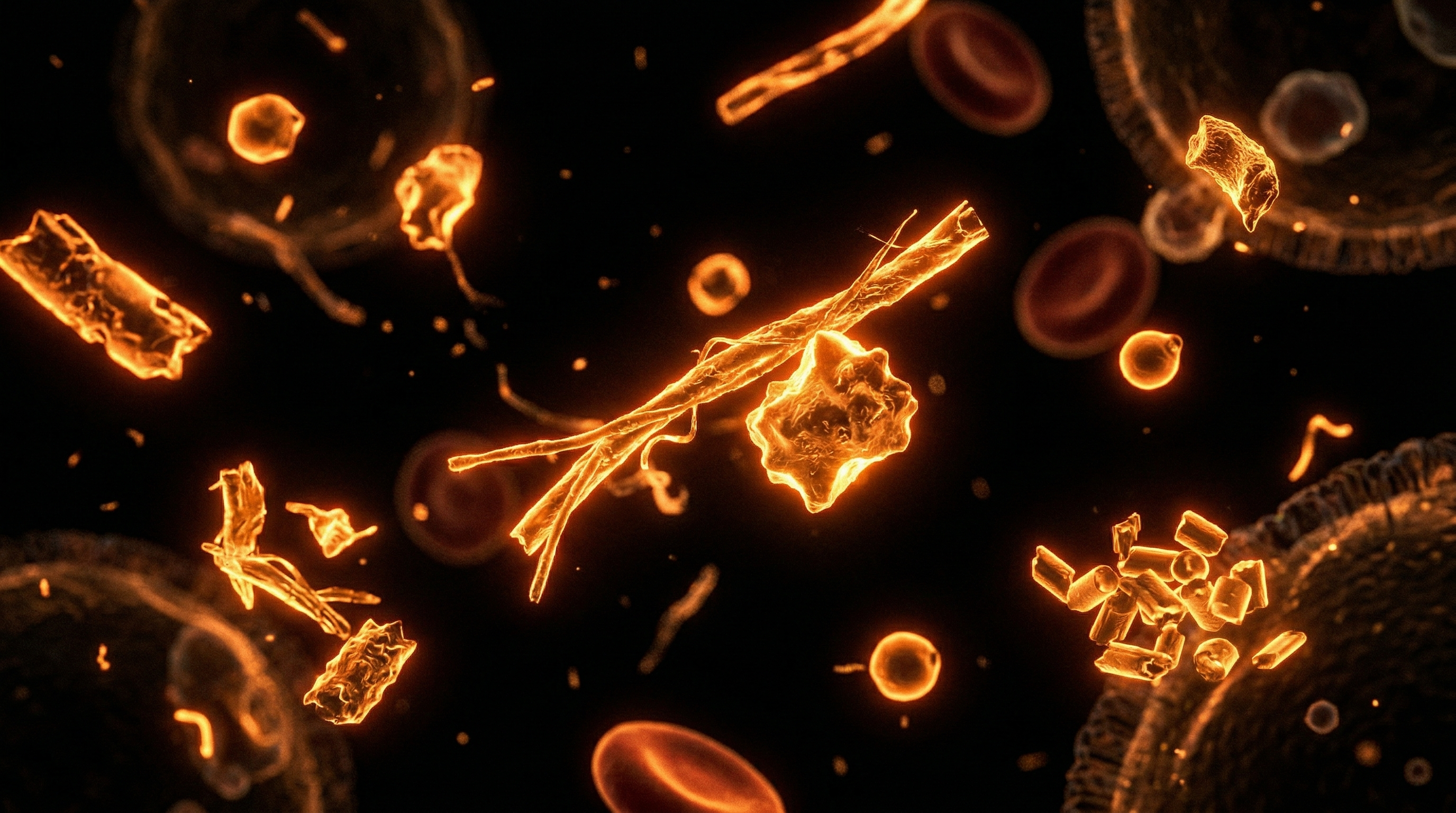
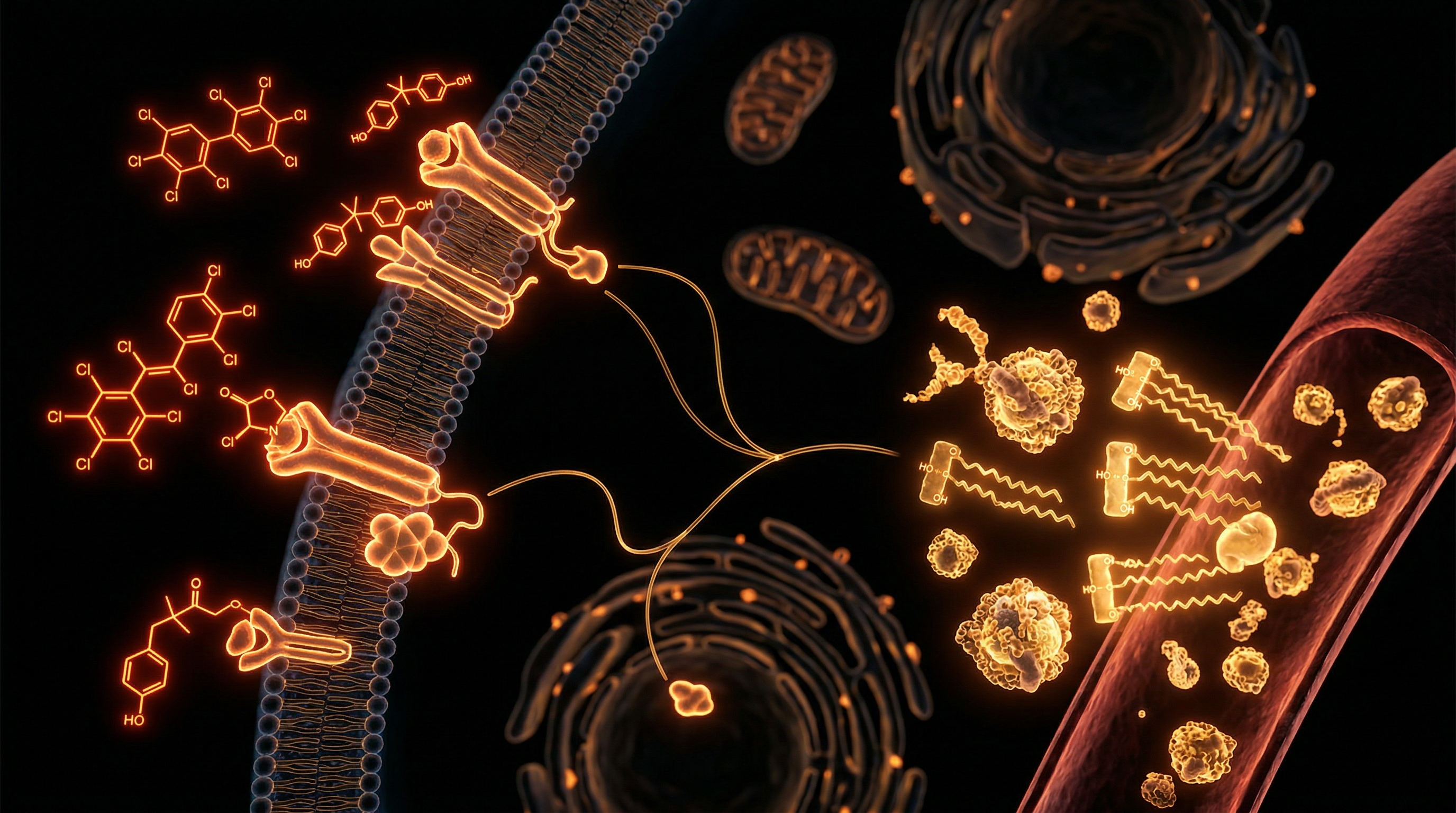
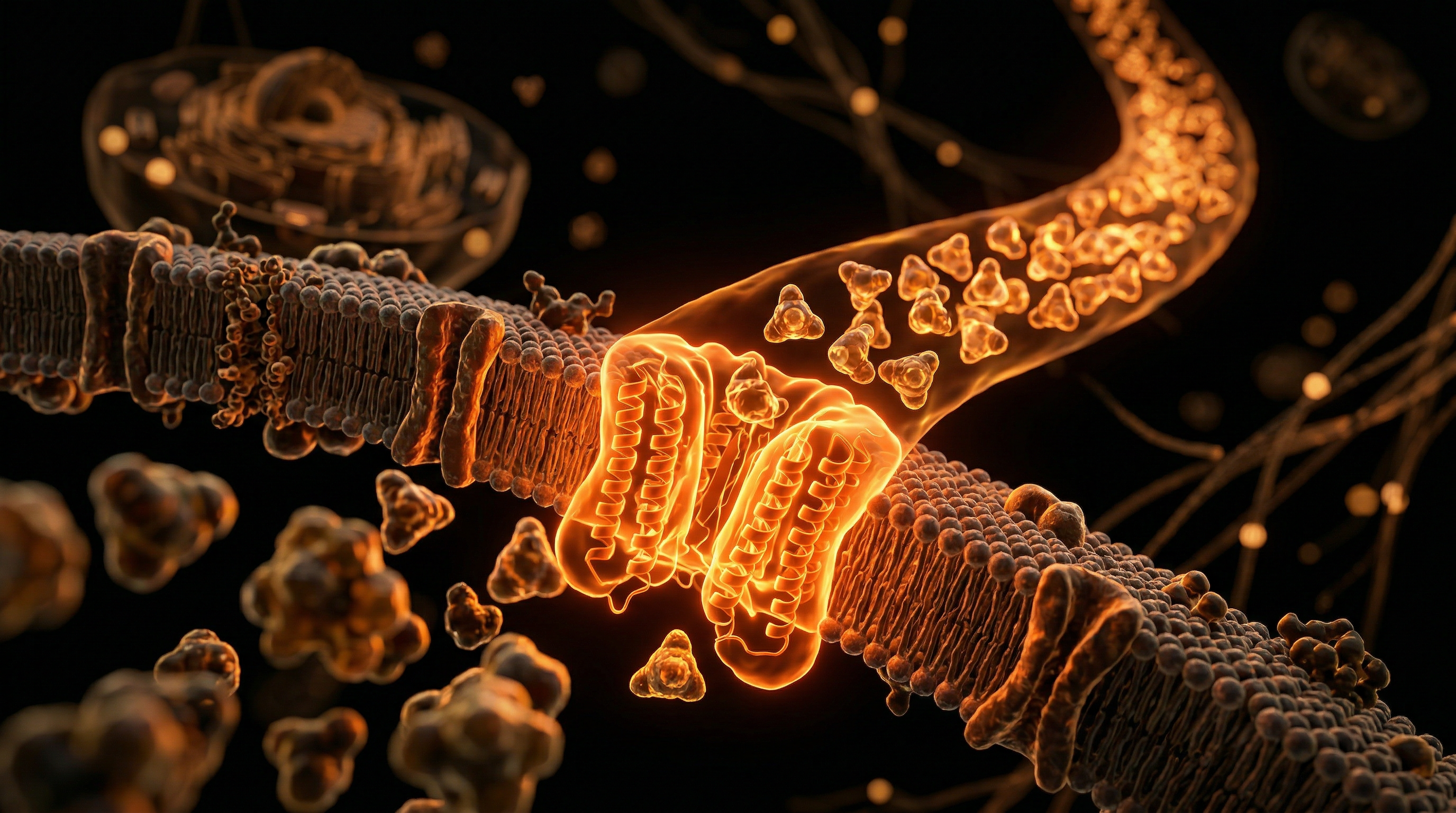
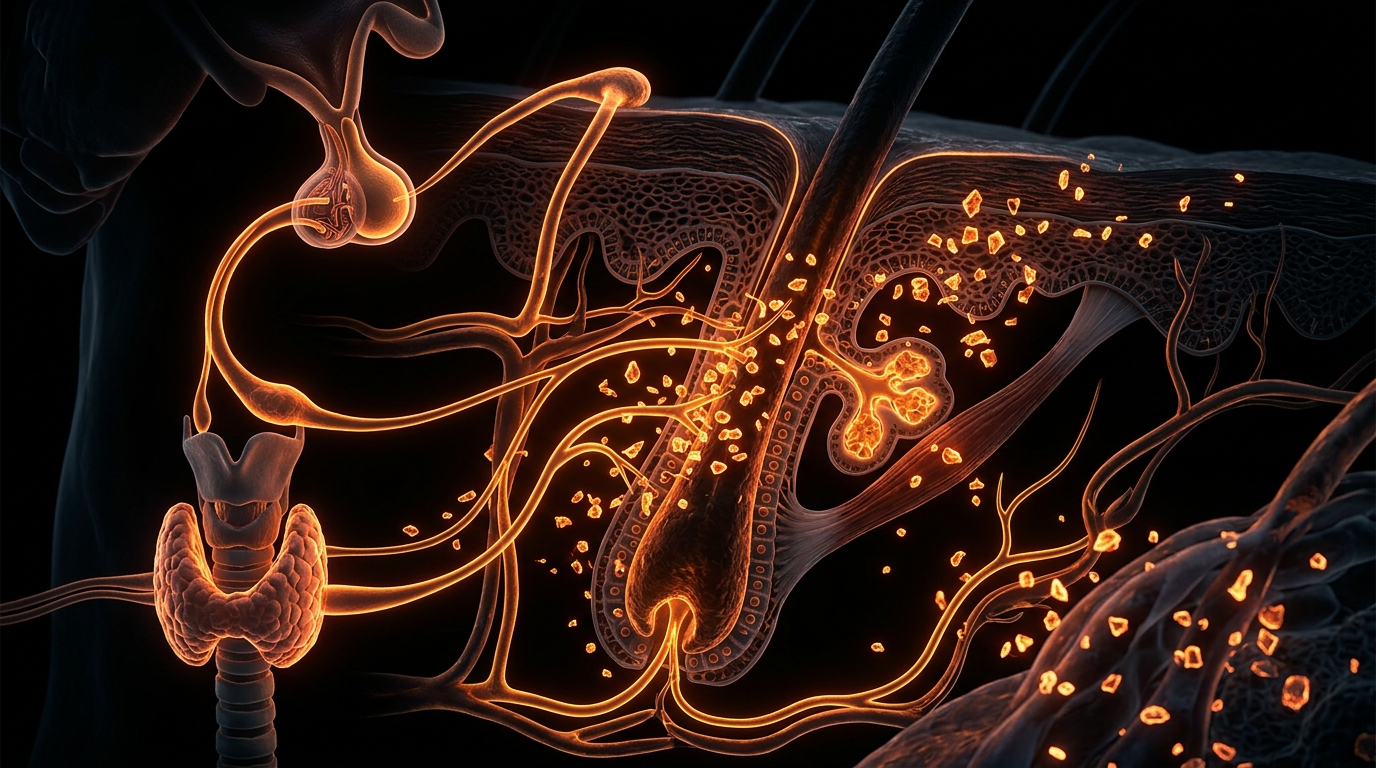
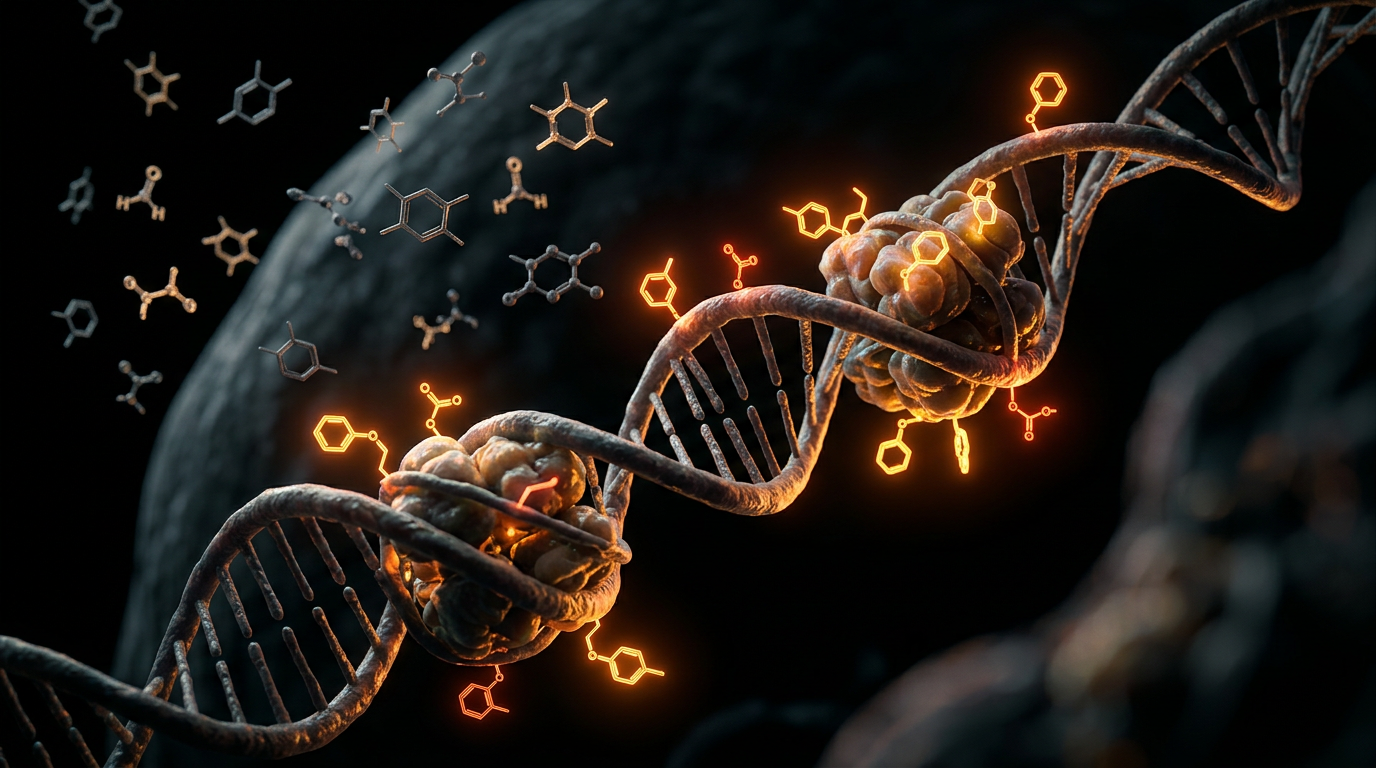
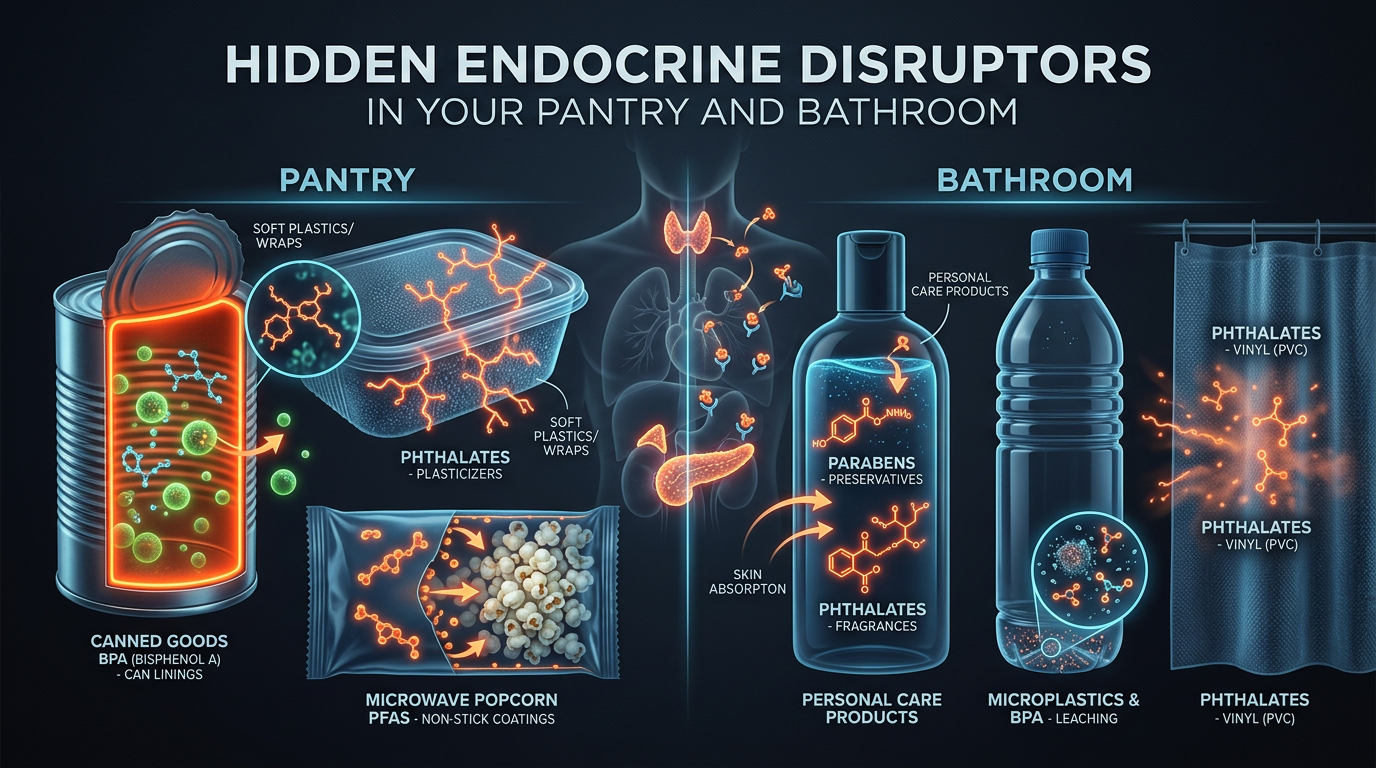
    Microplastics — plastic fragments smaller than 5mm — and nanoplastics (sub-micron particles) have permeated every ecosystem on Earth and are now detectable in human blood, breast milk, placentae, lung tissue, liver, kidney, and testes, with a 2022 study published in Environment International providing the first direct evidence of microplastics circulating in human blood. These particles carry a complex chemical payload: not only the polymer base (including polypropylene, polyethylene, and polystyrene) but also the plasticisers, flame retardants, UV stabilisers, and heavy metal catalysts incorporated during manufacturing — compounds including phthalates, BPA, PFAS, cadmium, and lead that leach continuously from the plastic matrix into surrounding tissue. The biological consequences of this unprecedented internal contamination — including endocrine disruption, oxidative stress, inflammatory activation, gut barrier disruption, and reproductive toxicity — are only beginning to be characterised, yet the exposure continues to increase with every passing year of plastic production.

    #microplastics#nanoplastics
    T
    Scientific illustration for Toxic Beauty: The Chemical Burden of Personal Care Products
    Environmental Threats
    14 MIN READ

    Toxic Beauty: The Chemical Burden of Personal Care Products

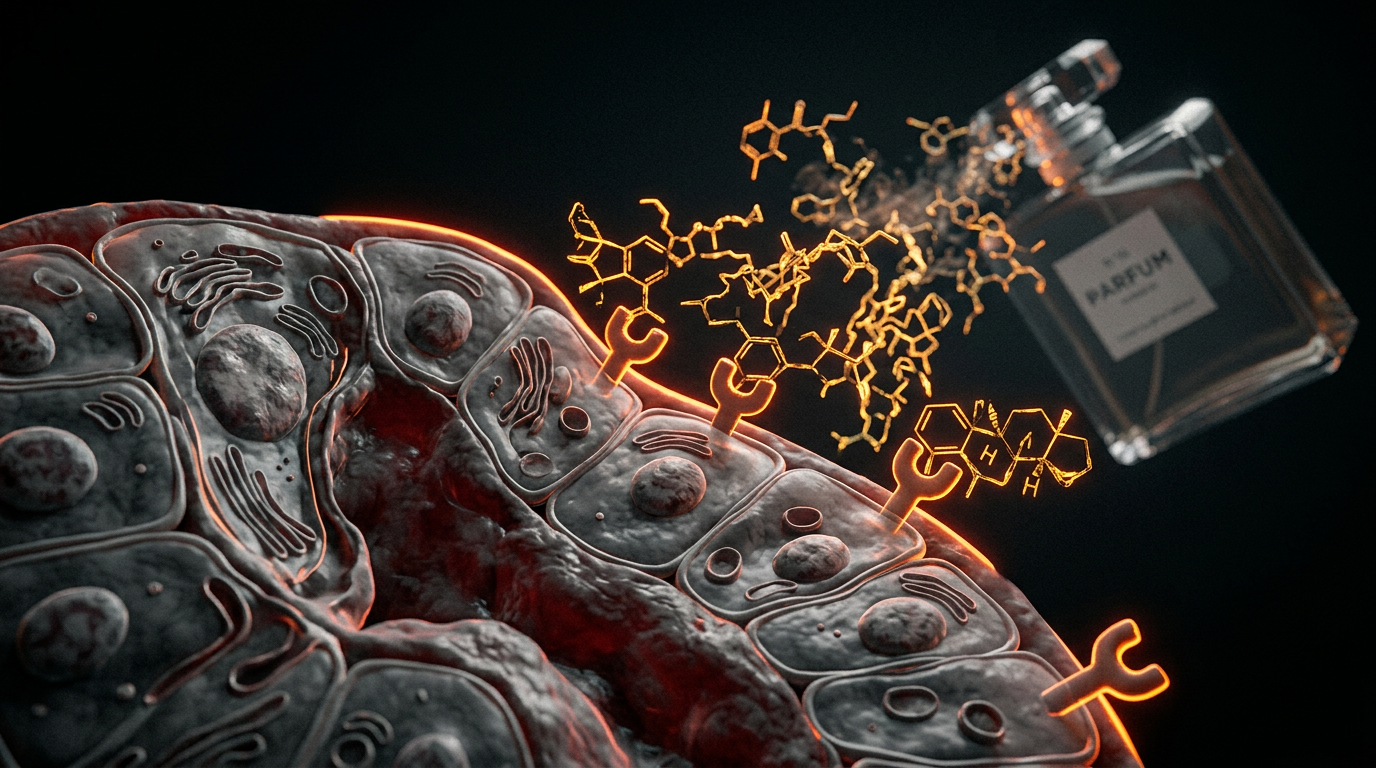
    The average UK woman applies over 500 synthetic chemicals to her skin and body daily through deodorants, shampoos, moisturisers, cosmetics, and fragrances — many of which are known endocrine disruptors, carcinogens, or neurotoxins that are absorbed transdermally and accumulate in fatty tissue, breast milk, and blood. Aluminium-based antiperspirants deliver concentrated aluminium directly into lymphatic tissue adjacent to breast tissue; parabens mimic oestrogen and have been found intact in breast tumour biopsies; and synthetic fragrances — protected as trade secrets — contain undisclosed phthalates and musks. The MHRA and EU cosmetic regulations permit many of these compounds at levels industry lobbying has kept from public scrutiny.

    #cosmetics#parabens