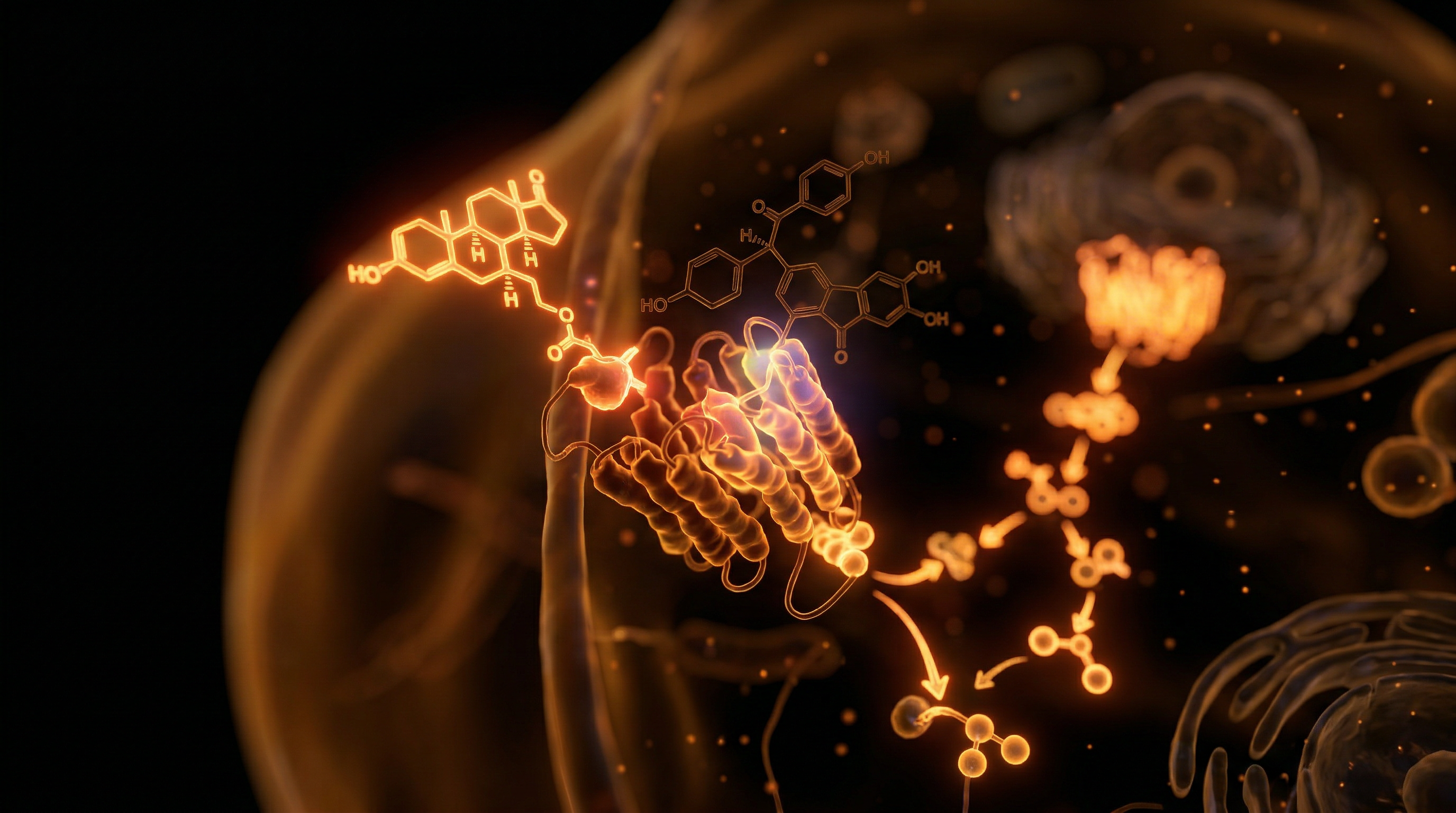
Environmental Endocrine Disruptors and Their Synergistic Effects on Epithelial Barrier Function
An in-depth exploration of how common environmental toxins like BPA and phthalates interact synergistically to degrade tight junction proteins, leading to compromised epithelial integrity and systemic chronic inflammation.

# Environmental Endocrine Disruptors and Their Synergistic Effects on Epithelial Barrier Function\n\nIn the modern industrial landscape, humans are exposed to a complex array of synthetic chemicals that were virtually non-existent a century ago. Among the most pervasive are Endocrine Disrupting Chemicals (EDCs)—substances that interfere with the body's hormonal signaling. While historical research focused on the high-dose toxicity of single substances, contemporary science is uncovering a more insidious reality: the synergistic effect of multiple low-dose exposures on our most fundamental physical defenses—the epithelial barriers.\n\n## The Silent Breach: The Importance of Epithelial Integrity\n\nEpithelial barriers, including those in the gut, lungs, and skin, serve as the primary interface between the internal milieu and the external environment. These barriers are not merely physical walls but dynamic biological filters. At the heart of this filtration system lies the Tight Junction (TJ) complex.
Composed of proteins such as claudins, occludins, and zonula occludens (ZO-1), tight junctions regulate the paracellular pathway, determining which molecules can pass into the bloodstream and which are excluded.\n\nWhen these junctions are compromised—a state often referred to as 'leaky' barrier syndrome—the result is an influx of environmental toxins, undigested food particles, and pathogens. This 'breach' triggers a cascade of immune activation, leading to systemic inflammation and, eventually, chronic disease. Recent evidence suggests that EDCs are a primary, yet often overlooked, driver of this barrier dysfunction.\n\n## What are Endocrine Disrupting Chemicals (EDCs)?\n\nEDCs are exogenous substances that mimic, block, or interfere with the synthesis, transport, and binding of natural hormones. Common examples include:\n\n* Bisphenols (e.g., BPA): Found in plastics, thermal receipts, and canned food linings.\n* Phthalates: Used as plasticizers and in personal care products like fragrances and shampoos.\n* Per- and Polyfluoroalkyl Substances (PFAS): The 'forever chemicals' used in non-stick cookware and water-resistant fabrics.\n* Organochlorine Pesticides: Such as glyphosate or atrazine, used extensively in industrial agriculture.\n\nWhile these chemicals are known for their impact on reproductive health and thyroid function, their direct interaction with the epithelial barrier is a burgeoning field of 'Tight Junction Science.'\n\n## Mechanisms of Disruption: How EDCs Damage Tight Junctions\n\nEDCs do not just disrupt hormones; they directly attack the molecular architecture of the epithelial lining through several pathways:\n\n### 1. Oxidative Stress Induction\nMost EDCs, particularly BPA and phthalates, trigger the production of Reactive Oxygen Species (ROS) within epithelial cells.
Excessive ROS leads to oxidative stress, which activates intracellular signaling pathways (like the NF-̄B pathway) that downregulate the expression of claudin and occludin. When these proteins are depleted, the 'seal' of the tight junction weakens.\n\n### 2. Estrogen Receptor Signaling\nMany EDCs are xenoestrogens, meaning they bind to estrogen receptors (ERs). These receptors are expressed throughout the intestinal epithelium. Research indicates that abnormal ER signaling can alter the distribution of ZO-1 proteins, causing them to migrate away from the cell membrane, effectively 'opening the gate' to environmental triggers.\n\n### 3.
Microbiome Alteration\nEDCs also act as 'microbiome disruptors.' By killing beneficial bacteria and promoting the growth of pathobionts, EDCs indirectly weaken the barrier. Beneficial microbes produce short-chain fatty acids (SCFAs) like butyrate, which are essential for maintaining the energy of colonocytes and the stability of tight junctions. EDCs strip away this microbial protection.\n\n## The Synergy Factor: The Power of the 'Chemical Cocktail'\n\nThe most critical challenge in modern toxicology is 'synergy.' Synergy occurs when the combined effect of two or more chemicals is greater than the sum of their individual effects (1+1=3). Regulatory agencies often set 'Safe Daily Intake' levels based on single-chemical studies. However, the human body is never exposed to just one chemical at a time.\n\nStudies on intestinal cell lines have shown that when BPA and phthalates are introduced together at doses previously considered 'safe,' the resulting drop in Transepithelial Electrical Resistance (TEER)—a measure of barrier strength—is significantly more severe than if either were present alone.
This suggests that low-level, multi-source exposure is a more potent driver of 'leaky gut' than high-dose exposure to a single toxin.\n\n## Downstream Health Implications\n\nThe systemic consequences of EDC-induced barrier failure are vast. Once the epithelial barrier is compromised, the 'Synergistic Effect' extends to the immune system:\n\n* Metabolic Dysfunction: LPS (lipopolysaccharides) from the gut can enter the blood, causing metabolic endotoxemia, a root cause of insulin resistance and Type 2 Diabetes.\n* Autoimmunity: The passage of foreign proteins through weakened tight junctions can lead to molecular mimicry, where the immune system begins attacking its own tissues (e.g., Hashimoto’s or Celiac disease).\n* Neuroinflammation: There is a direct link between the gut barrier and the blood-brain barrier. EDCs that break the gut barrier often facilitate the breakdown of the brain's protective lining, contributing to 'brain fog' and neurodegenerative risks.\n\n## Root-Cause Solutions: Mitigating the Impact\n\nAt INNERSTANDING, we focus on root-cause mitigation. While it is impossible to avoid all EDCs, a strategic approach can drastically reduce the synergistic burden on your epithelial barriers.\n\n1. Reduce the Load: Transition to glass or stainless steel for food storage. Filter your water using high-quality carbon or reverse osmosis systems to remove PFAS and pesticides.
C60 Charcoal – Supports Healthy Digestion and Detoxification.
Support healthy digestion and ease bloating with a natural hardwood charcoal rich in C60 fullerenes. This non-nano formula assists in removing toxins and strengthening your immune response for a more comfortable, balanced gut.
Vetting Notes
Pending
Choose fragrance-free personal care products to eliminate phthalate exposure.\n2. Support Barrier Resilience: Incorporate 'Tight Junction' nutrients. Zinc carnosine, L-glutamine, and quercetin have been shown to help stabilize the TJ complex and counteract the oxidative damage caused by EDCs.\n3. Enhance Detoxification: Support the liver's Phase II detoxification pathways through cruciferous vegetables (rich in sulforaphane) and adequate fiber, which helps bind and excrete EDCs before they can damage the gut lining.\n4. Microbial Buffering: Diverse fermented foods and high-quality probiotics can help create a microbial 'buffer' that protects epithelial cells from direct chemical contact.\n\n## Conclusion\n\nThe intersection of environmental toxicology and epithelial biology is a critical frontier in health education. Environmental Endocrine Disruptors are not just 'hormone mimickers'; they are active destabilizers of the physical barriers that protect our internal health. By understanding the synergistic nature of these chemicals and their specific impact on tight junction proteins, we can move toward a more holistic, protective approach to wellness in an increasingly complex world.
This article is provided for informational and educational purposes only. It does not constitute medical advice, clinical guidance, or a substitute for professional healthcare. Information reflects cited research at time of publication. Always consult a qualified healthcare professional before acting on any health information.
RESEARCH FOUNDATIONS
Biological Credibility Archive
Citations provided for educational reference. Verify via PubMed or institutional databases.
Medical Disclaimer
The information in this article is for educational purposes only and does not constitute medical advice, diagnosis, or treatment. Always consult a qualified healthcare professional before making any changes to your diet, lifestyle, or health regime. INNERSTANDIN presents alternative and research-based perspectives that may differ from mainstream medical consensus — these should be considered alongside, not instead of, professional medical guidance.
Read Full DisclaimerReady to learn more?
Continue your journey through our classified biological research.
DISCUSSION ROOM
Members of THE COLLECTIVE discussing "Environmental Endocrine Disruptors and Their Synergistic Effects on Epithelial Barrier Function"
SILENT CHANNEL
Be the first to discuss this article. Your insight could help others understand these biological concepts deeper.
THE ARSENAL
Based on Tight Junction Science — products curated by our research team for educational relevance and biological support.
C60 Charcoal – Supports Healthy Digestion and Detoxification.
Clean Slate – Detoxes thousands of chemicals,heavy metals, pesticides, allergens, mold spores and fungus
Vegan Essential Amino Acids – Plant-Powered Protein Building
INNERSTANDING may earn a commission on purchases made through these links. All products are selected based on rigorous educational relevance to our biological research.
RABBIT HOLE
Follow the biological thread deeper