All INNERSTANDIN content is for educational purposes only — not medical advice, diagnosis or treatment. Full Disclaimer →

    BACK TO DATABASE
    TAGGED RESEARCH

    #Tight Junctions

    16TRANSMISSIONS FOUND
    B
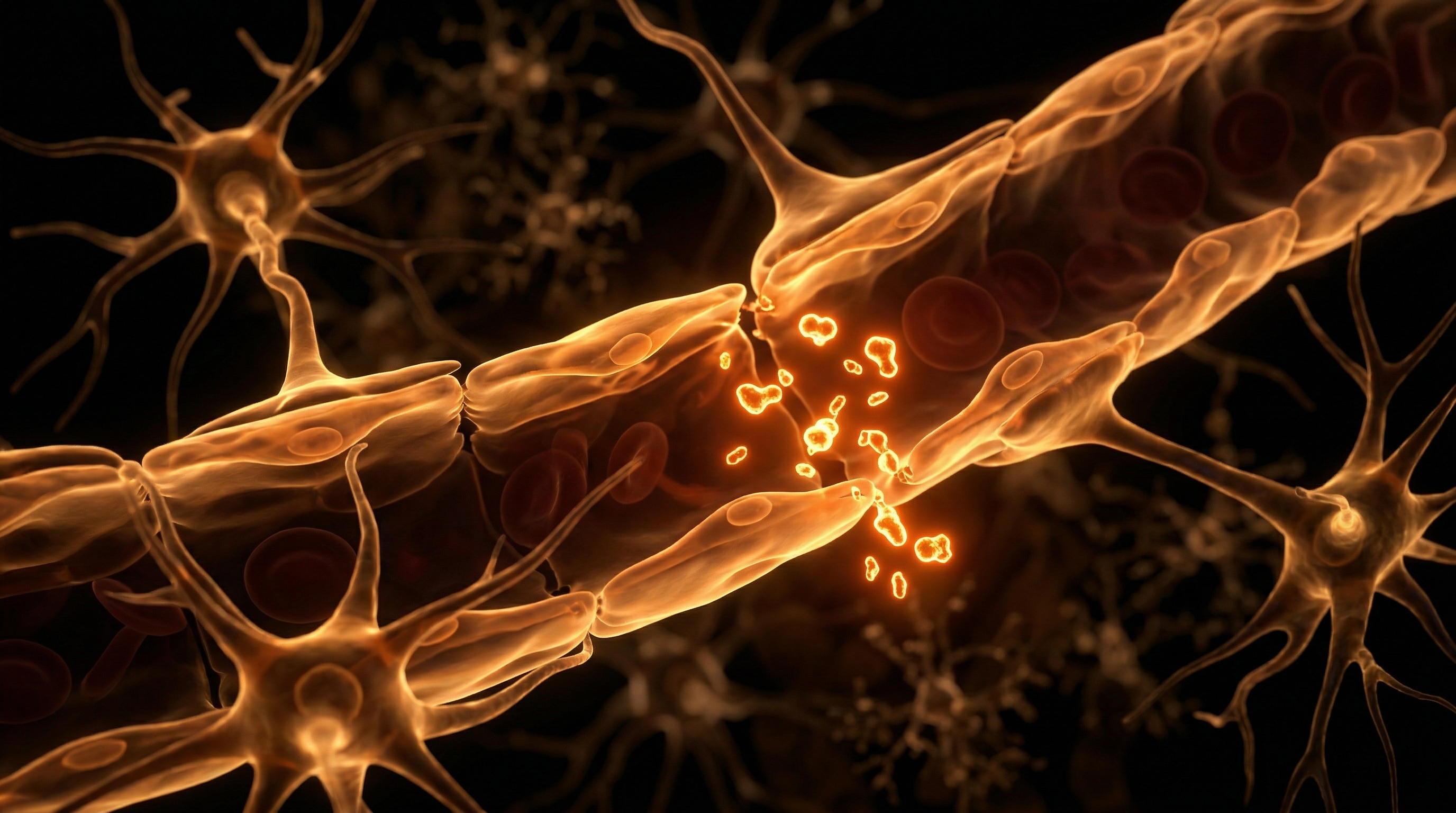
    Scientific illustration for Blood-Brain Barrier: The Ultimate Defence Being Breached
    Nervous System
    14 MIN READ

    Blood-Brain Barrier: The Ultimate Defence Being Breached

    The blood-brain barrier (BBB) is a highly selective semi-permeable vascular boundary formed by specialised brain endothelial cells connected by exceptionally tight junctions, supported by pericytes and astrocytic end-feet — collectively creating a structural and biochemical barrier that rigorously regulates the passage of molecules from the systemic circulation into the central nervous system. This biological security system is the primary reason the brain can maintain the precise biochemical environment required for neural function, excluding pathogens, large molecules, and most hydrophilic compounds whilst facilitating the transport of glucose, amino acids, and lipid-soluble molecules via specific carrier proteins. The BBB is not inviolable: heavy metals including aluminium, mercury, and lead cross it via mimicry of essential metal transport; glyphosate increases BBB permeability by disrupting tight junction proteins; chronic systemic inflammation elevates BBB permeability through cytokine-mediated mechanisms; and radiofrequency electromagnetic fields activate voltage-gated calcium channels in endothelial cells — collectively creating conditions under which neurotoxic compounds that should be excluded from brain tissue gain access and accumulate.

    #blood-brain barrier#BBB
    L
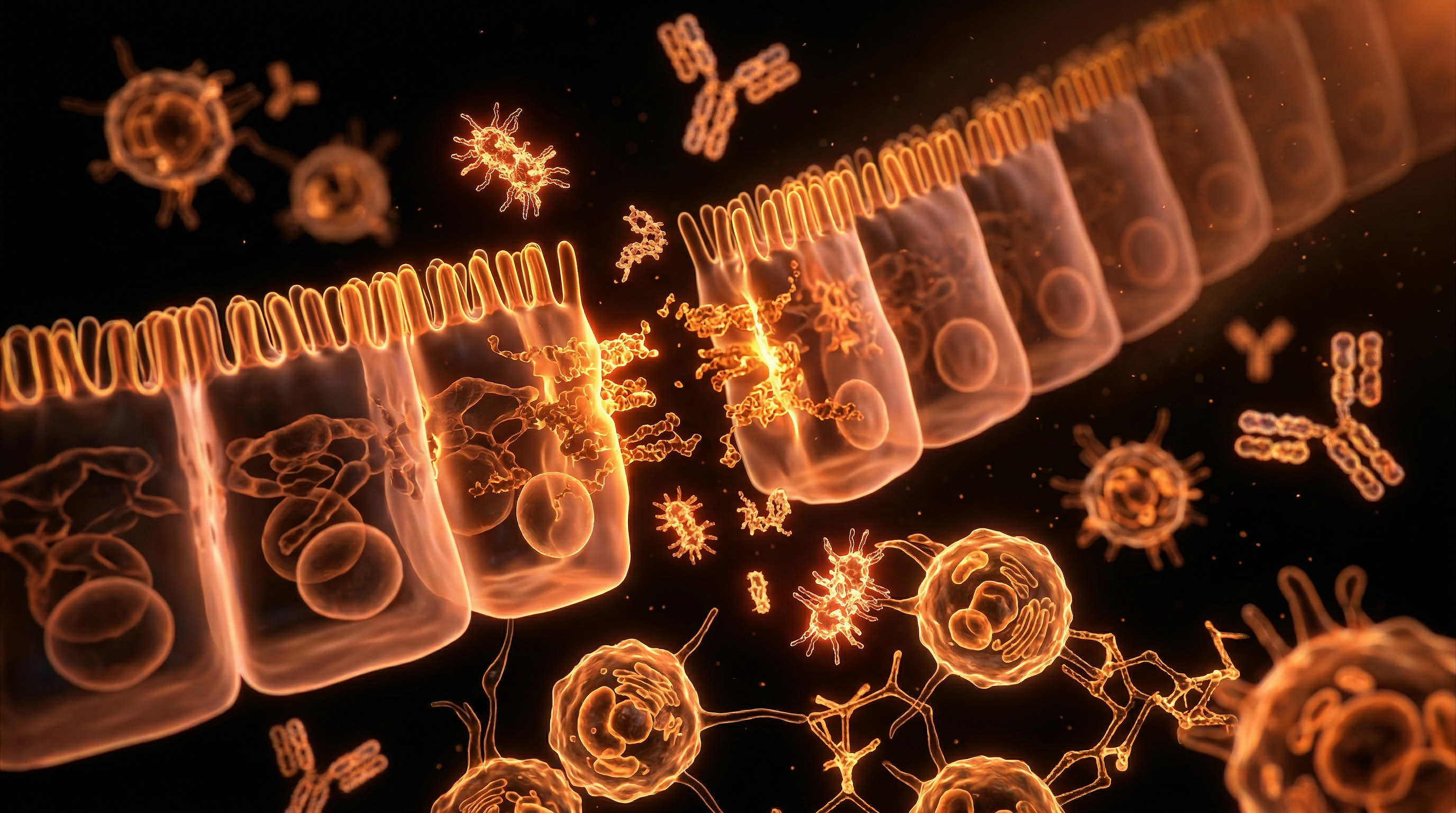
    Scientific illustration for Leaky Gut & Autoimmunity: The Connection Medicine Won't Make
    Immune System
    13 MIN READ

    Leaky Gut & Autoimmunity: The Connection Medicine Won't Make

    Intestinal hyperpermeability — the pathological opening of the tight junction proteins claudin, occludin, and zonulin that seal the gaps between intestinal epithelial cells — allows partially digested dietary proteins, bacterial endotoxins (particularly lipopolysaccharide), and environmental chemicals to enter the systemic circulation and trigger the immune dysregulation that drives every autoimmune condition from multiple sclerosis to rheumatoid arthritis, Hashimoto's thyroiditis, and type 1 diabetes. The mechanisms of leaky gut are now well-established in the scientific literature — triggered primarily by glyphosate, dietary emulsifiers, non-steroidal anti-inflammatory drugs, alcohol, and chronic psychological stress — yet gastroenterology continues to diagnose and treat the downstream autoimmune consequences in isolation whilst ignoring the upstream intestinal lesion. Resolving intestinal permeability is the non-negotiable foundation of genuine autoimmune recovery.

    #leaky gut#intestinal permeability