Chronic Alcohol Exposure and the Ubiquitin-Proteasome Degradation of Tight Junction Proteins
An in-depth investigation into the molecular mechanisms by which chronic ethanol consumption triggers the ubiquitin-proteasome pathway to dismantle the intestinal barrier, leading to systemic inflammation and metabolic dysfunction.
# Chronic Alcohol Exposure and the Ubiquitin-Proteasome Degradation of Tight Junction Proteins. At INNERSTANDING, we believe that true health begins with an understanding of the delicate biological barriers that protect our internal environment. One of the most critical, yet frequently compromised, barriers is the intestinal epithelium. Chronic alcohol consumption is a well-recognised driver of intestinal hyperpermeability—commonly known as 'leaky gut'. However, to move beyond the symptoms and address the root cause, we must examine the specific molecular machinery that alcohol hijacks.
Central to this disruption is the Ubiquitin-Proteasome System (UPS) and its role in the degradation of Tight Junction (TJ) proteins. ## The Architecture of the Intestinal Barrier. The intestinal lining is composed of a single layer of epithelial cells. The spaces between these cells are sealed by Tight Junctions, complex protein networks that regulate the paracellular transport of water, ions, and nutrients while blocking the entry of harmful pathogens and toxins. The primary components of these junctions include transmembrane proteins like Occludin and Claudins, as well as peripheral membrane proteins like Zonula Occludens (ZO-1, ZO-2, and ZO-3). These proteins are not static; they are dynamically regulated to maintain barrier homeostasis.
When these proteins are lost or degraded, the 'seal' is broken, allowing endotoxins like Lipopolysaccharide (LPS) to enter the bloodstream, triggering systemic inflammation. ## The Ubiquitin-Proteasome System: The Cell's Disposal Unit. To understand how alcohol destroys the barrier, we must understand how the cell removes old or damaged proteins. The Ubiquitin-Proteasome System (UPS) is the primary pathway for protein degradation in eukaryotic cells. This process involves two main steps: the tagging of a target protein with a small molecule called ubiquitin, and the subsequent degradation of that tagged protein by the 26S proteasome—a massive barrel-shaped protease complex. This 'tagging' is a highly specific three-step enzymatic process involving E1 (activating), E2 (conjugating), and E3 (ligating) enzymes.
The E3 ligase is the most critical component, as it determines which specific protein is destined for destruction. Under normal physiological conditions, the UPS ensures healthy protein turnover. However, chronic alcohol exposure shifts this system into overdrive, specifically targeting the very proteins that keep our gut sealed. ## Alcohol-Induced Oxidative Stress: The Catalyst. The journey from alcohol ingestion to protein degradation begins with metabolism. When alcohol is processed in the liver and the gut, it produces acetaldehyde and reactive oxygen species (ROS).
These metabolites induce significant oxidative stress within the epithelial cells. At INNERSTANDING, we emphasize oxidative stress as a root cause because it acts as a signal for the UPS. Alcohol-induced ROS specifically activates signaling pathways such as the p38 Mitogen-Activated Protein Kinase (MAPK) pathway. This activation is the 'green light' for the cellular machinery to begin tagging Tight Junction proteins for degradation. Furthermore, alcohol reduces the levels of protective antioxidants like glutathione, leaving the TJ proteins vulnerable to oxidative modification, which makes them even easier targets for the UPS. ## The Target: Occludin and ZO-1.
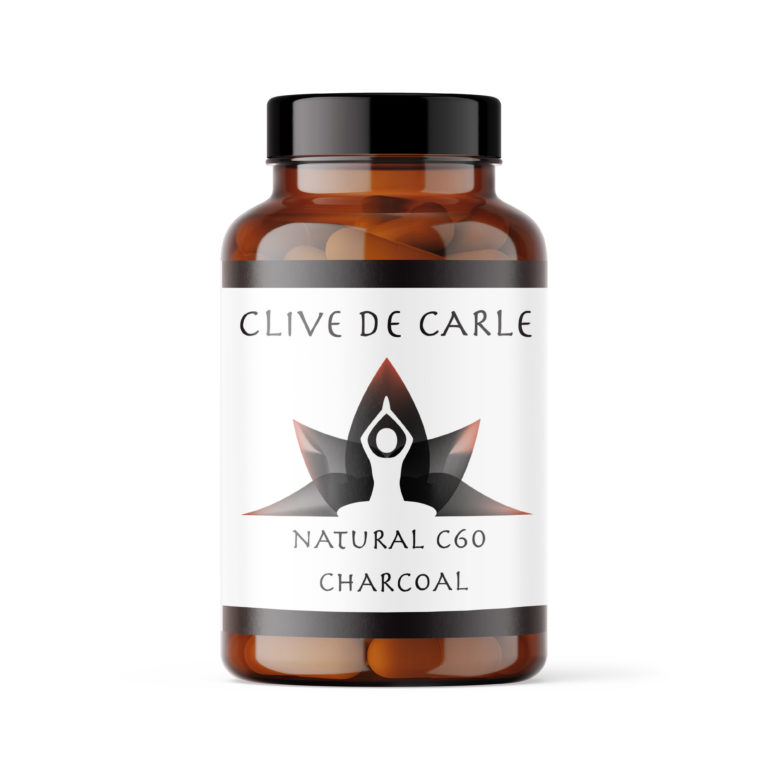
C60 Charcoal – Supports Healthy Digestion and Detoxification.
Support healthy digestion and ease bloating with a natural hardwood charcoal rich in C60 fullerenes. This non-nano formula assists in removing toxins and strengthening your immune response for a more comfortable, balanced gut.
Vetting Notes
Pending
Research has demonstrated that chronic alcohol exposure specifically leads to the down-regulation of Occludin and ZO-1 proteins. But they don't just 'disappear'. They are actively dismantled. Studies utilizing intestinal cell models show that ethanol increases the 'ubiquitination' of Occludin. Once Occludin is poly-ubiquitinated, it is recognised by the 26S proteasome and broken down into its constituent amino acids.
ZO-1, which acts as the scaffold anchoring transmembrane proteins to the actin cytoskeleton, is also targeted. When ZO-1 is degraded, the entire TJ complex loses its structural integrity and collapses. This is a targeted biochemical strike on the gut's defense system. Alcohol effectively 'orders' the cell to digest its own protective barrier. ## The Role of E3 Ligases in Gut Leakage. A key focus in current Tight Junction science is identifying the specific E3 ligases involved in alcohol-induced damage.
One such ligase, Itch, has been implicated in the degradation of junctional proteins. Alcohol exposure increases the expression and activity of these ligases. By understanding that an enzyme like Itch is responsible for tagging Occludin for destruction, researchers are moving closer to targeted therapies that can block this specific interaction without affecting the UPS's other vital functions. This is the hallmark of root-cause medicine: moving from 'don't drink' to 'we must inhibit the ethanol-induced activation of specific E3 ligases to preserve the gut barrier'. ## Systemic Consequences: The Endotoxemia Cycle. When the UPS has successfully degraded a significant portion of the TJ proteins, the intestinal barrier becomes porous.
This allows LPS, a component of the cell wall of Gram-negative bacteria in the gut, to leak into the portal circulation. Once in the liver, LPS activates Kupffer cells, leading to the production of pro-inflammatory cytokines like TNF-alpha. Interestingly, TNF-alpha itself further activates the UPS in the gut, creating a vicious feedback loop. The more the gut leaks, the more inflammation is produced, and the more the UPS is stimulated to degrade even more TJ proteins. This cycle is a primary driver of Alcoholic Liver Disease (ALD) and various systemic inflammatory conditions. ## Nutritional and Therapeutic Interventions.
Understanding the UPS pathway allows for more sophisticated intervention strategies. While abstinence is the primary recommendation, we can also look at 'Proteasome Inhibitors' and 'Antioxidant Support'. For instance, Zinc supplementation has been shown to be incredibly effective in restoring gut barrier function. Zinc works partly by inhibiting the oxidative stress that triggers the UPS and by stabilizing the TJ proteins themselves. Additionally, polyphenols found in green tea or quercetin may modulate the E3 ligase activity, providing a layer of protection against alcohol-induced degradation.
Focus on supporting the Nrf2 pathway, the body's master antioxidant switch, can also help mitigate the initial oxidative trigger that sets the UPS in motion. ## Conclusion. Chronic alcohol exposure is not merely a 'stressor' to the gut; it is a molecular reprogrammer. By hijacking the Ubiquitin-Proteasome System, alcohol forces the intestinal epithelium to dismantle its own structural defenses. The degradation of Occludin and ZO-1 is a precise, enzymatically driven process that lies at the heart of alcohol-induced leaky gut. At INNERSTANDING, our goal is to illuminate these complex pathways so that individuals can take informed action to protect their cellular architecture.
Recognizing the role of the UPS in barrier health is a vital step in transitioning from symptomatic treatment to true, mechanism-based healing.
This article is provided for informational and educational purposes only. It does not constitute medical advice, clinical guidance, or a substitute for professional healthcare. Information reflects cited research at time of publication. Always consult a qualified healthcare professional before acting on any health information.
RESEARCH FOUNDATIONS
Biological Credibility Archive
Citations provided for educational reference. Verify via PubMed or institutional databases.
Medical Disclaimer
The information in this article is for educational purposes only and does not constitute medical advice, diagnosis, or treatment. Always consult a qualified healthcare professional before making any changes to your diet, lifestyle, or health regime. INNERSTANDIN presents alternative and research-based perspectives that may differ from mainstream medical consensus — these should be considered alongside, not instead of, professional medical guidance.
Read Full DisclaimerReady to learn more?
Continue your journey through our classified biological research.
DISCUSSION ROOM
Members of THE COLLECTIVE discussing "Chronic Alcohol Exposure and the Ubiquitin-Proteasome Degradation of Tight Junction Proteins"
SILENT CHANNEL
Be the first to discuss this article. Your insight could help others understand these biological concepts deeper.
THE ARSENAL
Based on Tight Junction Science — products curated by our research team for educational relevance and biological support.
C60 Charcoal – Supports Healthy Digestion and Detoxification.
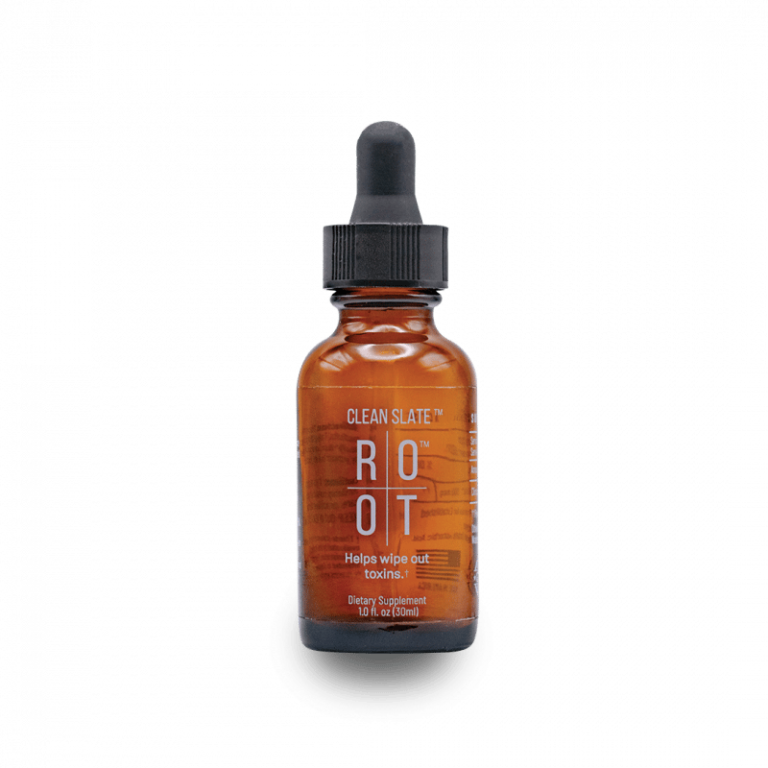
Clean Slate – Detoxes thousands of chemicals,heavy metals, pesticides, allergens, mold spores and fungus
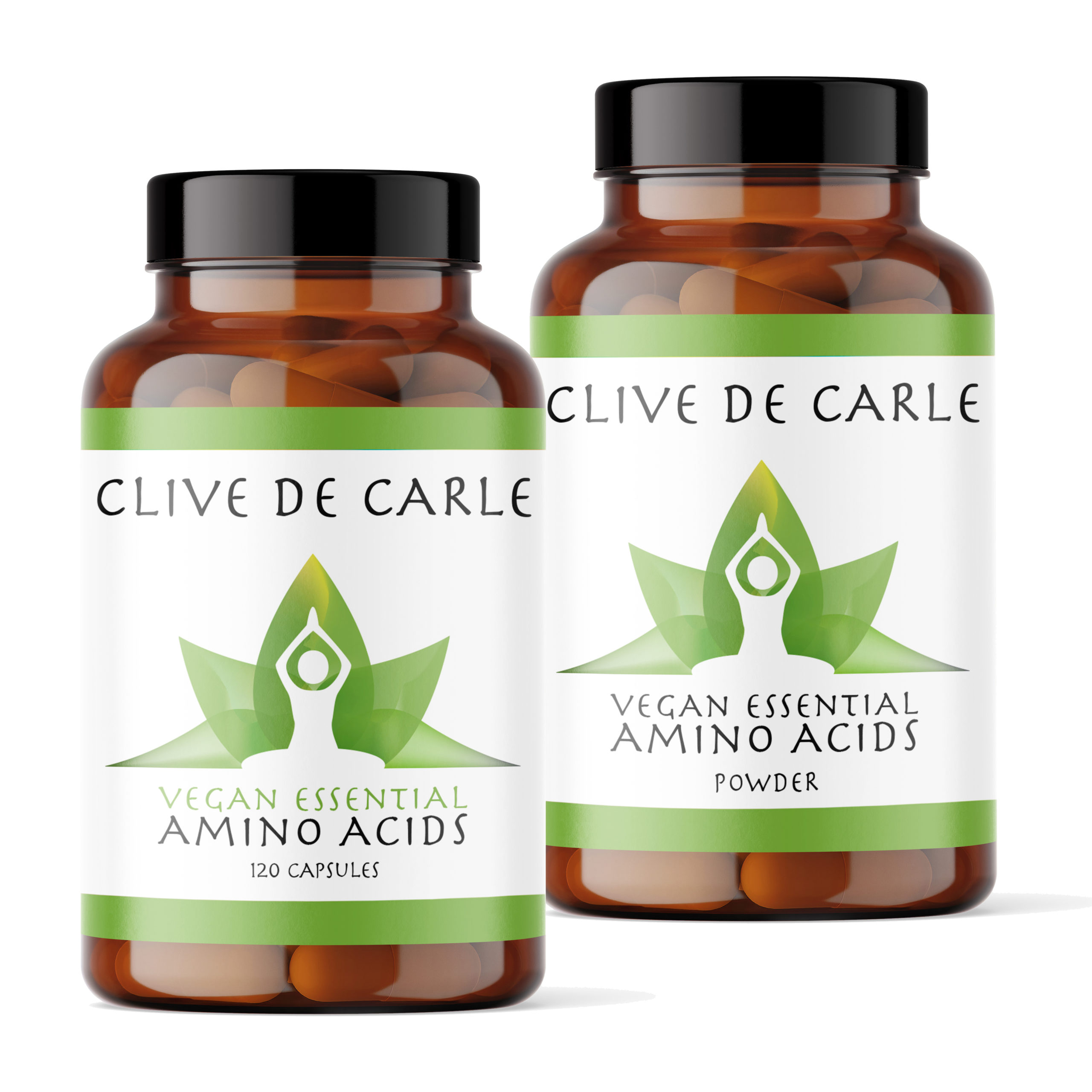
Vegan Essential Amino Acids – Plant-Powered Protein Building
INNERSTANDING may earn a commission on purchases made through these links. All products are selected based on rigorous educational relevance to our biological research.
RABBIT HOLE
Follow the biological thread deeper