The Impact of Glyphosate-Induced Oxidative Stress on Claudin-1 and Occludin Protein Expression
An in-depth exploration of how the world's most common herbicide compromises intestinal integrity by triggering oxidative pathways that degrade essential tight junction proteins.
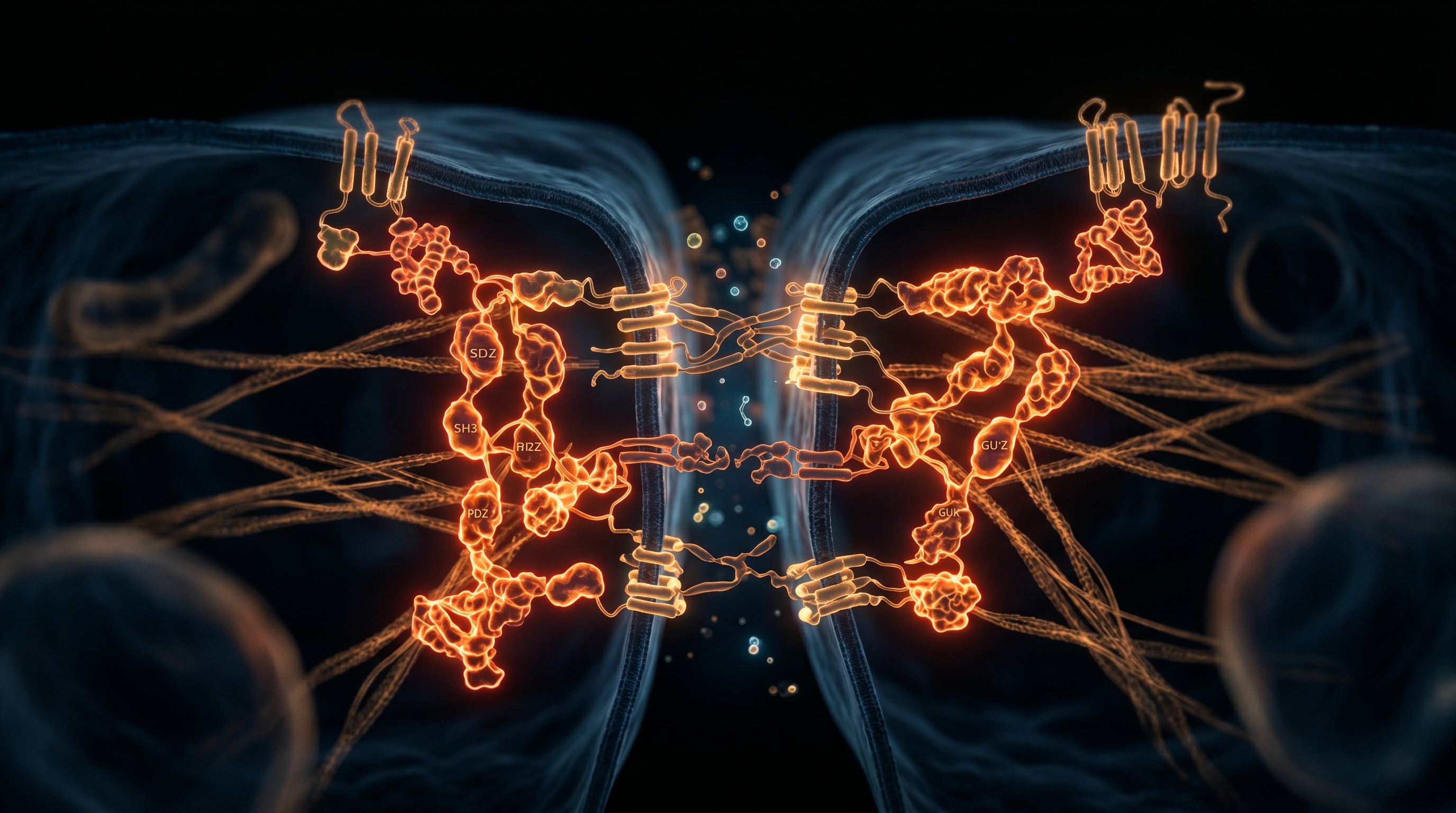
# The Impact of Glyphosate-Induced Oxidative Stress on Claudin-1 and Occludin Protein Expression\n\n### Introduction: The Ubiquity of Glyphosate\nIn the modern landscape of environmental health, few substances have sparked as much scientific debate as glyphosate. As the primary active ingredient in the world’s most widely used broad-spectrum herbicides, glyphosate is ubiquitous, appearing in water supplies, rain, and the vast majority of non-organic cereal crops. While much of the initial concern focused on its potential carcinogenicity, educational health platforms like INNERSTANDING are increasingly focused on the more subtle, root-cause mechanisms of systemic dysfunction. Central to this is the disruption of the intestinal barrier—a condition often colloquially termed 'leaky gut,' but scientifically understood through the lens of Tight Junction (TJ) protein expression.\n\n### Understanding the Intestinal Barrier: The Role of Tight Junctions\nThe intestinal epithelium serves as the critical gatekeeper between the external environment (the gut lumen) and the internal systemic circulation. This barrier is maintained by a complex protein network known as the Tight Junction.
Among the myriad of proteins involved, Claudin-1 and Occludin are foundational. \n\nClaudin-1 is often referred to as a 'sealing' claudin. It is primarily responsible for the 'tightness' of the barrier, controlling the paracellular movement of water and ions. Without sufficient Claudin-1, the intestinal lining loses its structural density. Occludin, on the other hand, is a regulatory protein. It plays a vital role in signal transduction and the assembly of the TJ complex.
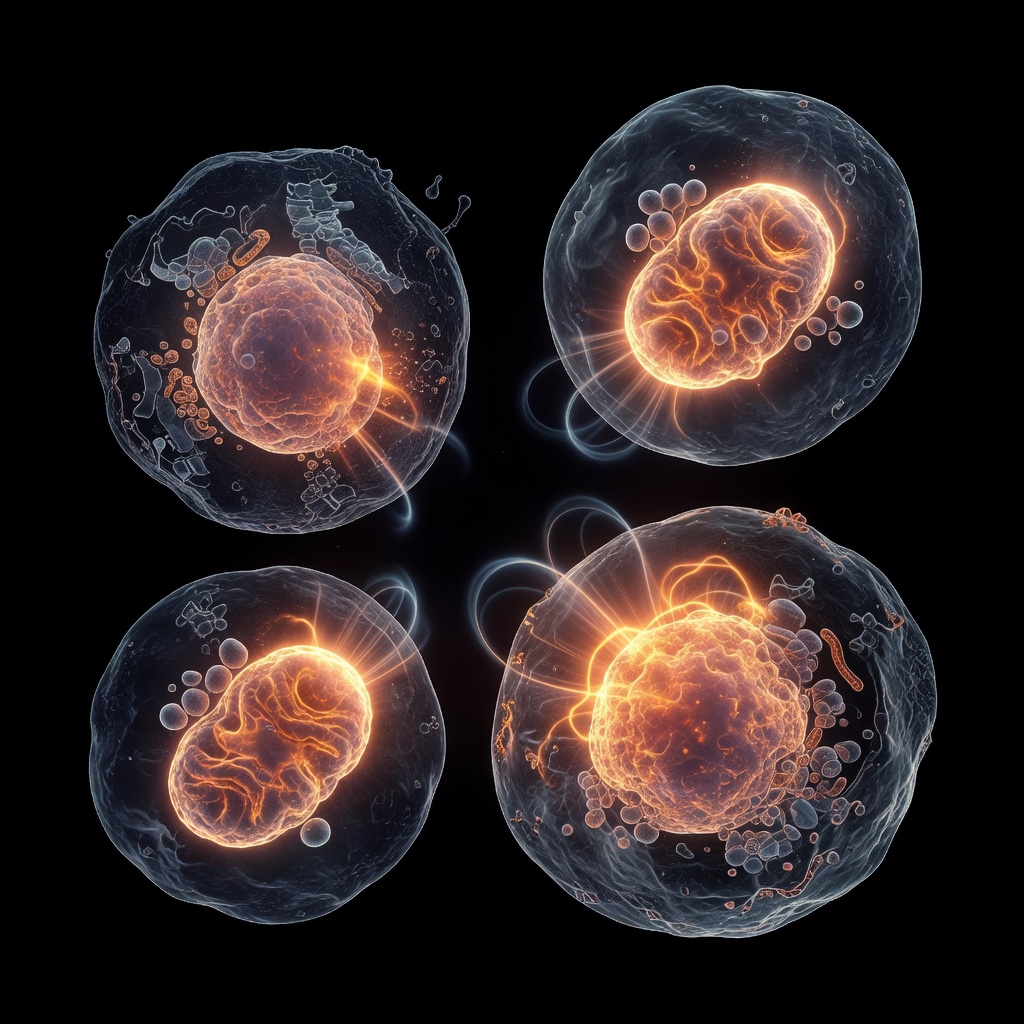
Together, these proteins ensure that only digested nutrients pass through, while preventing the translocation of pathogens, undigested food particles, and toxins like Lipopolysaccharides (LPS).\n\n### The Mechanism of Glyphosate-Induced Oxidative Stress\nGlyphosate’s impact on human health was historically dismissed because its primary mechanism—the inhibition of the shikimate pathway—is absent in mammalian cells. However, this oversight ignores the molecule's role as a potent pro-oxidant. Research increasingly demonstrates that glyphosate exposure leads to a significant increase in Reactive Oxygen Species (ROS) within the intestinal epithelial cells.\n\nOxidative stress occurs when the production of ROS exceeds the body’s antioxidant defenses, specifically the availability of glutathione. Glyphosate has been shown to deplete intracellular glutathione levels and inhibit the activity of superoxide dismutase (SOD). When these defenses fail, ROS levels surge, leading to lipid peroxidation and mitochondrial dysfunction.
In the context of the gut, this oxidative environment is the 'root cause' trigger for the breakdown of the Tight Junction complex.\n\n### The Downregulation of Claudin-1 and Occludin\nThe relationship between oxidative stress and the expression of Claudin-1 and Occludin is one of direct molecular degradation. When glyphosate induces a surge in ROS, it activates specific intracellular signaling pathways, most notably the NF-ΙB (nuclear factor kappa-light-chain-enhancer of activated B cells) pathway. \n\nHigh levels of ROS trigger the activation of NF-ΙB, which in turn leads to the release of pro-inflammatory cytokines such as TNF-α (Tumor Necrosis Factor-alpha). These cytokines act as signaling molecules that tell the cell to internalize or downregulate TJ proteins. Specifically, oxidative stress leads to the phosphorylation of Occludin. Once phosphorylated, Occludin shifts from the cell membrane (where it is functional) into the cytoplasm (where it is inactive). \n\nFurthermore, studies have shown that glyphosate-induced oxidative stress reduces the mRNA expression of the CLDN1 gene.
This means the body is not just losing these proteins from the barrier; it is actually losing the ability to manufacture new Claudin-1 proteins at the genetic level. The result is a thinning, porous intestinal lining that can no longer perform its barrier function.\n\n### Systemic Implications: Beyond the Gut\nWhen Claudin-1 and Occludin expression levels drop, the consequences are rarely localized to the digestive tract. This molecular breakdown is the genesis of systemic inflammation. As the 'gates' of the Tight Junctions open, environmental toxins like LPS (endotoxins from gram-negative bacteria) enter the bloodstream. This triggers a perpetual immune response, often manifesting as brain fog, chronic fatigue, or autoimmune conditions where the body begins to attack its own tissues due to molecular mimicry.\n\nIn the UK, where wheat and oats are frequently desiccated with glyphosate-based products shortly before harvest, the dietary intake of these residues is a significant concern for those seeking to maintain intestinal integrity.
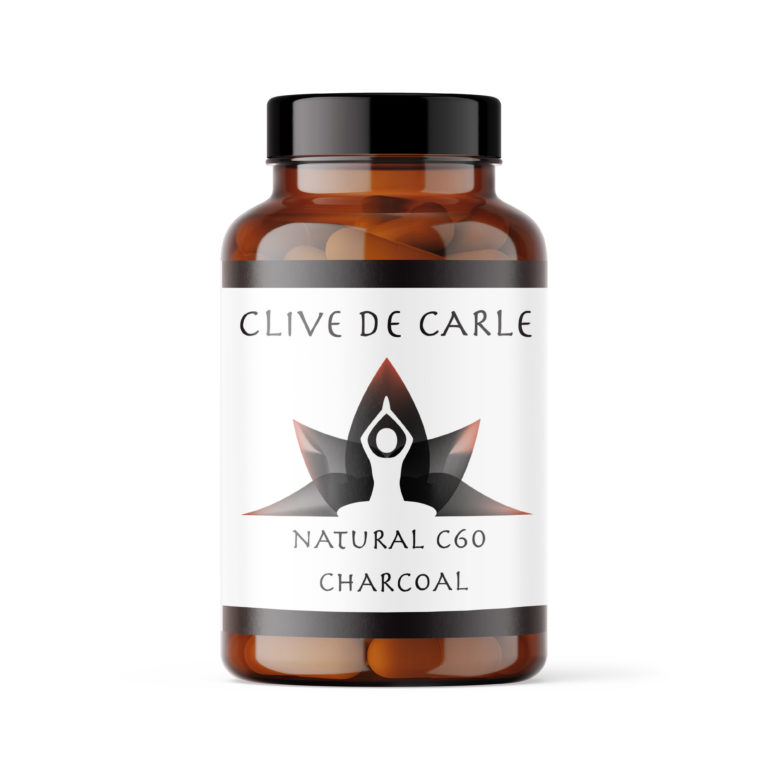
C60 Charcoal – Supports Healthy Digestion and Detoxification.
Support healthy digestion and ease bloating with a natural hardwood charcoal rich in C60 fullerenes. This non-nano formula assists in removing toxins and strengthening your immune response for a more comfortable, balanced gut.
Vetting Notes
Pending
The chronic, low-dose exposure typical of a modern diet provides a constant oxidative stimulus, preventing the gut from ever truly healing the Tight Junction complex.\n\n### Root Cause Interventions: Restoring the Barrier\nAddressing the impact of glyphosate requires a strategy that goes beyond simply 'sealing' the gut. At INNERSTANDING, we advocate for a three-tiered root-cause approach: \n\n1. Reduction of Exposure: The first step is the elimination of the primary source. Transitioning to organic produce, particularly for high-glyphosate crops like grains, pulses, and legumes, is essential to stop the influx of the pro-oxidant stimulus.\n\n2. Antioxidant Resuscitation: Since the mechanism of damage is oxidative stress, supporting the body’s antioxidant capacity is vital. This includes the use of N-Acetyl Cysteine (NAC) or Liposomal Glutathione to replenish the reserves depleted by glyphosate, as well as supporting the Nrf2 pathway through compounds like sulforaphane.\n\n3. Tight Junction Support: Once the oxidative fire is dampened, the body needs the raw materials to rebuild. Zinc carnosine and specific amino acids like L-Glutamine have been shown to support the re-expression of Claudin-1 and Occludin by providing the structural support and signaling environment necessary for TJ assembly.\n\n### Conclusion\nThe impact of glyphosate on human health is not a matter of immediate toxicity, but of subtle, molecular erosion.
By triggering oxidative stress, glyphosate systematically dismantles the protein architecture of the gut barrier. The downregulation of Claudin-1 and Occludin is a pivotal event that transforms a healthy digestive system into a source of systemic inflammation. Understanding this biochemical pathway is the first step toward reclaiming health—moving away from symptomatic management and toward the scientific restoration of the body’s most critical boundary.
This article is provided for informational and educational purposes only. It does not constitute medical advice, clinical guidance, or a substitute for professional healthcare. Information reflects cited research at time of publication. Always consult a qualified healthcare professional before acting on any health information.
RESEARCH FOUNDATIONS
Biological Credibility Archive
Citations provided for educational reference. Verify via PubMed or institutional databases.
Medical Disclaimer
The information in this article is for educational purposes only and does not constitute medical advice, diagnosis, or treatment. Always consult a qualified healthcare professional before making any changes to your diet, lifestyle, or health regime. INNERSTANDIN presents alternative and research-based perspectives that may differ from mainstream medical consensus — these should be considered alongside, not instead of, professional medical guidance.
Read Full DisclaimerReady to learn more?
Continue your journey through our classified biological research.
DISCUSSION ROOM
Members of THE COLLECTIVE discussing "The Impact of Glyphosate-Induced Oxidative Stress on Claudin-1 and Occludin Protein Expression"
SILENT CHANNEL
Be the first to discuss this article. Your insight could help others understand these biological concepts deeper.
THE ARSENAL
Based on Tight Junction Science — products curated by our research team for educational relevance and biological support.
C60 Charcoal – Supports Healthy Digestion and Detoxification.
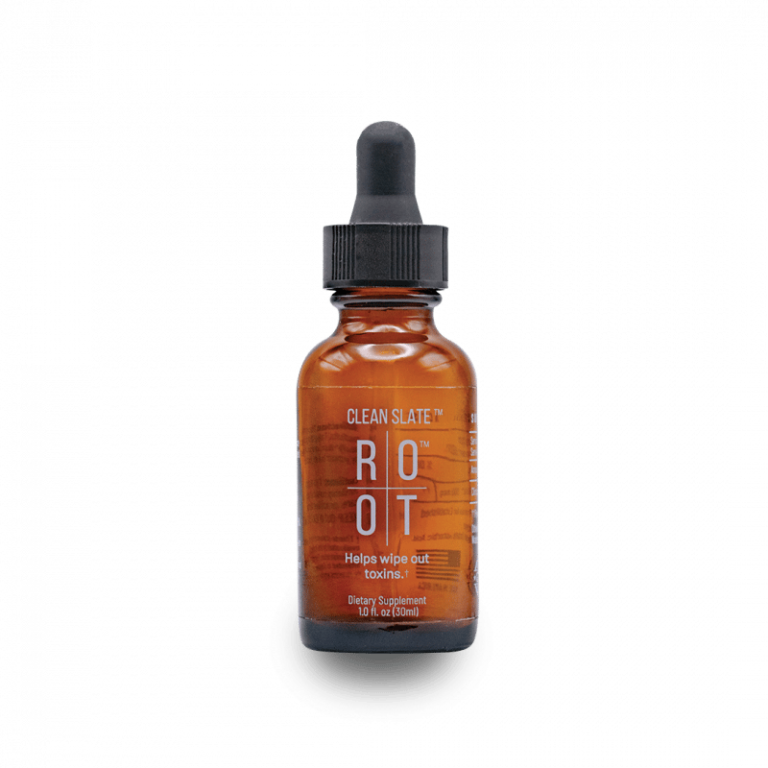
Clean Slate – Detoxes thousands of chemicals,heavy metals, pesticides, allergens, mold spores and fungus
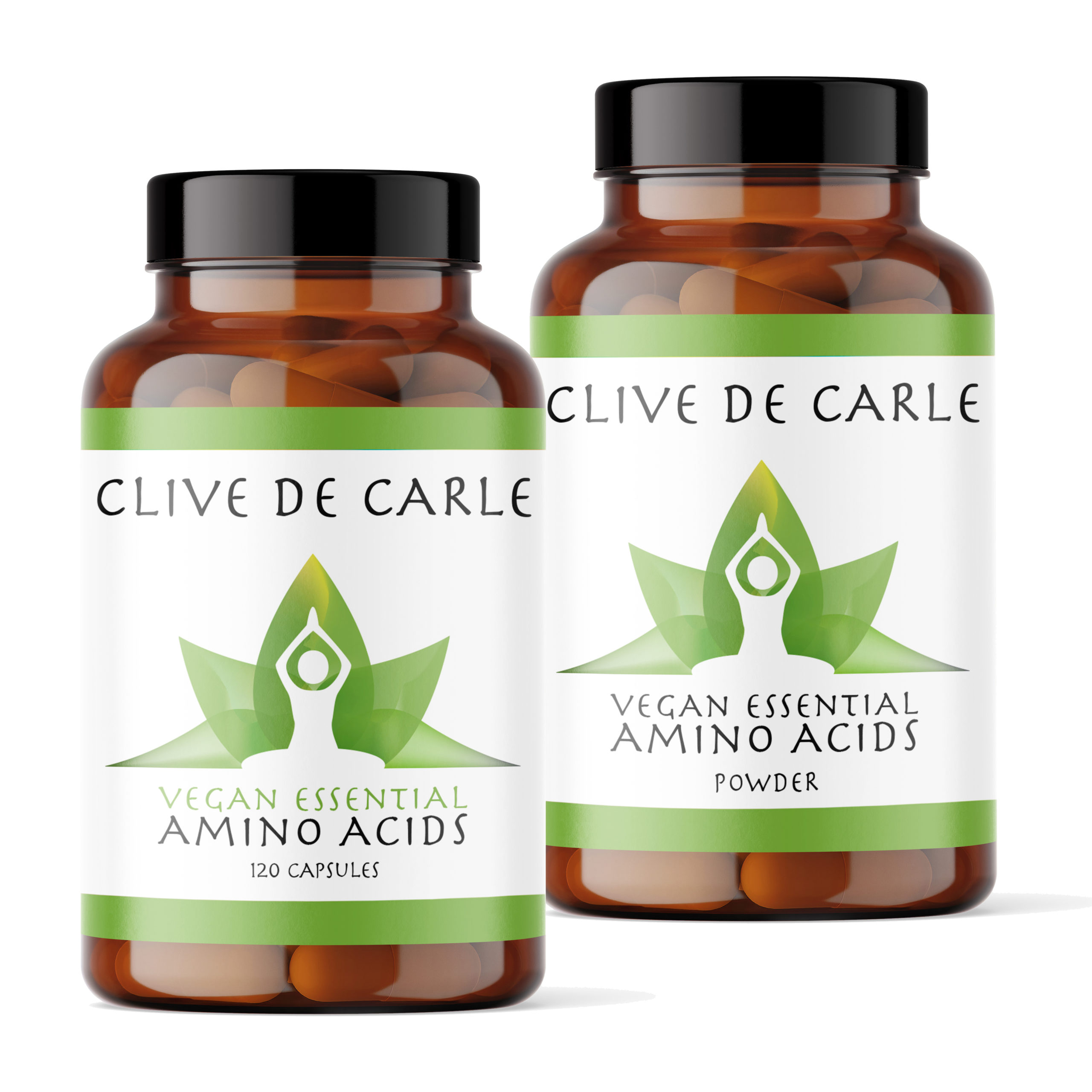
Vegan Essential Amino Acids – Plant-Powered Protein Building
INNERSTANDING may earn a commission on purchases made through these links. All products are selected based on rigorous educational relevance to our biological research.
RABBIT HOLE
Follow the biological thread deeper